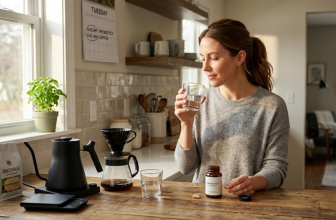
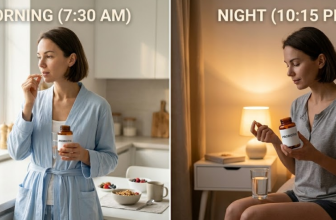
We’ve all heard the stern warning at some point: “Don’t drink water while you’re eating!” The theory sounds logical enough on the surface—that water washes away your digestive power, leaving your food to sit and ferment in your gut. But is there any truth to the claim that is drinking water with meals bad for digestion, or is this just another piece of “wellness folklore” passed down through generations?
In the world of health optimization, we often overcomplicate the basics. We worry about nutrient absorption and gastric digestion, yet we overlook the simplest facts of human biology. If you’ve been avoiding your water glass out of fear of “diluting” your system, it’s time to look at the science. From the myth of stomach acid dilution to the surprising benefits of meal-time hydration, let’s separate the biological facts from the digestive fiction.
Is Drinking Water With Meals Bad for Digestion? ⚡
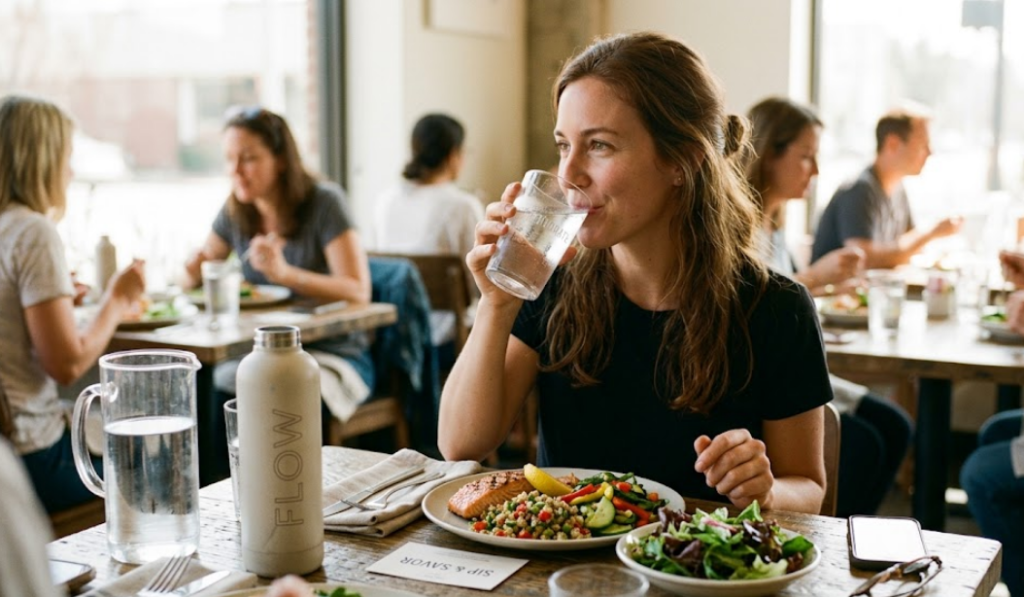
No, drinking water with meals does not appear to shut down digestive enzymes or sabotage your health. In many cases, hydration may actually support the digestive process rather than harm it. The claim that water significantly dilutes stomach acid is often oversimplified and doesn’t reflect how the stomach actually functions. Unless you have a specific medical condition like GERD, where excess volume can cause reflux, a glass of water with your meal is perfectly healthy.
Does Water Really Dilute Digestive Enzymes? 🧬
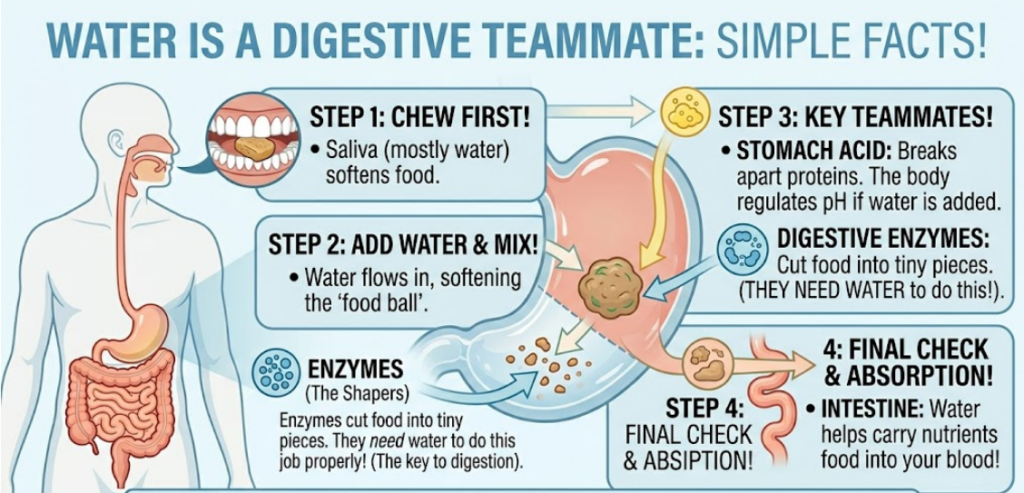
The most common concern involves the chemical side of the gut: can drinking water with meals dilute digestive enzymes? To answer this, we have to look at how enzymes work. These biological catalysts actually require water to function. The process of chemical digestion is called hydrolysis, a word that literally means “breaking down with water.”
Your stomach and small intestine are already fluid-rich environments. When you eat, your body secretes a precise cocktail of enzymes designed to handle that specific meal. Water acts as a transport medium, helping these enzymes reach the food particles more efficiently. Rather than weakening your enzymes, proper hydration ensures they have the “liquid highway” they need to do their job.
Does Water Dilute Stomach Acid? 🧪
This is the high-interest “myth-confrontation” section. People often worry that does water dilute stomach acid to the point of making it useless. While it’s true that drinking a massive amount of water could theoretically nudge the pH of the stomach slightly, the effect is temporary and negligible.
Your stomach is a highly adaptive organ. It has “sensors” that monitor its own acidity levels. If the pH rises slightly because of a few sips of water, your stomach simply produces more hydrochloric acid to compensate. Furthermore, water passes through the stomach very quickly—usually within 10 to 20 minutes—leaving the more solid food behind to be processed by the acid at full strength. Your body is much smarter than the “dilution” myth suggests.
Could Drinking Water During Meals Actually Help Digestion? 🌊
Instead of slowing things down, does water help digestion? The answer is a surprising yes. Water provides several mechanical advantages that your gut loves:
- Food Breakdown Support: Water helps soften food, making it easier for the stomach to turn everything into a smooth liquid called “chyme.”
- Swallowing and Transit: It aids the movement of food from the esophagus to the stomach and eventually into the small intestine.
- Stool Regularity: Hydration is the #1 factor in preventing constipation. By drinking water with your meal, you ensure that the fiber you’re eating can move smoothly through your colon.
Does Drinking Water With Meals Cause Bloating? 🎈
If you’ve ever felt a heavy, distended sensation after a meal, you might wonder if your water glass is to blame. So, does drinking water with meals cause bloating? The answer usually depends on how you drink, not just what you drink.
Water itself is not a gas-producer; it actually helps move fiber through your system, which prevents the fermentation that leads to gas. However, if you “chug” water rapidly, you are likely swallowing significant amounts of air. This trapped air is the real culprit behind that immediate post-meal bloat. Additionally, for those with a very small stomach capacity, the sheer volume of a large meal plus a large drink can feel uncomfortable. To avoid this, focus on small, intentional sips rather than gulping.
Does Water Slow Digestion or Gastric Emptying? ⏳
A common concern in wellness circles is the question: does drinking water slow digestion? Some believe it turns the stomach into a “slushy” mess that takes hours to process. Science suggests the opposite.
Liquids actually leave the stomach much faster than solids. While a heavy steak might sit in your stomach for several hours, water usually exits in under 20 minutes. Studies on gastric emptying show that drinking water with a meal does not significantly delay the rate at which food moves into the small intestine. In some cases, it can actually speed up the process by helping to liquefy the food into “chyme,” which is the only form in which your body can pass food out of the stomach.
Does Drinking Water Affect Nutrient Absorption? 🍎
To maintain conversion-focused trust, we have to address the “flushing” fear. Does water wash away nutrients before they can be used? The reality is that water is a vital partner in nutrient absorption.
Many of the most important nutrients—like Vitamin C and the B-vitamin family—are water-soluble. Your body literally cannot absorb them without a liquid medium to dissolve them in. Water also helps break down complex carbohydrates and proteins so their components can be transported across the intestinal wall. Without enough fluid, these nutrients can stay “locked” inside food particles and pass right through you. Far from diluting your nutrition, water acts as the vehicle that delivers it to your cells.
Is It Better to Drink Before, During, or After Meals? ⌚
When it comes to the “best” timing, the answer often depends on your personal goals. Each window offers a slightly different metabolic advantage:
| Timing | Primary Benefit | Best For |
| Before (30 mins) | Pre-hydrates the gut and prepares enzymes. | Weight management and appetite control. |
| During (Sips) | Aids mechanical breakdown and swallowing. | General digestion and nutrient transport. |
| After (Sips) | Helps clear the palate and maintains motility. | Preventing post-meal constipation. |
If you struggle with gastric digestion or reflux, you might find that drinking the bulk of your water 30 minutes before a meal is the most comfortable way to stay hydrated without overfilling the stomach.
Can Drinking Water With Meals Help Weight Loss? ⚖️
The link between drinking water with meals and the scale is one of the most effective “hacks” in nutrition. It primarily works through a biological mechanism called satiety.
Your stomach has stretch receptors that signal your brain when you are full. By adding water to your meal, you increase the volume of the stomach contents without adding a single calorie. This can help you feel satisfied much earlier in the meal, preventing overeating. Furthermore, we often mistake thirst for hunger. By sipping water while you eat, you ensure that your “hunger” signals are actually about food, not just a cry for hydration.
Who Might Need to Be More Careful With Fluids During Meals? 🩺
While the answer to is drinking water with meals bad for digestion is usually a firm “no,” there are specific exceptions. For some individuals, the issue isn’t the water itself, but the volume.
- Severe Acid Reflux (GERD): If you suffer from chronic heartburn, adding a large volume of water to an already full stomach can increase pressure. This pressure can force stomach acid back up into the esophagus.
- Swallowing Disorders (Dysphagia): For some, mixing thin liquids with solid food can lead to coughing or difficulty swallowing. In these cases, a specific fluid-timing strategy is often necessary.
- Individual Sensitivities: Some people simply have a “slower” stomach. If you personally feel heavy or “sloshy” when drinking while eating, your body might prefer you to hydrate 30 minutes before your meal instead.
Common Digestion Myths About Drinking Water ❌
Let’s clear the air. To help you separate fact from fiction, here are the most common digestion myths that simply don’t hold up under scientific scrutiny:
- Myth: Water “Kills” Digestive Enzymes. Truth: Enzymes require water (hydrolysis) to break down your food.
- Myth: Water Stops Stomach Acid from Working. Truth: Your stomach is a self-regulating pump; it adjusts its acid levels to keep the pH exactly where it needs to be.
- Myth: Drinking During Meals Causes Fermentation. Truth: Fermentation is caused by bacteria and undigested carbs in the lower gut, not by water in the stomach.
- Myth: Dry Eating Is Better for Digestion. Truth: Dry food is harder for the stomach to liquefy into “chyme,” which can actually slow down the process.
What Evidence Supports vs. What Gets Overstated ⚖️
To maintain conversion-focused trust, we have to be honest about the limits of current research.
What Evidence Supports
- Hydration Supports the Gut: Water is essential for the mucosal lining and the transport of nutrients.
- No Significant Enzyme Dilution: The body maintains a precise chemical balance regardless of moderate water intake.
- Faster Gastric Transit: Liquids help move processed food into the small intestine more efficiently.
Claims That May Be Overstated
- “Water Neutralizes All Acid”: It would take a massive, uncomfortable amount of water to significantly change stomach pH for a long period.
- “Avoiding Water Cures All Bloating”: Bloating is usually a reaction to food types (like FODMAPs) or swallowed air, not water itself.
- “Drinking Water Instantly Burns Fat”: While it helps with satiety, water is a tool for portion control, not a metabolic miracle.
Why This Digestion Myth Persists 🗣️
If the science is so clear, why do we still hear that drinking water with meals is harmful? It usually comes down to three things:
- Traditional Beliefs: Many ancient wellness systems prioritize “digestive fire,” and the idea of “dousing” that fire with cold water is a powerful metaphor—even if it’s not literally true in a biological sense.
- Confusion with Discomfort: If someone drinks too much too fast and feels bloated, they blame the water rather than the speed or volume.
- The “Internet Echo Chamber”: Myths thrive on being controversial. A post saying “Water is fine” doesn’t get as many clicks as one saying “Your water glass is ruining your gut.”
Expert Tips for Healthy Meal-Time Hydration 🚀
How can you optimize your meal-time hydration without the guesswork? Follow these practical steps:
- Sip Naturally: Take small sips throughout the meal to assist the mechanical breakdown of food without overwhelming the stomach.
- Match Your Hydration to Your Meal: If you’re eating a dry, high-fiber meal (like a turkey sandwich on whole-grain bread), you actually need more water to help that fiber move through.
- Don’t Force Large Amounts: Drink according to your thirst. You don’t need to chug a liter of water just because you’re sitting down to eat.
- Temperature Matters (For Some): If you have a sensitive stomach, room-temperature water is often more “relaxing” for the digestive tract than ice-cold water.
FAQs 🔍
Is it bad to drink water while eating?
For most people, no. It is a myth that water ruins digestion. It actually helps soften food, making it easier for your stomach to process and move into the small intestine.
Does water dilute stomach acid?
The stomach is highly efficient at regulating its own pH. If you drink a moderate amount of water, your body simply adjusts its acid production to maintain the proper environment for gastric digestion.
Does drinking water during meals slow digestion?
There is no clinical evidence that water delays gastric emptying. In fact, by helping turn food into a liquid “chyme,” water can actually make the transition from the stomach to the small intestine more efficient.
Can drinking water with meals help bloating?
Yes, if the bloating is caused by constipation or high-fiber intake. Water helps move waste through the colon. However, if you “gulp” water and swallow air, you may feel temporary gas.
Should I drink before or after meals instead?
Drinking before a meal is excellent for satiety and weight management. Drinking during or after helps with mechanical breakdown and clearing the palate. Choose the timing that feels most comfortable for your body.
Final Verdict: The Truth About Water and Enzymes 🏁
So, is drinking water with meals bad for digestion? After looking at the physiological evidence, the answer is a resounding no. The human body has evolved over millions of years to handle food and water simultaneously. From the saliva in our mouths to the digestive enzymes in our gut, water is a fundamental requirement for the chemistry of life.
The “dilution” fear is a classic example of an oversimplified wellness myth. While it’s always a good idea to listen to your body—and perhaps avoid “chugging” massive amounts of fluids if you have a sensitive stomach—you should feel completely confident keeping a glass of water on your dinner table. Hydration is a partner to your health, not an enemy of your digestion.
References
- Does drinking water during or after a meal help or harm digestion?
- Drinking water with a meal: a simple method of coping with feelings of hunger, satiety and desire to eat
- Drinking Liquids with Meals: Good or Bad?