For years, we’ve been told that metabolic health is a marathon, not a sprint. We focus intensely on what we put on our plates—counting carbs, measuring proteins, and obsessing over calories. But what if the most important part of the equation isn’t what happens at the table, but what happens ten minutes after you leave it?
If you’ve ever felt that post-lunch “food coma” or wondered does walking after eating lower blood sugar, you’re touching on a fundamental biological hack. Emerging research suggests that even a tiny amount of movement can act as a “blunt instrument” against the sharp glucose spikes that follow a meal. From the “2-minute micro-habit” to the classic evening stroll, let’s look at how changing your post-meal routine can transform your internal chemistry.
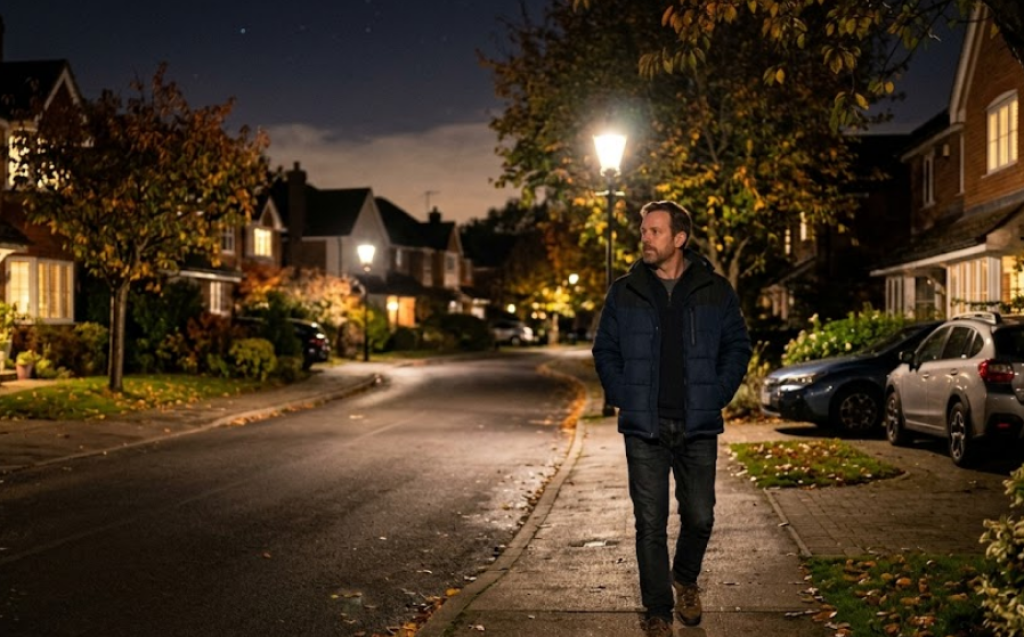
Quick Answer: Does Walking After Eating Lower Blood Sugar?
Yes, walking after meals is one of the most effective ways to flatten your glucose curve. Even light movement—as short as 2 to 10 minutes—can significantly help lower post-meal blood sugar spikes. When you move, your muscles require energy, which they pull directly from the glucose circulating in your bloodstream. This process happens even without a surge of insulin, making it a powerful tool for metabolic stability. While a longer walk provides more benefits, consistency is the real winner here; moving after every major meal can improve your long-term insulin sensitivity and overall energy levels.
Why Walking After Meals Affects Blood Sugar 🔬
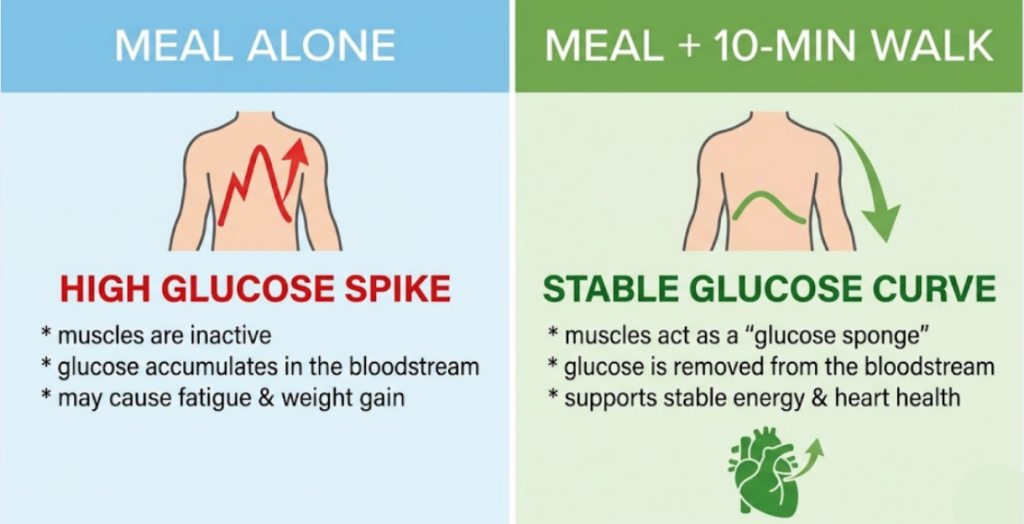
To understand why this works, you have to think of your muscles as a “glucose sponge.” When you eat a meal, especially one high in carbohydrates, your body breaks that food down into sugar (glucose) that enters the bloodstream. Normally, your pancreas releases insulin to usher that sugar into your cells.
However, when you engage in postprandial movement (walking after eating), your skeletal muscles contract. These contractions trigger a mechanism that allows your cells to take up glucose without needing as much insulin. By “sponging up” the sugar to fuel your walk, you ensure that less of it stays circulating in your blood. This doesn’t just lower your current numbers; it prevents the massive “spike and crash” cycle that leads to brain fog and afternoon cravings.
Can a 2-Minute Walk Really Make a Difference? ⏱️
It sounds almost too good to be true. Can you really improve your health in the time it takes to microwave a burrito? A landmark 2022 meta-analysis published in the journal Sports Medicine suggests the answer is a resounding “yes.”
The researchers looked at several studies comparing sitting versus standing and walking. They found that even light-intensity walking for just two to five minutes was enough to significantly modulate blood sugar levels compared to sitting. While it won’t replace a dedicated workout, these “micro-walks” are a game-changer for office workers or anyone with a packed schedule. It proves that the “all or nothing” mentality is the enemy of health; moving just a little bit is infinitely better than doing nothing at all.
Is 10 Minutes Better Than 2? 📊
While two minutes is the “minimum effective dose,” increasing your time can yield better glycemic response results. As you extend the duration of your walk, your muscles stay activated longer, clearing more glucose and potentially burning a few extra calories in the process.
| Walk Duration | Impact on Blood Sugar | Best Use Case |
| 2 Minutes | Blunts the initial “peak” of a glucose spike. | Busy workdays, after small snacks. |
| 10 Minutes | Significantly lowers total post-meal glucose area. | The “Gold Standard” for daily consistency. |
| 15-20 Minutes | Improves insulin sensitivity and aids digestion. | After the heaviest meal of the day (usually dinner). |
In short: 10 minutes is the “sweet spot” for most people. It’s long enough to see a dramatic shift in your blood sugar readings but short enough to fit into almost any lifestyle without feeling like a chore.
When Is the Best Time to Walk After Eating? ⌚
Timing is everything when it comes to managing postprandial glucose. If you wait too long, the spike has already happened; if you go too early, you might interrupt the initial stage of digestion. So, when is the best time to walk after a meal?
The biological “peak” for blood sugar usually occurs between 60 and 90 minutes after you finish eating. However, you want to start your walk before that peak occurs. Research suggests that starting your stroll within 30 minutes of finishing your meal is the most effective strategy. This allows the movement to intercept the rising glucose as it enters the bloodstream. Think of it as “flattening the curve” in real-time. If you wait two hours, the sugar has already done its dance through your system, and the primary metabolic benefit of that specific meal-window is lost.
Should You Walk Fast or Slow After Meals? 🏃♂️
You don’t need to treat your post-dinner stroll like an Olympic event. In fact, light-intensity walking is often superior for glucose control than a high-intensity run immediately after eating.
When you exercise too vigorously right after a meal, your body shunts blood away from your digestive tract and toward your heart and lungs. This can cause cramping or indigestion. For the best glycemic response, aim for a “conversational pace”—one where you can speak in full sentences without gasping for air. The goal isn’t to burn max calories; it’s to keep the muscle glucose uptake active and consistent. Slow, steady movement is enough to trigger the cellular “gates” that let sugar into your muscles, making a casual stroll around the block just as effective as a power walk for sugar management.
Does Walking After Meals Improve Insulin Sensitivity? 🧬
One of the most profound long-term benefits of walking after eating is its impact on insulin resistance. When you are insulin resistant, your cells become “deaf” to the signal of insulin, causing sugar to build up in the blood.
Regular post-meal walking acts as a form of “rehabilitation” for your metabolism. By repeatedly using movement to clear glucose, you reduce the total amount of insulin your pancreas needs to pump out. Over weeks and months, this can lead to improved insulin sensitivity, meaning your body becomes more efficient at handling carbohydrates even when you aren’t walking. For individuals with prediabetes or metabolic syndrome, this simple habit can be a cornerstone of reversing negative trends and restoring metabolic flexibility.
Can Walking After Eating Help Digestion and Bloating? 🎈
While our primary focus is blood sugar, the digestive perks are a massive bonus. Walking stimulates the muscles in your abdomen and speeds up gastric emptying, which is the rate at which food moves from your stomach into the small intestine.
If you struggle with that “heavy” feeling or persistent bloating after dinner, a 10-minute walk can provide mechanical help to get things moving. It helps prevent the fermentation of food in the gut that often leads to gas. Furthermore, for those prone to heartburn, staying upright and moving gently is far better than the “eat and retreat” habit of lying on the couch, which can allow stomach acid to creep back up the esophagus. It’s a win for your glucose and a win for your comfort.
Is Walking After Dinner the Most Effective? 🌙
If you only have time for one walk a day, make it the one after your final meal. For many, dinner is the largest, most carb-heavy meal of the day. It also happens right before our most sedentary period: sitting on the couch for two hours before heading to bed. This combination creates a perfect storm for post-dinner glucose spikes.
When you sleep with elevated blood sugar, it can disrupt your sleep quality and lead to higher fasting glucose levels the next morning. A walking after dinner habit acts as a “metabolic reset.” It clears out the excess sugar from your largest meal before you enter a state of total rest. Studies have shown that evening movement is particularly effective at improving overnight blood sugar stability, making it a key strategy for anyone concerned about metabolic health or waking up with high sugar readings.
Walking After Meals for Weight Loss: Does It Help? ⚖️
It is important to set realistic expectations. If you are asking, “does walking after eating lower blood sugar for weight loss,” the answer is a bit more nuanced than a simple “yes.” A 10-minute walk only burns about 30 to 50 calories—not enough to “cancel out” a heavy dessert.
However, the weight loss benefits are metabolic, not just caloric. By preventing massive insulin spikes, you are keeping your body in a “fat-burning” state rather than a “fat-storage” state. High insulin levels tell your body to store energy; by using movement to manage glucose, you keep insulin lower, which can make it easier to tap into stored fat over time. Additionally, stabilizing your blood sugar helps regulate appetite and prevents the “sugar crash” hunger that often leads to late-night snacking.
Can Walking Replace Diabetes Medication? 💊
This is a critical area for trust-building. While walking after meals is a powerful clinical tool, it is a complementary strategy, not a replacement for medical treatment. For those with Type 2 diabetes or prediabetes, movement can significantly reduce the amount of work your medication has to do, but you should never alter your prescription without consulting your doctor.
Think of walking as “natural medicine.” It works alongside your treatment plan by improving glucose clearance and supporting your body’s natural processes. In some cases, consistent lifestyle changes—including post-meal walking—can lead to a doctor reducing a patient’s dosage, but the walk itself is a partner to your healthcare, not a substitute for it.
Common Mistakes That Reduce Benefits ❌
Are you walking but not seeing the numbers move on your glucose monitor? You might be falling into one of these common traps:
- Walking Too Intensely: If you start sprinting, your body might actually release more glucose (via adrenaline) to fuel the effort. Keep it to a “brisk stroll.”
- Waiting Too Long: If you wait 90 minutes to start, the sugar has already peaked. The best time to walk after a meal is within that first 30-minute window.
- The “One and Done” Fallacy: Walking once a week won’t change your metabolism. It’s the consistency of the “micro-habit” after every major meal that creates lasting insulin sensitivity.
- Ignoring the Meal Quality: You can’t out-walk a poor diet. While the walk helps, it’s a tool to manage a balanced meal, not a “get out of jail free” card for a high-sugar binge.
What the Evidence Suggests vs. What’s Often Overstated 🧐
When we ask, does walking after eating lower blood sugar, it’s easy to get caught up in the “magic pill” narrative. To maintain a conversion-focused trust, we must look at where the science ends and the exaggeration begins.
What Evidence Supports
- The “Blunt” Effect: Studies consistently show that light movement post-meal significantly reduces the “peak” of a glucose spike.
- The 2-Minute Minimum: It is scientifically verified that even very short bouts of movement are better for metabolic health than prolonged sitting.
- Insulin Support: Regular walking helps the body process sugar with less insulin, which is vital for long-term insulin sensitivity.
Claims That May Be Overstated
- “It replaces a workout”: A 10-minute stroll is a metabolic tool, but it doesn’t provide the cardiovascular or strength benefits of a structured exercise routine.
- “It cures diabetes”: Walking is a powerful management tool, but “cure” is a heavy word. It supports health but works best within a broader medical and dietary framework.
- “Intensity doesn’t matter”: While slow is good, if the walk is too slow (a shuffle), you may not trigger enough muscle glucose uptake to see a major change.
Who May Benefit Most From Post-Meal Walking? 👥
While everyone can benefit from a little more movement, certain groups will see the most dramatic changes in their postprandial glucose readings:
- Individuals with Prediabetes: This is a critical window where “flattening the spike” can help prevent the progression to Type 2 diabetes.
- Sedentary Office Workers: If you spend 8 hours a day at a desk, the 2-minute micro-walk is your most important metabolic defense.
- Older Adults: As we age, our bodies naturally become less efficient at clearing glucose. Gentle walking is a low-impact way to maintain glucose clearance.
- People with PCOS: Managing insulin is a key part of hormonal balance, and post-meal movement is a natural way to support that process.
Expert Tips to Get the Most Blood Sugar Benefit 🚀
Want to maximize your results? Follow these simple, actionable tips to turn your walk into a powerful health intervention:
- Target the “Big” Meals: If you can’t walk after every meal, prioritize the one with the most carbohydrates (usually dinner or a heavy lunch).
- Use the 30-Minute Rule: Start moving within 30 minutes of your last bite to catch the glucose rise early.
- Keep it Sustainable: A 5-minute walk you actually do is better than a 30-minute walk you only do once a month.
- Track Your Progress: If you use a continuous glucose monitor (CGM), watch the data. Seeing the curve flatten in real-time is the best motivation.
FAQs 🔍
Does walking after eating lower blood sugar immediately?
Yes, your muscles start using glucose the moment you begin moving, though the most significant impact is seen 30–60 minutes after the meal.
Is 2 minutes of walking enough?
It is enough to make a measurable difference compared to sitting, but 10 to 15 minutes is the “gold standard” for maximum benefit.
Should I walk after every meal?
Ideally, yes. However, walking after your largest meal of the day provides the most “bang for your buck.”
Is walking after dinner best for glucose control?
For many, yes, because it prevents sugar from staying elevated throughout the night while you are inactive.
Can walking after meals help digestion too?
Absolutely. It stimulates GI motility and can help reduce the discomfort of bloating and acid reflux.
Final Verdict: The 10-Minute Metabolic Game-Changer 🏁
So, does walking after eating lower blood sugar? The verdict is a resounding yes. It is one of the simplest, cheapest, and most effective ways to take control of your metabolic health. By turning your muscles into a natural “sugar sponge,” you can blunt spikes, protect your energy levels, and support your long-term wellness.
You don’t need a gym membership or expensive gear. You just need ten minutes and a pair of comfortable shoes. Whether it’s a stroll around the office or a walk through your neighborhood after dinner, your body will thank you for the move.
References
- Advice to Walk After Meals is More Effective for Glycemic Control in Type 2 Diabetes
- Three 15-min Bouts of Moderate Postmeal Walking Significantly Improves 24-h Glycemic Control in Older People at Risk for Impaired Glucose Tolerance
- Taking a walk after eating can help with blood sugar control