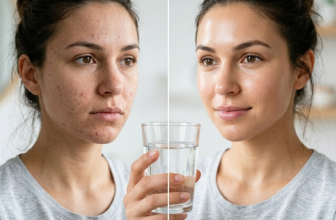
If you have spent even five minutes on skincare TikTok or browsed a dermatologist’s Instagram feed, you have likely heard about the “holy grail” of anti-aging: retinoids. They are praised for everything from erasing fine lines to clearing up stubborn adult acne. But as you start shopping, you will notice two names appearing constantly: retinol and tretinoin. They sound almost identical, and they are both derived from Vitamin A, so it is easy to assume they are just different brands of the same thing. However, using them interchangeably without knowing the facts can lead to a face full of peeling, redness, and frustration. 🧴
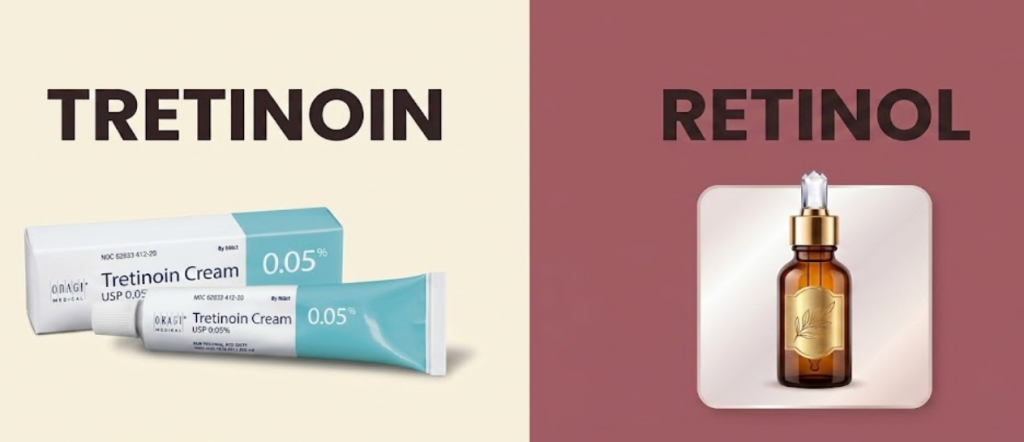
So, is tretinoin the same as retinol? While they belong to the same chemical family, they are definitely not the same. Think of them like a bicycle and a motorcycle. Both will get you to your destination using two wheels, but one has a lot more power under the hood and requires a bit more skill to handle safely. In this guide, we will break down the molecular differences, the results timelines, and the “honest truth” about which one your unique skin actually needs.
Quick Answer: Is Tretinoin the Same as Retinol? 💡
The short answer is no. While both are types of retinoids, they differ significantly in their chemical “readiness” and potency.
- Retinol is a cosmetic ingredient found in over-the-counter (OTC) creams and serums. It is a “precursor” that your skin must slowly convert into active acid.
- Tretinoin (often known by the brand name Retin-A) is a pharmaceutical-grade prescription tretinoin. It is already in its active form, meaning it starts working the second it touches your skin cell receptors.
- The Bottom Line: Tretinoin is roughly 20 times stronger than standard retinol. If retinol is a gentle nudge for your skin cells to behave, tretinoin is a loud megaphone.
What Are Retinoids? 🧬
To understand the difference between retinol and tretinoin, we first need to look at the family tree. All of these compounds fall under the umbrella of retinoids—a group of Vitamin A derivatives that are essentially “skin communicators.”

- Vitamin A Derivatives: These compounds are unique because they can actually “talk” to your skin cells. They encourage old, dead cells to shed faster and prompt the birth of fresh, new cells.
- The Family Hierarchy: The retinoid family includes everything from very weak versions (like retinyl palmitate) to moderate versions (retinol) and high-potency versions (tretinoin and tazarotene).
- Collagen Connection: Regardless of the type, the end goal is the same: to increase collagen production and speed up skin cell turnover. This process is what leads to that famous “retinol glow” and smoother texture.
Retinol vs. Tretinoin: The Real Difference ⚖️
The “real” difference comes down to a biological process called conversion. Your skin can only use one specific form of Vitamin A: retinoic acid.
- The Conversion Path: When you apply retinol, your skin must convert it into retinaldehyde, and then finally into retinoic acid. Every time your skin performs one of these steps, the “strength” of the product is diluted. 📉
- Direct Action: Tretinoin is pure retinoic acid. It doesn’t need to ask permission or wait for a conversion process. It plugs directly into the retinoic acid receptors in your skin cells and gets to work immediately.
- Speed of Results: Because tretinoin skips the “middleman” steps, it produces results much faster. However, this directness is also why it is much more likely to cause the “tretinoin purge” or significant skin irritation and peeling.
- Prescription vs. OTC: Because of this intense potency, tretinoin is regulated as a drug, while retinol is regulated as a cosmetic.
Why Tretinoin Is Much Stronger 💪
When we ask, “is tretinoin stronger than retinol?” the answer isn’t just “yes”—it is a matter of biological directness. To understand the potency, we have to look at how these molecules interact with your DNA.
- Retinoic Acid Receptors: Your skin cells have specific “docking stations” called retinoic acid receptors (RARs). Tretinoin is chemically identical to the retinoic acid your body naturally uses. It fits into these docking stations like a perfect key in a lock. 🔑
- The Potency Gap: Because it doesn’t lose strength through conversion, tretinoin is estimated to be roughly 20 to 100 times more potent than standard over-the-counter retinol. This means a tiny, pea-sized amount of 0.025% tretinoin is far more “active” than a 2% retinol serum.
- Prescription Power: This is why tretinoin (Retin-A) is a regulated medication. Its ability to radically change the way your skin cells function requires professional oversight to ensure you don’t compromise your skin barrier.
How Retinol Works 🐌
If tretinoin is the “express train,” retinol is the “scenic route.” But for many people, the slower pace of retinol effectiveness is actually a massive benefit.
- The Two-Step Dance: When you apply a retinol cream, your skin enzymes must first convert it into retinaldehyde, and then into retinoic acid. 🧬
- Built-in Buffer: This conversion process acts as a natural “time-release” system. Since your skin can only convert so much at once, the delivery of the active ingredient is staggered. This significantly reduces the risk of the dreaded “retinol burn” or extreme skin irritation and peeling.
- Stability Issues: Retinol is notoriously unstable. It is sensitive to air and light, which is why you will see it packaged in opaque, airless pumps. If your retinol is in a clear jar, it likely lost its “magic” before it even reached your bathroom counter.
Results Timeline: Which One Works Faster? ⏳
One of the biggest mistakes in anti-aging skincare is giving up too soon. Whether you choose the prescription or the OTC route, you are playing a long game.
- Tretinoin Results: Because it is already active, you might start to see improvements in acne treatment and skin texture within 6 to 8 weeks. However, the deep collagen production benefits—the kind that soften wrinkles—usually take 3 to 6 months of consistent use.
- Retinol Results: Patience is a virtue here. Since the conversion process is less efficient, it typically takes 12 to 24 weeks (3 to 6 months) to see visible changes in fine lines or hyperpigmentation. 🗓️
- The “Slow and Steady” Rule: It is important to remember that skin cell turnover takes about 28 days for a healthy adult. You need to go through several “cycles” of new cell growth before the cumulative effect becomes visible in the mirror.
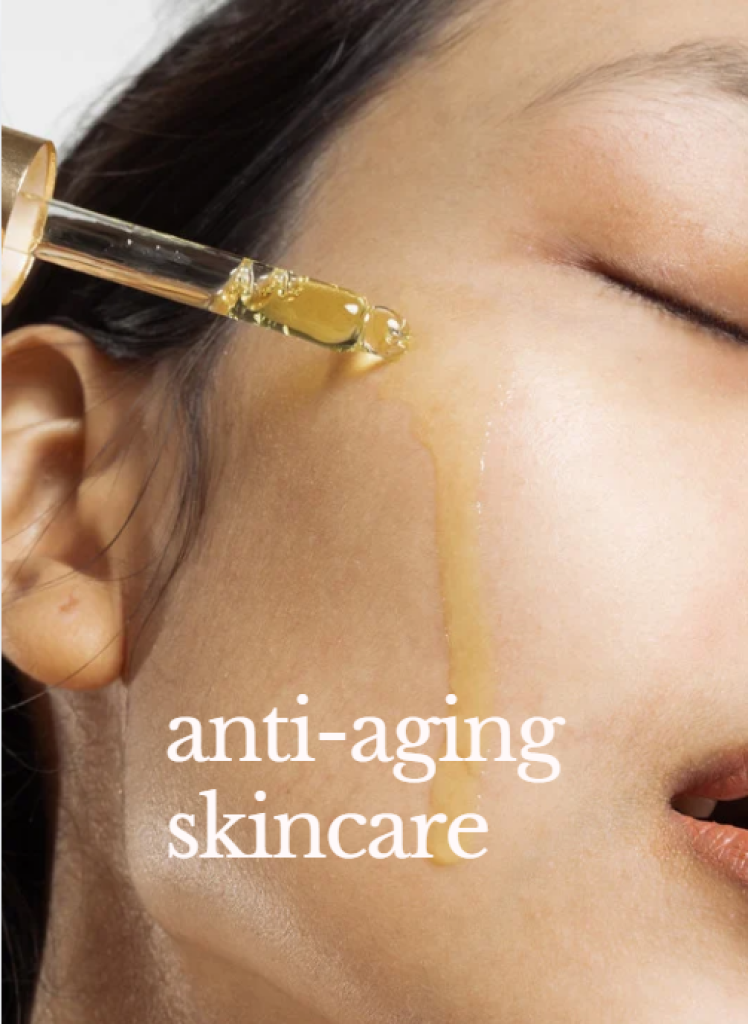
Retinol vs. Tretinoin for Acne: Clearing the Way 🧼
When considering is tretinoin the same as retinol for breakouts, the difference is night and day. While both can help, they operate at different “volumes” within the pore.
- The Tretinoin Powerhouse: Tretinoin was originally FDA-approved as an acne treatment. It works by making the cells inside your pores less “sticky,” which prevents the plugs (comedones) that lead to blackheads and whiteheads. For severe or cystic acne, tretinoin (Retin-A) is often the gold standard because it clears existing clogs and prevents new ones from forming with clinical precision.
- The Retinol Role: Retinol is better suited for very mild acne or as a preventative measure. Because it is gentler, it may take much longer to see a reduction in breakouts. It is often the better choice for someone who suffers from occasional hormonal spots rather than chronic, inflammatory acne.
- Pore Unclogging: Both ingredients increase skin cell turnover, but tretinoin’s direct action means it can “purge” the pores much more aggressively. This leads to faster clearing but a more intense initial breakout phase. 🌋
Retinol vs. Tretinoin for Wrinkles & Anti-Aging 👵✨
This is the category where most people find themselves asking, “is tretinoin the same as retinol?” If you want to erase the signs of time, you need to focus on collagen production.
- Deeper Impact: Tretinoin has decades of peer-reviewed data proving it can actually thicken the deeper layers of the skin (the dermis) by stimulating collagen. It is highly effective at smoothing out “static” wrinkles—the ones that are present even when your face is at rest.
- Surface Refinement: Retinol is excellent at improving skin “radiance” and smoothing out very fine lines. It acts as a wonderful “starter” for younger users (in their late 20s or early 30s) who want to bank collagen before deep wrinkles set in.
- Long-Term Effects: In the long run, both will help you age more gracefully. However, if you are looking to reverse significant sun damage or deep “smoker’s lines,” the prescription-strength tretinoin (Retin-A) is significantly more effective. 📈
Which One Is Better for Sensitive Skin? 🧘♀️
This is a crucial turning point in your skincare journey. Higher strength does not always mean a higher “win” for your face.
- The Case for Retinol: If you have rosacea, eczema, or generally reactive skin, retinol is your best friend. The conversion process we discussed earlier acts as a safety buffer. It allows your skin to get the benefits of Vitamin A without the constant “fire” of irritation.
- The Tretinoin Challenge: Tretinoin can be brutal on sensitive skin. Even at the lowest 0.025% concentration, it can cause the skin barrier to feel raw or “sunburned.” 🥵
- Beginner Advice: Most dermatologists recommend starting with a low-dose retinol to “retinize” your skin—teaching it how to handle Vitamin A—before ever attempting a move to tretinoin.
Side Effects: What No One Tells You 👺
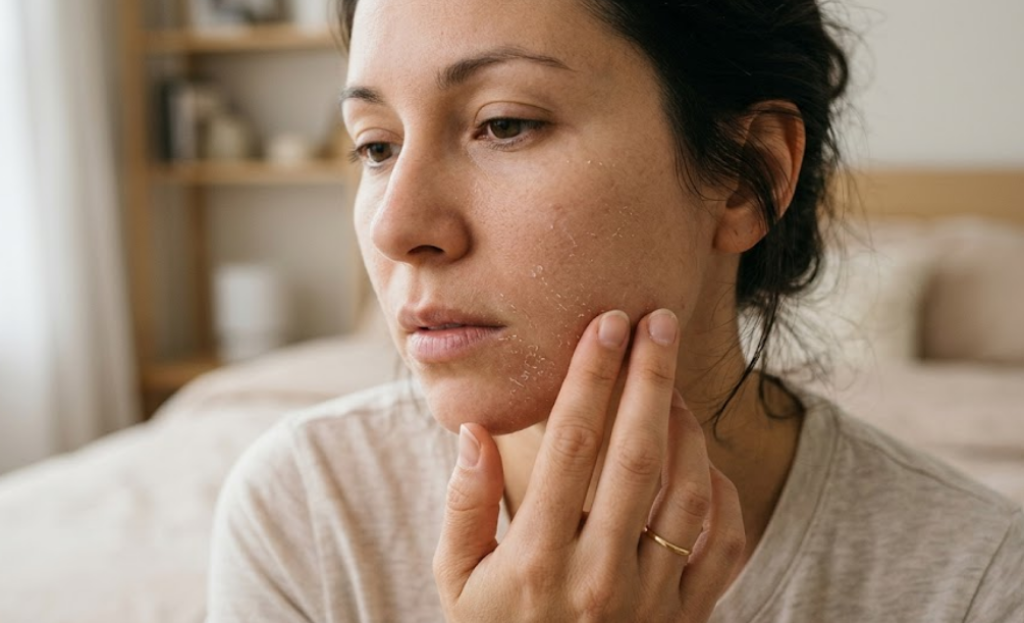
Whether it’s OTC or prescription, you will likely face some tretinoin vs retinol peeling. This is often called the “adjustment period,” and it is where most people quit.
- The Purge: As your cell turnover speeds up, all the gunk hiding under your skin comes to the surface at once. This can lead to a temporary increase in breakouts.
- The Peeling: You might notice “snake skin” around your nose and mouth. This isn’t actually your skin being exfoliated; it is a sign of inflammation and a temporary disruption of your moisture barrier. 🐍
- Redness and “Retinol Burn”: If you use too much, too fast, your skin may become red, itchy, and painful to the touch. Even your regular moisturizer might sting.
- Photosensitivity: Both ingredients make your skin much more vulnerable to the sun. If you aren’t using a high-quality SPF every single morning, you are actually doing more damage than good. ☀️
Can You Use Retinol and Tretinoin Together? 🚫
When people realize that is tretinoin the same as retinol is a “no,” their next thought is often: “Well, can I use both to get double the results?”
The answer is a very firm no.
- The Risk of Over-Exfoliation: Remember, both ingredients are trying to accomplish the same goal: increasing skin cell turnover. If you apply both, you aren’t doubling your results; you are doubling the trauma to your skin. This almost always leads to a compromised skin barrier, extreme skin irritation and peeling, and potentially long-term sensitivity.
- Redundancy: Since tretinoin is already the most powerful form of retinoic acid, adding a weaker retinol on top provides zero extra benefit. It is like trying to light a candle while standing inside a forest fire.
- The “Burn” Factor: Mixing these two—or even using them on alternating nights without proper training—can lead to “retinoid dermatitis,” a painful condition where the skin becomes raw, weeping, and prone to infection. 🚑
Why Tretinoin Requires a Prescription 🩺
You might wonder why you can buy retinol at any drugstore but need a doctor’s note for tretinoin (Retin-A). It comes down to safety and medical oversight.
- Clinical Potency: Because tretinoin is a drug that changes the way your cells function at a DNA level, it can have systemic effects if used incorrectly. A dermatologist needs to assess your skin type to ensure you don’t have underlying conditions, like perioral dermatitis, that tretinoin could worsen.
- The “Teratogenic” Factor: Prescription retinoids are highly regulated because they can be dangerous if used during pregnancy. Having a doctor involved ensures that patients are properly screened and educated on the risks.
- Navigating the Purge: A doctor can provide “buffer” medications, like topical clindamycin or oral antibiotics, to help you get through the initial tretinoin for acne “purge” without permanent scarring. 🏥
How to Switch from Retinol to Tretinoin Safely 🪜
If your skin has hit a plateau with OTC products, you might be ready to switch from retinol to tretinoin. Do not simply swap the bottles and continue your routine. You need a “transition protocol.”
- Phase Out the Retinol: Stop using your retinol completely for 5 to 7 days before starting tretinoin. Your skin needs a “rest” period.
- Start Low and Slow: Even if you used a “high strength” 1% retinol, start with the lowest tretinoin dose (usually 0.025%).
- The “Two-Week” Rule: For the first two weeks, only apply tretinoin twice a week. Monitor for retinol side effects like redness or stinging. Only increase the frequency once your skin feels completely normal.
- The Sandwich Method: This is the “secret sauce” for beginners. Apply a thin layer of moisturizer, then your pea-sized amount of tretinoin, and then another layer of moisturizer. This buffers the entry of the acid without rendering it useless. 🥪
Best Practices for Using Retinoids 🌟
To get the most out of your anti-aging skincare routine while minimizing the “ugly phase,” follow these non-negotiable rules:
- The Pea-Sized Rule: You only need a tiny amount for your entire face. Using more will not give you faster results; it will only give you more tretinoin peeling. 🟢
- Apply to Dry Skin: Never apply retinoids to damp skin. Water speeds up absorption, which sounds good but actually significantly increases the risk of deep irritation.
- Night Use Only: Vitamin A molecules are “photolabile,” meaning they break down and become ineffective when exposed to sunlight. Apply them right before bed for maximum potency.
- The SPF Mandate: This is the most important rule. Retinoids make your skin “photosensitive.” If you use tretinoin at night but skip sunscreen the next morning, you are effectively “burning off” your new, fresh skin cells. ☀️✅
Special Warning: Pregnancy & Retinoids ⚠️
Before you decide that is tretinoin the same as retinol for your routine, there is one absolute “stop sign” you must respect. Whether it is over-the-counter or prescription strength, retinoids are generally considered a “no-go” during pregnancy and breastfeeding.
- The Risk Factor: Oral retinoids (like Accutane) are known to cause significant birth defects. While the amount of Vitamin A absorbed into the bloodstream from topical tretinoin (Retin-A) or retinol is very low, most dermatologists and OB-GYNs follow the “precautionary principle.”
- Doctor Consultation: If you are pregnant, planning to become pregnant, or nursing, you should stop using all retinoids immediately. 🛑
- Safe Alternatives: If you still want the anti-aging benefits, ask your doctor about Bakuchiol or Azelaic Acid. These provide similar skin cell turnover benefits without the risks associated with Vitamin A derivatives.
Honest Truth: Stronger Isn’t Always Better 💡
In our “more is more” culture, it is easy to think that prescription tretinoin is the only way to get real results. However, the “honest truth” of skincare is that consistency beats intensity every single time.
- The Tolerance Threshold: If you use tretinoin but your face is constantly red, peeling, and painful, your skin is in a state of chronic inflammation. This actually accelerates aging rather than stopping it. 👺
- The Retinol Success Story: If your skin loves a gentle 0.5% retinol and you can use it every single night without irritation, you will likely see better results over two years than someone who uses tretinoin once a week and spends the other six days “healing” their skin barrier.
- The Long Game: Skincare is a marathon. Whether you choose retinol vs tretinoin, the goal is to find a strength that your skin can tolerate indefinitely. 🏃♂️
FAQs 💡
Is tretinoin the same as retinol for wrinkles?
No. Tretinoin is significantly more powerful and works deeper in the skin to stimulate collagen production. Retinol is effective for fine lines but takes much longer to show results.
How long does tretinoin take to work?
You may see acne improvement in 6 to 8 weeks, but for anti-aging and wrinkle reduction, you should expect to wait 3 to 6 months of consistent use. ⏳
Does retinol work for deep wrinkles?
Retinol can soften the appearance of fine lines and prevent new wrinkles, but it rarely “erases” deep, established folds. For deep wrinkles, tretinoin or in-office procedures are usually required.
Is tretinoin safe for daily use?
Yes, but only once your skin has been “retinized.” Most people take 3 to 6 months to build up to daily use. If you experience persistent skin irritation and peeling, you should scale back to every other night. ✅
Final Verdict: Which One Should You Choose? 🏁
So, is tretinoin the same as retinol? Clearly, they are distinct tools for different jobs.
- Choose Retinol If: You are a skincare beginner, have sensitive skin or rosacea, or are in your 20s looking for a preventative “glow.” It is accessible, affordable, and low-risk. 🌟
- Choose Tretinoin If: You are dealing with persistent acne, have significant sun damage or deep wrinkles, and your skin is “tough” enough to handle a medical-grade treatment. 🩺
Whichever path you choose, remember that the most expensive cream in the world won’t work if you don’t use it consistently—and it will actually cause damage if you don’t wear your SPF 30 every morning. Start slow, listen to your skin, and enjoy the journey to a smoother, brighter complexion.
Reference:
- Comparison of Retinol and Tretinoin
- Retinol: Cream, Serum, What It Is, Benefits, How To Use
- Tretinoin (topical route) – Side effects & dosage
- Do Retinoids Really Reduce Wrinkles?