
Introduction: What Foods Help Regulate Blood Sugar?
If you’re a diabetic, then chances are, you dream of achieving a stable blood sugar level. Maintaining this is vital for overall health, energy, and well-being. Blood sugar, also known as glucose, serves as the body’s primary energy source. But when levels are too high or too low, it can affect everything from your mood to your energy levels and even your long-term health. For individuals managing diabetes, prediabetes, or simply aiming to lead a balanced lifestyle, understanding what foods help regulate blood sugar is a critical step.
Blood sugar stability is more than just a short-term concern—it plays a significant role in preventing chronic conditions like type 2 diabetes, heart disease, and even certain neurological issues. Balanced levels can enhance focus, reduce fatigue, and support healthy weight management, making it a cornerstone of a vibrant, active life.
Diet is one of the most powerful tools for blood sugar control. The foods you choose directly impact how your body processes glucose, either stabilizing levels or causing rapid fluctuations. Incorporating foods that help regulate blood sugar—such as those high in fiber, protein, and healthy fats—can prevent spikes and crashes, promoting steady energy throughout the day. Making informed choices can set the foundation for a healthier, more balanced lifestyle.
The Science Behind Blood Sugar Regulation

Understanding how blood sugar levels fluctuate can help us make better food choices to maintain stability. Blood sugar spikes occur when glucose levels rise sharply after consuming foods, especially those rich in refined carbohydrates and sugars. This quick surge of glucose provides a short-term energy boost, but it is often followed by a crash as the body works to process the excess sugar. These fluctuations can leave you feeling tired, irritable, or even hungry again shortly after eating.
Glucose plays a vital role in energy production. When you eat, your body breaks down carbohydrates into glucose, which enters your bloodstream and fuels your cells. This process is essential for powering daily activities, from thinking and moving to maintaining basic bodily functions. However, for glucose to be used effectively, the hormone insulin must be present.
Insulin, produced by the pancreas, acts as a key, unlocking cells to allow glucose to enter. Without sufficient insulin or when the body becomes resistant to it, glucose remains in the bloodstream, leading to high blood sugar levels. Over time, this can contribute to complications such as type 2 diabetes.
Your diet plays a pivotal role in how your blood sugar is regulated. Different macronutrients—carbohydrates, proteins, and fats—impact blood sugar levels in distinct ways. Carbohydrates have the most immediate effect, as they are rapidly converted into glucose. Choosing complex carbs, like whole grains, over refined ones can slow this process and prevent spikes.
Proteins, on the other hand, have a stabilizing effect, as they take longer to digest and do not significantly raise blood sugar. Healthy fats, such as those found in nuts and avocados, also slow digestion and promote steadier glucose levels.
By understanding these mechanisms, you can focus on what foods help regulate blood sugar to create meals that promote balance and long-term health.
Low-Glycemic Index Foods
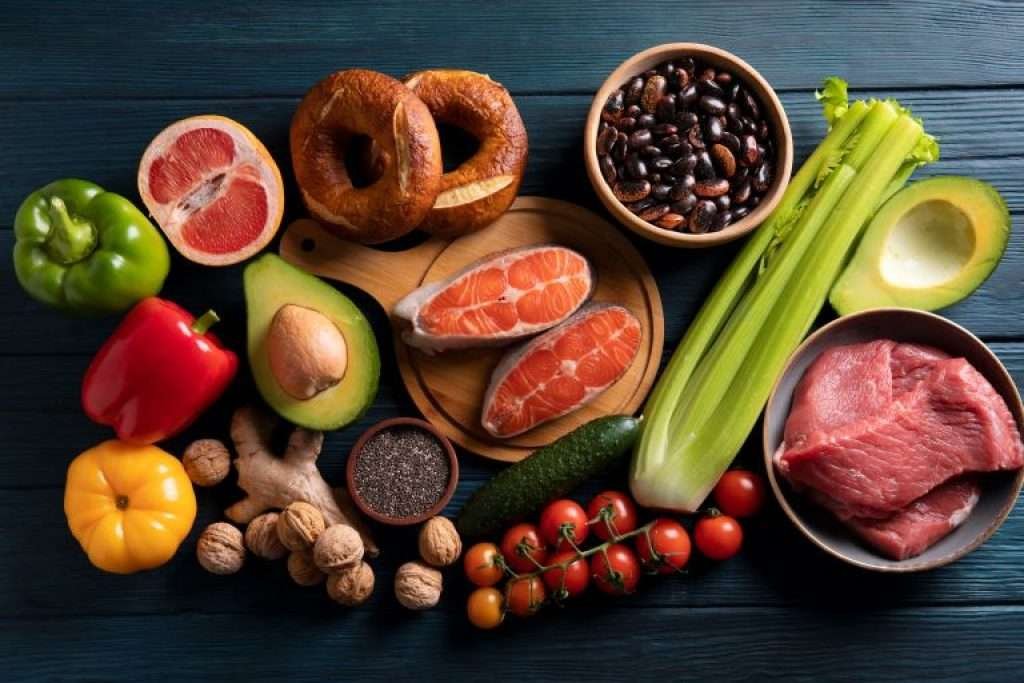
When exploring what foods help regulate blood sugar, understanding the glycemic index (GI) is key. The GI measures how quickly a carbohydrate-containing food raises blood sugar levels. Foods are ranked on a scale from 0 to 100, with higher values indicating that the food causes a rapid spike in blood sugar, while lower values represent a slower, more gradual release of glucose into the bloodstream.
Low-GI foods are beneficial because they help maintain steady blood sugar levels, reduce insulin demand, and prevent the energy crashes associated with high-GI foods. For people with diabetes, prediabetes, or anyone aiming for better blood sugar control, choosing low-GI foods is a practical and effective strategy.
High-GI foods, like white bread, sugary cereals, and candy, are quickly digested and absorbed, leading to sharp blood sugar spikes followed by a rapid drop. This pattern can leave you feeling fatigued, hungry, and more likely to overeat later. In contrast, low-GI foods, such as lentils, chickpeas, and non-starchy vegetables, are digested more slowly, promoting stable blood sugar and sustained energy.
Here are some excellent examples of low-GI foods:
- Lentils and chickpeas: These legumes are high in protein and fiber, which slow digestion and stabilize blood sugar.
- Non-starchy vegetables: Options like broccoli, spinach, zucchini, and bell peppers are low in carbs and rich in nutrients, making them ideal for regulating glucose levels.
- Whole grains: Foods like quinoa, oats, and brown rice have a lower GI compared to refined grains, providing lasting energy.
- Fruits: Berries, apples, and pears are good choices as they are lower on the GI scale and provide fiber.
Incorporating these foods into your meals is simple and delicious. Start by replacing white rice with quinoa or brown rice in your favorite dishes. Add lentils or chickpeas to salads, soups, or stews for a hearty, blood sugar-friendly boost. Make non-starchy vegetables the centerpiece of your meals by roasting or steaming them as a flavorful side. Snack on low-GI fruits like berries paired with a handful of nuts for added healthy fats.
By emphasizing low-GI options, you can create a diet that supports steady energy and long-term blood sugar stability.
High-Fiber Foods: What Foods Help Regulate Blood Sugar?
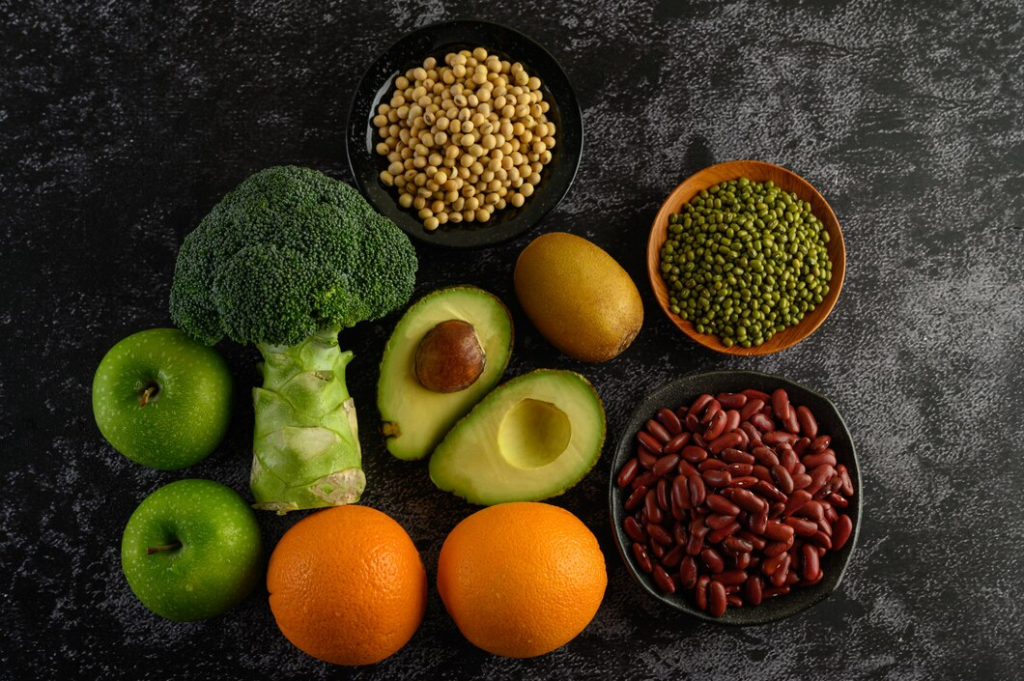
Dietary fiber is a powerful ally in maintaining stable blood sugar levels. Unlike other carbohydrates, fiber is not broken down into glucose, which means it does not cause blood sugar spikes. Instead, it slows digestion and the absorption of sugars into the bloodstream, leading to steadier glucose levels. If you’re looking for what foods help regulate blood sugar, high-fiber options should top your list.
One of the key benefits of fiber is its ability to moderate glucose absorption. Soluble fiber, found in foods like oats, beans, and certain fruits, forms a gel-like substance in the digestive tract that slows the release of sugar into the bloodstream. This helps prevent the rapid blood sugar spikes and crashes that can lead to fatigue and cravings.
Fiber also offers a dual benefit for gut health and appetite control. It feeds beneficial gut bacteria, promoting a healthier microbiome, which is increasingly linked to improved blood sugar regulation. Additionally, fiber adds bulk to meals, helping you feel fuller for longer, reducing the likelihood of overeating or snacking on less healthy options.
Here are some of the best high-fiber foods to include in your diet:
- Whole grains: Quinoa, oats, barley, and brown rice are excellent sources of fiber.
- Beans and lentils: Black beans, chickpeas, and lentils are not only rich in fiber but also provide protein for added blood sugar stability.
- Berries: Blueberries, raspberries, and blackberries are low-GI fruits packed with fiber and antioxidants.
- Vegetables: Non-starchy vegetables like broccoli, spinach, carrots, and Brussels sprouts are fiber-rich and low in calories.
Increasing your fiber intake doesn’t have to be challenging. Here are some tips to ease the transition:
- Start slow: Gradually add more fiber to your diet to avoid digestive discomfort.
- Hydrate well: Drink plenty of water to help fiber move through your digestive system.
- Swap refined carbs for whole grains: Replace white bread and pasta with whole-grain alternatives.
- Include fiber at every meal: Add vegetables to your plate, toss beans into soups, and snack on nuts or fruit.
By focusing on high-fiber foods, you’ll naturally incorporate what foods help regulate blood sugar into your diet, supporting better energy, appetite control, and long-term health.
Protein-Packed Choices: What Foods Help Regulate Blood Sugar?

Protein is an essential nutrient for stabilizing blood sugar levels and maintaining overall health. Unlike carbohydrates, protein does not cause rapid spikes in blood sugar. Instead, it slows digestion, which helps regulate the release of glucose into the bloodstream. If you’re wondering what foods help regulate blood sugar, incorporating protein into your meals is a smart strategy.
One of the key roles of protein is its ability to buffer blood sugar spikes, especially when consumed with carbohydrates. For example, pairing whole-grain bread with eggs or a piece of fruit with Greek yogurt slows the breakdown of carbs, preventing rapid increases in glucose levels. This combination provides longer-lasting energy and reduces hunger, making it easier to manage blood sugar throughout the day.
It’s also important to focus on lean and plant-based protein sources. These options provide the benefits of protein without excessive saturated fats or calories, which can negatively impact overall health. Plant-based proteins, in particular, are rich in fiber and other nutrients that further support blood sugar control.
Here are some excellent examples of protein-rich foods to include in your diet:
- Eggs: A versatile, high-quality protein source that’s low in carbs and easy to prepare.
- Greek yogurt: Packed with protein and probiotics, it’s a great choice for breakfast or snacks.
- Chicken and fish: Lean cuts of chicken and fatty fish like salmon or mackerel provide both protein and healthy fats.
- Tofu and tempeh: Plant-based, high-protein options that are perfect for stir-fries, salads, or soups.
- Legumes: Beans, lentils, and chickpeas are rich in both protein and fiber, making them ideal for blood sugar control.
Incorporating these protein-packed foods into your diet is easy. Start your day with a protein-rich breakfast like an omelet with vegetables or a bowl of Greek yogurt topped with berries and nuts. For lunch or dinner, include lean meats, fish, or plant-based proteins alongside non-starchy vegetables and whole grains.
By emphasizing protein in your meals and snacks, you can create balanced dishes that naturally include what foods help regulate blood sugar. This approach helps manage hunger, supports steady energy levels, and contributes to long-term health.
Healthy Fats and Their Role: What Foods Help Regulate Blood Sugar?

Healthy fats play a crucial role in managing blood sugar levels and overall metabolic health. They don’t directly affect blood sugar because fats are digested slowly, but their presence in a meal can slow down the absorption of carbohydrates. This helps stabilize glucose release into the bloodstream, reducing blood sugar spikes and crashes. If you’re exploring what foods help regulate blood sugar, don’t overlook the importance of healthy fats.
Beyond stabilizing blood sugar, healthy fats also reduce inflammation and improve insulin sensitivity, both of which are vital for long-term blood sugar control. Chronic inflammation can impair insulin’s ability to regulate glucose effectively, leading to higher blood sugar levels. By incorporating anti-inflammatory fats into your diet, you support better metabolic function and overall health.
Here are some excellent sources of healthy fats:
- Avocado: Packed with monounsaturated fats, fiber, and nutrients, avocado is a versatile addition to any meal.
- Nuts: Almonds, walnuts, and pistachios provide healthy fats, protein, and fiber for blood sugar balance.
- Seeds: Chia seeds, flaxseeds, and sunflower seeds offer omega-3 fatty acids and other beneficial nutrients.
- Olive oil: A cornerstone of the Mediterranean diet, olive oil is rich in heart-healthy fats and antioxidants.
- Fatty fish: Salmon, mackerel, and sardines are high in omega-3 fatty acids, which reduce inflammation and improve insulin sensitivity.
To incorporate these foods, try drizzling olive oil over salads, adding avocado to sandwiches, or snacking on a handful of nuts. Include fatty fish like salmon in your weekly meals for a dose of omega-3s. Adding seeds to yogurt, oatmeal, or smoothies is another easy way to boost your intake of healthy fats.
By including healthy fats in your diet, you enhance the effectiveness of what foods help regulate blood sugar while supporting heart health, reducing inflammation, and promoting overall well-being.
Foods to Avoid for Stable Blood Sugar
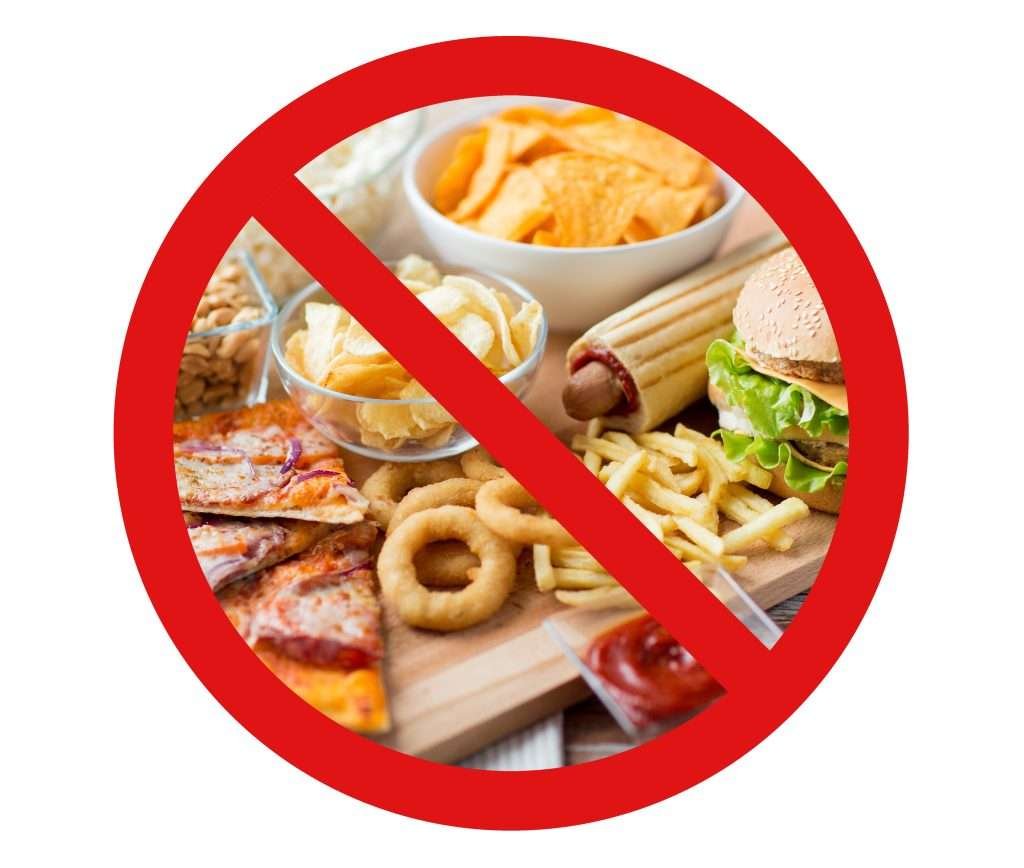
While focusing on what foods help regulate blood sugar is important, it’s equally crucial to identify foods that can destabilize blood sugar levels. High-GI foods and added sugars are the primary culprits. These include white bread, sugary cereals, desserts, and other refined carbohydrate-heavy items. They are rapidly digested and absorbed, leading to sudden blood sugar spikes followed by energy crashes. Over time, these fluctuations strain the body’s insulin production and increase the risk of type 2 diabetes.
Processed snacks and sugary beverages are another category to avoid. Chips, soda, candy, and packaged baked goods often contain hidden sugars and unhealthy fats, making them detrimental to both blood sugar control and overall health. Regular consumption of these foods can contribute to insulin resistance, a condition where the body’s cells don’t respond effectively to insulin, further exacerbating blood sugar issues.
To maintain stable blood sugar, limit these foods in your diet and replace them with nutrient-dense alternatives like whole grains, fruits, vegetables, and protein-rich snacks.
Practical Tips for a Blood Sugar-Friendly Diet
- Combine macronutrients for balanced meals: Pair carbohydrates with protein or healthy fats. For instance, add avocado to whole-grain toast or pair an apple with peanut butter. This combination slows glucose absorption, keeping blood sugar stable.
- Plan ahead for snacks and meals: Batch cook meals with blood sugar-friendly ingredients like lentils, vegetables, and lean proteins. Keep portable snacks like nuts, Greek yogurt, or low-GI fruits on hand to avoid reaching for processed options.
Conclusion
Maintaining stable blood sugar is about balance and consistency. Incorporating key food groups—such as low-GI foods, high-fiber options, protein sources, and healthy fats—lays the foundation for better glucose control and long-term health.
Start small: replace refined carbs with whole grains, swap sugary drinks for water or herbal teas, and add more vegetables to your meals. Gradual changes are more sustainable and easier to maintain over time.
Remember, every individual’s nutritional needs are unique. Consult a healthcare professional for personalized advice tailored to your health goals. By focusing on what foods help regulate blood sugar, you can create a diet that supports energy, well-being, and a healthier future.
FAQ: What Foods Help Regulate Blood Sugar?
Q: What are the best foods to regulate blood sugar?
A: The best foods to regulate blood sugar include low-glycemic index (GI) options like lentils, chickpeas, non-starchy vegetables, and whole grains. High-fiber foods such as beans, berries, and leafy greens, as well as protein-rich foods like eggs, Greek yogurt, and lean meats, also help stabilize blood sugar. Healthy fats from sources like avocado, nuts, seeds, and fatty fish further support blood sugar control.
Q: How does fiber help in regulating blood sugar?
A: Fiber slows the digestion and absorption of carbohydrates, preventing rapid blood sugar spikes. It also promotes satiety, reduces hunger, and supports gut health, which can improve overall blood sugar management.
Q: Can healthy fats really impact blood sugar levels?
A: Yes, healthy fats like those found in olive oil, avocado, and nuts slow digestion and stabilize glucose release into the bloodstream. Additionally, they reduce inflammation and improve insulin sensitivity, both of which are crucial for blood sugar regulation.
Q: Why should I avoid high-GI foods?
A: High-GI foods like white bread, sugary cereals, and desserts cause rapid blood sugar spikes followed by crashes. Over time, these fluctuations can lead to insulin resistance, weight gain, and an increased risk of type 2 diabetes.
Q: Is it okay to snack if I’m trying to regulate my blood sugar?
A: Yes, snacking can help maintain stable blood sugar levels if you choose the right foods. Opt for balanced snacks that combine protein, healthy fats, and low-GI carbs, such as Greek yogurt with berries or a handful of nuts with an apple.
Q: Can I eat fruit if I’m watching my blood sugar?
A: Absolutely! Low-GI fruits like berries, apples, and pears are excellent choices. They provide natural sweetness, fiber, and essential vitamins without causing significant blood sugar spikes.
By making thoughtful choices and understanding what foods help regulate blood sugar, you can maintain energy, manage cravings, and support long-term health.