
Introduction
Managing diabetes effectively starts with what you put on your plate. The right diet plays a crucial role in controlling blood sugar levels, improving overall health, and even preventing complications associated with diabetes. Food choices have a direct impact on glucose levels, making it essential for individuals with diabetes to pay close attention to their meals.
Globally, diabetes has become a significant health challenge, with millions diagnosed yearly. According to recent studies, nearly 1 in 10 adults worldwide live with diabetes, and the numbers are rising. While medication and exercise are vital components of diabetes management, diet control remains one of the most powerful tools for stabilizing blood sugar naturally. By understanding the connection between diet and diabetes, individuals can make informed choices to lead healthier lives.
This guide provides everything you need to know about how to control diabetes with diet. We’ll explore the connection between food and blood sugar, highlight the best foods to include, and identify those to avoid. You’ll also discover practical meal planning tips and long-term strategies for maintaining a balanced diet. Whether you’re managing diabetes yourself, supporting a loved one, or aiming to prevent the condition, this article offers actionable advice to help you take control of your health.
Stay tuned for insights that will empower you to make smarter food choices and manage diabetes with confidence.
Understanding Diabetes and Diet

The Relationship Between Diet and Blood Sugar Levels
Your diet has a direct impact on blood sugar levels, making it a cornerstone of learning how to control diabetes with diet. Among the key nutrients, carbohydrates have the most significant effect on glucose levels because they break down into sugar during digestion. Foods high in refined carbs, like white bread and sugary snacks, can cause rapid spikes in blood sugar, which are especially problematic for individuals with diabetes.
On the other hand, proteins and fats play a stabilizing role. Protein-rich foods like lean meat, eggs, and legumes help slow the absorption of sugar, reducing the likelihood of sharp blood sugar fluctuations. Healthy fats, such as those found in nuts, seeds, and avocados, also contribute to satiety and balance glucose levels, making them an essential part of a diabetes-friendly diet.
A crucial concept in understanding how to control diabetes with diet is the glycemic index (GI). This system ranks carbohydrates based on how quickly they raise blood glucose levels. Low-GI foods, like whole grains, lentils, and non-starchy vegetables, release glucose more slowly, leading to steadier energy levels and improved blood sugar control. High-GI foods, such as white rice and sugary cereals, should be limited because they cause rapid increases in glucose.
By focusing on low-GI foods and balancing meals with adequate protein and healthy fats, individuals can create a diet that not only controls diabetes but also supports long-term health. Knowing which foods impact your blood sugar—and how—can empower you to make informed, effective dietary choices.
Types of Diabetes and Dietary Implications
To fully grasp how to control diabetes with diet, it’s essential to understand the different types of diabetes and their unique dietary needs.
- Type 1 Diabetes: This autoimmune condition occurs when the body produces little to no insulin. For individuals with Type 1 diabetes, managing carbohydrate intake is crucial to avoid blood sugar spikes. Pairing carbs with proteins or healthy fats and focusing on low-GI foods can help stabilize glucose levels.
- Type 2 Diabetes: Often linked to lifestyle factors, Type 2 diabetes results from insulin resistance. A diet rich in high-fiber foods, healthy fats, and low-GI carbohydrates can improve insulin sensitivity and help regulate blood sugar. Portion control and weight management are especially important for individuals with this type.
- Gestational Diabetes: This type occurs during pregnancy and typically resolves after delivery. However, it requires careful monitoring to ensure a healthy pregnancy. Pregnant individuals should focus on nutrient-dense, low-GI foods and smaller, frequent meals to maintain steady blood sugar levels.
By tailoring dietary choices to the type of diabetes, individuals can better manage their condition and maintain overall health.
Foods to Include in a Diabetes-Friendly Diet
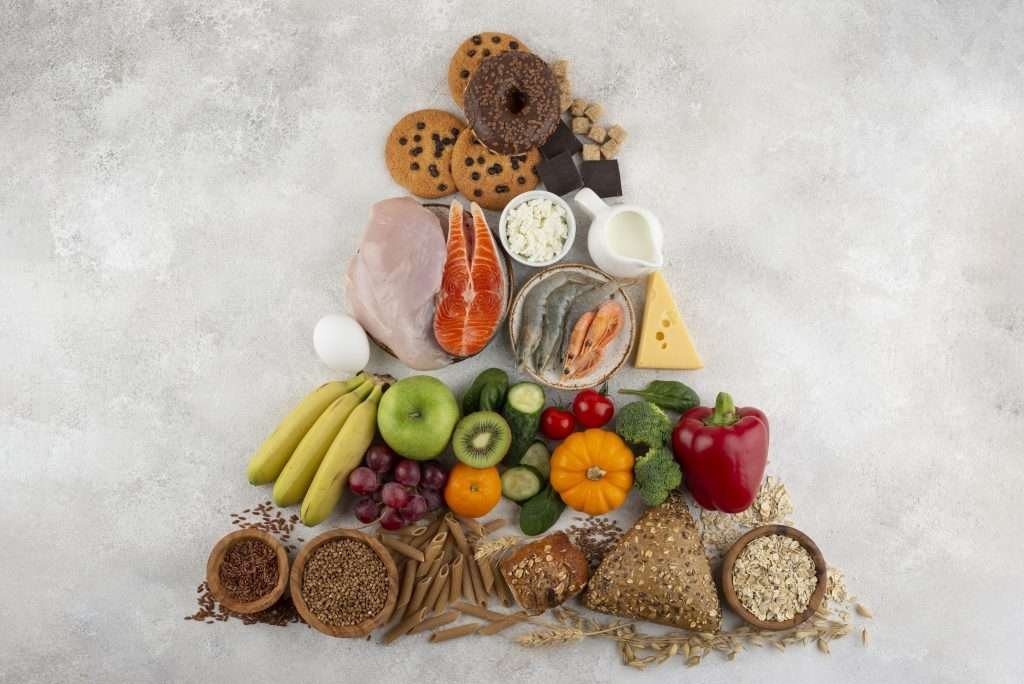
Knowing which foods to include is a vital step in learning how to control diabetes with diet. Here are some key food groups that support blood sugar management:
Low-Glycemic Index (GI) Foods
Glyemic index is the measure of how fast a food can increase your blood glucose. Low-GI foods are slowly digested, leading to a gradual rise in blood sugar. Incorporating these into meals provides steady energy and reduces the risk of glucose spikes.
- Examples: Whole grains (like quinoa and brown rice), legumes (such as lentils and chickpeas), and non-starchy vegetables (e.g., spinach, broccoli, and zucchini).
- Benefits: These foods keep blood sugar levels stable and can improve long-term glucose control.
High-Fiber Foods
Fiber is a powerful ally for diabetes management. It slows digestion, helps regulate blood sugar, and promotes satiety.
- Examples: Leafy greens (e.g., kale and Swiss chard), berries (like blueberries and raspberries), and nuts (such as almonds and walnuts).
- Benefits: Fiber not only supports blood sugar control but also aids in maintaining a healthy weight, which is critical for managing Type 2 diabetes.
Healthy Fats and Proteins
Healthy fats and proteins provide essential nutrients without causing significant blood sugar fluctuations.
- Examples: Fatty fish (like salmon and mackerel), seeds (e.g., chia and flax), tofu, eggs, and avocados.
- Importance: These foods support energy levels, improve satiety, and enhance overall metabolic health.
Hydration and Beverages
Proper hydration is often overlooked but is critical in diabetes management.
- Best Choices: Water and unsweetened teas (like green tea or herbal blends).
- To Avoid: Sugary drinks, such as soda, sweetened juices, and energy drinks, as they can cause rapid blood sugar spikes.
Including these food groups in your daily meals helps create a balanced diet that promotes steady blood sugar control and overall health. By making informed food choices, you can take charge of your condition and enjoy a variety of delicious, diabetes-friendly meals. This is one of the key components when considering how to control diabetes with diet.
Foods to Avoid or Limit
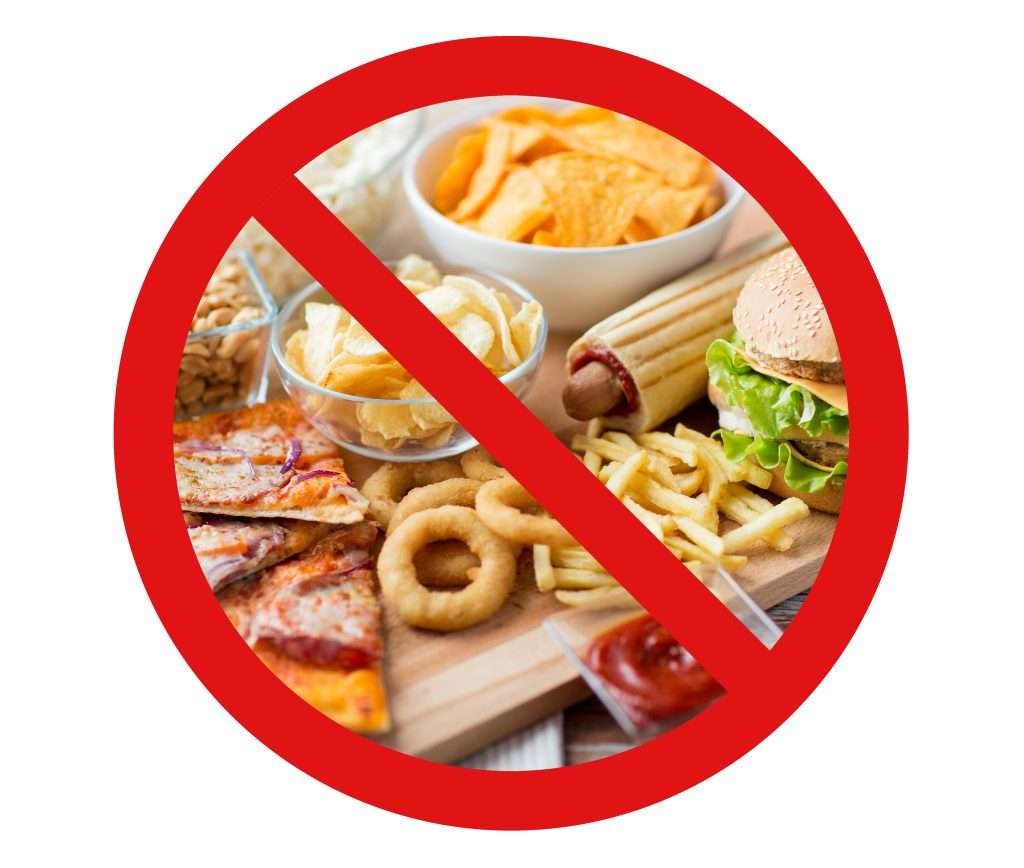
When learning how to control diabetes with diet, understanding which foods to avoid is as important as knowing what to include. Certain foods can significantly disrupt blood sugar levels and contribute to complications. Here are the main categories to limit or eliminate:
Refined Carbohydrates and Sugary Snacks
Refined carbs and sugary treats are among the worst offenders for individuals with diabetes.
- Examples: White bread, pastries, candy, sugary cereals, and desserts.
- Impact: These foods are quickly digested, causing rapid spikes in blood sugar levels. Over time, frequent consumption can lead to poor glucose control and an increased risk of complications like nerve and kidney damage.
Instead, opt for whole grains and natural sweeteners in moderation to satisfy cravings without the sugar surge.
Trans Fats and Processed Foods
Trans fats, commonly found in processed and packaged foods, are harmful not just for diabetics but for overall health.
- Examples: Fried snacks, margarine, microwave popcorn, and many commercial baked goods.
- Impact: Trans fats increase insulin resistance and raise bad cholesterol levels, worsening heart health—a critical concern for those with diabetes.
Choose healthier fats like olive oil, avocado, or nuts, which provide essential nutrients without harming blood sugar control.
High-Sodium Foods
Excess sodium intake is linked to high blood pressure, which often coexists with diabetes and increases the risk of cardiovascular complications.
- Examples: Packaged soups, chips, processed meats, and fast food.
- Risk: High sodium can elevate blood pressure, straining the heart and kidneys, which are already vulnerable in diabetics.
To reduce sodium, opt for fresh, home-cooked meals flavored with herbs and spices instead of salt.
By avoiding these food categories, you can minimize blood sugar spikes, reduce health risks, and better manage your condition. Small, consistent changes in your diet can lead to significant improvements in your overall health and well-being. Understanding this concept is an important component of how to control diabetes with diet.
Creating a Diabetes-Friendly Meal Plan

Designing a diabetes-friendly meal plan is a vital step in learning how to control diabetes with diet. A well-structured plan helps maintain stable blood sugar levels, provides essential nutrients, and supports long-term health goals.
Balanced Meals and Portion Control
The key to effective diabetes management lies in creating balanced meals with proper portion sizes. The plate method is a simple and effective strategy:
- Fill half of your plate with non-starchy vegetables, such as spinach, broccoli, or zucchini.
- Reserve a quarter of your plate for lean proteins, like grilled chicken, fish, tofu, or legumes.
- Use the remaining quarter of your plate for whole grains or starchy vegetables, such as quinoa, brown rice, or sweet potatoes.
Portion Sizes:
- Protein: About the size of your palm (3-4 ounces).
- Carbohydrates: Roughly the size of a tennis ball (1/2 cup).
- Vegetables: Unlimited for non-starchy options.
Controlling portions helps prevent overeating, which can lead to blood sugar spikes and weight gain.
Meal Timing and Blood Sugar Impact
Consistency in meal timing is critical for managing diabetes. Eating at the same times daily helps regulate blood sugar and prevents dramatic fluctuations. This is vital when learning about how to control diabetes with diet
Tips for Meal Timing:
- Space meals and snacks evenly, eating every 3–4 hours.
- Avoid skipping meals, as this can lead to low blood sugar and overeating later.
- Opt for smaller, frequent meals to maintain stable energy levels and prevent post-meal glucose spikes.
Sample 3-Day Meal Plan
Here’s an example of a balanced, diabetes-friendly 3-day meal plan:
Day 1
- Breakfast: Scrambled eggs with spinach and a slice of whole-grain toast.
- Snack: A small handful of almonds and a piece of string cheese.
- Lunch: Grilled chicken salad with mixed greens, cherry tomatoes, cucumbers, and olive oil dressing.
- Snack: A small apple with a tablespoon of peanut butter.
- Dinner: Baked salmon, quinoa, and steamed asparagus.
Day 2
- Breakfast: Greek yogurt (unsweetened) topped with blueberries and chia seeds.
- Snack: Sliced cucumbers with hummus.
- Lunch: Lentil soup with a side of whole-grain crackers.
- Snack: A boiled egg and a few baby carrots.
- Dinner: Grilled turkey burger (lettuce wrap) with a side of roasted sweet potatoes.
Day 3
- Breakfast: Oatmeal with a sprinkle of cinnamon, chopped walnuts, and a few fresh strawberries.
- Snack: A small handful of mixed nuts.
- Lunch: Grilled tofu stir-fry with broccoli, bell peppers, and brown rice.
- Snack: Half an avocado with a dash of lemon juice.
- Dinner: Roasted chicken breast, mashed cauliflower, and sautéed green beans.
This structured approach, emphasizing balanced meals, consistent timing, and variety, provides a solid foundation for managing blood sugar while enjoying a wide range of flavors.
Tips for Long-Term Success

Achieving and maintaining blood sugar control through diet requires commitment and smart strategies. Here are some practical tips to ensure long-term success when learning how to control diabetes with diet:
Mindful Eating Practices
Being present while eating can greatly improve dietary habits.
- Eat Slowly: Take time to enjoy each bite, which allows your brain to catch up with your stomach and prevents overeating.
- Pay Attention to Hunger Cues: Eat when you’re genuinely hungry, and stop when you’re comfortably full. Avoid eating out of boredom or stress by finding alternative activities like walking or journaling.
Reading Food Labels Effectively
Understanding food labels is essential for making informed choices.
- Focus on the carbohydrates section, as carbs have the most impact on blood sugar.
- Check the sugar content and opt for foods with little to no added sugars.
- Look for fiber content—higher fiber is better for slowing glucose absorption.
Being diligent about reading labels can help you avoid hidden sugars and unhealthy ingredients.
Using Sugar Substitutes Wisely
Artificial sweeteners and natural sugar substitutes can be useful tools for managing diabetes, but moderation is key.
- Examples: Stevia, erythritol, or monk fruit extract are excellent low-carb alternatives to sugar.
- Avoid Overuse: Relying too much on sugar substitutes may desensitize your palate and keep cravings for sweetness alive. Gradually reduce your need for sweetened foods over time.
Staying Motivated and Consistent
Staying on track requires a combination of planning and positive reinforcement. Consistency is key when you’re considering how to control diabetes with diet.
- Set Small Goals: Start with manageable changes, like swapping sugary drinks for water or adding an extra serving of vegetables to your meals.
- Track Progress: Use a journal or app to monitor your meals and glucose levels.
- Seek Support: Share your goals with family, join support groups, or work with a dietitian for encouragement and accountability.
Conclusion
Managing diabetes effectively begins with understanding how to control diabetes with diet. This guide has covered essential topics, from the best foods to include and those to avoid, to meal planning and tips for long-term success.
Diet plays a pivotal role in stabilizing blood sugar, preventing complications, and enhancing overall well-being. By making gradual, sustainable changes, such as focusing on balanced meals, mindful eating, and consistent meal timing, you can take charge of your health and feel empowered in your diabetes journey.
Start small and stay consistent. Even modest changes can yield significant improvements over time. For personalized advice tailored to your unique needs, consider consulting a registered dietitian or healthcare provider. Take the first step today—your health is worth it!
Frequently Asked Questions (FAQs): How to Control Diabetes with Diet
1. What is the best diet for controlling diabetes?
The best diet for diabetes emphasizes whole, minimally processed foods that stabilize blood sugar levels. Focus on low-glycemic index (GI) carbohydrates, high-fiber foods, lean proteins, and healthy fats. Incorporating non-starchy vegetables, whole grains, legumes, and foods rich in omega-3 fatty acids (like salmon) can help. Limiting refined carbs, sugary snacks, and trans fats is equally important.
2. Can I eat carbs if I have diabetes?
Yes, you can eat carbohydrates, but it’s essential to choose the right ones and control portion sizes. Opt for complex carbs like whole grains, legumes, and vegetables, which have a lower glycemic index and release sugar slowly into the bloodstream. Avoid refined carbs such as white bread, pastries, and sugary cereals, as they cause rapid blood sugar spikes.
3. Are fruits safe for people with diabetes?
Fruits are generally safe for people with diabetes, but it’s best to choose those with a low glycemic index and consume them in moderation. Examples include berries, cherries, apples, and pears. Avoid fruit juices and dried fruits, as they are concentrated sources of sugar and can lead to spikes in blood sugar levels.
4. How can I manage diabetes while eating out?
Managing diabetes while eating out requires a little planning:
- Choose Wisely: Opt for grilled, baked, or steamed dishes instead of fried foods.
- Control Portions: Share meals or ask for a to-go box to manage portion sizes.
- Balance Meals: Ensure your plate has a good mix of vegetables, lean proteins, and healthy carbs.
- Avoid Sugary Drinks: Stick to water, unsweetened tea, or coffee.
5. Are sugar substitutes safe for diabetes management?
Yes, sugar substitutes like stevia, erythritol, and monk fruit extract are generally safe and can help satisfy sweet cravings without affecting blood sugar significantly. However, it’s essential to use them in moderation to maintain a balanced palate and reduce overall dependence on sweetened foods.
6. How does meal timing affect blood sugar levels?
Consistent meal timing helps maintain stable blood sugar levels by preventing extreme highs and lows. Eating smaller, evenly spaced meals every 3–4 hours can regulate glucose levels, improve energy, and reduce the risk of overeating later. Skipping meals can lead to dangerous drops in blood sugar (hypoglycemia) or subsequent spikes when you overeat to compensate.
7. What foods should diabetics avoid completely?
Foods that diabetics should avoid or limit include:
- Refined carbs like white bread, pastries, and sugary cereals.
- Sugary snacks and beverages like candy, soda, and sweetened coffee drinks.
- Trans fats found in processed snacks, margarine, and fast food.
- High-sodium foods like processed meats, canned soups, and chips.
8. Can losing weight help with diabetes management?
Yes, weight loss, especially in individuals with Type 2 diabetes, can significantly improve insulin sensitivity and blood sugar control. Even modest weight loss (5–10% of body weight) can lead to measurable health benefits. A combination of a healthy diet, regular exercise, and mindful eating can support weight management.
9. Is it okay to skip meals if my blood sugar is high?
Skipping meals is not recommended, even if your blood sugar is high. Doing so can lead to inconsistent glucose levels and may cause overeating later. Instead, eat a balanced, low-carb meal with fiber, healthy fats, and protein to help bring blood sugar down steadily.
10. How can I stay motivated to maintain a diabetes-friendly diet?
Staying motivated involves setting realistic goals, tracking your progress, and celebrating small wins. Involve friends or family for support, try new recipes to keep meals interesting, and work with a dietitian to create a personalized, enjoyable plan. Consistency is key—focus on long-term lifestyle changes rather than quick fixes.