
Introduction: Why Insulin Sensitivity Matters
Insulin sensitivity is a critical component of your overall health and well-being. It refers to how effectively your body’s cells respond to insulin—a hormone that helps regulate blood sugar levels. When your cells are highly sensitive to insulin, your body can efficiently use glucose for energy, keeping blood sugar levels stable. On the other hand, low insulin sensitivity, often called insulin resistance, makes it harder for glucose to enter your cells. This can lead to elevated blood sugar levels, putting you at risk for serious health problems.
One of the most common consequences of poor insulin sensitivity is prediabetes, a condition where blood sugar levels are higher than normal but not yet in the diabetes range. If left unmanaged, this can progress to Type 2 diabetes, a chronic condition linked to a range of complications like nerve damage, kidney issues, and vision problems. Beyond diabetes, poor insulin sensitivity is associated with weight gain, chronic inflammation, and even cardiovascular diseases.
The good news? You can improve insulin sensitivity naturally! By making strategic changes to your diet, exercise routine, and lifestyle, you can optimize your body’s ability to use insulin effectively.
In this article, you’ll discover natural ways to improve insulin sensitivity using science-backed strategies. From eating insulin-friendly foods to incorporating the right exercises and adopting better sleep habits, we’ll cover everything you need to know to take charge of your health. Whether you’re managing prediabetes, aiming to boost energy levels, or simply looking to prevent long-term health issues, this guide will provide you with actionable steps to get started.
Let’s dive in and explore how you can unlock the benefits of improved insulin sensitivity for a healthier, more vibrant life!
Signs of Poor Insulin Sensitivity

Recognizing the signs of poor insulin sensitivity is crucial for addressing the issue early and preventing long-term health problems. While some symptoms are obvious, others can be subtle, making it important to pay attention to your body and seek professional advice when needed.
Common Symptoms
When your insulin sensitivity is low, your body struggles to regulate blood sugar effectively, leading to a variety of symptoms. Fatigue is one of the most noticeable, as your cells are unable to efficiently use glucose for energy. This often pairs with frequent hunger, as your body signals for more fuel to make up for the energy shortfall.
Weight gain, particularly around the midsection, is another common sign. Insulin resistance promotes fat storage, especially in the abdominal area. You may also experience brain fog, making it harder to concentrate or remember things. If unchecked, high blood sugar levels can develop, which may manifest as increased thirst, frequent urination, or even blurred vision.
Early Warning Signs
Some clues of poor insulin sensitivity are more subtle. For instance, you might notice difficulty losing weight despite regular exercise and a healthy diet. Feeling sluggish or unusually tired after meals, particularly those high in carbohydrates, can also be an early indicator. These signs often go unnoticed but can signal the beginning stages of insulin resistance.
Professional Diagnosis
If you suspect poor insulin sensitivity, it’s important to consult a healthcare provider. Tests like fasting insulin levels and the HOMA-IR index (a measure of insulin resistance) can provide valuable insights. These tests help determine how well your body is responding to insulin and whether intervention is necessary.
Early detection is key. By addressing insulin sensitivity issues promptly, you can take control of your health and reduce your risk of complications like Type 2 diabetes and heart disease. Don’t hesitate to seek professional guidance—it’s a vital step toward better health!
The Role of Diet to Improve Insulin Sensitivity

What you eat plays a significant role in improving insulin sensitivity. Certain foods can enhance your body’s ability to use insulin effectively, while others can undermine it. Making intentional dietary choices is one of the most impactful steps you can take to promote better blood sugar control and overall health.
Best Foods to Boost Insulin Sensitivity
- High-Fiber Foods:
Fiber slows down digestion, preventing rapid spikes in blood sugar levels and improving insulin function. Incorporate more leafy greens like spinach and kale, legumes such as lentils and chickpeas, and whole grains like oats and quinoa into your meals. These foods not only support insulin sensitivity but also help keep you full and energized. - Healthy Fats:
Healthy fats improve cellular health and reduce inflammation, which is beneficial for insulin sensitivity. Foods like avocado, olive oil, and nuts (especially almonds and walnuts) provide these essential fats. Remember to enjoy these in moderation to avoid excess calorie intake. - Foods Rich in Antioxidants:
Antioxidants combat oxidative stress, a factor that can impair insulin function. Incorporate berries like blueberries and strawberries, green tea, and dark chocolate (with at least 70% cocoa) into your diet. These nutrient-dense options not only support better insulin sensitivity but also make delicious additions to your meals.
Foods to Avoid
Certain foods can spike blood sugar levels and contribute to insulin resistance. Refined carbs like white bread and pastries, sugary snacks like candies and sodas, and trans fats found in many processed and fried foods are some of the biggest culprits. These foods cause rapid blood sugar fluctuations, leading to overproduction of insulin and, over time, reduced insulin sensitivity.
Processed foods often contain hidden sugars and unhealthy additives that further exacerbate the problem. By cutting back on these items, you can reduce stress on your insulin response and support better overall health.
Importance of Low-Glycemic Index (GI) Choices
The glycemic index (GI) measures how quickly a food raises blood sugar levels. Foods with a high GI cause rapid spikes, while low-GI foods result in slower, more stable increases. Opting for low-GI foods can improve insulin sensitivity by reducing blood sugar fluctuations.
Some excellent low-GI alternatives include:
- Quinoa: A protein-rich grain that makes a great substitute for rice or pasta.
- Sweet Potatoes: A nutrient-dense alternative to regular potatoes.
- Legumes: Lentils, chickpeas, and black beans are great low-GI options.
Incorporating low-GI foods into your meals can help keep your blood sugar steady throughout the day. Pairing these with protein and healthy fats can further enhance their benefits.
Your diet is a powerful tool to improve insulin sensitivity. By focusing on nutrient-dense, whole foods and minimizing your intake of processed and sugary items, you can take significant steps toward better health. Small, consistent changes in your food choices can make a big difference over time!
Exercise and Its Impact on Insulin Sensitivity

Physical activity is one of the most effective ways to improve insulin sensitivity. Whether you’re aiming to manage blood sugar levels, boost energy, or prevent health issues like Type 2 diabetes, incorporating regular exercise into your routine can significantly enhance your body’s ability to use insulin effectively.
How Exercise Helps
When you exercise, your muscles use glucose as fuel. This process doesn’t rely solely on insulin, meaning physical activity naturally lowers blood sugar levels and reduces the strain on your body’s insulin production. Regular exercise increases glucose uptake by muscle cells, which helps to prevent sugar from building up in the bloodstream.
Over time, exercise also improves the function of insulin receptors, making your cells more sensitive to the hormone. By reducing insulin resistance, it helps your body maintain balanced blood sugar levels, even at rest.
Best Types of Workouts
- Resistance Training:
Strength training exercises like weightlifting, bodyweight exercises (e.g., squats, push-ups), and resistance band workouts are excellent for building muscle. Since muscle tissue is more metabolically active and requires more glucose, having more muscle mass can improve your insulin sensitivity. Aim for two to three sessions per week targeting all major muscle groups. - Aerobic Exercises:
Cardiovascular activities like walking, jogging, cycling, or swimming improve your cardiovascular health while enhancing your body’s ability to process glucose. These exercises increase blood flow and oxygen delivery, supporting better insulin function. Just 30 minutes of moderate-intensity aerobic exercise most days of the week can make a significant difference.
Tips for an Insulin-Sensitivity-Friendly Fitness Routine
- Combine Strength and Cardio:
A mix of resistance training and aerobic exercise offers the best results to improve insulin sensitivity. For instance, you could alternate between strength training sessions and brisk walks or short jogs throughout the week. - Start Small:
If you’re new to exercise or have a busy schedule, start with 10–15 minutes a day. Even light activities, like walking after meals, can improve blood sugar control. Gradually increase the intensity and duration as your fitness level improves. - Stay Consistent:
Consistency is key. Making exercise a regular habit—even in small doses—can lead to long-term improvements in insulin sensitivity and overall health.
By incorporating regular physical activity into your routine, you not only improve insulin sensitivity but also enhance your overall well-being. Whether you’re lifting weights, taking a walk, or dancing in your living room, every movement counts toward better health!
Lifestyle Factors That Influence Insulin Sensitivity

Your daily habits play a vital role in regulating insulin sensitivity. Beyond diet and exercise, lifestyle factors such as sleep, stress management, and weight maintenance significantly affect how your body responds to insulin. Making positive changes in these areas can create a strong foundation for improving your overall health.
Sleep Quality
Getting enough quality sleep—typically 7 to 9 hours per night—is crucial for maintaining hormonal balance, including insulin regulation. Poor sleep disrupts the balance of hormones like insulin and cortisol, which can increase insulin resistance over time. Chronic sleep deprivation is also linked to weight gain and higher blood sugar levels.
Tips for Better Sleep Hygiene:
- Establish a consistent sleep schedule, going to bed and waking up at the same times each day.
- Create a relaxing pre-sleep routine, such as reading, meditating, or taking a warm bath.
- Limit exposure to screens and bright lights in the hour before bed, as blue light can disrupt melatonin production.
Managing Stress
Chronic stress triggers the release of cortisol, a hormone that raises blood sugar levels and reduces insulin sensitivity. When stress becomes a constant companion, your body’s ability to regulate glucose efficiently is compromised. Managing stress is essential for keeping cortisol—and insulin resistance—in check.
Simple Stress Management Strategies:
- Practice mindfulness meditation, which has been shown to lower cortisol levels and improve mental clarity.
- Incorporate yoga or gentle stretching into your routine to reduce tension.
- Try deep breathing exercises, which activate the body’s relaxation response and stabilize blood sugar.
Weight Management
Excess weight, especially around the abdomen, is strongly associated with reduced insulin sensitivity. Fat cells, particularly in the abdominal region, release inflammatory compounds that can interfere with insulin’s ability to function properly. Losing even a small percentage of body weight can significantly improve insulin sensitivity.
Sustainable Weight Loss Tips:
- Focus on gradual changes, aiming to lose 1–2 pounds per week for long-term success.
- Combine a balanced diet rich in whole foods with regular exercise to create a calorie deficit.
- Avoid extreme dieting, as it can disrupt metabolism and lead to rebound weight gain.
Improving insulin sensitivity isn’t just about what you eat or how you exercise—it’s also about how you sleep, manage stress, and maintain a healthy weight. By prioritizing these lifestyle factors, you can set yourself up for long-term health and resilience against insulin resistance. Small, consistent changes make a big difference!
Supplements and Herbs That May Help
In addition to a healthy diet and lifestyle, certain supplements and herbs can support your efforts to improve insulin sensitivity. These natural remedies have been studied for their ability to regulate blood sugar and enhance insulin function. While promising, it’s important to consult a healthcare professional before adding any supplements to your routine.
Overview of Popular Supplements
- Magnesium:
Magnesium plays a key role in glucose metabolism and insulin regulation. Research shows that people with low magnesium levels are more likely to develop insulin resistance. Foods like nuts, seeds, and leafy greens are good sources, but supplements may help if your levels are insufficient. - Chromium:
Chromium is an essential mineral that enhances the action of insulin by improving its ability to transport glucose into cells. Studies suggest that chromium supplements may benefit people with insulin resistance or Type 2 diabetes, though effects can vary. - Berberine:
Berberine is a plant-based compound with powerful effects on blood sugar regulation. Research indicates that it improves insulin sensitivity and lowers blood sugar levels by activating a protein called AMP-activated protein kinase (AMPK), which helps regulate energy balance in the body. - Cinnamon:
Cinnamon has been shown to help lower fasting blood sugar levels and improve insulin sensitivity. Its active compounds mimic insulin’s effects and may reduce glucose levels naturally. Adding cinnamon to your diet or taking it as a supplement can be a simple way to support blood sugar control.
Scientific Evidence
Several studies support the use of these supplements. For example, a 2018 review found that magnesium supplementation improved glucose metabolism in people with Type 2 diabetes. Another study demonstrated that berberine was as effective as some diabetes medications in reducing blood sugar levels.
While these supplements can be helpful, they should not replace conventional treatments or lifestyle changes. Always consult a healthcare provider to determine the right dosage and ensure they’re safe for your specific needs.
With the right combination of diet, lifestyle, and potentially supplements, you can take proactive steps toward improving insulin sensitivity and overall health!
Long-Term Strategies for Sustainable Results
Improving insulin sensitivity is not a one-time fix but a lifelong commitment to healthy habits. The good news? With consistency and dedication, you can see lasting improvements in your health.
Consistency is Key
Healthy habits like eating a balanced diet, exercising regularly, and managing stress are most effective when practiced consistently. Small, daily actions—like choosing whole grains over refined carbs or taking a short walk after meals—build momentum over time and lead to sustainable results.
Monitoring Progress
Track your progress to stay motivated and informed about your health journey. Tools like blood sugar monitors, fitness apps, or food journals can help you measure improvements. Regular check-ins with a healthcare provider or a nutritionist can provide valuable insights and ensure you’re on the right track.
Stay Motivated
Celebrate small victories, such as improved energy levels or weight loss milestones. Set realistic, achievable goals to keep yourself inspired. Remember, progress doesn’t have to be perfect—it just needs to move in the right direction.
Conclusion: Taking Charge of Your Insulin Sensitivity
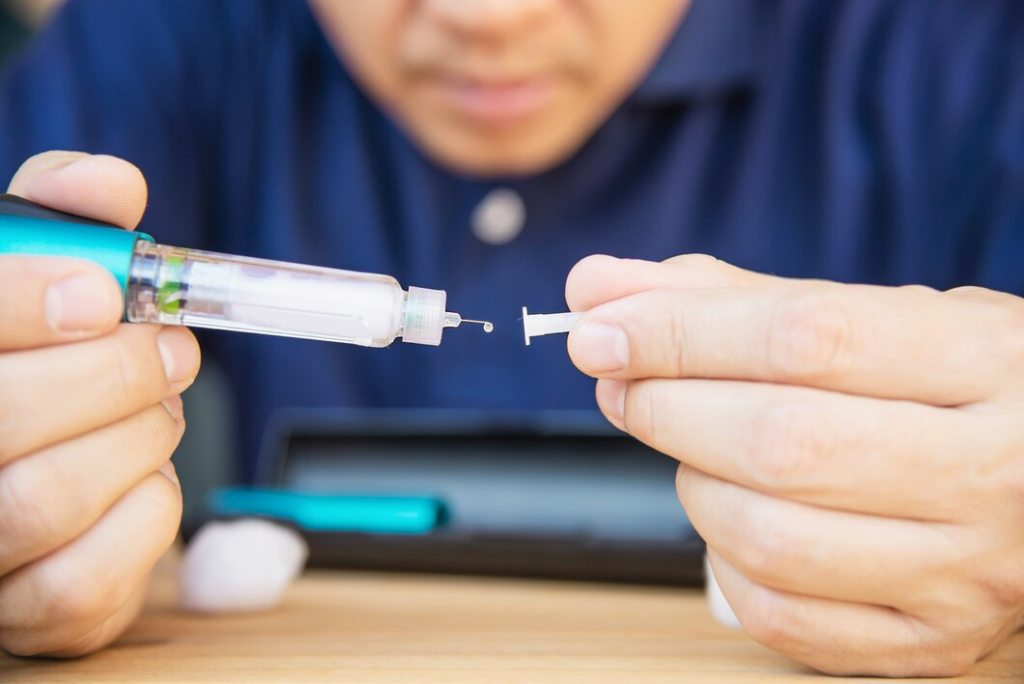
Improving insulin sensitivity is a transformative journey that combines a healthy diet, regular exercise, stress management, and possibly supplements. By adopting these changes and monitoring your progress, you can take control of your health and prevent future complications.
Empower yourself to make these positive changes today—each step brings you closer to a healthier, more vibrant life. Consult with a healthcare provider for personalized guidance, and remember: the journey to better health begins with one small, consistent step.
Frequently Asked Questions (FAQ): How to Improve Insulin Sensitivity
1. What is insulin sensitivity, and why is it important?
Insulin sensitivity refers to how efficiently your cells respond to insulin, the hormone that helps regulate blood sugar. Higher insulin sensitivity means your body can process glucose more effectively, lowering the risk of blood sugar spikes and conditions like Type 2 diabetes. Poor insulin sensitivity, or insulin resistance, can lead to higher blood sugar levels, weight gain, and increased inflammation.
2. How can diet improve insulin sensitivity?
A healthy diet plays a crucial role in boosting insulin sensitivity. Focus on high-fiber foods like leafy greens, legumes, and whole grains, as they slow sugar absorption. Healthy fats from sources like avocado and olive oil also help. Avoid processed foods, sugary snacks, and refined carbs, which can cause blood sugar spikes. Additionally, choosing low-glycemic foods like quinoa and sweet potatoes can stabilize blood sugar levels.
3. Does exercise really help with insulin resistance?
Yes! Exercise improves insulin sensitivity by increasing glucose uptake by your muscles. Both aerobic exercises (like walking or swimming) and resistance training (like weightlifting) have been shown to reduce insulin resistance and improve blood sugar control.
4. Are there any supplements that help improve insulin sensitivity?
Magnesium, chromium, berberine, and cinnamon have all shown potential benefits for insulin sensitivity. Magnesium, in particular, has been linked to better glucose metabolism. Always consult a healthcare provider before starting any new supplement, as their effects may vary based on individual health conditions
5. How can lifestyle changes support long-term improvement in insulin sensitivity?
Consistency is key. Regular exercise, a balanced diet, good sleep (7–9 hours per night), and effective stress management are all essential for improving insulin sensitivity. Tracking progress with health monitoring tools and setting realistic goals can keep you motivated over time