Introduction: How to Maintain Energy with Diabetes
Living with diabetes can feel like a balancing act, especially when fatigue sets in. Many diabetics struggle with low energy levels, which can make it difficult to keep up with daily activities. This tiredness isn’t just in your head—diabetes affects how your body processes energy, making fatigue a common challenge. But don’t worry; there are effective ways to fight back and stay energized!
The good news is that managing energy with diabetes is possible through a combination of smart lifestyle changes. From making thoughtful food choices to maintaining a regular exercise routine, small adjustments can have a big impact. In this article, we’ll explore practical tips for keeping your energy levels steady throughout the day. You’ll learn how to eat for sustained energy, stay active without overexerting yourself, and manage stress and sleep for better vitality. Let’s dive in and discover how to maintain energy with diabetes!
Why Diabetes Causes Low Energy
Feeling drained? It’s a common experience for people with diabetes, and it often boils down to how your body handles energy. Diabetes doesn’t just affect blood sugar; it also has a significant impact on energy levels, making fatigue one of the most frequent complaints. Let’s break down why this happens and what’s behind that sluggish feeling.
Blood Sugar Fluctuations and Energy
Blood sugar highs and lows are a key culprit in diabetes-related fatigue. When blood sugar spikes too high, the body struggles to process glucose efficiently. This leaves your cells starved for energy even when there’s an abundance of sugar in your bloodstream. On the flip side, when blood sugar drops too low (hypoglycemia), it can result in dizziness, shakiness, and overwhelming exhaustion. These fluctuations create a rollercoaster effect, draining your energy and making it harder to stay active or focused. Managing blood sugar levels is crucial for maintaining energy with diabetes.
Insulin Resistance and Fatigue
For those with type 2 diabetes, insulin resistance adds another layer to the problem. Insulin is the hormone responsible for helping glucose enter your cells to be used as energy. When your body becomes resistant to insulin, glucose remains in the blood instead of fueling your muscles and brain. This can lead to persistent fatigue that doesn’t go away even after a good night’s sleep. Over time, this constant energy drain can impact not just your physical stamina but also your mental clarity.
By understanding how blood sugar and insulin resistance affect your energy levels, you can take proactive steps to counteract fatigue. Staying informed is the first step to regaining control and feeling your best while living with diabetes.
The Role of Diet in Maintaining Energy

When it comes to maintaining energy with diabetes, diet is a cornerstone of success. What you eat directly affects how your body produces and sustains energy, making balanced nutrition a powerful tool in fighting fatigue. By focusing on the right foods, you can stabilize blood sugar, reduce energy crashes, and feel more energized throughout the day.
Importance of Balanced Meals
Balanced meals are essential for anyone, but they’re particularly critical for people with diabetes. Protein, fiber, and low-glycemic index (GI) carbohydrates work together to provide steady energy while keeping blood sugar levels in check. Protein, found in foods like lean meats, eggs, and legumes, helps repair and maintain muscles and tissues. Fiber-rich foods like whole grains, vegetables, and fruits slow the digestion of carbs, preventing spikes and crashes in blood sugar. Low-GI carbs, such as sweet potatoes, quinoa, and beans, release energy slowly, giving your body a consistent supply of fuel. Incorporating these elements into every meal is a key strategy to maintain energy with diabetes.
Snack Ideas for a Quick Energy Boost
Snacks can be a lifesaver when energy dips between meals. The best diabetes-friendly snacks provide a balance of protein and complex carbs to avoid sudden blood sugar fluctuations. Here are a few options:\n\n- A handful of mixed nuts and seeds\n- Apple slices with almond butter\n- Low-fat Greek yogurt with berries\n- Hummus with raw vegetable sticks\n- A boiled egg with a slice of whole-grain toast
These snacks are not only convenient but also designed to keep your energy levels stable and your blood sugar under control.
Foods to Avoid That Drain Energy
On the flip side, certain foods can leave you feeling tired and sluggish. High-GI foods, like sugary drinks, white bread, and pastries, cause rapid blood sugar spikes followed by steep crashes, zapping your energy. Processed foods often contain added sugars and unhealthy fats, which can exacerbate inflammation and fatigue over time. By steering clear of these items, you can prevent energy crashes and support your body’s ability to maintain steady energy levels.
Remember, what you put on your plate plays a huge role in your energy management. By prioritizing balanced meals, choosing smart snacks, and avoiding energy-draining foods, you’ll be better equipped to maintain energy with diabetes and lead a more active, fulfilling life.
Exercise for Sustained Energy

Exercise is a powerful tool in learning how to maintain energy with diabetes. Not only does it improve overall health, but it also combats fatigue, boosts mood, and enhances energy levels. The key is to find activities that suit your needs and abilities, keeping your blood sugar stable while increasing vitality.
How Physical Activity Helps Combat Fatigue
Regular exercise can make a significant difference in energy management for diabetics. Physical activity improves insulin sensitivity, allowing your body to use glucose more efficiently for fuel. It also enhances circulation, delivering oxygen and nutrients to your muscles and organs. Over time, exercise strengthens your body, helping to reduce feelings of tiredness and boosting endurance. Whether it’s a brisk walk or a gentle yoga session, incorporating movement into your routine is a proven way to maintain energy with diabetes.
Best Exercises for Diabetics
Not all exercises are created equal, especially when managing diabetes. Certain exercises can help control diabetes and help you maintain your energy. Here are some of the best options for staying active while maintaining stable energy levels:
- Walking: A low-impact and accessible exercise that can be done anywhere. Walking helps improve cardiovascular health and manage blood sugar.
- Yoga: Combining stretching, strength-building, and relaxation, yoga is ideal for improving energy while reducing stress.
- Strength Training: Activities like lifting weights or using resistance bands build muscle, which helps your body use insulin more effectively.
Each of these exercises is adaptable to your fitness level, making them excellent choices for anyone learning how to maintain energy with diabetes.
Tips for Staying Active Without Overexertion
While staying active is important, it’s equally essential to avoid overexertion, which can lead to fatigue or fluctuations in blood sugar. Follow these tips to maintain a safe and sustainable exercise routine:
- Start Slowly: Gradually increase the intensity and duration of your workouts to prevent burnout.
- Stay Hydrated: Drink water before, during, and after exercise to avoid dehydration, which can sap energy.
- Listen to Your Body: Rest when needed and adjust your activity if you feel unwell or overly fatigued.
- Monitor Blood Sugar: Check your levels before and after exercise to ensure they remain stable.
By incorporating these strategies into your routine, you can enjoy the energy-boosting benefits of exercise while avoiding potential pitfalls. Physical activity is a vital part of learning how to maintain energy with diabetes and achieving a healthier, more vibrant life.
The Importance of Sleep and Stress Management

When figuring out how to maintain energy with diabetes, two often-overlooked factors are sleep quality and stress levels. Both play a crucial role in your overall well-being and directly impact your ability to stay energized. By improving sleep and managing stress, you can enhance your energy levels and better control diabetes-related fatigue.
Connection Between Sleep Quality and Energy Levels
Restful sleep is essential for recharging your body and maintaining energy throughout the day. Poor sleep can disrupt your hormones, including insulin, leading to higher blood sugar levels and increased fatigue. People with diabetes often experience sleep disturbances, such as sleep apnea or restless leg syndrome, which further drain energy. Creating a bedtime routine and prioritizing quality sleep can help. Aim for 7-9 hours of sleep per night, and maintain consistent sleep and wake times to support your body’s natural rhythm. Getting enough rest is a key step in how to maintain energy with diabetes.
Stress and Its Impact on Fatigue
Stress is another major factor that can sap your energy. When you’re stressed, your body releases cortisol, a hormone that can cause blood sugar levels to rise, leading to energy fluctuations. Chronic stress not only worsens fatigue but also makes it harder to manage diabetes effectively. Recognizing the connection between stress and low energy is essential for finding balance and improving your day-to-day vitality.
Relaxation Techniques for Diabetics
Learning to manage stress effectively can boost your energy levels and overall health. Here are some relaxation techniques that can help:
- Deep Breathing: Practicing slow, controlled breaths can calm your mind and lower stress levels.
- Meditation: Spend a few minutes daily focusing on your breath or a calming word to reduce mental fatigue.
- Mindfulness: Pay attention to the present moment without judgment. This practice can reduce anxiety and help you feel more in control.
- Progressive Muscle Relaxation: Tense and relax different muscle groups to ease physical and mental tension.
By improving your sleep quality and incorporating stress-reduction techniques, you’ll have a better foundation for staying energized. These steps, combined with other lifestyle changes, are integral to understanding how to maintain energy with diabetes and living a more active, fulfilling life.
Monitoring and Managing Blood Sugar
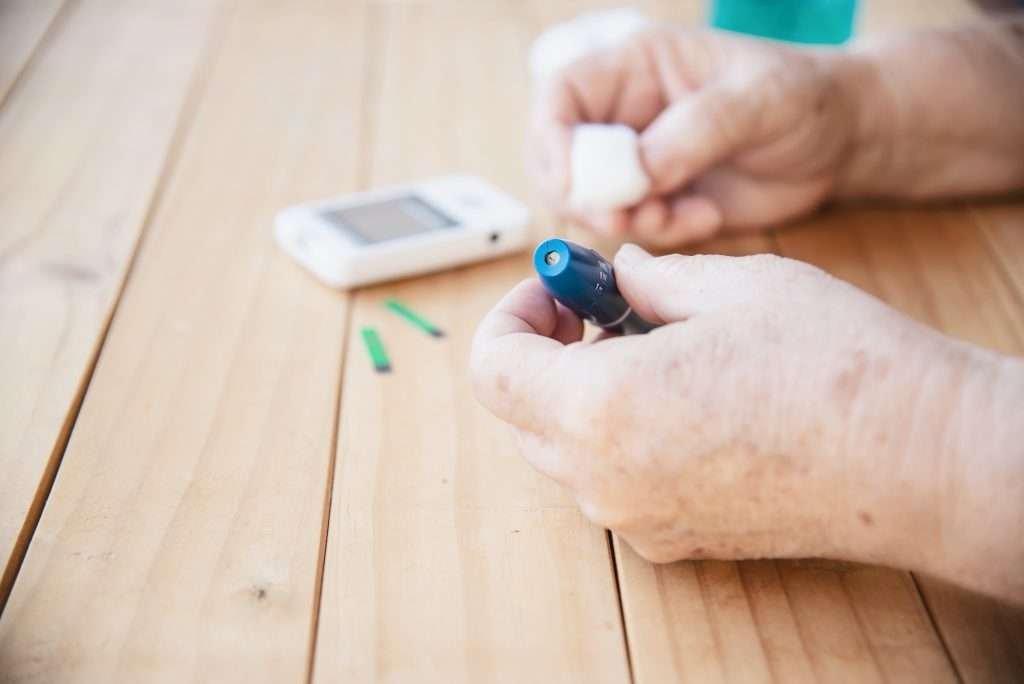
For those wondering how to maintain energy with diabetes, managing blood sugar is one of the most effective strategies. Your glucose levels directly impact your energy, making blood sugar stability essential for feeling your best throughout the day.
How Blood Sugar Impacts Energy Levels
Glucose is your body’s primary source of fuel, but for diabetics, maintaining the right balance is tricky. When blood sugar levels are too high, your body struggles to utilize glucose, leaving you feeling sluggish. On the other hand, low blood sugar can lead to symptoms like dizziness, weakness, and extreme fatigue. These fluctuations create an exhausting cycle that makes staying energized challenging. By stabilizing blood sugar, you can better control your energy levels and reduce fatigue.
Tips for Keeping Glucose Levels Stable
Consistency is key when it comes to managing blood sugar. Here are some strategies to help you keep your levels steady and maintain energy:
- Consistent Meal Timing: Eat balanced meals at regular intervals to avoid spikes and dips in blood sugar.
- Monitor Regularly: Use a blood glucose monitor to track your levels and adjust your habits as needed.
- Combine Nutrients: Pair carbs with protein or healthy fats to slow digestion and prevent rapid sugar increases.
- Stay Active: Light exercise after meals can help regulate blood sugar and sustain energy.
These simple but effective practices can help you take control of your energy and stay on track in managing diabetes.
Lifestyle Adjustments to Stay Energized
Learning how to maintain energy with diabetes involves more than diet and exercise. Everyday habits like staying hydrated and establishing a routine also play a big role in avoiding energy crashes.
Hydration Habits for Energy
Dehydration can lead to fatigue and affect your body’s ability to manage blood sugar. Water helps transport nutrients to your cells and supports overall metabolic processes. Make it a habit to drink water throughout the day, aiming for at least 8 glasses. If plain water feels boring, try adding a slice of lemon or cucumber for a refreshing twist.
Avoiding Energy Crashes With Routine Planning
A well-planned daily routine can help you avoid the ups and downs that drain energy. Stick to regular meal times, schedule breaks to recharge, and get enough rest. Keep healthy snacks and water on hand to prevent sudden energy dips. Establishing a predictable routine gives your body the consistency it needs to maintain steady energy levels.
By prioritizing hydration and planning your days carefully, you’ll be better equipped to avoid energy crashes and sustain energy throughout the day. Together with other strategies, these adjustments make a big difference in how to maintain energy with diabetes.
Real-Life Stories and Expert Insights
When learning how to maintain energy with diabetes, hearing success stories and expert advice can be incredibly motivating. Many individuals have overcome fatigue and reclaimed their energy by making simple, sustainable changes.
Examples of Diabetics Who Successfully Manage Energy
Take Sarah, for instance, a 45-year-old teacher with type 2 diabetes. By switching to a diet rich in low-GI carbs and incorporating light daily exercise like yoga, she noticed a dramatic improvement in her energy levels. Another inspiring example is Mike, a 60-year-old retiree, who manages type 1 diabetes. Mike uses consistent meal timing and frequent blood sugar monitoring to avoid energy crashes, allowing him to stay active and enjoy hobbies like gardening and cycling.
Expert Advice on Maintaining Energy Levels
Healthcare professionals emphasize that managing blood sugar is the foundation of staying energized. Dr. Laura Chen, an endocrinologist, explains, “Stabilizing glucose levels through a balanced diet and regular exercise can significantly reduce fatigue. Additionally, quality sleep and stress management are crucial for maintaining energy.” These real-world examples and expert insights highlight that small but intentional lifestyle changes can make a big difference in how to maintain energy with diabetes.
Conclusion: Take Charge of Your Energy
Living with diabetes doesn’t mean you have to live with constant fatigue. By understanding how to maintain energy with diabetes, you can take proactive steps to feel more vibrant and capable every day.
Recap of Actionable Tips
Start by stabilizing your blood sugar through consistent meal timing, a balanced diet rich in protein, fiber, and low-GI carbs, and regular exercise. Incorporate hydration habits, restful sleep, and stress-reduction techniques like meditation. Plan your days with energy-boosting snacks and a predictable routine.
Call to Action
Remember, managing energy levels with diabetes is a journey, and personalized advice from a healthcare provider can make all the difference. Consult your doctor or a registered dietitian for tailored strategies to suit your unique needs. With the right support and habits, you can take charge of your energy and lead a fulfilling life.
Frequently Asked Questions (FAQs)
1. Why do people with diabetes often feel fatigued?
Fatigue in diabetes is commonly caused by blood sugar fluctuations. High glucose levels can make it difficult for your body to convert sugar into energy, while low levels can lead to dizziness and weakness. Other factors like poor sleep, stress, and insulin resistance also contribute to feeling tired.
2. How can I stabilize my blood sugar to maintain energy?
You can stabilize your blood sugar by eating balanced meals at regular intervals, incorporating low-GI carbohydrates, protein, and fiber. Regular physical activity and consistent hydration also play important roles. Monitoring your glucose levels helps you make adjustments as needed.
3. What are the best snacks for boosting energy with diabetes?
Healthy snack options include mixed nuts, Greek yogurt with berries, apple slices with almond butter, or raw veggies with hummus. These choices provide a balance of protein, healthy fats, and complex carbs to prevent energy dips.
4. Can stress really affect my energy levels?
Yes, stress triggers the release of cortisol, which can lead to blood sugar imbalances and energy crashes. Managing stress through relaxation techniques like meditation, deep breathing, or yoga can help maintain energy levels.
5. How does sleep impact energy for diabetics?
Quality sleep allows your body to repair and regulate hormones, including insulin. Poor sleep can disrupt blood sugar control, making you feel fatigued. Aim for 7-9 hours of sleep each night.