
Introduction
Smoking and diabetes are a dangerous duo, creating a perfect storm of health complications. If you’re navigating life with diabetes, adding smoking to the mix can make managing your blood sugar levels significantly harder and increase the risk of severe complications, like heart disease, neuropathy, and kidney damage. Understanding the connection is the first step toward change.
Smoking directly impacts blood sugar control by increasing insulin resistance, making it more challenging to maintain stable glucose levels. Nicotine, the primary chemical in cigarettes, can trigger blood sugar spikes and worsen diabetes-related complications over time. The combination of diabetes and smoking also accelerates the damage to blood vessels, increasing the risk of stroke, heart attack, and poor circulation, which can lead to severe outcomes like amputations.
The good news is that quitting smoking with diabetes is not just possible—it’s life-changing. In this guide, we’ll explore how to quit smoking with diabetes effectively and safely, helping you regain control of your health. From understanding the impact of smoking to creating a quit plan and managing challenges, this guide provides practical, actionable steps to help you achieve a smoke-free, healthier life while maintaining better blood sugar management. Let’s begin this journey to a brighter, tobacco-free future.
The Impact of Smoking on Diabetes
When managing diabetes, smoking can create a cascade of health challenges that make achieving balance far more difficult. To truly understand how to quit smoking with diabetes, it’s essential to recognize how smoking directly affects blood sugar levels and contributes to severe complications.
Smoking and Blood Sugar Levels
Smoking significantly worsens insulin resistance, a cornerstone issue for diabetics. Nicotine, the addictive substance in cigarettes, disrupts the body’s ability to use insulin effectively, leading to higher blood sugar levels. This makes it harder for diabetics to maintain their target glucose range, increasing the risk of hyperglycemia.
Moreover, smoking causes stress on the body, releasing hormones like cortisol and adrenaline. These stress hormones can further spike blood sugar, creating a rollercoaster of glucose levels that’s hard to control. Understanding this connection is crucial when planning how to quit smoking with diabetes, as managing blood sugar stability will be a key focus during the quitting process.
Increased Risk of Complications
Smoking doesn’t just affect blood sugar—it amplifies the long-term risks associated with diabetes. Smokers with diabetes are significantly more likely to develop cardiovascular disease, as smoking damages blood vessels and accelerates plaque buildup in arteries. This heightened risk of heart attacks and strokes makes quitting smoking one of the most impactful decisions a diabetic can make.
Neuropathy, or nerve damage, is another serious complication. Smoking restricts blood flow to nerves, exacerbating symptoms like pain, tingling, or loss of sensation in extremities. Similarly, kidney damage, already a concern for diabetics, is worsened by smoking, increasing the likelihood of chronic kidney disease or even kidney failure.
Additionally, smoking impairs wound healing, a critical issue for diabetics prone to foot ulcers and infections. The reduced blood flow caused by smoking delays recovery, increasing the risk of severe infections and amputations.
By understanding these risks, you can appreciate why it’s vital to learn how to quit smoking with diabetes. Quitting can significantly reduce insulin resistance, stabilize blood sugar levels, and dramatically lower the likelihood of life-threatening complications. Armed with this knowledge, you’re one step closer to making a transformative change for your health.
Benefits of Quitting Smoking for People with Diabetes
Quitting smoking is a powerful step toward improving your health, especially when managing diabetes. By understanding the benefits of quitting, you’ll gain motivation and clarity on how to quit smoking with diabetes and stay committed to a tobacco-free lifestyle.
Short-Term Benefits
One of the first noticeable changes after quitting smoking is improved insulin sensitivity. Within weeks of quitting, your body begins to respond better to insulin, making it easier to manage blood sugar levels. This improvement can help reduce the frequency of blood sugar spikes and improve overall diabetes control.
Additionally, quitting smoking leads to better oxygen flow and circulation almost immediately. This change supports healing, stabilizes energy levels, and helps your body recover from the damaging effects of smoking. For those exploring how to quit smoking with diabetes, these rapid health benefits provide a strong incentive to take the leap.
Long-Term Benefits
Over time, the health improvements from quitting smoking become even more profound. Your risk of heart attack and stroke decreases significantly, as your blood vessels recover from the damage caused by smoking. Smoking cessation also enhances circulation, which is vital for diabetics prone to neuropathy or nerve damage.
As you remain smoke-free, your nerves and extremities receive better blood flow, reducing symptoms like tingling and numbness. Additionally, your kidneys and other organs benefit from decreased stress, lowering the likelihood of severe diabetes-related complications. These long-term gains reinforce the importance of learning how to quit smoking with diabetes effectively and sustainably.
Overall Quality of Life Improvements
Quitting smoking improves more than just physical health—it boosts your quality of life in countless ways. Increased energy levels make daily activities easier and more enjoyable, while improved mental health reduces anxiety and stress. Many former smokers report better sleep, heightened focus, and greater self-esteem after quitting.
Moreover, a smoke-free lifestyle contributes to a longer life expectancy, giving you more time to enjoy with loved ones and pursue your goals. These quality-of-life improvements serve as a reminder of the positive ripple effects that come with quitting smoking.
By focusing on these benefits, you can stay motivated on your journey to a healthier future. Understanding how to quit smoking with diabetes is the first step toward reclaiming control over your health and unlocking a better quality of life.
Challenges of Quitting Smoking with Diabetes

Quitting smoking is a rewarding journey, but it comes with unique challenges for individuals managing diabetes. Understanding these obstacles can help you prepare and succeed in your efforts. Here’s a closer look at the difficulties and how they relate to how to quit smoking with diabetes.
Nicotine Withdrawal Symptoms
Nicotine withdrawal is one of the most significant challenges when quitting smoking. Symptoms like irritability, fatigue, and difficulty concentrating can feel overwhelming. For diabetics, these symptoms can mimic low blood sugar levels, causing confusion about whether you’re experiencing withdrawal or a hypoglycemic episode.
To manage this, it’s essential to monitor your blood sugar closely, especially during the early days of quitting. Keeping glucose-testing supplies handy and maintaining a regular meal schedule can help you differentiate between withdrawal symptoms and blood sugar dips. These small steps are crucial when learning how to quit smoking with diabetes effectively.
Stress Management
Quitting smoking can increase stress levels, a challenge compounded by the daily stress of managing diabetes. Stress hormones like cortisol can elevate blood sugar, making diabetes control even trickier during this transition.
Incorporating stress-reduction techniques into your routine can make a big difference. Practices like deep breathing, meditation, or light physical activity not only help manage cravings but also stabilize blood sugar levels. Addressing stress is a key part of how to quit smoking with diabetes without overwhelming your system.
Blood Sugar Fluctuations
Nicotine affects blood sugar levels, so quitting smoking often leads to fluctuations as your body adjusts. Some people may experience temporary hyperglycemia or hypoglycemia, making it essential to track patterns closely.
To counteract this, work with your healthcare provider to adjust your diabetes management plan if needed. Eating balanced meals, staying hydrated, and engaging in regular exercise can help maintain stable blood sugar. These strategies are an integral part of planning how to quit smoking with diabetes while minimizing disruptions to your health.
By anticipating these challenges and adopting proactive solutions, you’ll be better equipped to navigate the journey to a smoke-free life while maintaining control over your diabetes.
Strategies to Quit Smoking Safely

Quitting smoking can feel overwhelming, especially when managing diabetes. However, having a solid strategy in place can make all the difference. Understanding how to quit smoking with diabetes means combining thoughtful planning with effective tools to address both nicotine addiction and diabetes management.
Developing a Quit Plan
A quit plan is your roadmap to success. Start by setting a specific quit date—ideally within the next two weeks—to give yourself time to prepare. Choose a date that minimizes stress, avoiding periods of major life changes or deadlines.
Identifying triggers is another critical step. Pay attention to situations, emotions, or habits that make you reach for a cigarette. Common triggers include stress, boredom, or after meals. Once you’ve identified your triggers, create healthier alternatives. For instance, if you usually smoke after eating, take a short walk or chew sugar-free gum instead. These tailored strategies are key to mastering how to quit smoking with diabetes successfully.
Using Nicotine Replacement Therapies (NRTs)
Nicotine Replacement Therapies (NRTs) like patches, gum, lozenges, or inhalers can ease withdrawal symptoms by delivering controlled amounts of nicotine without the harmful chemicals found in cigarettes. For diabetics, it’s crucial to choose NRTs carefully and consult your healthcare provider before starting.
Patches offer a steady release of nicotine, while gum or lozenges provide quick relief for sudden cravings. Inhalers can mimic the hand-to-mouth motion of smoking, helping to satisfy behavioral habits. By incorporating NRTs into your quit plan, you can reduce withdrawal symptoms and stay on track with how to quit smoking with diabetes while maintaining stable blood sugar levels.
Behavioral Strategies
Addressing the psychological aspects of smoking is just as important as managing nicotine dependence. Exercise, for example, not only reduces cravings but also helps regulate blood sugar and improve insulin sensitivity. Aim for activities that suit your fitness level, like walking, swimming, or yoga.
Mindfulness practices, such as meditation or deep breathing, can also reduce stress and curb the urge to smoke. Keeping a journal to track your progress, setbacks, and triggers can offer valuable insights and boost motivation. These behavioral adjustments are essential components of how to quit smoking with diabetes in a sustainable way.
Medications and Professional Help
For some, prescription medications like varenicline (Chantix) or bupropion (Zyban) can be effective tools for smoking cessation. These medications work by reducing cravings and withdrawal symptoms. For diabetics, it’s especially important to discuss these options with your doctor, as they can tailor recommendations to suit your health needs.
Additionally, diabetes educators and counselors can provide specialized support. These professionals understand the unique challenges of how to quit smoking with diabetes and can offer personalized advice to help you navigate the process. Whether through one-on-one sessions or group support, their guidance can significantly improve your chances of success.
Putting It All Together
Quitting smoking while managing diabetes requires a holistic approach. By combining a clear quit plan, NRTs, behavioral strategies, and professional support, you can tackle the dual challenges of nicotine addiction and blood sugar management.
Remember, quitting smoking is a journey, not a single event. Celebrate small victories, like going a day without smoking or handling a trigger without lighting up. Each step brings you closer to improved health and a better quality of life.
When learning how to quit smoking with diabetes, preparation, persistence, and support are your greatest allies. Take the first step today and build a healthier, smoke-free future.
Role of Support Systems
Quitting smoking is a challenging process, but having a strong support system can make all the difference. Whether it’s family, friends, support groups, or healthcare providers, the right support can help you stay committed to how to quit smoking with diabetes.
Family and Friends
Your loved ones can be invaluable allies in your journey to quit smoking. Encourage them to provide positive reinforcement and gentle accountability. Share your quit plan with them so they can understand your goals and challenges. Simple gestures, like celebrating milestones or offering distractions during cravings, can keep you motivated as you learn how to quit smoking with diabetes.
Support Groups
Joining a support group tailored to diabetes or smoking cessation offers a sense of community. Sharing experiences with others who understand the dual challenge of diabetes and quitting smoking can reduce feelings of isolation. These groups also provide practical advice and encouragement from people who have successfully quit smoking.
Healthcare Providers
Your healthcare team plays a crucial role in quitting smoking while managing diabetes. Regular consultations with your doctor, diabetes educator, or counselor can help monitor your progress, adjust your diabetes care plan, and offer expert guidance. Leaning on their expertise is a vital component of how to quit smoking with diabetes effectively.
Maintaining a Tobacco-Free Lifestyle
Staying smoke-free is a long-term commitment, but with the right strategies, you can prevent relapses and enjoy the benefits of quitting smoking.
Preventing Relapses
Relapses often occur due to stress or exposure to triggers. Recognize your triggers—like social situations or emotional stress—and develop strategies to avoid or manage them. Building these habits is essential for maintaining progress in how to quit smoking with diabetes.
Craving Management
Cravings can strike unexpectedly, so it’s important to have healthy alternatives ready. Chew sugar-free gum, snack on raw vegetables, or distract yourself with activities like reading or walking. These small steps help curb cravings while keeping your blood sugar levels stable.
Focusing on Long-Term Health Goals
Quitting smoking offers numerous long-term health benefits, especially for diabetics. Celebrate milestones like one smoke-free month or improved blood sugar levels. Visualize a healthier future to reinforce your commitment to how to quit smoking with diabetes.
Regular Health Check-Ups
Regular check-ups with your healthcare provider ensure you’re on track. Monitoring improvements in blood sugar control, circulation, and overall health can motivate you to stay smoke-free. These visits also allow for adjustments to your diabetes care plan as needed.
By staying focused, seeking support, and celebrating progress, you can maintain a smoke-free lifestyle and continue reaping the benefits of quitting smoking with diabetes.
Conclusion
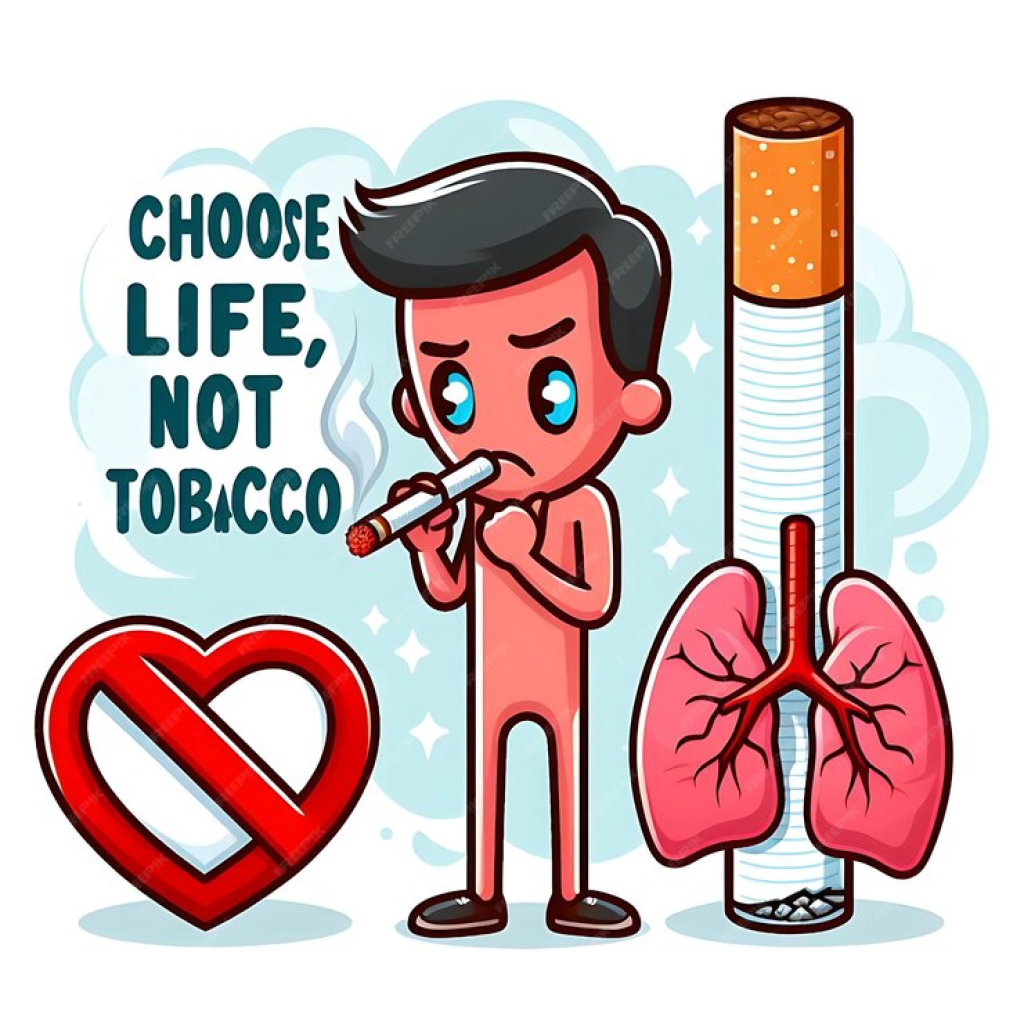
Quitting smoking is one of the most impactful decisions you can make to improve your health, especially if you’re living with diabetes. By understanding how to quit smoking with diabetes, you’ve taken the first step toward a brighter, healthier future.
The benefits of quitting are profound. From improved insulin sensitivity and better blood sugar control to a reduced risk of complications like heart disease, neuropathy, and kidney damage, a smoke-free lifestyle can transform your diabetes management. Beyond these physical improvements, quitting smoking also enhances your quality of life—boosting energy, reducing stress, and adding years to your life expectancy.
Taking the first step is often the hardest, but you don’t have to do it alone. Seek support from family, friends, and professionals who understand your unique challenges. Join diabetes or smoking cessation groups to connect with others who share similar goals. Consult healthcare providers to create a personalized quit plan that addresses both smoking and diabetes management.
Remember, every small victory—whether it’s a day without smoking or successfully managing a craving—brings you closer to a healthier, smoke-free life. Stay focused on your long-term health goals and celebrate the positive changes you’ll see along the way.
Now is the time to take action. Commit to quitting today and reap the lifelong benefits of a tobacco-free lifestyle. With determination, the right strategies, and the support of your community, you can succeed in your journey to quit smoking with diabetes and enjoy a healthier, happier future.
AQ: How to Quit Smoking with Diabetes
Q: Why is quitting smoking especially important for diabetics?
A: Smoking increases insulin resistance, making it harder to control blood sugar levels. It also heightens the risk of serious complications like heart disease, neuropathy, and kidney damage. Quitting smoking improves blood sugar management and reduces these health risks.
Q: Can quitting smoking affect my blood sugar levels?
A: Yes, quitting smoking may cause temporary blood sugar fluctuations as your body adjusts to life without nicotine. Monitoring your blood sugar closely and consulting your healthcare provider can help you manage these changes effectively.
Q: Are nicotine replacement therapies (NRTs) safe for diabetics?
A: Many NRTs, such as patches, gum, and lozenges, are generally safe for diabetics. However, it’s essential to consult your doctor to choose the best option for your needs and ensure it won’t interfere with your diabetes management plan.
Q: How can I handle cravings while managing diabetes?
A: Healthy distractions, such as chewing sugar-free gum or snacking on raw vegetables, can curb cravings without affecting blood sugar. Activities like walking or meditation can also help manage stress and reduce the urge to smoke.
Q: What support is available for quitting smoking with diabetes?
A: Support groups, diabetes educators, and smoking cessation counselors are valuable resources. These professionals and communities provide guidance, encouragement, and tools to help you succeed in quitting.