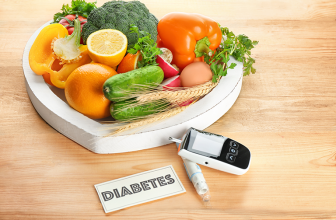
Diabetes is one of the fastest-growing health concerns worldwide, affecting millions of people. It’s a chronic condition that occurs when your body struggles to process blood sugar properly. This leads to elevated levels of glucose which is harmful for your body.
The good news is that type 2 diabetes can often be prevented. Small, natural changes to your lifestyle can make a big difference. If you are at risk or have a family history, taking steps now can help.
This guide will show you how to prevent diabetes naturally. With these tips, you can improve your health and live a better life. Let’s get started!
1. Understanding Diabetes
Before we get to its prevention, let’s under what Diabetes is. Diabetes is a metabolic disease that is characterized by raised blood sugar. Glucose is an essential component for all living beings. Without glucose we wouldn’t even be able to survive. But too much of a good thing is often bad.

Designed by Freepik
When the glucose levels increase in your blood, it can negatively impact your body. The high glucose can hamper with the normal proteins in your body. This can damage many organs of your body down the line.
Diabetes comes in several forms, but the two most common are:
Type 1 Diabetes: An autoimmune condition where the body attacks insulin-producing cells in the pancreas.
Type 2 Diabetes: The most prevalent type. This is caused by insulin resistance and often linked to lifestyle factors.
Another form is gestational diabetes, which occurs during pregnancy but can increase the mother’s risk of developing type 2 diabetes later in life.
Why Prevention Matters
Preventing diabetes is very important. It saves you from the challenges of managing the disease. But more importantly, it also reduces the risk of the many complications. The common complications of diabetes include:
- Heart diseases like myocardial infarction (heart attack), angina, heart failure
- Chronic kidney disease which eventually leads to both the kidneys failing
- Cataract which can lead to blindness
- Nerve problems which causes burning aching pain in the limbs
- Episodes of coma
- Increased risk of infection
Proactive measures focusing on diet, exercise, and healthy habits are the foundation of prevention of diabetes.
2. The Role of Diet to Prevent Diabetes Naturally
What you eat has a profound impact on your blood sugar levels. Choosing the right foods can help regulate glucose. This can help your body to improve its response to insulin.
Foods that help in preventing diabetes
A balanced diet is one of the most effective tools to prevent diabetes naturally. By choosing foods that stabilize blood sugar, improve insulin sensitivity, and provide essential nutrients, you can significantly lower your risk.
Here’s a closer look at the top foods to prevent diabetes naturally and how they benefit your body:
1. Leafy Greens
Leafy greens like spinach, kale, and collard greens are powerhouses of nutrients. They are rich in fiber, vitamins (like vitamin C), and antioxidants while being extremely low in carbohydrates and calories.
- Why they help: Fiber slows down the absorption of sugar into your bloodstream, preventing spikes in blood sugar levels.
- How to include them: Add leafy greens to salads, smoothies, or sauté them as a side dish. Use them as a base for low-carb wraps instead of tortillas.
2. Whole Grains
Whole grains, such as oats, quinoa, and brown rice, are unprocessed and retain all parts of the grain, including the fiber-rich bran.
- Why they help: The fiber in whole grains helps slow glucose absorption, keeping your blood sugar stable. Whole grains also improve insulin sensitivity and reduce inflammation.
- How to include them: Start your day with oatmeal topped with nuts and berries. Use quinoa as a base for grain bowls or swap white rice for brown rice in your meals.
3. Fatty Fish
Fatty fish like salmon, mackerel, and sardines are loaded with omega-3 fatty acids, which are essential for heart and brain health. They’re also a great source of lean protein.
- Why they help: Omega-3 fatty acids reduce inflammation, which plays a role in diabetes development. Protein in fish helps maintain satiety and prevent blood sugar spikes.
- How to include them: Enjoy grilled salmon as a main dish, or add canned mackerel to salads. Incorporate fish into your meals at least twice a week for maximum benefits.
4. Nuts and Seeds
Nuts like almonds and walnuts, as well as seeds like chia, flaxseeds, and sunflower seeds, are rich in healthy fats, fiber, and protein.
- Why they help: These nutrient-dense foods improve insulin sensitivity and reduce hunger, helping to manage weight—a key factor in preventing diabetes.
- How to include them: Snack on a handful of mixed nuts, sprinkle chia seeds over your yogurt, or add flaxseeds to smoothies or oatmeal.
5. Berries
Berries like blueberries, strawberries, raspberries, and blackberries are delicious, low in sugar, and packed with antioxidants.
- Why they help: The antioxidants in berries help fight inflammation and protect cells from damage. Their low glycemic index means they don’t cause significant blood sugar spikes.
- How to include them: Enjoy berries as a snack, mix them into your morning yogurt or oatmeal, or use them to top whole-grain pancakes.
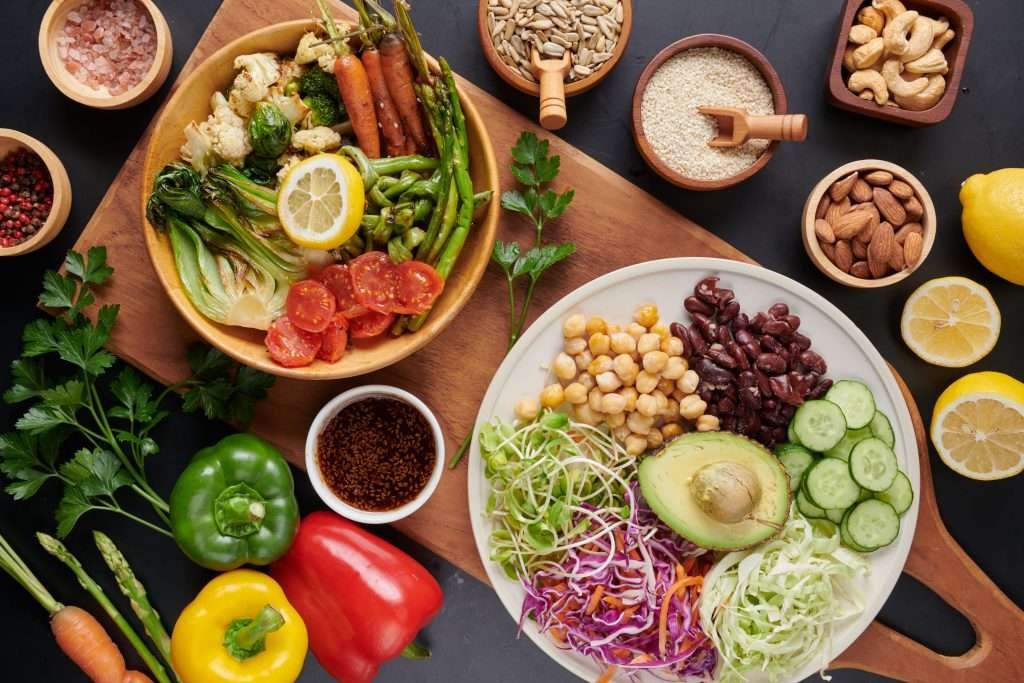
Designed by Freepik
Pro Tip
To get the most out of these foods, focus on balanced meals that combine fiber, healthy fats, and protein. This combination helps slow digestion and keeps your blood sugar levels steady throughout the day.
By regularly incorporating these foods to prevent diabetes into your diet, you’ll be taking a big step toward better health and to prevent diabetes naturally.
Foods to Limit or Avoid
When working to prevent diabetes naturally, it’s just as important to know what to avoid. Certain foods can contribute to developing diabetes. They do so by spiking your blood sugar, increasing insulin resistance, and contributing to weight gain. Here are the key culprits and why they should be limited or avoided:
1. Sugary Drinks
Examples: Soda, sweetened teas, fruit juices, energy drinks.
- Why they’re harmful: Sugary drinks are loaded with added sugars and provide little to no nutritional value. They cause rapid spikes in blood sugar levels, followed by sharp drops, which can leave you feeling fatigued and craving more sugar. Regular consumption of sugary drinks is strongly linked to weight gain and an increased risk of type 2 diabetes.
- What to choose instead: Opt for water, herbal teas, or sparkling water with a splash of fresh lemon or lime. Unsweetened beverages are always a better choice.
2. Refined Carbohydrates
Examples: White bread, white rice, pastries, cookies, pasta made from refined flour.
- Why they’re harmful: Refined carbs are stripped of their natural fiber and nutrients, which causes them to digest quickly and lead to blood sugar spikes. Without fiber, these foods provide a quick burst of energy followed by a crash. Over time, frequent consumption can contribute to insulin resistance and weight gain.
- What to choose instead: Replace refined carbs with whole-grain alternatives like whole wheat bread, quinoa, oats, or brown rice. These options are rich in fiber, which helps slow digestion and stabilize blood sugar.
3. Processed Snacks High in Trans Fats or Added Sugars
Examples: Packaged cookies, chips, frozen desserts, fast food items.
- Why they’re harmful: Processed snacks often contain unhealthy trans fats, which are linked to inflammation, higher cholesterol, and insulin resistance. They’re also packed with added sugars, which can quickly elevate blood sugar levels and contribute to excessive calorie intake. Over time, these foods increase the risk of obesity—a major factor in type 2 diabetes.
- What to choose instead: Choose natural snacks like fresh fruits, nuts, seeds, or homemade granola bars. These provide nutrients and energy without the negative effects of added sugars or unhealthy fats. Thus eating them can help prevent diabetes naturally.
Other Foods to Watch Out For
- Fried Foods: High in unhealthy fats and calories, which can lead to weight gain and poor heart health.
- Processed Meats: Sausages, bacon, and deli meats often contain high amounts of sodium and unhealthy fats.
- Desserts and Sweets: Cakes, candies, and ice creams are often packed with refined sugar, offering little nutritional value.
Pro Tip for Moderation
It’s okay to indulge occasionally, but balance is key. If you crave something sweet or indulgent, try healthier alternatives like dark chocolate (70% cocoa or more) or baked goods made with whole-grain flours and natural sweeteners like honey.
By reducing these foods in your diet and making mindful choices, you can take a major step to prevent diabetes naturally. Remember, every small change adds up!
Sample Meal Plan
Here’s a quick idea for a day’s worth of meals:
Breakfast: Greek yogurt with chia seeds, berries, and a sprinkle of oats.
Lunch: Grilled salmon with quinoa and steamed broccoli.
Snack: A handful of mixed nuts.
Dinner: Stir-fried tofu with kale and brown rice.
Dessert: A piece of dark chocolate (70% cocoa or higher).
3. The Power of Regular Exercise
Physical activity is one of the most effective strategies prevent diabete naturally. It helps your body use insulin more efficiently and keeps blood sugar levels stable.

Designed by Freepik
Best Exercises for Preventing Diabetes
Cardio Workouts: Brisk walking, cycling, or swimming for 30 minutes daily can significantly improve insulin sensitivity.
Strength Training: Lifting weights or doing bodyweight exercises like squats and push-ups helps build muscle, which burns glucose more efficiently.
Yoga and Stretching: Great for reducing stress (another diabetes risk factor) and improving overall flexibility.
Tips for Staying Active
Break workouts into smaller chunks if time is tight—10 minutes, three times a day.
Incorporate movement into your routine, like taking the stairs or parking farther away. You can also try to walk to the grocery store if it’s near you. These small changes will go a long way to help you prevent diabetes naturally.
4. Managing Weight for Diabetes Prevention
Being overweight, especially carrying fat around the abdomen, increases the risk of type 2 diabetes. Losing even 5-10% of your body weight can have a significant impact on blood sugar regulation.
Weight Loss Tips
Practice Portion Control: Use smaller plates and avoid second servings.
Choose Healthy Snacks: Opt for foods to prevent diabetes like nuts or veggie sticks instead of chips or sweets.
Stay Consistent: Focus on sustainable changes instead of crash diets.
How Weight Loss Improves Prevention for Diabetes
When you lose weight, your cells become more responsive to insulin. This makes it easier to maintain healthy blood sugar levels. Thus this can help you prevent diabetes naturally.
5. Lifestyle Habits That Support Prevention
Beyond diet and exercise, several lifestyle factors contribute to prevent diabetes naturally.
- Prioritize Sleep
- Lack of sleep affects hormones that regulate hunger and blood sugar. To get better sleep:
- Stick to a consistent bedtime routine.
- Avoid screens an hour before bed.
- Create a dark, quiet sleep environment.
- Manage Stress
- Chronic stress raises cortisol levels, which can lead to higher blood sugar. Techniques to reduce stress include:
- Meditation and Mindfulness: Spend 5-10 minutes daily focusing on your breath.
- Journaling: Write down your thoughts to release tension.
- Physical Activity: Double the benefits by combining stress relief with exercise.
- Stay Hydrated
- Water helps your body process glucose efficiently. Make hydration a priority by:
- Drinking a glass of water first thing in the morning.
- Keeping a reusable water bottle with you throughout the day.
6. The Importance of Routine Health Screenings
Early detection is key to prevention for diabetes. Routine screenings can identify prediabetes. Prediabetes is a condition where blood sugar levels are elevated but not high enough to be diagnosed as diabetes. If you have this condition, then you’re more likely to develop diabetes in the future.
The good news is that prediabetes is totally reversible. It’s a
Recommended Tests
Physicians use a bunch of tests to determine whether or not you’ll develop diabetes or not. If you’re concerned about diabetes, you can consult with your physician regarding these tests.
Fasting Blood Sugar: Measures glucose after an overnight fast.
HbA1c Test: Provides an average blood sugar reading over 2-3 months.
Oral Glucose Tolerance Test: Checks how your body processes sugar over time.
If you have a family history of diabetes or other risk factors, talk to your doctor about more frequent screenings. Other risk factors include:
- increasing age
- high blood levels of cholesterol
- sedentary lifestyle
- high blood pressure
- being overweight or obese
- history of gestational diabetes (diabetes during previous pregnancy)
7. Natural Supplements to Prevent Diabetes Naturally
While food and lifestyle changes are the foundation of diabetes prevention, certain natural supplements may support your efforts:
Magnesium: Helps improve insulin sensitivity.
Cinnamon: May lower fasting blood sugar levels.
Vitamin D: Deficiency has been linked to increased diabetes risk.
Always consult with a healthcare professional before starting any supplement.
8. Building Long-Term Habits for Success
The key to prevention of diabetes lies in consistency. Here are tips to stay on track:
Set Realistic Goals: Focus on one change at a time, like adding a daily walk or swapping soda for water.
Track Your Progress: Use apps or journals to monitor your habits and celebrate small wins.
Seek Support: Share your goals with friends or join a community for motivation.
Conclusion
Diabetes prevention doesn’t have to be overwhelming. By incorporating simple, sustainable habits like eating foods to prevent diabetes, staying active, and managing stress, you can significantly reduce your risk and live a healthier, happier life.
Remember, every small step counts toward your journey of preventing diabetes naturally. Start today, and your future self will thank you!
Let us know in the comments: What changes are you planning to make for your health? Share this article with friends or family who might find it helpful!
FAQ Section
1. Can diabetes be prevented naturally?
Yes, type 2 diabetes can often be prevented naturally by adopting a healthy lifestyle. This includes eating a balanced diet rich in whole foods, staying active, maintaining a healthy weight, and managing stress effectively.
2. What are the best foods to prevent diabetes?
Foods rich in fiber and low in the glycemic index are excellent for diabetes prevention. Examples include leafy greens, whole grains, nuts, seeds, fatty fish, and berries. These foods help stabilize blood sugar levels and improve insulin sensitivity.
3. How does exercise help prevent diabetes?
Exercise increases insulin sensitivity, which allows your body to use blood sugar more efficiently. Regular physical activity, such as walking, strength training, or yoga, can lower your risk of type 2 diabetes significantly.
4. What is the most effective way to lose weight to prevent diabetes?
The most effective way to lose weight is by combining a balanced diet with regular physical activity. Focus on portion control, reducing sugary and processed foods, and increasing your intake of vegetables, lean proteins, and healthy fats.
5. Is prediabetes reversible?
Yes, prediabetes is often reversible with lifestyle changes. By improving your diet, staying active, losing weight, and managing stress, you can lower your blood sugar levels and avoid progressing to type 2 diabetes.