Do you feel exhausted no matter how much sleep you get? You wake up tired, drag through the afternoon, and crash by evening. It is a frustrating cycle that millions face daily. When patients come to my clinic complaining of persistent fatigue, we often look at the usual suspects: sleep apnea, thyroid issues, anemia, or stress. However, there is another metabolic marker that often flies under the radar: triglycerides.
Many people ask me, “Can high triglycerides cause fatigue?” It is a valid question. After all, triglycerides are a form of fat used by the body for energy. Logically, if your energy storage is out of balance, shouldn’t your energy levels suffer?
The relationship is complex. While high triglycerides do not directly poison your energy levels like a toxin, they are deeply intertwined with the metabolic processes that regulate how your body produces and uses fuel.
In this comprehensive guide, I will break down the science behind the connection between triglycerides and fatigue. We will explore why you may feel tired, what other high triglyceride symptoms to watch for, and evidence-based steps to lower your levels safely. Whether you are searching for whether high triglyceride levels cause fatigue or wondering about the broader impact on your health, this article provides the medical clarity you need.
Fatigue is often your body’s way of signaling that something is out of balance. High triglycerides may not be the sole culprit, but they are frequently a warning sign of underlying metabolic dysfunction that does cause exhaustion. Understanding this link is the first step toward reclaiming your energy and protecting your long-term health.
Can High Triglycerides Cause Fatigue?
For readers seeking a quick answer, here is the clinical summary based on current medical evidence:
- Direct Cause? No. High triglycerides themselves do not directly cause fatigue in the way anemia or sleep apnea does.
- Indirect Link? Yes. Elevated levels are strongly associated with conditions that do cause fatigue, such as insulin resistance, metabolic syndrome, and fatty liver disease.
- The Mechanism: High triglycerides often indicate that your cells are struggling to process glucose efficiently (insulin resistance), leading to cellular energy starvation.
- Inflammation: Elevated lipids can contribute to systemic inflammation, which is a known driver of chronic tiredness.
- Action Plan: If you have high triglycerides and fatigue, focus on lifestyle changes (diet, exercise) and screen for diabetes or thyroid issues.
- When to Worry: Levels above 500 mg/dL require immediate medical attention due to pancreatitis risk, which causes severe pain and exhaustion.
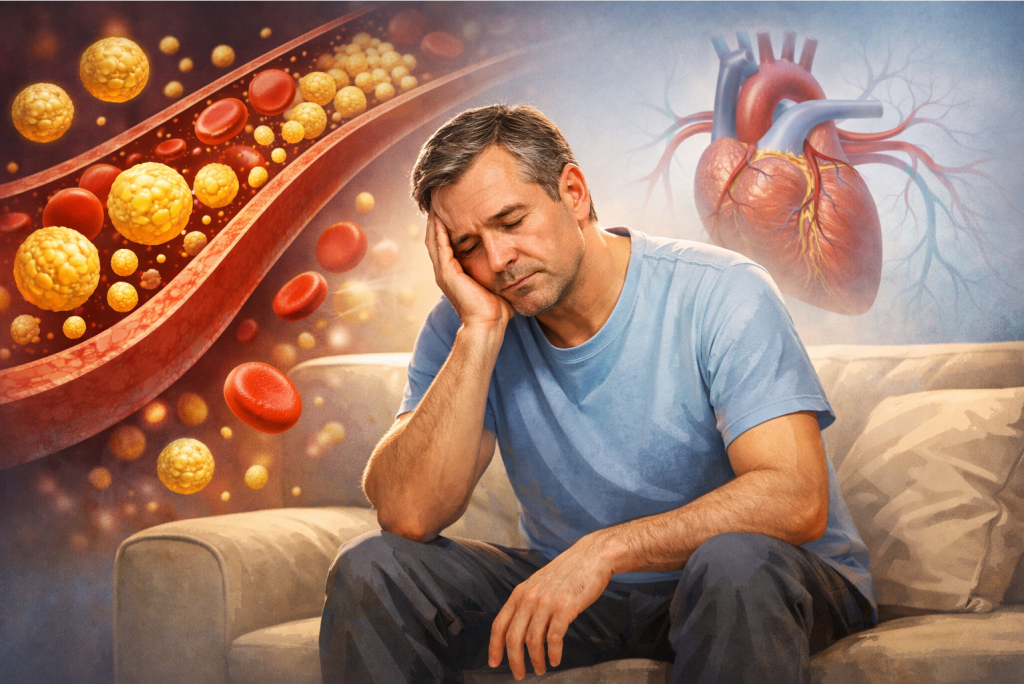
What Are Triglycerides? (Simple Explanation)
To understand the link to fatigue, we first need to define what triglycerides are. In simple terms, triglycerides are a type of fat (lipid) found in your blood. When you eat, your body converts any calories it does not need to use right away into triglycerides. These are then stored in your fat cells for later use. Between meals, hormones release triglycerides for energy.
This process is normal and essential for survival. However, problems arise when you consistently consume more calories than you burn, particularly from carbohydrates and sugars. Your body stores the excess as triglycerides, leading to high levels in the bloodstream—a condition known as hypertriglyceridemia.
Triglycerides vs. Cholesterol
It is common to confuse triglycerides with cholesterol. They are both lipids, but they serve different functions. Cholesterol is used to build cells and certain hormones, while triglycerides are used strictly for energy storage. When people ask, “Can high cholesterol and triglycerides cause fatigue?” They are often referring to this combined lipid imbalance, known as dyslipidemia.
Understanding Your Levels
Knowing your numbers is critical. A simple blood test called a lipid panel measures your triglycerides. Here is how the American Heart Association classifies these levels:
| Level | Range (mg/dL) | Meaning | Clinical Context |
| Normal | < 150 | Healthy | Low risk of metabolic issues. |
| Borderline | 150–199 | Elevated | Early warning sign; lifestyle changes recommended. |
| High | 200–499 | Risk | Increased risk of heart disease and metabolic syndrome. |
| Very High | 500+ | Dangerous | High risk of pancreatitis; medical intervention needed. |
Source: American Heart Association Guidelines, 2025.
If your levels are in the High or Very High range, you are more likely to experience associated metabolic symptoms, including fatigue. However, high triglycerides are often called a “silent” condition because many people have no obvious symptoms until complications arise.
Can High Triglycerides Cause Fatigue?
This is the core question many patients ask. As a physician, I must be precise: there is no direct physiological pathway where a triglyceride molecule itself makes you feel sleepy.
However, the clinical picture is rarely that simple. High triglycerides are rarely an isolated finding; they are part of a cluster of metabolic issues that absolutely drain energy.
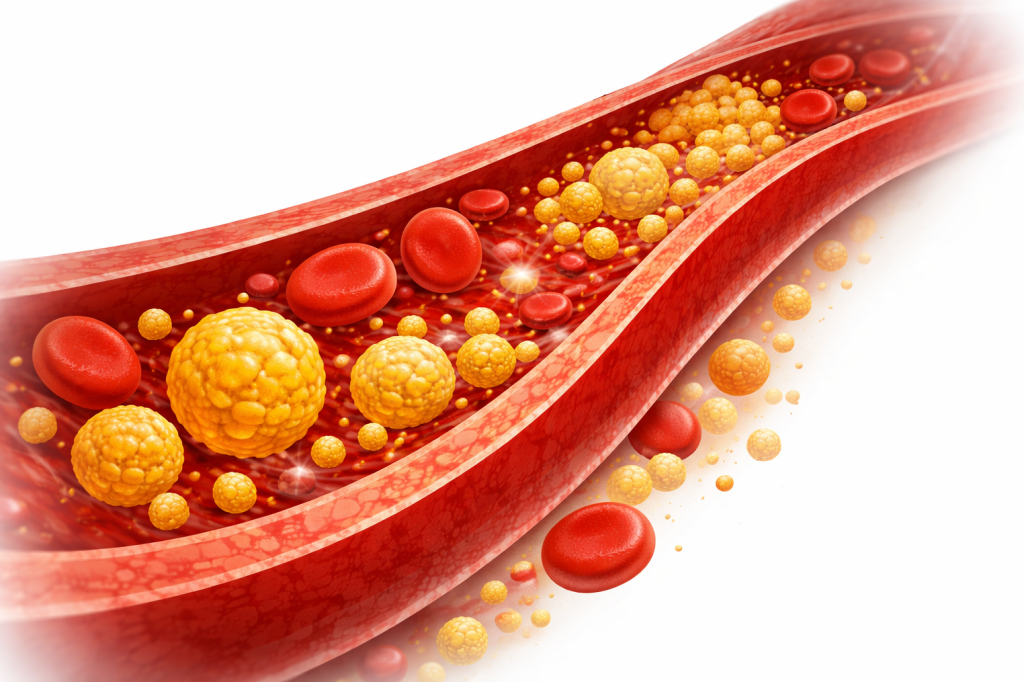
Why You May Feel Tired (Mechanisms)
If you are wondering why high triglycerides make you tired, consider these four underlying mechanisms that link lipid levels to energy depletion:
1. Insulin Resistance
This is the most significant factor. High triglycerides are a hallmark marker of insulin resistance. When your cells become resistant to insulin, they cannot absorb glucose (sugar) from the blood efficiently. Glucose is your body’s primary fuel source. If your cells are “starved” of glucose despite high blood sugar, you feel exhausted. If your triglycerides are high, your insulin likely is too, leading to cellular energy failure.
2. Chronic Inflammation
Elevated triglycerides are linked with systemic inflammation. When lipid levels are high, they can trigger an immune response, releasing inflammatory cytokines. Chronic inflammation is a well-documented cause of fatigue. It forces your immune system to work overtime, draining your energy reserves.
3. Poor Metabolic Health
High triglycerides rarely exist in a vacuum. They often coexist with obesity, high blood pressure, and high blood sugar—a cluster known as metabolic syndrome. Your heart has to work harder to pump blood through vessels lined with fatty deposits, and this increased physiological workload can manifest as general fatigue and reduced exercise tolerance.
4. Fatty Liver (NAFLD)
There is a strong connection between high triglycerides and Non-Alcoholic Fatty Liver Disease (NAFLD). When the liver is overloaded with fat, its ability to process toxins and regulate energy metabolism declines. Liver dysfunction is strongly associated with fatigue.
Can High Cholesterol and Triglycerides Cause Fatigue?
Patients often present with a full lipid panel showing abnormalities in multiple areas. When both cholesterol and triglycerides are elevated (combined dyslipidemia), the metabolic burden on the body increases.
- Reduced Circulation Efficiency: Over time, high levels of lipids can contribute to atherosclerosis (hardening of the arteries). This narrows the blood vessels, reducing blood flow efficiency. If your muscles and organs are not receiving optimal oxygenated blood, you may feel tired during physical activity.
- The Sleep Connection: High cholesterol and triglycerides are risk factors for sleep apnea, a condition where breathing stops repeatedly during sleep. Sleep apnea destroys sleep quality, leading to severe daytime fatigue.
Can High Triglycerides Cause Extreme Fatigue?
While moderate elevations might cause mild lethargy, extreme fatigue usually points to severe metabolic dysfunction or complications.
- Severe Metabolic Syndrome: The combination of insulin resistance, inflammation, and hormonal imbalances can lead to profound exhaustion. This is a physiological inability to generate energy efficiently.
- Red Flags (Diabetes & Thyroid): Uncontrolled blood sugar is a major cause of extreme fatigue. Since high triglycerides and diabetes are closely linked, one often signals the other. Hypothyroidism (an underactive thyroid) also slows down metabolism, leading to weight gain, high triglycerides, and severe fatigue.
- Pancreatitis Risk: If triglycerides exceed 500 mg/dL, there is a risk of pancreatitis. This condition causes severe abdominal pain, nausea, and extreme physical exhaustion, and is a medical emergency.
Other Symptoms of High Triglycerides
Because hypertriglyceridemia is often asymptomatic, knowing what it feels like when levels become significantly elevated can help you seek care earlier.
Common Signs Include:
- Fatigue: Indirectly through metabolic strain.
- Headaches: Possible due to associated inflammation or blood flow changes.
- Abdominal Discomfort: Especially if levels are high enough to risk pancreatitis.
- Skin Changes: Eruptive xanthomas (small, yellowish fat bumps) in extreme cases.
- Vision Changes: Lipemia retinalis (white appearance of retinal vessels) in very severe cases.
Symptoms in Females
Women often ask about symptoms of high triglycerides specifically affecting them. Hormonal fluctuations play a significant role in lipid metabolism. Conditions like Polycystic Ovary Syndrome (PCOS) and menopause are linked to higher triglyceride levels. Women with high triglycerides often report difficulty losing weight and persistent tiredness, partly due to the hormonal interplay with insulin.

How to Treat High Triglycerides (Evidence-Based)
The good news is that triglycerides are highly responsive to lifestyle changes. Unlike cholesterol, which can be heavily genetic, triglycerides often drop significantly with diet and exercise modifications.
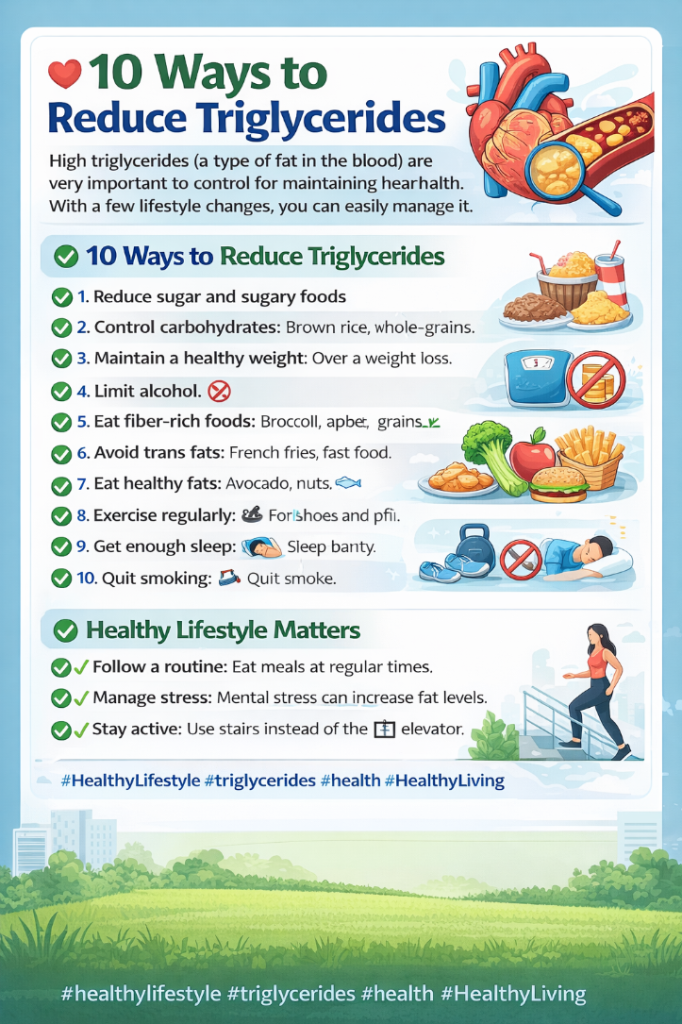
Lifestyle First (Primary Treatment)
According to the American Heart Association, lifestyle changes are the first line of defense:
- Reduce Sugar and Refined Carbs: This is the most critical step. Sugary drinks, white bread, pasta, and desserts spike insulin and triglycerides rapidly.
- Increase Omega-3 Intake: Fatty fish (salmon, mackerel, sardines) are rich in EPA and DHA, which lower triglycerides. Aim for two servings per week.
- Exercise 150+ Min/Week: Aerobic exercise burns triglycerides for fuel. Brisk walking, swimming, or cycling for 30 minutes a day can lower levels significantly.
- Weight Loss: Losing just 5–10% of your body weight can reduce triglycerides by 20% or more.
- Limit Alcohol: Alcohol is particularly potent at raising triglycerides.
Medications (When Needed)
If lifestyle changes are not enough, or if levels are very high (>500 mg/dL), medications may be prescribed:
- Statins: Primarily for cholesterol, but some also lower triglycerides.
- Fibrates: Specifically designed to lower triglyceride levels.
- Prescription Omega-3s: High-dose EPA/DHA formulations are FDA-approved for treating high triglycerides.
- Niacin: Can lower triglycerides but is used less frequently now due to side effects.
Supplements
- Fish Oil: Over-the-counter fish oil can help, but look for products with high EPA/DHA content.
- Berberine & Garlic Extract: Some evidence suggests these may help with lipid metabolism and insulin sensitivity.
(FDA Disclaimer: Dietary supplements are not intended to diagnose, treat, cure, or prevent any disease.)
When to See a Doctor
You should not wait for symptoms to appear before checking your lipid levels. However, certain signs warrant immediate medical attention:
- TG > 200 mg/dL: Schedule an appointment to discuss lifestyle changes.
- TG > 500 mg/dL: Seek care promptly to reduce pancreatitis risk.
- Persistent Fatigue: If tiredness lasts more than two weeks despite rest.
- Signs of Diabetes: Increased thirst, frequent urination, blurred vision.
Regular screening is key. The CDC recommends adults get their cholesterol and triglycerides checked every 4–6 years, or more frequently if you have risk factors.
Final Verdict (Conclusion)
So, can high triglycerides cause fatigue? The medical consensus is that while they are not a direct cause, they are a powerful indicator of metabolic dysfunction that does drain your energy. Fatigue is a signal, not the root cause. High triglycerides are a metabolic warning sign that your body is struggling to process fuel efficiently.
By addressing the root causes—insulin resistance, inflammation, and lifestyle habits—you can lower your triglycerides and often reclaim your energy levels. Do not ignore persistent tiredness. Use it as motivation to optimize your health.
Frequently Asked Questions (FAQs)
Can high triglycerides cause weight gain?
Usually, the relationship is the reverse. Weight gain typically leads to high triglycerides, not the other way around. When you consume excess calories, your body stores them as triglycerides. However, once triglycerides are high, the resulting insulin resistance can make it much harder to lose weight, creating a vicious cycle.
Can high triglycerides cause headaches?
There is a possible link due to inflammation and blood flow changes. While headaches are not a primary symptom of high triglycerides, the systemic inflammation associated with elevated lipids can trigger tension headaches or migraines in susceptible individuals.
Can high triglycerides cause anxiety?
There is an indirect link via metabolic and hormonal imbalance. High triglycerides themselves do not cause anxiety directly. However, the underlying metabolic dysfunction (such as blood sugar swings from insulin resistance) can mimic anxiety symptoms like jitteriness, heart palpitations, and irritability.
Can high triglycerides cause inflammation?
Yes, this is a well-established link. Elevated triglycerides are pro-inflammatory. When lipid levels are high, they can activate immune cells called macrophages, leading to the release of inflammatory cytokines throughout the body.
Can high triglycerides be a sign of cancer?
No, there is no direct link. High triglycerides are not a diagnostic marker for cancer. In isolation, high triglycerides are far more likely to signal metabolic syndrome or cardiovascular risk than malignancy.
Can high triglycerides cause bloody stools?
No, high triglycerides do not cause bloody stools or blood in the stool. This symptom is unrelated to lipid levels and typically indicates gastrointestinal issues such as hemorrhoids, fissures, or colorectal conditions. Seek medical attention immediately if you experience this.
Can high triglycerides cause thin, narrow, or skinny stools?
No. Changes in stool caliber (thin, flat, narrow, or skinny stools) are not caused by high triglycerides. Metabolic health affects many systems, but stool shape is determined by colon structure and function. Persistent changes in stool shape warrant a gastroenterologist’s evaluation.
Can high triglycerides cause black stool?
No. Black stool indicates digested blood from the upper GI tract. High triglycerides do not cause bleeding. Black stool is a potential medical emergency and should be evaluated immediately to rule out ulcers or other serious bleeding sources.
Can high triglycerides cause loose stools?
Generally no, though some medications used to treat high triglycerides (like high-dose fish oil or fibrates) can cause digestive upset or loose stools as a side effect.
Do internal hemorrhoids cause thin stools?
This relates to anal health, not triglycerides. Internal hemorrhoids typically cause bleeding but do not usually cause thin stools. Persistent thin stools should be evaluated for other causes such as polyps or tumors.
References & Further Reading
- American Heart Association (AHA). Triglycerides.
🔗 https://www.heart.org/en/health-topics/cholesterol/about-cholesterol/triglycerides - National Institutes of Health (NIH). High Blood Triglycerides. National Heart, Lung, and Blood Institute.
🔗 https://www.nhlbi.nih.gov/health/high-blood-triglycerides - Centers for Disease Control and Prevention (CDC). Cholesterol Facts.
🔗 https://www.cdc.gov/cholesterol/facts.htm - Endocrine Society. Clinical Practice Guidelines.
🔗 https://www.endocrine.org/clinical-practice-guidelines/clinical-practice-guidelines
(Note: Specific guidelines may be updated periodically; this link directs to the main guidelines hub.) - Mayo Clinic. High Triglycerides: Symptoms and Causes.
🔗 https://www.mayoclinic.org/diseases-conditions/high-triglycerides/symptoms-causes/syc-20353559 - World Health Organization (WHO). Cardiovascular Diseases Fact Sheets.
🔗 https://www.who.int/news-room/fact-sheets/detail/cardiovascular-diseases-(cvds) - UpToDate. Overview of Treatment of Hypertriglyceridemia.
🔗 https://www.uptodate.com/contents/overview-of-treatment-of-hypertriglyceridemia
(Note: UpToDate is a subscription-based clinical resource. Linking to the topic page ensures accuracy, though users may need institutional access.) - National Library of Medicine. Insulin Resistance and Metabolic Syndrome. PubMed Central.
🔗 https://www.ncbi.nlm.nih.gov/pmc/articles/PMC6935112/
(Note: This links to a specific open-access review article on pathophysiology. Alternatively, you may link to the NCBI Bookshelf: https://www.ncbi.nlm.nih.gov/books/NBK559160/)