Introduction: How to stabilize blood sugar overnight
Stabilizing blood sugar levels overnight is essential for people managing diabetes or anyone aiming to maintain optimal metabolic health. When blood sugar fluctuates during the night, it can lead to disrupted sleep, morning fatigue, and even long-term health complications. If you’ve been wondering how to stabilize blood sugar overnight, you’re not alone—many face challenges like unpredictable spikes, sudden drops, or difficulty achieving restful sleep due to blood sugar imbalances.
Nighttime blood sugar spikes can occur due to the natural hormonal changes our bodies experience during sleep, while dips, known as nocturnal hypoglycemia, might result from medication or insufficient food intake before bed. Both scenarios can negatively impact your well-being, making it crucial to adopt strategies that keep glucose levels steady throughout the night.
In this guide, we’ll explore simple, actionable tips for nighttime blood sugar management. From choosing the right bedtime snacks to understanding hormonal factors and creating effective routines, these insights will help you wake up feeling refreshed and in control.
Understanding Blood Sugar Fluctuations at Night
Blood sugar levels naturally fluctuate while you sleep, influenced by complex hormonal processes. Recognizing these patterns is key to achieving effective nighttime blood sugar management.
Why Spikes Happen: The Dawn Phenomenon
One common cause of high blood sugar in the early morning is the dawn phenomenon. This occurs when your body releases hormones like cortisol and growth hormone in the pre-dawn hours to prepare for waking. These hormones can reduce insulin sensitivity, causing a rise in glucose levels. If you find your blood sugar levels are higher in the morning despite your evening routine, this might be why.
Why Drops Happen: Nocturnal Hypoglycemia
Low blood sugar at night, or nocturnal hypoglycemia, often occurs when your insulin dose is too high, or you haven’t eaten enough before bed. Symptoms like sweating, nightmares, or waking up feeling disoriented are common indicators of this condition.
The Role of Hormones
Hormones play a central role in nighttime blood sugar management.
- Cortisol: Increases blood sugar levels during stress or the dawn phenomenon.
- Insulin: Lowers blood sugar by helping glucose enter cells; imbalance can cause spikes or drops.
- Glucagon: Works with the liver to release stored glucose, preventing levels from dropping too low.
Understanding these hormonal factors can help you better tailor your nighttime routine to maintain stable blood sugar levels. In the next sections, we’ll explore how to apply this knowledge through practical steps and lifestyle changes.
Bedtime Routines for Stable Blood Sugar

Creating a consistent bedtime routine is one of the most effective ways to stabilize blood sugar at night. By incorporating the right dietary choices, gentle physical activities, and proper medication management, you can promote steady glucose levels and enjoy restful sleep. Let’s dive into actionable steps that form an effective nighttime routine for diabetes management.
1. Dietary Tips for Stable Blood Sugar
Your last meal or snack of the day plays a critical role in how your blood sugar behaves overnight. Choosing foods that provide balanced macronutrients—protein, healthy fats, and low-glycemic index (GI) carbohydrates—can help stabilize blood sugar at night.
- Protein: Helps slow down glucose absorption, preventing spikes and dips. Options like eggs, lean meats, or Greek yogurt are ideal.
- Healthy Fats: Provide sustained energy without causing rapid glucose spikes. Consider snacks like avocado slices or a handful of almonds.
- Low-GI Carbohydrates: Slowly release glucose into the bloodstream. Examples include whole-grain crackers, berries, or a small serving of quinoa.
Best Bedtime Snacks
- A small apple with peanut butter.
- Plain Greek yogurt topped with chia seeds.
- A slice of whole-grain toast with avocado.
- A handful of walnuts or mixed nuts.
These snacks are designed to keep blood sugar stable while you sleep. Remember, the focus keyword is essential when planning your nighttime routine for diabetes management.
2. Physical Activity Tips
Light physical activity in the evening can help regulate blood sugar levels by improving insulin sensitivity. Activities like yoga, stretching, or a short walk after dinner can promote glucose stability. However, avoid vigorous exercise close to bedtime, as it may temporarily raise blood sugar and disrupt sleep.
- Evening Yoga: Gentle poses like child’s pose or legs-up-the-wall can reduce stress and improve blood flow.
- Stretching Routines: Focus on calming stretches to relax your muscles and mind before bed.
- Short Walks: A 10–15-minute stroll after dinner can help stabilize blood sugar at night without overexertion.
Incorporating these activities into your nighttime routine ensures your body is prepared for restful sleep and balanced glucose levels.
3. Medication Management
Following your doctor-prescribed medication plan is crucial for stable blood sugar overnight. Missing doses, taking the wrong amount, or mistiming your medications can lead to dangerous spikes or drops in glucose levels.
- Set Reminders: Use alarms or apps to remind yourself of insulin or oral medication doses.
- Monitor Timing: Some medications need to be taken with food, so align your bedtime snack with your prescription schedule.
- Consult Your Doctor: If your blood sugar readings are consistently high or low at night, discuss potential adjustments with your healthcare provider.
Medication works best when combined with a well-balanced diet and light physical activity, creating a holistic approach to managing your glucose levels.
In Summary
A strategic bedtime routine is key to stabilizing blood sugar at night. Focus on balanced dietary choices, incorporate gentle evening exercises, and adhere to your medication plan. With these steps, you can effectively manage your blood sugar and enjoy better sleep. Consistency in your nighttime routine for diabetes management makes all the difference!
Importance of Sleep for Blood Sugar Regulation
Sleep quality plays a vital role in maintaining stable blood sugar levels. Poor sleep not only affects overall health but also contributes to insulin resistance and disrupted glucose metabolism. If you’re trying to figure out how to stabilize blood sugar overnight, improving sleep quality is an essential step.
Impact of Poor Sleep on Blood Sugar
When you don’t get enough sleep, your body becomes less sensitive to insulin, a condition known as insulin resistance. This makes it harder for glucose to enter cells, leading to elevated blood sugar levels. Sleep deprivation also increases stress hormones like cortisol, which can further disrupt blood sugar regulation.
Inadequate sleep can cause spikes in blood sugar during the night or early morning, making it challenging to stabilize levels. For individuals with diabetes, this can lead to a cycle of poor sleep and unstable glucose levels, which negatively impacts long-term health.
Sleep Tips for Better Blood Sugar Regulation
- Set a Consistent Sleep Schedule: Go to bed and wake up at the same time daily to regulate your body’s internal clock.
- Limit Blue Light Exposure: Reduce screen time before bed to encourage melatonin production, which improves sleep quality.
- Create a Relaxing Environment: Dim the lights, keep your room cool, and avoid stimulants like caffeine late in the evening.
These simple steps are effective for improving sleep and blood sugar regulation. Better sleep will help you stabilize blood sugar overnight and promote overall metabolic health.
Preventing Dawn Phenomenon
The dawn phenomenon is a common cause of high blood sugar in the early morning. This natural process occurs when your body releases hormones like cortisol and growth hormone during the pre-dawn hours, causing glucose levels to rise. For those aiming to learn how to stabilize blood sugar overnight, understanding and managing this phenomenon is crucial.
Why Glucose Levels Spike Early in the Morning
During sleep, the body prepares to wake up by releasing hormones that stimulate the liver to produce glucose. This can lead to higher blood sugar levels upon waking, especially if insulin production or sensitivity is compromised.
Tips for Preventing Nighttime Blood Sugar Spikes
- Timed Meals: Avoid large, carb-heavy dinners close to bedtime. Opt for balanced meals earlier in the evening to give your body time to process glucose.
- Evening Exercise: Light physical activity like walking or yoga can improve insulin sensitivity, helping to prevent overnight spikes.
- Medication Adjustments: If you consistently experience high blood sugar in the morning, consult your doctor about adjusting your insulin dosage or timing.
By addressing the dawn phenomenon through meal timing, physical activity, and medication, you can effectively manage nighttime blood sugar spikes. These strategies are essential for maintaining steady glucose levels and improving your ability to stabilize blood sugar overnight.
Managing Nocturnal Hypoglycemia

Nocturnal hypoglycemia, or low blood sugar during the night, is a challenge many people face when trying to learn how to stabilize blood sugar overnight. It occurs when blood sugar drops below healthy levels while you sleep, leading to symptoms that can disrupt rest and impact your health.
What is Nocturnal Hypoglycemia?
Nocturnal hypoglycemia happens when glucose levels fall too low, often due to excessive insulin, missed meals, or increased physical activity during the day. Common symptoms include:
- Night sweats.
- Confusion or disorientation upon waking.
- Nightmares or restless sleep.
These symptoms can leave you feeling fatigued and unwell the following day. Proper management is crucial for preventing these disruptions and maintaining balanced blood sugar while sleeping.
Preventative Strategies
- Pre-Bedtime Snacks: Opt for snacks that combine complex carbohydrates and protein, such as whole-grain crackers with cheese or a small serving of Greek yogurt. These foods provide a steady glucose release throughout the night.
- Glucose Monitoring Before Bed: Check your blood sugar before sleeping to ensure it’s within a safe range. If it’s on the lower side, have a snack to prevent a drop during the night.
- Adjusting Medication: If you experience frequent nocturnal hypoglycemia, consult your doctor to fine-tune your insulin or other medications.
By addressing nocturnal hypoglycemia, you’ll be better equipped to stabilize blood sugar overnight, ensuring a healthier and more restful sleep.
Monitoring Blood Sugar Overnight
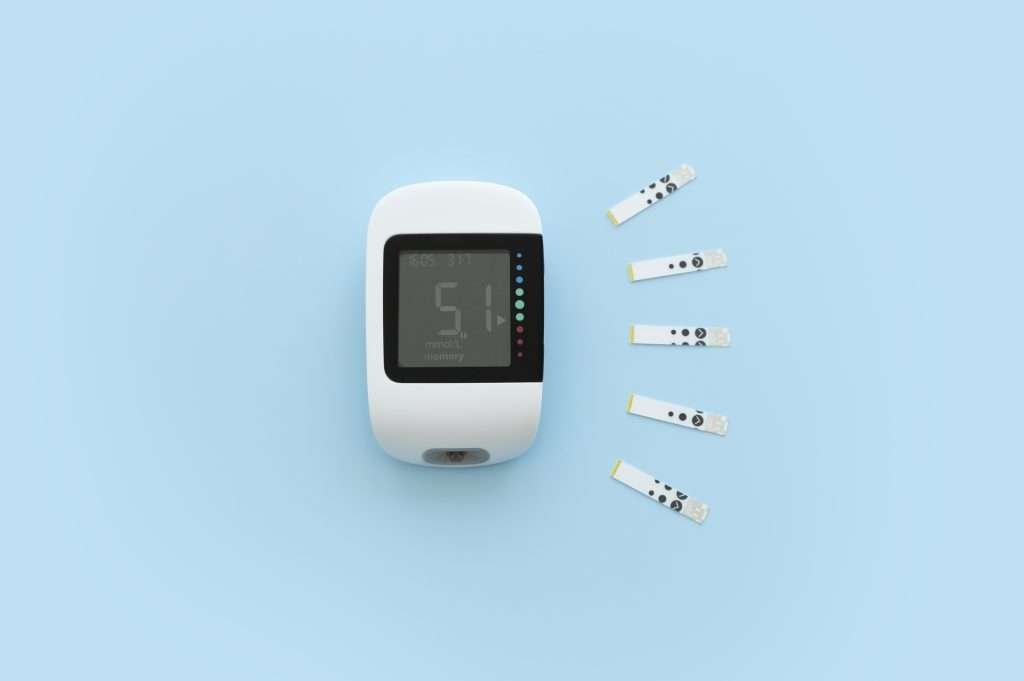
Tracking your blood sugar levels during the night is a cornerstone of balanced blood sugar while sleeping. With advancements in technology, it’s easier than ever to understand your glucose trends and make adjustments that support how to stabilize blood sugar overnight.
Role of Monitoring Tools
- Continuous Glucose Monitors (CGMs):
- CGMs provide real-time data on your blood sugar levels, alerting you to sudden changes during the night.
- These tools allow you to identify patterns, such as drops or spikes, so you can adjust your routine effectively.
- Traditional Glucose Monitors:
- Regular finger-prick checks before bed and upon waking can give you insights into your nighttime blood sugar stability.
Why Tracking Trends Matters
Monitoring trends over time helps you understand how factors like diet, exercise, and medication impact your glucose levels. For example:
- If your blood sugar consistently spikes in the early morning, you may need to adjust your evening routine or medication timing.
- If levels drop too low during the night, introducing a bedtime snack can help.
Regular monitoring not only helps you maintain balanced blood sugar while sleeping but also empowers you with actionable data to discuss with your healthcare provider.
By using CGMs or traditional glucose monitors, you’ll gain the insights needed to refine your approach to how to stabilize blood sugar overnight. This proactive strategy ensures better health outcomes and more restful sleep.
xpert Advice and FAQs
When it comes to understanding how to stabilize blood sugar overnight, insights from medical professionals can make all the difference. Endocrinologists and diabetes educators recommend strategies that are practical, sustainable, and backed by science. Here are some expert tips and answers to common questions.
Expert Insights
- Consistency is Key: Dr. Jane Doe, an endocrinologist, emphasizes, “A consistent bedtime routine that includes a balanced snack and regular glucose monitoring helps prevent fluctuations.” Maintaining a predictable schedule supports the body’s natural glucose regulation.
- Individualized Plans: Diabetes educators highlight the importance of personalized approaches. Factors like medication, activity level, and overall health can influence the best strategies for how to stabilize blood sugar overnight.
Common FAQs
Q: What’s the best bedtime snack for stable blood sugar?
A: A combination of protein, healthy fats, and low-GI carbs works best. Examples include:
- Whole-grain crackers with cheese.
- Greek yogurt with a sprinkle of nuts.
- A boiled egg and a slice of avocado.
Q: How late should I eat before bed?
A: Experts recommend having your last meal or snack about 1–2 hours before bedtime. This timing allows your body to process the food without causing a late-night spike or drop.
Quick Tip: Keep snacks small to avoid overloading your system and causing unintended spikes.
Additional Tips for Success
- Invest in a continuous glucose monitor (CGM) for real-time data.
- Avoid sugary or high-carb snacks that can cause sudden spikes.
- Stay hydrated, as dehydration can impact blood sugar stability.
With the right advice and small adjustments, mastering how to stabilize blood sugar overnight becomes achievable.
Conclusion
Learning how to stabilize blood sugar overnight is essential for promoting better health, achieving restful sleep, and effectively managing diabetes. Overnight blood sugar levels can significantly impact how you feel in the morning and throughout the day, making nighttime management a crucial aspect of overall glucose control.
One of the most effective ways to maintain stable blood sugar levels overnight is to focus on a balanced bedtime routine. This includes choosing snacks that combine protein, healthy fats, and low-glycemic index carbohydrates to prevent sudden spikes or dips while you sleep. Snacks like Greek yogurt with nuts or whole-grain crackers with cheese can provide a steady release of glucose through the night, helping you avoid nocturnal hypoglycemia or the dawn phenomenon.
Monitoring blood sugar levels is another key component of learning how to stabilize blood sugar overnight. Using tools like continuous glucose monitors (CGMs) or performing manual checks before bed allows you to identify patterns and make adjustments to your diet, activity, or medication as needed. Understanding these trends gives you greater control and helps you wake up with more consistent glucose readings.
Additionally, creating a consistent nighttime routine that incorporates light physical activity, such as yoga or stretching, and practices that enhance sleep quality, like limiting blue light exposure and maintaining a regular bedtime, supports stable blood sugar levels. Sleep is closely tied to insulin sensitivity and glucose metabolism, so improving your sleep hygiene plays a significant role in stabilizing your blood sugar overnight.
If you’re still facing challenges with how to stabilize blood sugar overnight, consulting a healthcare provider can provide valuable insights tailored to your needs. Personalized advice from a doctor or diabetes educator can address specific issues, such as medication timing or dietary adjustments, ensuring your plan is both effective and sustainable.
By combining a thoughtful approach to diet, a well-planned bedtime routine, and consistent glucose monitoring, you can effectively stabilize your blood sugar levels overnight and enjoy better health outcomes. Take small, actionable steps today to support your body while you sleep—and wake up feeling your best.
Key Strategies Recap
- Eat a balanced snack with protein, healthy fats, and low-GI carbs before bed.
- Engage in light physical activity, such as yoga or stretching.
- Monitor blood sugar levels to understand trends and make informed adjustments.
If you’re still struggling with how to stabilize blood sugar overnight, don’t hesitate to reach out to healthcare professionals. Personalized advice from a doctor or diabetes educator ensures that your plan is tailored to your unique needs.
Call to Action
Take control of your blood sugar management tonight! Implement these strategies and consult your doctor for additional guidance. Small changes lead to big improvements in your health and well-being.
Did You Know? Even small habits, like sticking to a consistent sleep schedule, can significantly impact blood sugar stability! Start building your routine today.