Introduction
For individuals with Type 2 diabetes, the idea of relying less on medication may seem like a dream—but it’s absolutely possible! With the right combination of lifestyle changes, such as a healthier diet, regular physical activity, stress management, and ongoing medical supervision, you can safely work toward reducing your dependence on diabetes drugs.
Before you get started, it’s essential to remember one important thing: never make changes to your diabetes medications without consulting your healthcare provider. Doctors and diabetes specialists will help you create a personalized plan to ensure any adjustments are safe and effective.
The journey to reduce diabetes medications requires effort, consistency, and patience, but the rewards are worth it. By taking control of your health through natural, proven strategies, you can improve your blood sugar levels, lower your A1C, and feel more energized in your daily life.
In this guide, we’ll explore practical, science-backed methods to help you reduce your reliance on medications. Whether you’re newly diagnosed or looking for ways to better manage your diabetes, small changes can lead to significant improvements. Remember, medication reduction doesn’t happen overnight, but with determination and the right support, it’s absolutely achievable!
Can You Reduce Diabetes Medications?
If you’re wondering how to reduce diabetes medications, the good news is that it can be done—especially for those managing Type 2 diabetes. However, the ability to cut back on diabetes drugs depends on several important factors. These include the type of diabetes you have, your current blood sugar control, and your overall health.
Type of Diabetes Matters
For individuals with Type 2 diabetes, lifestyle changes can play a significant role in improving blood sugar management. Unlike Type 1 diabetes, where the body doesn’t produce insulin at all, Type 2 diabetes often stems from insulin resistance. Insulin sensitivity can be improved with proper diet, exercise, and weight management.
Monitoring Blood Sugar Levels and A1C
Your doctor will assess your current blood sugar levels, typically measured using your daily readings and your A1C score—a test that reflects average blood sugar over three months. Lowering your A1C naturally through lifestyle changes can help determine whether reducing medications is a safe option for you.
Doctor’s Approval Is Critical
While making progress through diet and exercise is exciting, it’s crucial to work closely with your healthcare provider. They will monitor your health and make any necessary adjustments to ensure your blood sugar remains stable as medications are reduced.
Reducing Medications Doesn’t Mean a Cure
One common myth is that reducing diabetes medications equates to a “cure.” In reality, cutting back on medication is a sign of better diabetes management and improved health, but ongoing effort is still required to keep blood sugar in check.
By adopting proven lifestyle changes and collaborating with your doctor, reducing your medications can become a realistic goal. In the next sections, we’ll explore exactly how you can start this journey and what steps will help you move closer to achieving a healthier, more balanced life.
Lifestyle Changes to Reduce Diabetes Medications
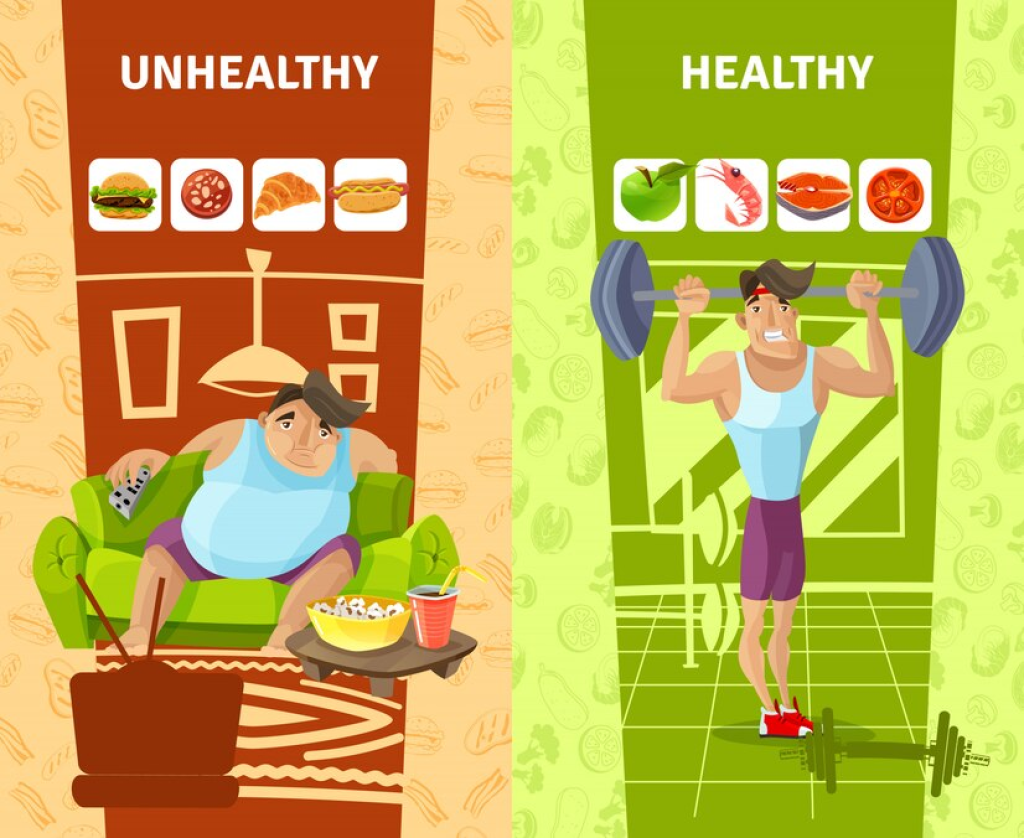
If you’re looking for practical ways to improve your blood sugar control and reduce diabetes medications, adopting certain lifestyle changes can be transformative. A balanced diet, regular exercise, weight management, stress relief, and better sleep are proven strategies to help you regain control of your health. Below, we’ll discuss each of these key strategies and how they can support your goal of reducing your reliance on medications.
1. Adopting a Healthy Diet
One of the most powerful ways to learn how to reduce diabetes medications is by improving your diet. The foods you eat directly impact your blood sugar levels, insulin sensitivity, and overall health.
- Focus on Low-Glycemic, High-Fiber Foods:
Low-glycemic foods release sugar slowly into the bloodstream, preventing sudden spikes. High-fiber foods improve digestion and help you feel full longer, reducing overeating. Include:- Non-starchy vegetables (e.g., spinach, broccoli, bell peppers)
- Lean proteins (chicken, turkey, fish)
- Whole grains (quinoa, oats, brown rice)
- Healthy fats (avocados, nuts, olive oil)
- Follow Proven Diet Plans:
Two diets highly recommended for diabetes management are:- The Mediterranean Diet: Rich in vegetables, whole grains, healthy fats, and lean proteins.
- The DASH Diet: Designed to improve heart health and blood sugar by emphasizing fresh foods and limiting sodium.
- Foods to Avoid:
If you want to reduce diabetes medications, steer clear of:- Refined carbohydrates (white bread, pastries)
- Sugary drinks (soda, sweetened juices)
- Processed foods (packaged snacks, fried foods)
Making these dietary changes will help stabilize your blood sugar and, over time, may reduce your need for diabetes medications.
2. Regular Physical Activity
Exercise plays a crucial role in improving insulin sensitivity and blood sugar control, making it a key strategy for those learning how to reduce diabetes medications.
- How Exercise Helps:
When you exercise, your muscles use glucose for energy, which naturally lowers blood sugar levels. It also helps your body respond better to insulin, reducing insulin resistance. - Types of Exercises to Include:
A combination of aerobic exercise and resistance training is most effective:- Aerobic Exercises: Activities like brisk walking, swimming, cycling, or dancing increase your heart rate and improve cardiovascular health.
- Resistance Training: Weightlifting, bodyweight exercises (like squats and push-ups), or resistance bands help build muscle, which improves glucose uptake.
- Recommended Duration:
The American Diabetes Association recommends at least 150 minutes of moderate exercise per week (e.g., 30 minutes a day, 5 days a week). If you’re new to exercise, start slow and gradually increase your activity level.
By staying active, you’ll not only feel better but also take significant steps toward reducing your diabetes medications naturally.
3. Weight Loss
If you’re overweight or obese, losing just 5-10% of your body weight can significantly lower blood sugar levels and help you learn how to reduce diabetes medications.
- Why Weight Loss Matters:
Excess weight contributes to insulin resistance, making it harder for your body to regulate blood sugar. By shedding extra pounds, you can improve insulin sensitivity and lower your A1C levels. - Safe Weight Loss Strategies:
- Calorie Control: Focus on creating a slight calorie deficit by eating nutrient-dense, low-calorie foods.
- Portion Management: Use smaller plates and measure serving sizes to avoid overeating.
- Mindful Eating: Eat slowly, pay attention to hunger cues, and avoid distractions like screens during meals.
Sustainable weight loss not only improves your blood sugar control but also brings you closer to reducing your reliance on medications.
4. Stress Management
Stress can have a significant impact on blood sugar levels, which is why learning to manage stress is key when figuring out how to reduce diabetes medications.
- How Stress Affects Blood Sugar:
When you’re stressed, your body releases hormones like cortisol, which can raise blood sugar levels. Chronic stress can make managing diabetes even more challenging. - Stress-Reducing Techniques:
- Meditation and Deep Breathing: Practicing mindfulness for just 10 minutes a day can help reduce stress.
- Yoga: Gentle yoga stretches and breathing exercises promote relaxation and balance.
- Journaling: Writing down thoughts and emotions can help you manage stress effectively.
By reducing stress, you can improve blood sugar stability and work toward reducing diabetes medications naturally.
5. Improving Sleep Patterns
Did you know poor sleep can worsen insulin resistance? Establishing better sleep habits is another powerful way to learn how to reduce diabetes medications.
- The Link Between Sleep and Blood Sugar:
Lack of sleep can disrupt your body’s ability to regulate blood sugar, increasing the risk of insulin resistance and weight gain. - Sleep Hygiene Tips:
- Set a Consistent Bedtime: Go to bed and wake up at the same time every day.
- Limit Screens Before Bed: Avoid devices like phones and tablets at least 30 minutes before sleep.
- Reduce Caffeine and Alcohol: Both can disrupt your sleep cycle, so try to limit intake in the afternoon and evening.
Improving your sleep quality will not only help regulate blood sugar but also contribute to your overall health and diabetes management goals.
By making these lifestyle changes—adopting a healthy diet, staying active, managing stress, losing weight, and improving sleep—you can take significant strides in your journey to reduce diabetes medications. Each small step brings you closer to better blood sugar control, improved health, and a more medication-free lifestyle. Remember, consistency is key, and with the right approach, success is absolutely achievable!
Monitoring Blood Sugar and A1C Levels

If you’re serious about learning how to reduce diabetes medications, regular monitoring of your blood sugar and A1C levels is essential. Tracking your progress will provide valuable insights into how your lifestyle changes are impacting your health and help you and your doctor determine when medication adjustments might be appropriate.
Why Regular Monitoring Matters
Blood sugar levels fluctuate throughout the day based on food, physical activity, stress, and sleep. By consistently monitoring your blood sugar, you can:
- Understand patterns and triggers affecting your levels.
- Identify progress as you work toward how to reduce diabetes medications.
- Prevent blood sugar highs and lows that could impact your health.
Tools to Use for Monitoring
- Blood Glucose Meters: These handheld devices allow you to check your blood sugar at home with a small fingerstick test. They’re portable, easy to use, and provide instant results.
- Continuous Glucose Monitors (CGMs): A CGM is a small wearable device that tracks blood sugar levels in real time. It provides a more comprehensive picture of your blood sugar trends throughout the day.
Tracking Your Progress
To work toward how to reduce diabetes medications, it’s important to maintain a log that includes:
- Blood Sugar Readings: Record daily levels to spot trends and improvements.
- Diet and Exercise: Note what you eat and how much physical activity you get each day.
- A1C Results: This test, done every 3-6 months, reflects your average blood sugar over time. Lower A1C scores are a key sign of progress.
Signs You May Be Ready to Adjust Medications
As your blood sugar levels improve and your A1C drops closer to target levels, it may indicate that you’re ready to reduce medications. However, this decision should always be made with your doctor’s guidance to ensure the changes are safe and sustainable.
Monitoring is a powerful tool for success in understanding how to reduce diabetes medications. It keeps you accountable, informed, and motivated as you work toward better blood sugar control.
Working with Your Doctor to Reduce Medications
While lifestyle changes play a significant role in helping you learn how to reduce diabetes medications, the process must always involve your doctor. A safe, gradual, and personalized approach will ensure your health remains a top priority.
Steps for a Safe, Doctor-Approved Plan
- Schedule Regular Checkups:
Your doctor will monitor your blood sugar, A1C levels, weight, and overall health. Regular checkups allow your healthcare team to assess whether your progress is stable enough to adjust medications. - Gradual Medication Adjustments:
Cutting back on diabetes medications should never be rushed. Your doctor may begin by reducing dosages of oral medications or insulin in small, incremental steps. This helps avoid complications such as blood sugar spikes or crashes. - Exploring Alternatives:
If your goal is to reduce traditional medications, discuss alternatives with your doctor, such as:- GLP-1 Receptor Agonists: These medications not only lower blood sugar but also promote weight loss and improve overall health outcomes.
- The Risks of Sudden Changes:
It’s tempting to stop or lower medications on your own when you start seeing progress, but this can be dangerous. Sudden changes may lead to:- Rebound Hyperglycemia: Blood sugar levels can spike dangerously high.
- Health Complications: Poorly controlled diabetes can lead to nerve, kidney, or eye damage.
Why a Personalized Plan Matters
Every individual’s diabetes journey is unique, which is why working with your doctor is key to safely learning how to reduce diabetes medications. A treatment plan tailored to your health, lifestyle, and progress will ensure you stay on track while minimizing risks.
Your doctor will celebrate your success, help you navigate challenges, and make adjustments as you continue improving. By partnering with your healthcare provider, you can reduce your reliance on medications safely and effectively.
Natural Supplements That May Help
For individuals exploring how to reduce diabetes medications, natural supplements can offer additional support when used alongside a healthy diet and lifestyle. While these supplements have scientific backing, it’s important to note that they are not a replacement for medications or medical advice. Always consult your doctor before adding any supplement to your routine.
1. Berberine
Berberine is a natural compound found in plants like goldenseal and barberry. Research shows that berberine can significantly lower blood sugar levels by improving insulin sensitivity and reducing glucose production in the liver. Many studies have compared berberine’s effects to common diabetes medications, making it a valuable option for those learning how to reduce diabetes medications.
2. Cinnamon
Cinnamon is well-known for its ability to improve insulin sensitivity and reduce fasting blood sugar levels. Adding a teaspoon of cinnamon to your diet—whether in smoothies, oatmeal, or tea—may help you better manage blood sugar and take steps toward how to reduce diabetes medications naturally.
3. Magnesium
Magnesium plays a critical role in glucose regulation and insulin function. Studies show that individuals with low magnesium levels are at a higher risk of insulin resistance. Foods like nuts, seeds, and leafy greens are natural sources, but magnesium supplements can also help stabilize blood sugar.
4. Omega-3 Fatty Acids
Found in fatty fish like salmon, flaxseeds, and walnuts, omega-3 fatty acids reduce inflammation, improve heart health, and support overall diabetes management. For those aiming to learn how to reduce diabetes medications, omega-3s can complement lifestyle changes and promote better long-term outcomes.
Caution: Consult Your Doctor First
While natural supplements can provide benefits, they can also interact with medications and affect blood sugar levels. Always consult your healthcare provider before trying supplements to ensure they are safe and appropriate for your needs.
By combining these supplements with a balanced lifestyle, you can take meaningful steps toward improving your blood sugar levels and reducing your dependence on medications.
Common Challenges and How to Overcome Them
Learning how to reduce diabetes medications comes with its challenges, but overcoming them is entirely possible with the right mindset and strategies. Below are some common hurdles and practical solutions to keep you on track.
1. Maintaining Diet and Exercise Consistency
Sticking to a healthy diet and regular physical activity can be challenging, especially when life gets busy. However, consistency is essential to reducing blood sugar levels and working toward how to reduce diabetes medications.
- Solution:
- Start with small, realistic goals like cooking healthy meals at home or exercising for 15 minutes a day.
- Use tools like meal planners or fitness apps to create structure and stay accountable.
2. Managing Cravings and Emotional Eating
Food cravings and emotional eating are common obstacles when working on diet changes. Giving in too often can hinder progress and slow your ability to learn how to reduce diabetes medications.
- Solution:
- Plan healthy snacks to curb cravings, such as nuts, berries, or hummus with veggies.
- Practice mindful eating: eat slowly, enjoy your food, and identify triggers for emotional eating.
- Replace food rewards with non-food alternatives, like a walk or a relaxing bath.
3. Overcoming Plateaus in Weight Loss and Blood Sugar Control
Hitting a plateau in weight loss or blood sugar levels can feel discouraging, especially when you’re committed to how to reduce diabetes medications.
- Solution:
- Track your progress: Keep a journal of meals, workouts, and blood sugar readings to identify areas for improvement.
- Reassess your strategy: Adjust calorie intake, increase exercise intensity, or try new workout routines.
- Seek support: Work with dietitians, diabetes coaches, or join online diabetes support communities for guidance and motivation.
Stay Motivated and Flexible
The journey to reduce diabetes medications is not always linear, but small, consistent efforts will pay off over time. Set realistic goals, celebrate progress (no matter how small), and don’t hesitate to ask for support when needed.
With the right mindset and tools, you can overcome these challenges and achieve better blood sugar control while learning how to reduce diabetes medications.
Conclusion
Reducing diabetes medications is a gradual and achievable goal with the right strategies, consistency, and support. By adopting healthy lifestyle changes—such as a balanced diet, regular physical activity, stress management, and proper sleep—you can take significant steps toward better blood sugar control.
Working closely with your healthcare provider is essential to ensure safe, doctor-approved adjustments to medications. Remember, progress doesn’t happen overnight, but every small step adds up to long-term, sustainable success. Stay committed to your journey, and you’ll discover that how to reduce diabetes medications is possible with effort and patience.
FAQ: How to Reduce Diabetes Medications
1. Can I reduce my diabetes medications on my own?
No. You must consult your doctor before making any changes to your medications to avoid health risks.
2. How long does it take to reduce diabetes medications?
It varies for each person, depending on blood sugar levels, lifestyle changes, and medical guidance.
3. What’s the most effective way to reduce medications?
Combining a healthy diet, regular exercise, weight loss, and consistent blood sugar monitoring is key.
4. Are natural supplements safe for reducing medications?
Some may help, but always consult your doctor before adding supplements to your routine.