Introduction: Safe Supplements for Diabetes
Managing diabetes can be a daily challenge, requiring careful attention to diet, medication, and lifestyle. Blood sugar control is essential for avoiding complications such as heart disease, nerve damage, and kidney issues. Alongside conventional treatments, many people explore safe supplements for diabetes to help support their health journey.

Supplements can play a complementary role in managing diabetes by promoting better blood sugar control, reducing inflammation, and supporting overall well-being. However, it’s important to remember that these are not miracle cures or substitutes for prescribed medications and a balanced diet. They work best as part of a comprehensive diabetes management plan, which includes proper medical guidance and regular monitoring.
Before adding any supplement to your routine, it’s essential to consult your healthcare provider. Each person’s needs are unique, and some supplements may interact with medications or health conditions. With the right approach and professional advice, safe supplements for diabetes can become valuable tools in maintaining better health and managing this condition effectively.
Understanding Supplements for Diabetes
What Are Diabetes-Friendly Supplements?
Diabetes-friendly supplements are natural or synthetic products that support blood sugar control and overall health. These can include vitamins, minerals, herbal extracts, and other nutrients. Unlike medications, these supplements aren’t designed to replace insulin or oral drugs but can complement traditional treatments to help manage diabetes more effectively.
How Do Supplements Help With Blood Sugar Management?
Certain supplements, like magnesium, chromium, and omega-3 fatty acids, have been shown to improve insulin sensitivity and reduce blood sugar levels. Others, such as cinnamon extract or alpha-lipoic acid, help combat oxidative stress and inflammation, common challenges for people with diabetes. Probiotics and fiber supplements support gut health, which plays an often-overlooked role in blood sugar regulation.
The Limitations of Supplements
While supplements for diabetes can be helpful, they should never be seen as a standalone solution. Managing diabetes requires a multifaceted approach, including prescribed medications, a nutritious diet, regular exercise, and consistent blood sugar monitoring. Supplements are an add-on, not a replacement.
Choosing safe supplements for diabetes involves thorough research, professional advice, and a clear understanding of their benefits and potential risks. When used wisely, they can make a significant difference in supporting your health and improving your quality of life.
Top 10 Safe Supplements for Diabetes
Adding the right supplements to your diabetes management plan can support better blood sugar control, reduce complications, and improve overall health. Below, we explore ten safe supplements for diabetes, backed by research and known for their potential benefits.

1. Magnesium
Magnesium is a mineral essential for hundreds of bodily functions, including insulin sensitivity and glucose metabolism. Studies have found that people with type 2 diabetes often have low magnesium levels, which can worsen insulin resistance.
Benefits for Diabetes Management
- Enhances insulin action, reducing blood sugar levels.
- Helps prevent complications like nerve and heart problems.
Scientific Evidence
A study published in Diabetes Care showed that higher magnesium intake was associated with a lower risk of type 2 diabetes.
Recommended Dosage
- 250-350 mg daily.
- Consult your doctor, especially if you have kidney issues.
2. Omega-3 Fatty Acids
Found in fish oil, omega-3s are known for their anti-inflammatory properties and cardiovascular benefits, both crucial for people with diabetes.
Benefits for Diabetes Management
- Improves heart health by lowering triglycerides.
- May reduce inflammation linked to insulin resistance.
Scientific Evidence
Research in the Journal of Clinical Endocrinology & Metabolism suggests omega-3s can improve lipid profiles in people with diabetes.
Recommended Dosage
- 1,000-2,000 mg of EPA and DHA daily.
- Look for supplements certified as mercury-free.
3. Chromium
Chromium is a trace mineral that supports glucose metabolism and insulin efficiency.
Benefits for Diabetes Management
- Improves blood sugar levels by enhancing insulin sensitivity.
- May help reduce HbA1c levels over time.
Scientific Evidence
A meta-analysis in Diabetes Technology & Therapeutics found that chromium supplementation improved blood sugar control in people with type 2 diabetes.
Recommended Dosage
- 200-1,000 mcg daily, depending on individual needs.
- Avoid excessive doses, as they may cause stomach upset.
4. Cinnamon Extract
Cinnamon has long been studied for its blood sugar-lowering effects.
Benefits for Diabetes Management
- Helps lower fasting blood sugar levels.
- Improves insulin sensitivity.
Scientific Evidence
A study in the Journal of Medicinal Food found that cinnamon can significantly reduce fasting blood sugar levels in people with type 2 diabetes.
Recommended Dosage
- 1-6 grams per day of Ceylon cinnamon.
- Avoid cassia cinnamon in large amounts, as it contains coumarin, which may harm the liver.
5. Vitamin D
Vitamin D plays a vital role in insulin secretion and function.
Benefits for Diabetes Management
- May improve insulin sensitivity.
- Supports bone and immune health, which are often compromised in diabetes.
Scientific Evidence
Research in Diabetes & Metabolism indicates that adequate vitamin D levels are associated with improved glycemic control.
Recommended Dosage
- 1,000-4,000 IU daily, based on blood levels.
- Regular testing is recommended to avoid toxicity.
6. Alpha-Lipoic Acid (ALA)
ALA is a powerful antioxidant that combats oxidative stress and nerve damage, common issues in diabetes.
Benefits for Diabetes Management
- Reduces symptoms of diabetic neuropathy.
- May improve insulin sensitivity.
Scientific Evidence
Studies in Diabetes Care show that ALA supplementation improves nerve function and reduces pain in diabetic neuropathy.
Recommended Dosage
- 600-1,200 mg daily.
- Take with food to avoid stomach upset.
7. Berberine
Berberine is a natural compound found in plants that has shown remarkable effects on blood sugar control.
Benefits for Diabetes Management
- Lowers fasting blood glucose levels and HbA1c.
- Improves gut health and reduces inflammation.
Scientific Evidence
A study in Metabolism found that berberine is as effective as metformin in reducing blood sugar levels.
Recommended Dosage
- 500 mg, 2-3 times daily.
- Avoid if you are pregnant or breastfeeding.
8. Zinc
Zinc is essential for insulin production and immune system function.
Benefits for Diabetes Management
- Improves insulin synthesis and secretion.
- Supports wound healing and immunity.
Scientific Evidence
A study in Biological Trace Element Research highlighted zinc’s role in improving glycemic control in type 2 diabetes.
Recommended Dosage
- 15-30 mg daily.
- Long-term use may require copper supplementation to avoid imbalance.
9. Probiotics
Probiotics are beneficial bacteria that promote gut health, which can influence blood sugar control.
Benefits for Diabetes Management
- Enhances insulin sensitivity through gut microbiota regulation.
- May reduce inflammation and oxidative stress.
Scientific Evidence
Research in Diabetes Research and Clinical Practice suggests that probiotics can improve fasting blood sugar levels and HbA1c.
Recommended Dosage
- 1-10 billion CFUs daily.
- Choose strains like Lactobacillus and Bifidobacterium.
10. Fiber Supplements
Fiber supplements help slow the absorption of glucose in the digestive system.
Benefits for Diabetes Management
- Reduces post-meal blood sugar spikes.
- Supports healthy digestion and weight management.
Scientific Evidence
A review in The American Journal of Clinical Nutrition found that soluble fiber significantly reduces HbA1c and fasting glucose levels.
Recommended Dosage
- 5-10 grams of soluble fiber daily.
- Start slowly to avoid bloating.
Incorporating these safe supplements for diabetes into your routine can provide additional support for blood sugar management and overall health. However, always consult your healthcare provider to determine the best choices for your specific needs. With the right supplements and guidance, managing diabetes can become a more achievable goal.
How to Choose Safe Supplements for Diabetes
Choosing the right supplements is crucial for managing diabetes safely and effectively. While supplements can offer valuable health benefits, not all products are created equal. Here’s how to ensure you’re selecting safe supplements for diabetes that meet quality and safety standards:
1. Look for Certifications
Quality matters when it comes to supplements. Reputable third-party organizations like NSF International, United States Pharmacopeia (USP), or ConsumerLab independently test supplements for purity, potency, and safety. Products with these certifications are less likely to contain contaminants or unlisted ingredients.
When shopping for supplements, always check the label for these seals of approval to ensure you’re getting a safe and effective product.
2. Ingredient Safety
Diabetes-friendly supplements should have a clean ingredient profile. Avoid products that contain:
- Harmful additives, such as artificial colors or preservatives.
- High doses of unproven or risky ingredients, like proprietary blends.
Pay special attention to labels to ensure supplements don’t include ingredients that might raise blood sugar levels, such as added sugars or starch fillers. Stick to supplements with clinically studied, evidence-backed components.
3. Consult a Professional
Every individual has unique health needs, and supplements may interact with medications or pre-existing conditions. Consulting with your healthcare provider or a registered dietitian is vital for ensuring safety.
- Personalized Guidance: A healthcare professional can recommend supplements based on your specific health status and diabetes management plan.
- Monitor Progress: Regular check-ups can help track how supplements affect your blood sugar levels and overall health.
Making informed decisions with professional advice reduces the risk of adverse effects and ensures the supplements fit your unique requirements.
Potential Risks and Precautions
While supplements can be beneficial, they are not without risks. Understanding the potential drawbacks is essential for using safe supplements for diabetes responsibly.
1. Medication Interactions
Many diabetes medications, such as insulin or metformin, can interact with supplements. For example:
- Berberine may amplify the blood sugar-lowering effects of medications, causing hypoglycemia.
- Omega-3 fatty acids can thin the blood, potentially interacting with anticoagulants.
Always discuss new supplements with your doctor to avoid harmful interactions.
2. Watch for Adverse Effects
Even natural supplements can cause side effects. Be alert for symptoms like:
- Nausea, dizziness, or digestive discomfort.
- Allergic reactions, such as itching or swelling.
If you notice these signs, stop taking the supplement and consult a healthcare provider.
3. Beware of Scams
Be cautious of products claiming to “cure” diabetes or replace medications entirely. These unregulated products often contain hidden or harmful ingredients and lack scientific backing. Choose supplements from reputable brands with transparent ingredient lists and evidence-based claims.
By understanding these risks and following proper precautions, you can confidently incorporate safe supplements for diabetes into your routine, maximizing benefits while minimizing harm.
Lifestyle and Supplements: A Holistic Approach to Diabetes
While supplements can play a significant role in supporting blood sugar management, they work best when combined with a balanced lifestyle. A holistic approach that integrates supplements, healthy eating, physical activity, and stress management can offer optimal results for diabetes management.
1. Balanced Nutrition
- Supplements should complement, not replace, a nutritious diet rich in whole foods.
- Focus on low-glycemic foods, high-fiber vegetables, lean proteins, and healthy fats.
- Pairing supplements like magnesium or fiber with nutrient-dense meals can enhance their benefits.
2. Regular Exercise
- Physical activity helps improve insulin sensitivity and supports natural blood sugar control.
- Pairing safe supplements like omega-3 fatty acids with a consistent exercise routine can reduce inflammation and improve overall cardiovascular health.
3. Stress Management
- Chronic stress can elevate blood sugar levels. Supplements such as adaptogens (e.g., ashwagandha) and B-complex vitamins may support stress reduction when combined with mindfulness practices like yoga or meditation.
4. Consistent Monitoring
- Regular blood sugar checks ensure that supplements and lifestyle changes are working effectively.
- Monitoring helps identify any interactions or issues early, especially when taking supplements alongside medications.
5. Sleep Quality
- Poor sleep can worsen insulin resistance and blood sugar levels. Supplements like magnesium and melatonin can support better sleep patterns and indirectly improve glucose control.
Final Note: A holistic approach to diabetes management that includes supplements, lifestyle changes, and medical guidance empowers individuals to take control of their health effectively and safely.
Conclusion: Choosing Safe Supplements for Diabetes
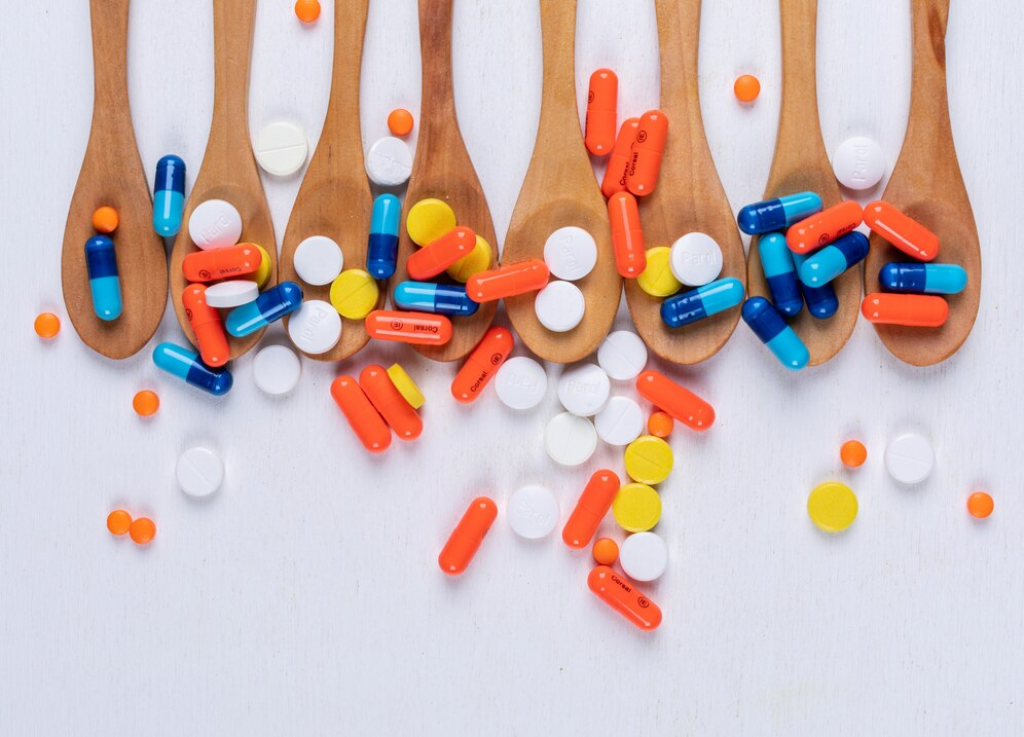
Managing diabetes effectively requires a comprehensive approach that combines a balanced diet, regular exercise, prescribed medications, and, when appropriate, safe supplements for diabetes. These supplements can play a supportive role in controlling blood sugar, reducing complications, and improving overall health. However, not all supplements are created equal, and choosing the right ones requires careful consideration.
Evidence-based supplements, such as magnesium, omega-3 fatty acids, and berberine, have shown promise in supporting blood sugar control and addressing common complications associated with diabetes. But their effectiveness depends on factors such as quality, proper dosage, and individual health needs. Always prioritize products backed by third-party certifications like NSF or USP to ensure purity and safety.
It’s essential to remember that safe supplements for diabetes are not a substitute for medications or a well-rounded lifestyle. Instead, they complement your existing diabetes management plan, offering additional support when used responsibly. Consulting healthcare professionals is a critical step in this process, as they can provide personalized advice based on your specific medical history, current treatments, and overall health goals.
By focusing on safety, scientific evidence, and professional guidance, you can make informed decisions about incorporating safe supplements for diabetes into your routine. With the right approach, these supplements can enhance your efforts to achieve better blood sugar control and live a healthier life. Always prioritize your well-being and work closely with your healthcare team to ensure success.
FAQ: What Supplements are Safe for Diabetes?
Incorporating safe supplements into your diabetes management plan can be beneficial, but it’s essential to approach this practice with informed caution. Here are some frequently asked questions to guide you:
1. Can supplements replace diabetes medications?
No, supplements cannot replace prescribed diabetes medications. They may support blood sugar control but should only be used as complementary to your existing treatment plan. Always consult your healthcare provider before making any changes.
2. Are there any supplements that can help lower blood sugar levels?
Certain supplements, such as cinnamon, berberine, and alpha-lipoic acid, have shown potential in supporting blood sugar control. However, their effectiveness varies among individuals, and they should be used under medical supervision.
3. How do I know if a supplement is safe and effective?
Look for supplements that have been tested by reputable third-party organizations like the United States Pharmacopeia (USP) or NSF International. These certifications indicate that the product meets quality and safety standards.
4. Can supplements interact with my diabetes medications?
Yes, some supplements can interact with diabetes medications, potentially causing adverse effects. For example, berberine may amplify the effects of blood sugar-lowering medications, leading to hypoglycemia. Always discuss any new supplements with your healthcare provider.
5. Are natural supplements always safe for people with diabetes?
Not necessarily. “Natural” doesn’t always mean safe. Some natural supplements can have side effects or interact with medications. It’s crucial to consult your healthcare provider before starting any new supplement.
6. How should I incorporate supplements into my diabetes management plan?
Supplements should be considered an addition to, not a replacement for, a comprehensive diabetes management plan that includes a balanced diet, regular exercise, and prescribed medications. Consult your healthcare provider to develop a personalized approach.
7. Are there any supplements I should avoid?
Some supplements may not be suitable for individuals with diabetes. For instance, high doses of niacin can affect blood sugar control. It’s essential to consult your healthcare provider before taking any new supplement.
8. Is it necessary to take supplements if I have diabetes?
Not everyone with diabetes needs to take supplements. A well-balanced diet often provides necessary nutrients. However, some individuals may benefit from specific supplements due to deficiencies or particular health needs. Consult your healthcare provider for personalized advice.
9. How can I ensure the quality of the supplements I choose?
Purchase supplements from reputable brands and look for third-party testing certifications. Avoid products with claims that seem too good to be true, such as “miracle cures.” Consult your pharmacist or healthcare provider for recommendations.
10. What should I do if I experience side effects from a supplement?
If you experience any adverse effects after taking a supplement, discontinue use immediately and consult your healthcare provider. It’s essential to monitor your body’s responses when introducing any new supplement into your regimen.
Always remember, while supplements can play a role in supporting health, they should be used responsibly and under professional guidance, especially when managing a condition like diabetes.