Introduction
A vegan diet, centered around plant-based foods and free of animal products, has been gaining immense popularity in recent years. From reducing environmental impact to promoting better health, more people are turning to this lifestyle for various reasons. But is vegan diet good for diabetes? This question is at the forefront of discussions about managing chronic conditions through dietary changes.
For people living with diabetes, particularly type 2 diabetes, diet plays a crucial role in maintaining blood sugar levels and overall health. Traditional dietary advice often emphasizes lean meats and low-glycemic carbohydrates, but growing evidence suggests that plant-based diets could offer a powerful alternative.
Consider this: a 2019 study published in Nutrients found that individuals following a plant-based diet experienced better blood sugar control and improved insulin sensitivity compared to those on omnivorous diets. These findings are driving interest among diabetics and healthcare providers alike.
Whether you’re managing diabetes, supporting someone who is, or simply curious about the benefits of veganism, this guide will explore how a vegan diet can impact diabetes management. From the potential health benefits to practical meal ideas, you’ll discover why plant-based eating is becoming a popular choice for those seeking better blood sugar control.
What is a Vegan Diet?
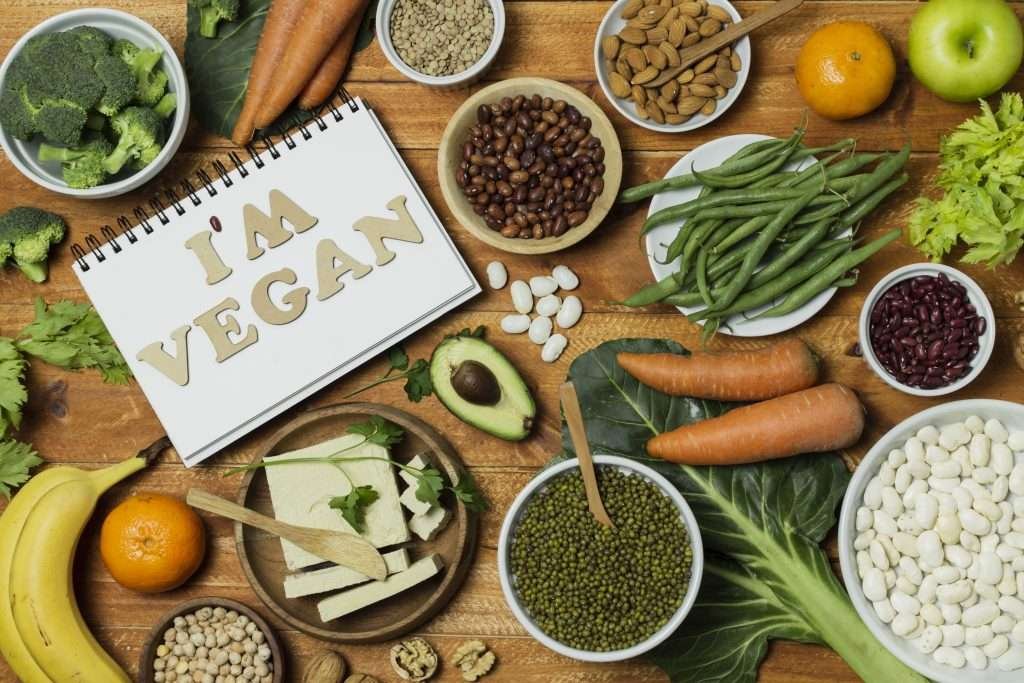
A vegan diet is a way of eating that excludes all animal products, including meat, dairy, eggs, and even honey. Instead, it focuses entirely on plant-based foods like fruits, vegetables, grains, legumes, nuts, and seeds. With its emphasis on whole, natural ingredients, many people wonder, is vegan diet good for diabetes? The answer lies in understanding its key principles and differences from other diets.
One important distinction is between veganism and vegetarianism. While vegetarians avoid meat, they often include dairy and eggs in their meals. Vegans, on the other hand, exclude all animal-derived products, embracing a lifestyle that prioritizes plants not only for health reasons but also for ethical and environmental considerations.
A well-planned vegan diet typically emphasizes whole foods—such as fresh produce, whole grains, and legumes—over processed alternatives. These choices are rich in fiber, vitamins, and minerals, making them beneficial for overall health. This focus on whole, plant-based ingredients is particularly relevant for those managing diabetes, as these foods have a lower glycemic index and help stabilize blood sugar levels.
However, not all vegan foods are created equal. Highly processed vegan options, like plant-based burgers or sugary snacks, may offer convenience but lack the nutritional benefits of whole foods. For individuals asking, is vegan diet good for diabetes, it’s crucial to prioritize natural, minimally processed options to reap the full benefits.
By understanding the basics of a vegan diet and making informed food choices, diabetics can explore its potential to support better blood sugar control and overall health.
Diabetes and Diet: Why It Matters

Managing diabetes is closely tied to diet, as the foods you eat have a direct impact on blood sugar levels, insulin sensitivity, and overall health. But how significant is the role of diet, and is vegan diet good for diabetes? To answer this, it’s essential to examine how different nutrients affect the body and why thoughtful dietary choices are critical.
Carbohydrates, the primary source of energy, play a central role in diabetes management. When consumed, carbs break down into glucose, raising blood sugar levels. The type of carbohydrates matters significantly—complex carbs found in whole grains, legumes, and vegetables digest more slowly, leading to a steadier rise in blood sugar. A vegan diet, rich in these complex carbs, can help regulate blood sugar more effectively.
Fiber, abundant in plant-based foods, is another key factor. It slows the absorption of sugar into the bloodstream and supports healthy digestion. Studies have shown that high-fiber diets improve glycemic control, making this a strong reason to consider the question, is vegan diet good for diabetes.
Fats also play a crucial role. While unhealthy fats can exacerbate insulin resistance, healthy fats from nuts, seeds, and avocados improve insulin sensitivity and heart health—important considerations for diabetics. A well-planned vegan diet prioritizes these healthier fat sources.
The link between plant-based diets and better health outcomes for diabetics is increasingly supported by research. Whole-food, plant-based eating has been shown to reduce insulin resistance, aid in weight management, and lower the risk of diabetes-related complications. This approach is particularly effective because plant-based foods are naturally nutrient-dense and low in calories, making it easier to maintain a healthy weight.
For those wondering, is vegan diet good for diabetes, the evidence points to significant benefits. By choosing nutrient-rich, plant-based foods, individuals with diabetes can better manage their condition, improve insulin sensitivity, and support their overall well-being.
Benefits of a Vegan Diet for Diabetes
For individuals managing diabetes, diet is a powerful tool. Increasingly, research and testimonials suggest that a vegan diet can offer notable health advantages. But is vegan diet good for diabetes? Let’s dive into the specific ways plant-based eating can benefit those with diabetes.
Improved Insulin Sensitivity
One of the standout benefits of a vegan diet for diabetes is its positive impact on insulin sensitivity. Insulin, a hormone that regulates blood sugar, often becomes less effective in those with type 2 diabetes. Plant-based foods, especially those rich in antioxidants like leafy greens, berries, and legumes, help reduce inflammation and oxidative stress, both of which are linked to insulin resistance. As a result, individuals on a vegan diet may experience better glucose metabolism and more stable blood sugar levels.
Better Weight Management
Weight management is a key factor in diabetes care, and a vegan diet excels in this area. Plant-based meals are typically lower in calorie density while being rich in fiber, helping you feel full with fewer calories. Foods like beans, whole grains, and vegetables are not only satisfying but also support healthy weight loss or maintenance. Since excess weight is a major risk factor for insulin resistance, maintaining a healthy weight answers the question is vegan diet good for diabetes with a resounding yes.
Rich in Fiber and Low-Glycemic Foods
Fiber is a superstar nutrient for diabetics, and a vegan diet is packed with it. High-fiber foods like lentils, quinoa, and vegetables slow the absorption of sugar into the bloodstream, preventing sharp blood sugar spikes. Additionally, many vegan staples—such as whole grains and legumes—are naturally low on the glycemic index, meaning they have a gentler effect on blood sugar. This combination of fiber and low-glycemic foods makes vegan eating particularly effective for blood sugar management.
Heart Health Benefits
Cardiovascular disease is a common complication for diabetics, but a vegan diet can help mitigate this risk. By avoiding saturated fats found in animal products and focusing on heart-healthy fats from sources like avocados, nuts, and seeds, vegans often enjoy improved cholesterol profiles. Studies have shown that vegan diets can lower LDL (“bad”) cholesterol and reduce blood pressure, both of which are crucial for diabetics aiming to protect their heart health.
Conclusion
So, is vegan diet good for diabetes? The benefits are clear. From enhanced insulin sensitivity to better weight management and improved heart health, a vegan diet offers a holistic approach to managing diabetes. By emphasizing fiber-rich, low-glycemic, and nutrient-dense foods, this plant-based lifestyle can be a game-changer for individuals seeking natural and effective ways to control their blood sugar.
Potential Challenges of Vegan Diets for Diabetics

While the benefits of a vegan diet for diabetes are promising, there are challenges to consider. For those asking, is vegan diet good for diabetes, understanding these potential obstacles is key to making informed dietary choices.
Nutrient Deficiencies
A common concern for vegans is the risk of nutrient deficiencies. Essential nutrients like vitamin B12, omega-3 fatty acids, iron, and protein are often associated with animal-based foods. Without proper planning, diabetics following a vegan diet may struggle to meet their nutritional needs, which could impact their overall health. For example, B12 is vital for nerve function and is found almost exclusively in animal products. Similarly, omega-3s, important for heart health, are limited in plant-based sources. To fully answer the question, is vegan diet good for diabetes, it’s crucial to address these gaps with fortified foods or supplements.
High-Carb Vegan Foods
Many plant-based staples, such as rice, pasta, and starchy vegetables, are high in carbohydrates. While these foods are nutrient-rich, consuming them in excess can lead to blood sugar spikes. Balancing carb intake with adequate protein and healthy fats is essential for managing diabetes on a vegan diet. This challenge often makes people wonder, is vegan diet good for diabetes, as it requires careful meal planning to maintain stable blood sugar levels.
Limited Options When Eating Out
Eating out can be tricky for vegan diabetics. Restaurant options may lack low-carb, nutrient-dense vegan choices, leading to reliance on processed or carb-heavy meals. However, with preparation—such as reviewing menus in advance or requesting modifications—it’s possible to enjoy dining out while sticking to a vegan diet.
Practical Tips for Managing Diabetes on a Vegan Diet
For those exploring the question is vegan diet good for diabetes, practical strategies can make all the difference. By focusing on balance and nutrient-rich choices, managing diabetes on a vegan diet becomes achievable and sustainable.
Balancing Carbohydrates with Plant-Based Proteins
To prevent blood sugar spikes, pair carbohydrate-rich foods with protein sources like tofu, tempeh, or legumes. For example, combine quinoa with lentils or chickpeas for a well-rounded meal. This approach slows digestion and stabilizes blood sugar levels.
Monitoring Portion Sizes and Glycemic Index Awareness
Even healthy vegan foods can impact blood sugar if eaten in large quantities. Pay attention to portion sizes and prioritize low-glycemic options like sweet potatoes, oats, and non-starchy vegetables. Apps or glycemic index charts can help guide your choices.
Including Fortified Foods and Supplements
To address potential nutrient deficiencies, incorporate fortified plant-based milks, nutritional yeast (for B12), and flaxseeds or chia seeds (for omega-3s). Supplements for B12 and omega-3s are also highly recommended for vegans managing diabetes.
Sample Meal Ideas
- Breakfast: Steel-cut oats with chia seeds, almond milk, and fresh berries.
- Lunch: Quinoa salad with roasted vegetables, chickpeas, and tahini dressing.
- Dinner: Lentil curry served with steamed spinach and a side of brown rice.
- Snacks: Raw veggies with hummus or a handful of almonds.
Conclusion
So, is vegan diet good for diabetes? With thoughtful planning, it absolutely can be. By focusing on balance, monitoring nutrient intake, and choosing low-glycemic, nutrient-rich foods, a vegan diet can help diabetics maintain stable blood sugar levels and improve overall health.
Scientific Evidence Supporting Vegan Diet for Diabetes
The growing interest in plant-based diets has led researchers to investigate their impact on diabetes. For those asking, is vegan diet good for diabetes, the scientific evidence is compelling.
Recent Studies and Findings
A study published in the Journal of Geriatric Cardiology found that individuals following a vegan diet experienced improved blood sugar control and reduced insulin resistance compared to those on a standard omnivorous diet. The high fiber and low-glycemic nature of plant-based foods are thought to play a significant role in these benefits.
Another clinical trial, conducted by the American Journal of Clinical Nutrition, observed that participants with type 2 diabetes who switched to a vegan diet saw reductions in HbA1c levels—a key marker of long-term blood sugar control. These findings highlight the potential of vegan diets to help diabetics achieve better health outcomes.
Insights from Experts
Experts in plant-based nutrition, including Dr. Neal Barnard of the Physicians Committee for Responsible Medicine, advocate for vegan diets as a tool for managing diabetes. Dr. Barnard’s research has shown that a vegan diet not only helps control blood sugar but may also reverse insulin resistance in some cases. These results support the question is vegan diet good for diabetes with a strong “yes.”
By focusing on nutrient-dense, low-fat, and high-fiber foods, diabetics can take advantage of the unique benefits a vegan diet offers. While more research is always valuable, the existing evidence points to significant improvements in both short- and long-term diabetes management.
Conclusion and Final Thoughts

So, is vegan diet good for diabetes? The answer lies in its many benefits and manageable challenges. A vegan diet can enhance insulin sensitivity, improve weight management, and reduce the risk of diabetes-related complications like heart disease. However, it’s essential to plan carefully to avoid nutrient deficiencies and ensure blood sugar stability.
Before making any major dietary changes, consult with a healthcare professional or dietitian to tailor the diet to your specific needs. Diabetes management is highly individual, and a personalized approach is crucial for long-term success.
With the right guidance, transitioning to a vegan diet could be a powerful step toward better diabetes control and overall health.
Call-to-Action (CTA)
“Ready to take the plant-based plunge? Speak with your healthcare provider and explore the life-changing benefits of a vegan diet for diabetes today!”
FAQ: Vegan Diet and Diabetes
1. Is vegan diet good for diabetes?
Yes, a vegan diet can be beneficial for diabetes management when properly planned. The high fiber content, low glycemic index of plant-based foods, and absence of saturated fats in a vegan diet can help improve blood sugar control, enhance insulin sensitivity, and reduce the risk of complications. However, it’s essential to balance nutrients and monitor portion sizes to avoid spikes in blood sugar.
2. Can a vegan diet reverse type 2 diabetes?
While no diet can guarantee a complete reversal of type 2 diabetes, research suggests that a vegan diet can significantly improve insulin sensitivity and glycemic control. Combined with weight management and regular physical activity, a vegan diet may help some individuals reduce their reliance on diabetes medications and improve their overall health.
3. Are vegan diets safe for diabetics?
Yes, vegan diets are generally safe for diabetics, but they require careful planning to avoid nutrient deficiencies and maintain balanced blood sugar levels. Consulting a dietitian or healthcare provider can help ensure that all nutritional needs, including protein, vitamin B12, and omega-3s, are met.
4. What vegan foods are best for managing diabetes?
The best vegan foods for diabetes management include:
- Low-glycemic options: Sweet potatoes, lentils, quinoa, and non-starchy vegetables.
- High-fiber foods: Beans, chickpeas, whole grains, and leafy greens.
- Healthy fats: Avocados, nuts, seeds, and flaxseeds.
- Protein sources: Tofu, tempeh, edamame, and legumes.
5. Are there challenges to managing diabetes on a vegan diet?
Yes, challenges include:
- Nutrient deficiencies: Risk of low levels of B12, iron, omega-3s, and protein.
- High-carb foods: Many plant-based staples like rice or pasta can impact blood sugar levels if not portioned carefully.
- Limited dining options: Eating out may require more effort to find balanced vegan meals.
6. Do vegan diets reduce the risk of diabetes complications?
A well-balanced vegan diet can reduce the risk of complications like heart disease and kidney issues. The absence of saturated fats, lower cholesterol levels, and improved blood sugar control contribute to better overall health for diabetics.
7. Should I consult a doctor before switching to a vegan diet?
Absolutely. Transitioning to a vegan diet should be done under the guidance of a healthcare provider or dietitian to ensure it aligns with your specific health needs and diabetes management goals.