Introduction
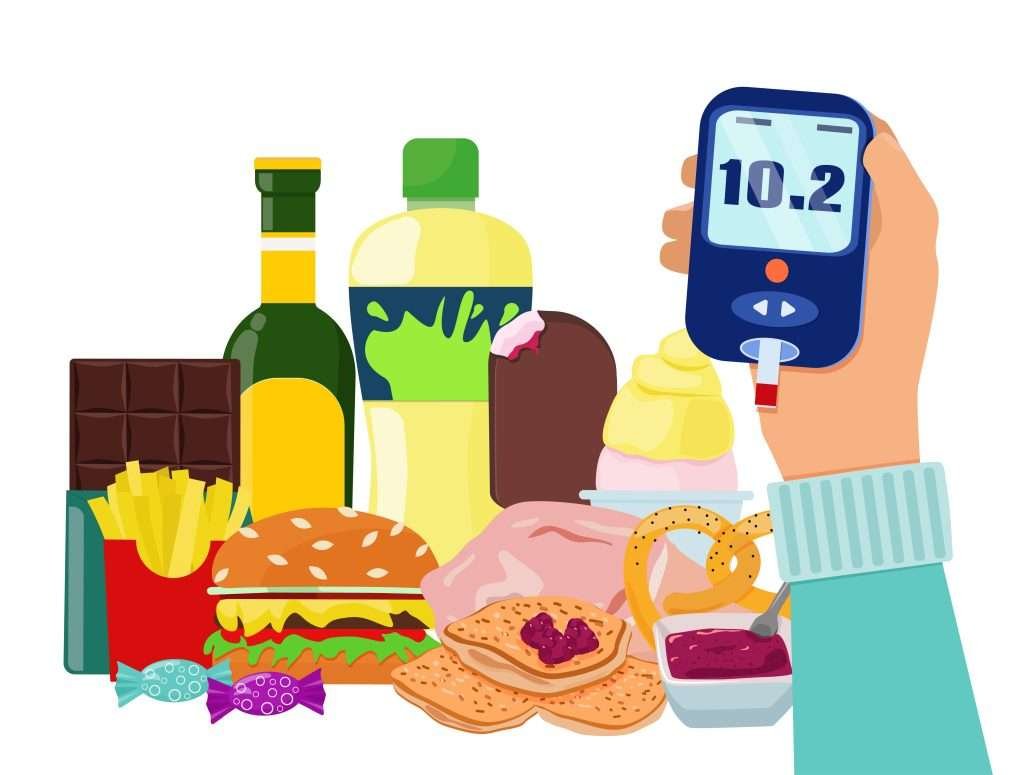
Maintaining healthy blood sugar levels is essential for overall well-being, especially for those managing diabetes or pre-diabetes. Blood sugar, also known as glucose, is the body’s primary source of energy. However, when glucose levels rise too high or fluctuate frequently, it can lead to serious health issues like fatigue, poor concentration, and long-term complications such as heart disease or nerve damage. Understanding what foods raise blood sugar levels is a critical first step in managing your health effectively.
Diet plays a central role in blood sugar control. The foods we eat can either stabilize or spike glucose levels, depending on their composition and how they’re consumed. While some foods, such as whole grains and lean proteins, provide sustained energy, others, like sugary drinks or high-carb snacks, can lead to sharp sugar spikes. Recognizing these differences is key to making smarter dietary choices.
This article dives into the types of foods that can raise blood sugar levels quickly and explains why they have such an impact. From high-glycemic index foods to hidden sugars in processed products, we’ll uncover the common culprits and how they affect your body. We’ll also discuss strategies to manage blood sugar spikes and highlight foods that can help maintain stable glucose levels. Whether you’re managing diabetes or simply looking to make healthier choices, this guide will provide actionable insights for better blood sugar management.
How Foods Affect Blood Sugar Levels
The body relies on carbohydrates as its main source of energy, but not all carbohydrates are created equal. When you consume carbs, they are broken down into glucose, which enters your bloodstream. This is why carbohydrates have the most direct effect on blood sugar levels. Understanding what foods raise blood sugar levels begins with knowing how carbs work.
One of the most important concepts in blood sugar control is the Glycemic Index (GI). GI measures how quickly a food causes blood sugar to rise. High-GI foods, such as white bread and sugary cereals, lead to rapid spikes in glucose, while low-GI foods like lentils or oatmeal provide a slower, more sustained release of energy. Another related term is Glycemic Load (GL), which takes into account both the GI and the portion size of a food. Together, GI and GL provide a clearer picture of how a food will impact blood sugar levels.
Equally important is the role of insulin, a hormone produced by the pancreas. Insulin helps transport glucose from the bloodstream into cells, where it can be used for energy or stored for later use. When blood sugar levels rise rapidly, the body has to release large amounts of insulin to compensate. Over time, frequent spikes can lead to insulin resistance, a condition where the body struggles to manage glucose efficiently.
By understanding the role of carbohydrates, glycemic metrics, and insulin, you can make informed decisions about your diet. Choosing lower-GI foods, balancing meals with protein and fats, and moderating portion sizes are all effective strategies for keeping blood sugar levels in check.
Foods That Raise Blood Sugar Levels Quickly
Understanding what foods raise blood sugar levels quickly is crucial for managing your glucose effectively, especially if you have diabetes or are trying to avoid sudden sugar spikes. Certain foods, particularly those with a high glycemic index (GI), have a rapid and significant impact on blood sugar levels. Let’s explore some of the biggest culprits, including high-GI foods, sugary beverages, and specific fruits with high natural sugar content.
High Glycemic Index Foods
High glycemic index foods are notorious for causing blood sugar levels to rise rapidly. These foods are broken down quickly by the body, leading to a sudden surge of glucose in the bloodstream. Examples of such foods include white bread, white rice, and potatoes.
- White Bread and Other Refined Grains: White bread, bagels, and other refined grain products are made from flour that has been stripped of fiber. Without fiber to slow digestion, these foods are rapidly converted into glucose, leading to a quick spike in blood sugar.
- White Rice: Like white bread, white rice has a high glycemic index because it lacks fiber. Brown rice, which retains its outer bran layer, has a lower glycemic impact and is a better alternative.
- Potatoes: While potatoes are a nutritious vegetable in some contexts, their high starch content can cause blood sugar to rise quickly. Mashed potatoes and French fries, in particular, have a higher GI than other forms of the vegetable.
These foods raise blood sugar levels quickly because they are digested and absorbed almost immediately. When consumed in large portions or without accompanying fiber, protein, or fat, they can overwhelm the body’s ability to regulate glucose effectively. This is why it’s important to pair these foods with low-GI options or limit their intake.
Sugary Beverages and Desserts
Sugary beverages and desserts are among the leading contributors to rapid blood sugar spikes. Unlike solid foods, liquids are absorbed by the body almost instantly, making their impact even more pronounced.
- Sodas and Energy Drinks: These beverages are loaded with added sugars, often in the form of high-fructose corn syrup. A single can of soda can contain as much as 40 grams of sugar, which is quickly absorbed into the bloodstream.
- Candies and Chocolates: While candies might provide a quick energy boost, they cause a significant spike in blood sugar levels due to their high sugar content and lack of fiber or nutrients to slow absorption.
- Cakes and Pastries: Desserts made with refined flour and sugar, such as cakes, muffins, and pastries, are double trouble. Not only do they have a high glycemic index, but they also contain minimal nutrients, making them empty-calorie foods that contribute to blood sugar instability.
The combination of liquid sugar in drinks and refined sugars in desserts makes them some of the worst offenders for blood sugar control. If you’re wondering what foods raise blood sugar levels the fastest, sugary beverages are often at the top of the list.
Certain Fruits with High Natural Sugar
Fruits are generally considered a healthy part of the diet, but some fruits with high natural sugar content can raise blood sugar levels quickly if consumed in large quantities. Examples include ripe bananas, grapes, and dried fruits like raisins.
- Ripe Bananas: The riper a banana is, the higher its sugar content becomes, which makes it more likely to cause a spike in blood sugar.
- Grapes: These are packed with natural sugars and should be eaten in moderation.
- Dried Fruits: Concentrated forms of fruit, like raisins and dates, are much higher in sugar per serving than fresh fruit.
Portion size is key when consuming these fruits. Balancing them with fiber, protein, or healthy fats can help mitigate their impact on blood sugar levels.
By being mindful of these foods, you can better manage your glucose levels and avoid unnecessary blood sugar spikes. Always remember that understanding what foods raise blood sugar levels is the first step in making healthier dietary choices.
Hidden Sources of Sugar in Foods
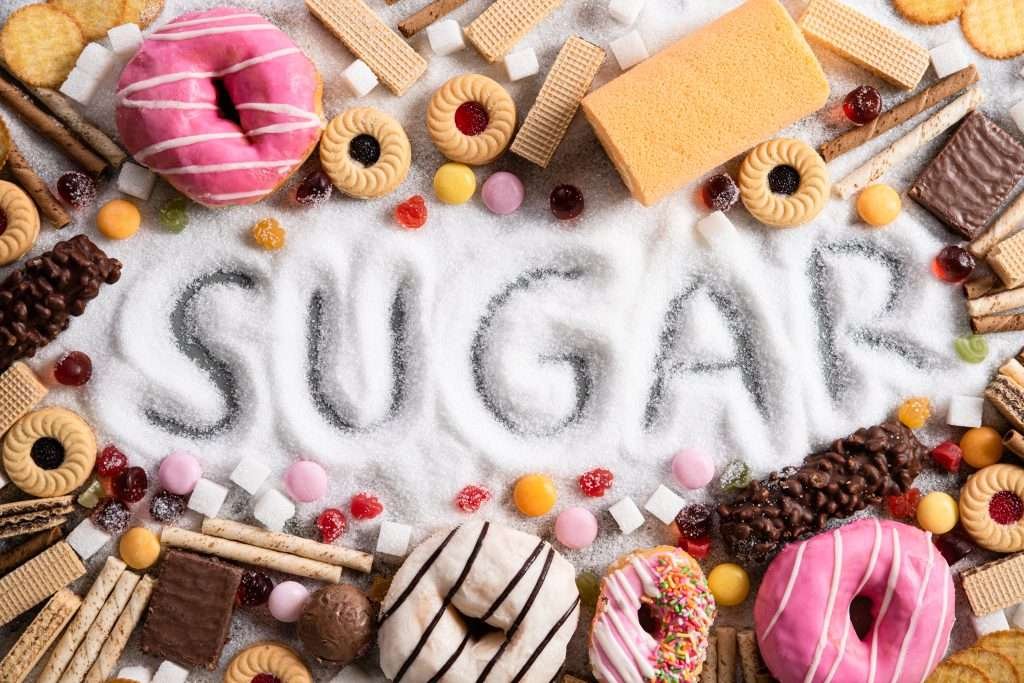
When managing blood sugar, it’s not always the obvious sweet treats that cause problems. Hidden sources of sugar are lurking in many everyday foods, including processed snacks, sauces, and even products marketed as “healthy.” Recognizing these hidden culprits is key to understanding what foods raise blood sugar levels unexpectedly.
Processed and Packaged Snacks
Many popular snacks, like chips, crackers, and granola bars, are loaded with hidden sugars and refined carbohydrates.
- Chips and Crackers: Although they don’t taste sweet, these snacks often contain refined starches that break down into sugar during digestion. This can cause a sudden spike in blood sugar levels.
- Granola Bars: Marketed as healthy options, many granola bars are packed with added sugars, honey, or syrup to enhance flavor. Even “low-sugar” versions may still have enough sugar to raise blood glucose.
Processed snacks are convenient but often lead to blood sugar instability due to their combination of hidden sugars and lack of fiber or protein to balance glucose levels.
Sweetened Sauces and Condiments
Another surprising source of hidden sugars is sauces and condiments like ketchup, BBQ sauce, and salad dressings.
- Ketchup: A tablespoon of ketchup can contain up to 4 grams of sugar, primarily in the form of high-fructose corn syrup.
- BBQ Sauce: Many BBQ sauces are sugar-heavy, with some brands including up to 16 grams of sugar per serving.
- Salad Dressings: Pre-made dressings, especially low-fat or flavored varieties, often rely on added sugar to improve taste.
These condiments can contribute to higher glucose levels when used in generous amounts, making them a hidden threat in your meals.
“Healthy” Foods with Added Sugars
Even foods labeled as “healthy” can raise blood sugar levels if they contain added sugars.
- Flavored Yogurts: While yogurt is rich in probiotics, flavored varieties often contain as much sugar as a dessert.
- Protein Bars: Many protein bars are sweetened with sugar, honey, or syrup, making them more like candy bars in disguise.
- Smoothies: While fruit-based smoothies are nutritious, store-bought versions often include added sugars or sweetened juice bases that can spike blood sugar.
Tips for Spotting Added Sugars
To avoid these hidden sources of sugar, it’s crucial to read food labels carefully. Look for terms like “high-fructose corn syrup,” “cane sugar,” “honey,” or “molasses” in the ingredients list. Pay attention to the “added sugars” line on the nutrition facts label, as it indicates how much sugar has been added during production.
By identifying hidden sugars in everyday products, you can better control what foods raise blood sugar levels and make more informed dietary choices.
Strategies to Manage Blood Sugar Spikes
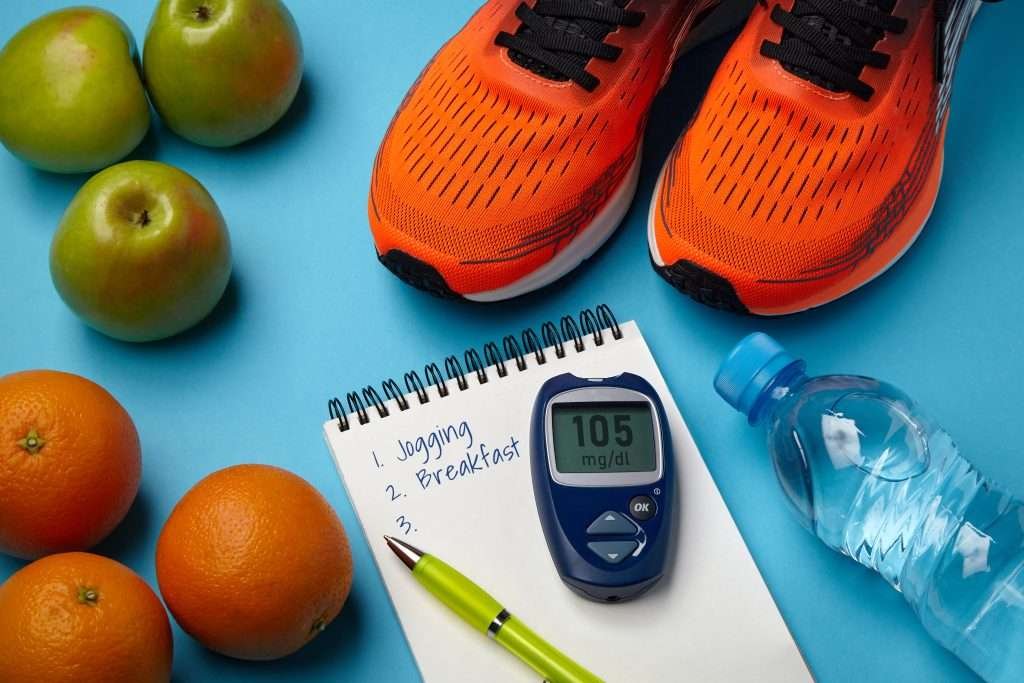
Managing blood sugar spikes starts with making mindful dietary choices and understanding how different foods affect glucose levels. If you’ve wondered what foods raise blood sugar levels and how to control their impact, these strategies can help maintain balance and promote better health.
1. Choose Low GI Alternatives
Foods with a low glycemic index (GI) are digested and absorbed more slowly, leading to gradual increases in blood sugar rather than sudden spikes.
- Whole Grains: Opt for brown rice, quinoa, or whole-grain bread instead of white rice or bread. The added fiber slows digestion and helps stabilize blood sugar.
- Legumes: Lentils, chickpeas, and black beans are excellent sources of protein and fiber that help regulate glucose levels.
- Non-Starchy Vegetables: Vegetables like spinach, broccoli, and cauliflower are low in carbs and have minimal impact on blood sugar.
By choosing low-GI foods, you can reduce the likelihood of rapid spikes in glucose and improve overall blood sugar control.
2. Pairing Foods for Balance
Combining carbohydrates with protein or healthy fats is an effective way to manage blood sugar levels.
- Protein and Fats: Pairing bread with avocado or adding nuts to oatmeal can slow carbohydrate absorption.
- Examples of Balanced Meals: Include grilled chicken with sweet potato or pair fruit with a handful of almonds.
Balanced meals help prevent the sharp blood sugar spikes associated with eating high-carb foods on their own.
3. Portion Control
Even low-GI foods can raise blood sugar levels if consumed in large quantities.
- Smaller Servings: Measure portions of high-carb foods like pasta or rice to avoid overloading your system with glucose.
- Mindful Eating: Slow down when eating to give your body time to signal fullness, which can prevent overeating.
By managing portion sizes, you reduce the impact of carbs on blood sugar spikes.
4. Timing Meals and Snacks
Spacing meals and snacks evenly throughout the day can help maintain stable blood sugar levels.
- Avoid Long Gaps: Skipping meals can lead to low blood sugar, followed by overeating that causes a spike.
- Frequent Small Meals: Eating every 3–4 hours helps keep glucose levels steady.
Timing your meals strategically ensures a balanced release of energy and minimizes extreme fluctuations.
Common Myths About Blood Sugar and Food
When learning about what foods raise blood sugar levels, you may come across several myths. Let’s clear up some of the most common misconceptions.
“Fruits Are Always Bad”
Many people believe fruits are harmful for blood sugar because of their natural sugar content. However, the fiber in whole fruits like apples or berries slows sugar absorption, making them a healthy choice in moderation. The key is to focus on whole fruits and avoid fruit juices or dried fruits, which lack fiber and can cause spikes.
“Sugar-Free Foods Are Safe”
Sugar-free snacks are often marketed as diabetes-friendly, but many contain hidden carbs or sugar alcohols like maltitol, which can still impact blood sugar levels. Always read the labels carefully to ensure these foods won’t raise glucose unexpectedly.
Other Misconceptions
- “Complex Carbs Are Always Good”: While complex carbs like whole grains are generally better than simple carbs, overeating them can still cause blood sugar spikes.
- “Organic Sweets Are Better”: Organic sugars like honey or coconut sugar may seem healthier, but they impact blood sugar in the same way as regular sugar.
Debunking these myths is essential for making smarter dietary choices and understanding what foods truly raise blood sugar levels.
Foods That Help Stabilize Blood Sugar Levels
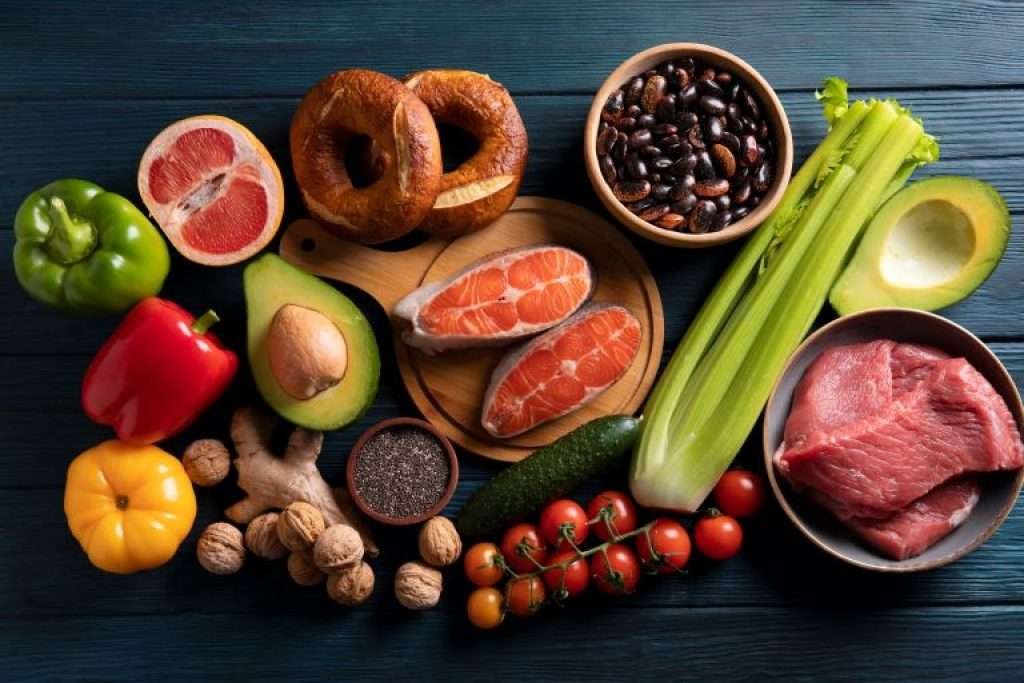
Balancing your diet with the right foods can help stabilize blood sugar levels and prevent sudden spikes. While understanding what foods raise blood sugar levels is critical, it’s equally important to incorporate foods that promote steadier glucose control.
1. Fiber-Rich Foods
Fiber slows down the digestion of carbohydrates, leading to a gradual release of glucose into the bloodstream.
- Whole Grains: Options like oats, quinoa, and barley are rich in soluble fiber, which helps maintain stable blood sugar levels.
- Legumes: Lentils, chickpeas, and black beans are high in both protein and fiber, making them excellent choices for managing glucose.
- Leafy Vegetables: Spinach, kale, and broccoli are low in carbs and high in fiber, making them ideal for blood sugar control.
Including more fiber-rich foods in your meals is one of the best ways to counteract the effects of foods that raise blood sugar levels.
2. Healthy Fats and Proteins
Fats and proteins don’t raise blood sugar levels directly and can slow the absorption of carbs.
- Nuts and Seeds: Almonds, walnuts, and chia seeds are nutrient-dense and help stabilize glucose.
- Avocado: Packed with healthy fats, avocados help regulate blood sugar levels.
- Lean Meats: Protein sources like chicken, turkey, and fish provide lasting energy without spiking blood sugar.
These foods are excellent for pairing with higher-carb items to balance meals and manage glucose.
3. Low Glycemic Index Fruits
Certain fruits have a minimal impact on blood sugar levels due to their low glycemic index.
- Berries: Blueberries, strawberries, and raspberries are fiber-rich and low in sugar.
- Apples and Cherries: These fruits offer natural sweetness with a gentle impact on glucose.
Choosing low-GI fruits over high-sugar options is an effective way to avoid spikes while still enjoying fruit.
Conclusion
Understanding what foods raise blood sugar levels is key to maintaining overall health, especially for those managing diabetes or pre-diabetes. High-GI foods, sugary drinks, and hidden sugars in processed items are major contributors to sudden glucose spikes. At the same time, incorporating foods that stabilize blood sugar, like fiber-rich grains, healthy fats, and low-GI fruits, can help maintain balance.
Mindful eating and a balanced diet are essential strategies for controlling blood sugar levels. Paying attention to portion sizes, pairing carbs with proteins or fats, and choosing whole, nutrient-dense options can significantly reduce the impact of high-sugar foods. Awareness of hidden sugars in snacks and sauces also goes a long way in preventing unexpected spikes.
For personalized dietary advice, it’s always best to consult a healthcare professional or nutritionist. They can provide tailored recommendations to fit your unique needs and ensure optimal blood sugar management. By understanding and balancing your diet, you can take control of your health and make informed choices every day.
FAQ: What Foods Raise Blood Sugar Levels?
1. What foods raise blood sugar levels the fastest?
Foods high in refined carbohydrates and sugars, such as white bread, white rice, sugary drinks, and desserts, raise blood sugar levels the fastest. These are rapidly absorbed into the bloodstream, causing spikes in glucose levels.
2. Do fruits raise blood sugar levels?
Yes, some fruits with high natural sugar content, like ripe bananas, grapes, and dried fruits, can raise blood sugar levels. However, low-glycemic fruits such as berries and apples have a gentler impact on glucose levels.
3. Are “sugar-free” foods safe for blood sugar control?
Not always. Sugar-free foods may contain sugar alcohols or hidden carbs, which can still affect blood sugar levels. Always check the nutrition label.
4. How can I manage blood sugar spikes?
Choose low-glycemic foods, pair carbs with proteins or fats, control portions, and space meals evenly throughout the day.
5. Can processed foods affect blood sugar levels?
Yes, processed foods often contain hidden sugars and refined starches that contribute to glucose spikes.