A confirmed cluster near Kolkata tests the lessons of COVID-19 as Asian nations implement rapid screening protocols.
KOLKATA — The confirmation of a Nipah virus (NiV) cluster in West Bengal this week represents more than a localized medical emergency; it is a stress test for Asia’s post-pandemic public health architecture. With at least five confirmed cases and over 200 individuals under quarantine as of Tuesday, the outbreak has moved beyond a rural anomaly to a potential urban containment challenge.
The Current Reality The epicenter is a private medical facility in Barasat, roughly 25 kilometers from Kolkata’s city center. The transmission vector appears to be nosocomial—acquired within the hospital setting—involving frontline staff who treated an initial, undiagnosed patient.
This trajectory is alarming but predictable. Nipah, a zoonotic paramyxovirus carried by fruit bats (Pteropus genus), has no approved vaccine or treatment. Its fatality rate, which ranges from 40% to 75%, forces health systems to rely entirely on barrier nursing and isolation. The current strain circulating in Bangladesh and West Bengal is historically concerning because, unlike its Malaysian counterpart, it has demonstrated a capacity for human-to-human transmission.
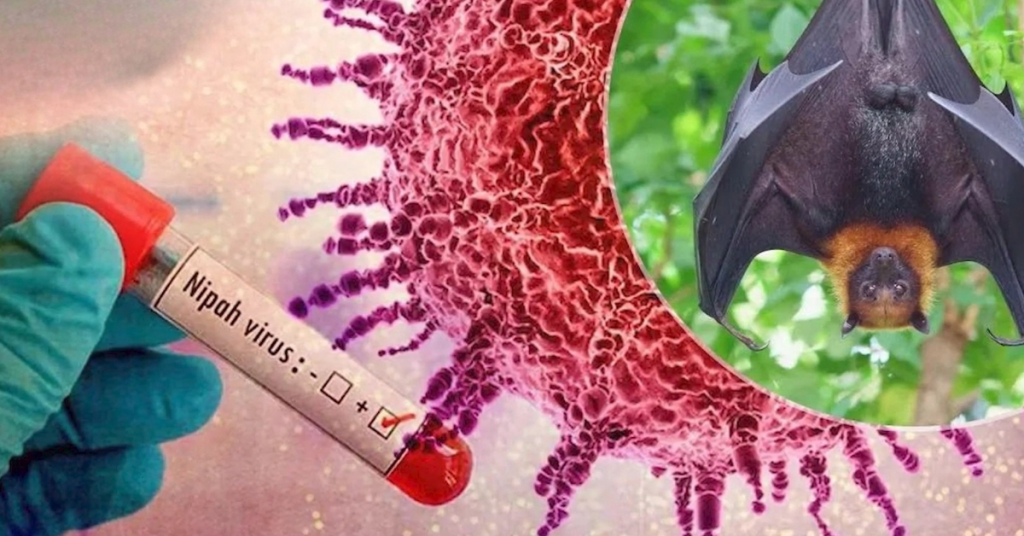
Why Now? The timing of this outbreak aligns with the regional “Nipah season,” typically spanning from December to May. This period coincides with the harvesting of date palm sap, a delicacy often contaminated by bat excreta. However, the migration of the virus from rural spillover to a peri-urban hospital setting creates a volatile dynamic.
“The interface between wildlife and urban populations is thinning,” notes a senior virologist advising the state response team. “When a pathogen with this lethality enters a high-density transit hub like Greater Kolkata, the containment window narrows from weeks to days.”
Geopolitical and Economic Ripples The international response has been swift, driven by the institutional memory of COVID-19.
- Border Controls: Thailand, Taiwan, and Nepal have activated thermal screening for passengers arriving from Eastern India. This is a defensive posture designed to prevent the importation of asymptomatic or pre-symptomatic carriers.
- Trade Anxieties: While WHO protocols do not currently recommend travel or trade restrictions, informal hesitation is likely to impact West Bengal’s export of perishable goods, specifically fruits and vegetables, which neighbors may view as potential vectors.
The Human Cost Beyond the geopolitics, the burden falls disproportionately on healthcare workers. The infection of two nurses in Barasat underscores the extreme risk faced by those manning the breach. In previous outbreaks, such as Kerala in 2018, the heroism of caregivers often came at the cost of their lives. The psychological toll on Kolkata’s medical workforce, already stretched by routine demands, will be significant.

What to Watch Next The next 14 days—the upper limit of Nipah’s typical incubation period—are critical.
- Contact Tracing Integrity: The success of the containment effort hinges on the 200 individuals currently monitored. Any confirmed case outside this “ring of isolation” would suggest a breach in surveillance.
- Genome Sequencing: Scientists will be rushing to sequence the viral genome to determine if there have been any mutations facilitating easier respiratory transmission.
- Urban Spread: The primary risk factor remains the virus’s movement from the outskirts into Kolkata proper. If unrelated clusters emerge in the city’s dense residential wards, the government will face difficult choices regarding lockdowns or movement restrictions.
For now, the outbreak is local, but the stakes are global. The coming week will determine whether this remains a managed cluster or escalates into a regional crisis.
References
- USA Today / Grand Pinnacle Tribune
- Nipah Virus Outbreak In West Bengal Sparks Urgent Response (Jan 24, 2026)
- Confirms the Barasat hospital epicenter and the quarantine of nearly 100 individuals.
- Link to source
- The Independent
- Airport screening ramped up amid deadly Nipah virus outbreak (Jan 26, 2026)
- Details the specific screening measures implemented by Thailand, Nepal, and Taiwan.
- Link to source
- The Telegraph / ANI News
- “Reports of five cases of Nipah Virus untrue in WB, only two cases reported”: Infectious disease specialist (Jan 26, 2026)
- Provides the official counter-statement from Dr. Sayan Chakraborty, clarifying the confirmed case count vs. suspected cases.
- Link to source
- Global Times / VnExpress
- Asian airports step up health screening on India Nipah virus scare (Jan 26, 2026)
- Coverage of the regional biosecurity reaction and airport protocols.
- Link to source