Hey there! If you’ve just opened a lab report or walked out of a doctor’s office with a PCOS diagnosis, there is likely one question echoing in your mind: “Can you get pregnant with PCOS?” Maybe you’ve been scrolling through forums late at night, feeling a knot in your stomach as you read horror stories about infertility. Or perhaps you’ve been “trying” for months, staring at one-line pregnancy tests and wondering why your body feels like it’s speaking a different language.
I want you to take a deep breath and hear this clearly: PCOS is not a sentence of infertility. While it’s true that Polycystic Ovary Syndrome is a complex hormonal and metabolic puzzle, 2026 medical shifts have shown us that with the right “key,” the door to motherhood is wide open for the vast majority of us. Whether you’re wondering how to conceive fast with PCOS or you’re just starting to look for answers, you aren’t alone. We’re going to walk through this together, from the science of your cycle to the modern strategies that help you see those two pink lines.
What Happens to Fertility in PCOS?
To understand how to get pregnant with PCOS quickly, we first have to look at why the process often feels stalled. In a typical cycle, your hormones work like a perfectly timed orchestra to grow, mature, and release an egg.
With PCOS, that orchestra is a little out of tune. Because of higher levels of androgens (those “male” hormones) and often a struggle with insulin, your ovaries might try to start the ovulation process but get “stuck.” Instead of releasing an egg, the follicles remain as tiny, immature cysts.
If you’ve asked yourself, “does PCOS cause infertility?”, the more accurate term is subfertility. It’s not that you can’t have kids; it’s that you might ovulate less frequently than other women. If you only ovulate six times a year instead of twelve, you simply have fewer “windows” of opportunity. Our goal in this guide is to help you widen those windows and ensure that when an egg is released, your body is ready and waiting.
The Different “Faces” of PCOS and Your Path to Conception
One reason many women feel frustrated is that they don’t fit the “classic” PCOS mold. But your “type” matters a lot when figuring out how to have kids with PCOS.
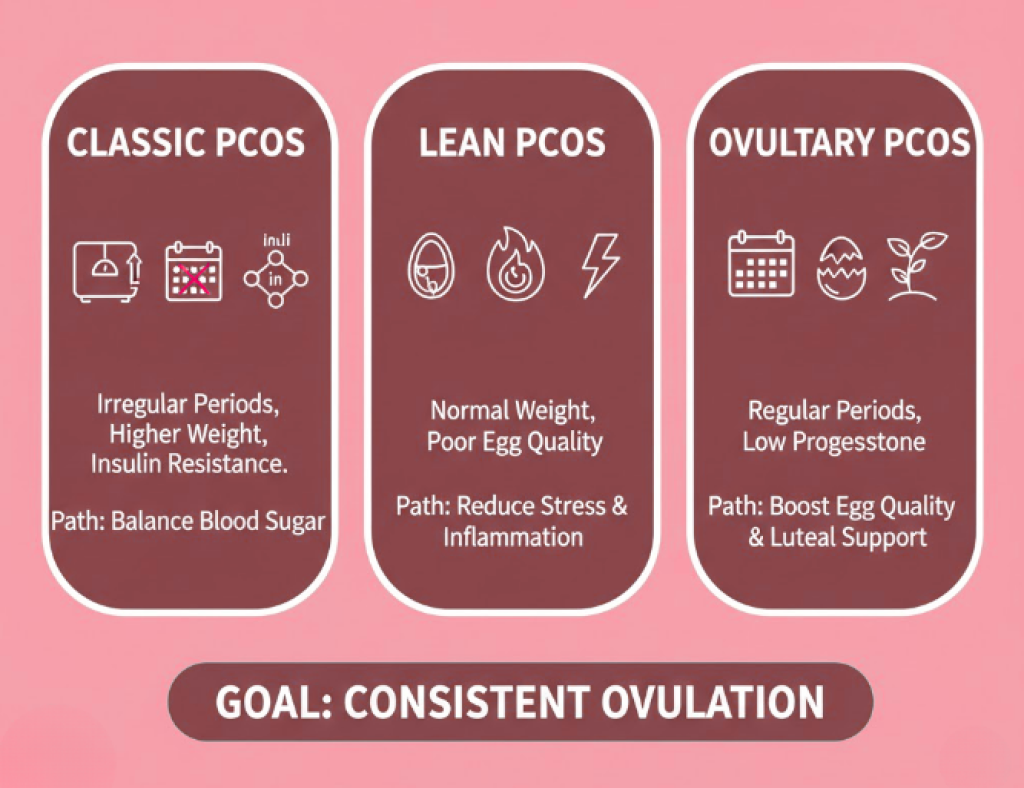
- Classic PCOS: This usually involves irregular periods, higher weight, and insulin resistance. For this group, the path to pregnancy often starts with balancing blood sugar to jumpstart ovulation.
- Lean PCOS: You might be at a healthy weight or even thin, but your follicles still struggle to mature. Often, this type is driven more by stress hormones (adrenal PCOS) or inflammation.
- Ovulatory PCOS: You might actually have a period every month, but the quality of the egg or the levels of progesterone afterward aren’t quite high enough to sustain a pregnancy.
Regardless of which “face” of PCOS you have, the biological goal remains the same: we need to figure out how to ovulate with PCOS consistently. Once we pinpoint your specific hurdle, we can create a fast-track plan to get you closer to your baby.
Common Misconceptions: Why “PCOS = Infertile” is a Lie
If there is one thing I want to clear up right now, it’s the heartbreaking myth that can you have kids with pcos is a “no.” I’ve seen so many women devastated by a diagnosis because they think their dream of being a mom is over.
Here’s the 2026 reality: PCOS is actually one of the most treatable causes of infertility. Unlike conditions where there are no eggs left, we know the eggs are there—they’re just waiting for the right signal to release. Statistics show that with modern help, women with PCOS have nearly the same lifetime number of children as women without it. So, if someone told you that you’ll never conceive naturally, take that with a grain of salt. Many of us just need a little “hormonal nudge” to get the timing right.
Diagnosing for Fertility
Before you can figure out how to conceive fast with PCOS, you and your doctor need to do some detective work. It’s not enough to just know you have the syndrome; we need to know exactly what your hormones are doing right now.
Your fertility workup should include more than just a quick ultrasound. In 2026, we’re looking at:
- The Progesterone Check: To see if you are actually ovulating, even if your periods seem regular.
- AMH Levels: Anti-Müllerian Hormone is often high in PCOS, which tells us you have a “high egg reserve”—great news for your long-term chances!
- Hormone Ratios: Checking your LH to FSH ratio helps doctors see if your body is trying to ovulate but failing at the last second.
This phase is all about learning how to ovulate with PCOS by identifying the specific blockages in your system. Once the labs are back, the “guessing game” ends and the real plan begins.
Natural Fertility Boosters: Prepping the “Soil”
Think of your body as the soil and your future pregnancy as the seed. Even before you look at medicine, you can do so much to prep that soil. When women ask me how to get pregnant with PCOS quickly, the conversation always starts with Insulin Regulation.
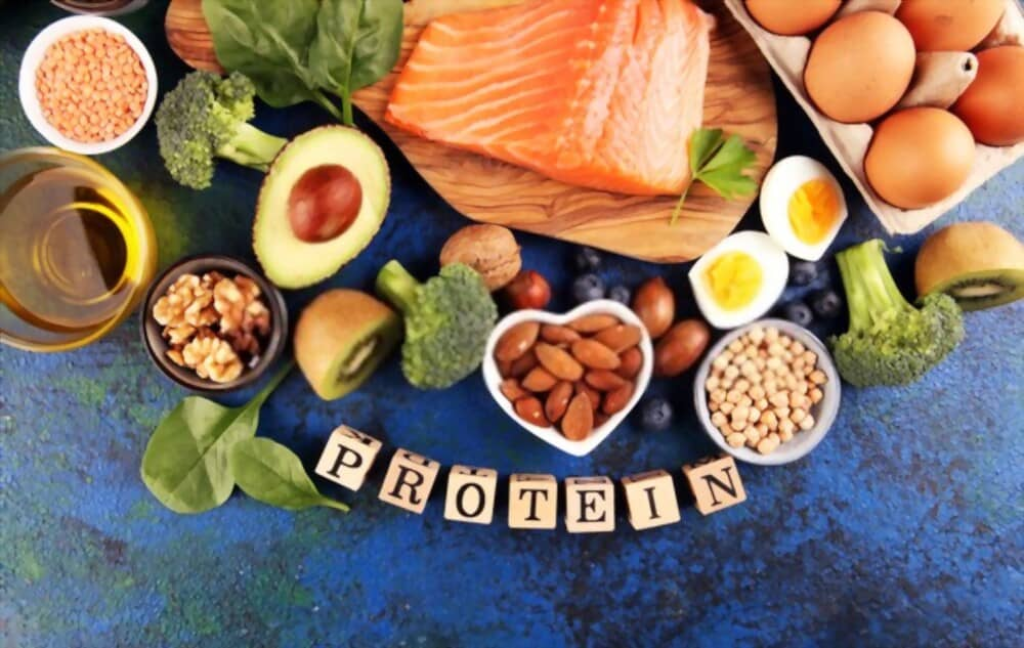
- The “PCOS Plate”: Forget “dieting” in the traditional sense. Focus on pairing every carb with a protein or a healthy fat. This stops the insulin spikes that tell your ovaries to produce testosterone instead of an egg.
- Anti-Inflammatory Living: PCOS is often a state of “low-grade inflammation.” Adding things like wild-caught fish, turmeric, and leafy greens helps calm your system down, making it a much friendlier environment for a developing embryo.
- Movement, Not Punishment: Intense, high-cortisol workouts can sometimes backfire. Think “slow-weighted movements” or walking after meals. This is the secret sauce for improving insulin sensitivity without stressing your hormones further.
Read also: PCOS Weight Loss Diet and Exercise: Detailed Guide!
Medical Treatments: The “Fast-Track” to Ovulation
Sometimes, lifestyle changes need a partner in crime. If you’ve been wondering how to conceive fast with PCOS, medical science in 2026 has some incredible, low-intervention options that act like a “shortcut” to ovulation.
- Letrozole (Femara): This has officially overtaken Clomid as the “gold standard” for PCOS fertility. It’s gentler on your system and has a higher success rate for helping us release a healthy egg.
- Metformin: While it’s technically a blood sugar med, many women find it’s the “magic key” that restores their period. By lowering insulin, it naturally lowers testosterone, often allowing ovulation to happen all on its own.
- The Combo Approach: Often, doctors will use both. It’s about attacking the problem from two sides: Metformin handles the metabolism, while Letrozole handles the ovaries.
⚠️ Essential Precautions & Why You Need a Prescription
I know it can be tempting to look for “gray market” versions of these meds online when you’re desperate to conceive, but please, never take these without a doctor’s strict supervision and a valid prescription. Here is why:
- Risk of Multiples: Meds like Letrozole can cause you to release more than one egg. Without a doctor monitoring you via ultrasound, you could end up with a high-risk pregnancy (twins, triplets, or more) that puts both you and the babies in danger.
- OHSS (Ovarian Hyperstimulation Syndrome): In rare cases, your ovaries can overreact to these meds, causing them to swell and leak fluid into the body. This is a medical emergency that only a doctor can manage.
- Side Effect Management: Metformin can be very hard on the stomach, and Letrozole can cause “hot flashes” or mood swings. A doctor needs to titrate your dose (start you slow) to make sure your body can handle it.
- The “Underlying Issue” Check: A doctor will ensure your tubes are open and your partner’s sperm is healthy before putting you on these meds. There is no point in taking hormone-heavy medicine if there is another physical blockage that needs a different solution.
Advanced Fertility Options: When to Level Up
Sometimes, even with the best diet and the right “nudges” from Letrozole, we need a little extra help. If you’ve been trying for a while and feel discouraged, don’t be. Advanced options aren’t a sign of failure; they are just more sophisticated tools in your toolkit.
- IUI (Intrauterine Insemination): This is often a great “middle step.” It’s less invasive than IVF and involves placing prepared sperm directly into the uterus right as you ovulate. For us PCOS warriors, IUI is especially helpful if there are any secondary issues, like sperm motility or “hostile” cervical mucus.
- IVF (In vitro Fertilization): In 2026, PCOS patients are often considered “high responders” for IVF, which is actually a big win! Because we tend to have a higher egg reserve (all those tiny follicles), doctors can often retrieve a good number of eggs. This is usually recommended if other methods haven’t worked or if there is a time-sensitive factor.
- The PCOS “Plus”: The great thing about can pcos cause infertility discussions today is that IVF success rates for women with PCOS are incredibly high—often better than in women with other types of infertility.
Ovulation Induction: Timing is Everything
If you’ve ever stared at a “flashing smiley face” on an ovulation test and wondered if it was lying to you, you aren’t alone. One of the biggest hurdles in how to ovulate with PCOS is that our baseline LH levels can be naturally high, which confuses standard over-the-counter tests.
To really conceive fast with PCOS, many 2026 clinics suggest “Monitored Cycles.” This is a game-changer. Instead of guessing at home, a doctor uses quick, painless ultrasounds to actually see your follicles growing. They can tell you exactly when that egg is about to drop. No more “pee-on-a-stick” anxiety—just clear, clinical data that tells you exactly when to time things.

Lifestyle Habits: The Silent Fertility Saboteurs
We talk a lot about food, but what about the things we do every day? Your environment can send loud signals to your hormones.
- The Sleep-Fertility Connection: High insulin and high cortisol (the stress hormone) are best friends. If you aren’t getting 7–9 hours of quality sleep, your cortisol stays high, which tells your body: “Now is not a safe time to be pregnant.”
- Stress Management (The Real Kind): I’m not talking about “just relax”—I know how annoying that is to hear! I’m talking about nervous system regulation. Whether it’s deep breathing, boundaries at work, or a hobby that makes you forget your phone, lowering that “fight or flight” response is essential for pcos fertility.
- Caffeine & Alcohol: In 2026, the advice is “moderation, not deprivation.” Too much caffeine can spike cortisol, and alcohol can disrupt blood sugar. Try to keep coffee to one cup and keep the wine for special celebrations while you’re in the “active trying” phase.
Weight Management: The Insulin Sensitivity Secret
I know, I know—hearing a doctor talk about weight can be triggering. But let’s look at it through a “Wholesomealive” lens. It’s not about a dress size; it’s about insulin sensitivity.
For many of us, losing just 5% to 10% of our body weight can be the “magic switch” that tells the brain to start ovulating again. Why? Because fat cells (especially in the belly) actually produce their own estrogen and inflammatory markers. By reducing that “metabolic noise,” your ovaries can finally hear the signals from your brain.
If you are struggling with how to lose weight with pcos to get pregnant, remember that we aren’t aiming for “thin”—we are aiming for “metabolically active.” This is why things like Metformin or even 2026’s newer peptide supports can be so helpful; they help the body respond to the weight loss efforts you’re already making.
Read Also: 10 Best Methods to Lose PCOS Belly Fat
Understanding Miscarriage Risk
This is a heavy topic, but it’s one we need to face with honesty and hope. If you’ve ever searched “can pcos cause miscarriage,” you might have seen some scary numbers. It’s true that women with PCOS have a slightly higher statistically recorded risk of early pregnancy loss, but—and this is a huge but—it’s usually not because of the “PCOS” itself. It’s because of the underlying environment.
In 2026, we know the main culprits are high insulin and low progesterone. If your insulin is high, it can cause inflammation that makes it harder for the embryo to plant itself firmly in the uterine “soil.” Additionally, because we often struggle to ovulate strongly, our bodies might not produce enough progesterone to “hold” the pregnancy in those first few weeks.
The good news? This is preventable. Knowing how to avoid miscarriage with PCOS often involves working with your doctor to support your progesterone levels the moment you see a positive test and keeping that insulin steady through your first trimester. You aren’t “broken”; your body just needs a little extra support to stay in “baby-growing mode.”
Supplements & Nutraceuticals: Your PCOS Fertility Toolkit
Walk into any health store, and the “fertility aisle” is overwhelming. But for us, there are a few heavy hitters that medical science in 2026 absolutely backs up.
- Myo-Inositol & D-Chiro Inositol: If you take nothing else, take this. It’s a B-vitamin-like sugar that acts as a “sensitizer” for your ovaries. It helps your eggs mature and can be just as effective as Metformin for some women, but with fewer tummy troubles.
- Vitamin D: Did you know that almost 80% of women with PCOS are deficient in Vitamin D? It’s a pro-hormone that is essential for follicle development. Think of it as “sunshine for your ovaries.”
- CoQ10 (Ubiquinol): This is all about egg quality. As we get older, or as inflammation stays high, our eggs can get a bit tired. CoQ10 gives the mitochondria (the battery) of your eggs a boost.
- Omega-3s: These are the ultimate inflammation-fighters. They help improve the blood flow to your uterus, making it a cozy, welcoming place for a new life.
Partner Considerations: It Takes Two to Tango
When we talk about can you have kids with pcos, we often put all the pressure on the woman. But here’s a 2026 truth bomb: 40% of fertility struggles involve the male partner.
Even if your PCOS is the primary hurdle, your partner’s sperm quality needs to be top-tier to “meet you halfway.” If he’s stressed, eating poorly, or sitting in hot environments (looking at you, laptop-on-the-lap), it can affect the DNA integrity of the sperm.
Encourage him to join you on the “PCOS Plate” journey! Antioxidants like Zinc, Selenium, and Vitamin C are just as important for him as Inositol is for you. When both of you are optimized, your chances of conceiving fast with PCOS skyrocket.
Timing and Patience: The Emotional Marathon
I know you wanted to be pregnant yesterday. I know the “two-week wait” feels like two years. But when you’re navigating how to get pregnant with pcos naturally or with help, patience is your best friend.
A “normal” couple has about a 20% chance of conceiving each month. With PCOS, it might take a few cycles to find the right dosage of Letrozole or the right supplement routine that makes you ovulate. Don’t view a “negative” month as a failure; view it as data. Each cycle tells your doctor more about how your body responds.
Most PCOS warriors who stay the course and manage their insulin find themselves with a “bundle of joy” within 6 to 12 months. Your timeline might look different than your best friend’s, but the destination is just as beautiful.
Frequently Asked Questions
Can women with PCOS get pregnant naturally? Absolutely! While some of us need a little help from modern medicine, many women find that by focusing on insulin sensitivity and reducing inflammation, their bodies eventually find their rhythm. If you are ovulating—even if it’s only every 40 days—nature can still do its thing.
How soon can I conceive after starting Metformin or ovulation medication? It’s different for everyone, but many women see their cycles regulate within 3 to 6 months of starting Metformin. With ovulation induction (like Letrozole), some are lucky enough to conceive on the very first “monitored” cycle! The key is to stay consistent and track your progress.
Does PCOS increase the risk of pregnancy complications? There is a slightly higher risk for things like gestational diabetes or high blood pressure, but please don’t let that scare you. In 2026, prenatal care is incredibly advanced. By managing your blood sugar before and during pregnancy, you can have a perfectly healthy, “boring” pregnancy.
How do I track ovulation if my periods are irregular? This is the “pro-level” challenge of PCOS. Standard strips can be tricky, so I highly recommend looking into basal body temperature (BBT) tracking or wearable tech that measures your “fertility window” through skin temperature and heart rate. It gives you a much clearer picture than a pee-stick ever will.
Are fertility supplements really effective for PCOS? Yes, specifically Myo-Inositol. Clinical studies in 2026 continue to show that Inositol can improve egg quality and restore ovulation in a way that rivals prescription meds, but with almost zero side effects. It’s the “holy grail” for a reason!
Conclusion: Your Journey is Just Beginning
If you’re feeling a bit overwhelmed, take a second to just be. You’ve taken in a lot of information today. But the most important thing to remember is this: Your diagnosis is a roadmap, not a roadblock.
When you ask, “can you get pregnant with PCOS?”, I want you to replace that question with a statement: “I am preparing my body for my future child.” Whether your path involves a lifestyle overhaul, a bottle of Inositol, or the help of an amazing fertility specialist, your persistence is your power.
You have the tools, you have the science of 2026 on your side, and most importantly, you have a community of “PCOS sisters” walking right beside you. Talk to your doctor, trust your gut, and be kind to yourself. You’ve got this, and we can’t wait to hear your success story.
📚 References
- Pregnancy outcomes in women with PCOS (Systematic Review, 2024)
https://pubmed.ncbi.nlm.nih.gov/38965226/ - PCOS: Fertility, pregnancy & postpartum care (Clinical Review, 2024)
https://pubmed.ncbi.nlm.nih.gov/39469936/ - IVF outcomes in women with PCOS
https://pubmed.ncbi.nlm.nih.gov/33101210/ - PCOS and fertility overview (Clinical Obstetrics & Gynecology)
https://pubmed.ncbi.nlm.nih.gov/33337743/ - Long-term childbirth rates in women with PCOS (Population study)
https://pubmed.ncbi.nlm.nih.gov/31504532/