What to Eat When You Have Thrombocytopenia and Diabetes: Introduction
Managing thrombocytopenia and diabetes together can be challenging but achievable with the right knowledge and diet. Thrombocytopenia, a condition marked by a low platelet count, can increase the risk of excessive bleeding. On the other hand, diabetes involves managing blood sugar levels, which is crucial to avoid complications like nerve damage or heart disease. Balancing these two conditions often requires careful attention to your food choices.
The connection between these conditions adds complexity. Some foods that boost platelets might be high in sugar or carbohydrates, which can negatively impact blood sugar control. Similarly, foods ideal for diabetes management may not necessarily support platelet production. This dual challenge highlights the need for a tailored diet that prioritizes both platelet health and stable blood sugar levels.
In this article, we’ll explore what to eat when you have thrombocytopenia and diabetes to help you navigate these challenges. From incorporating foods rich in iron and antioxidants to avoiding harmful substances like alcohol or processed sugars, you’ll learn how to create a diet plan that works for your unique needs.
By understanding the interplay of these two conditions and focusing on nutrient-rich, diabetic-friendly, and platelet-boosting foods, you can take control of your health. Let’s dive into how to make informed dietary choices that promote wellness and make managing these conditions a little easier.
Understanding Thrombocytopenia and Diabetes
What Is Thrombocytopenia?
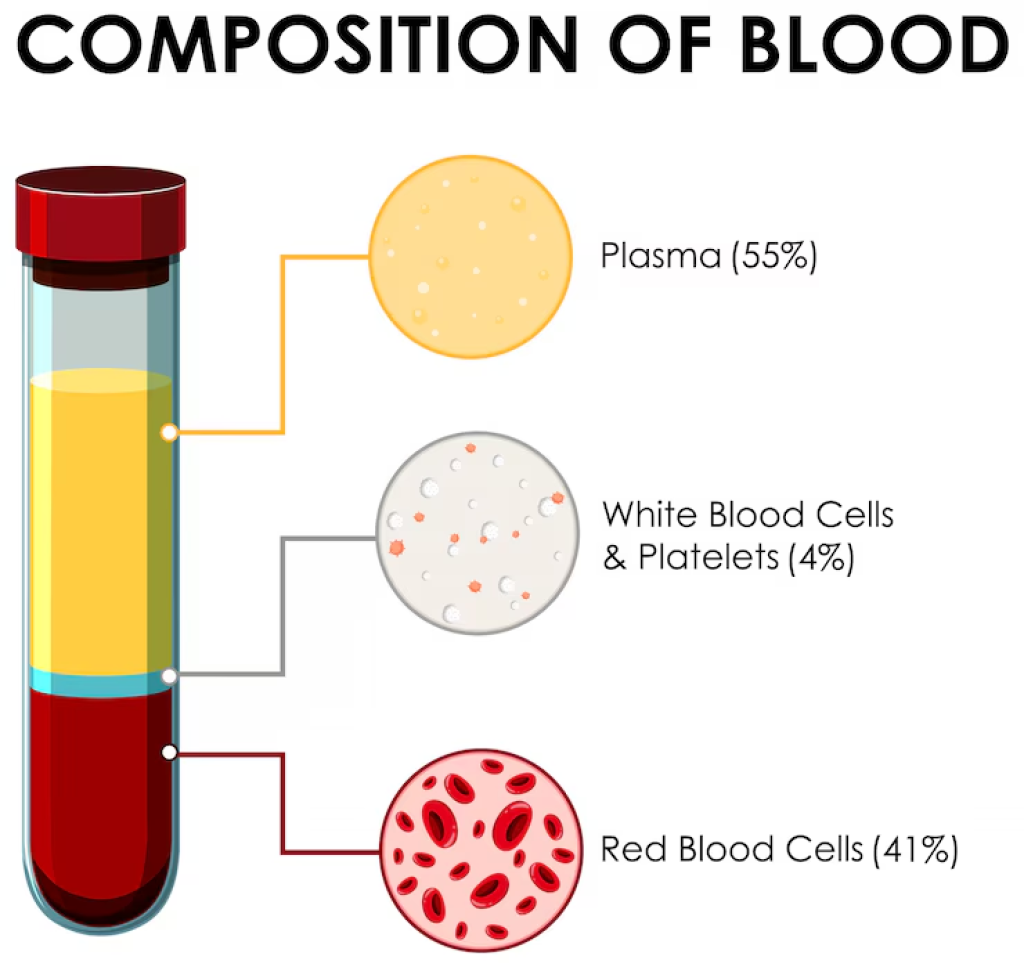
Thrombocytopenia refers to a condition where the body has a lower-than-normal platelet count. Platelets are essential for blood clotting, helping to prevent excessive bleeding when you have an injury. When platelet levels drop, symptoms such as easy bruising, prolonged bleeding, or frequent nosebleeds can occur. In severe cases, thrombocytopenia may lead to internal bleeding, making it a critical condition to manage carefully.
The causes of thrombocytopenia vary and can include autoimmune diseases, certain medications, viral infections, or chronic conditions. For individuals with diabetes, the added strain of blood sugar fluctuations can further complicate the body’s ability to produce or maintain healthy platelet levels.
How Diabetes Affects Platelet Levels
Managing diabetes alongside thrombocytopenia requires understanding how blood sugar impacts platelets. High blood sugar can impair platelet function, making them less effective at clotting. Similarly, low blood sugar episodes can put stress on the body, potentially worsening platelet-related issues.
People with diabetes may also face a higher risk of thrombocytopenia due to medications or underlying health issues such as kidney damage, which is common in long-term diabetes. These factors highlight the importance of knowing what to eat when you have thrombocytopenia and diabetes, as a targeted diet can address both conditions effectively.
Challenges of Managing Both Conditions Simultaneously
Balancing a diet for these two conditions can be tricky. Many platelet-boosting foods like fruits or natural sweeteners can raise blood sugar levels if not consumed mindfully. Conversely, low-glycemic foods ideal for diabetes management might lack the nutrients necessary to support platelet production.
Another challenge is avoiding substances harmful to platelets, such as alcohol or certain processed foods, which can also interfere with blood sugar stability. This makes it crucial to focus on what to eat when you have thrombocytopenia and diabetes, ensuring meals are rich in essential nutrients while maintaining a low glycemic index.
By carefully planning meals and understanding the dietary needs of both conditions, you can create a balanced approach that supports overall health. Tailoring your diet to include platelet-friendly, diabetic-safe foods will not only manage symptoms but also reduce the risk of complications from either condition.
Key Nutritional Goals
Boosting Platelet Count Safely
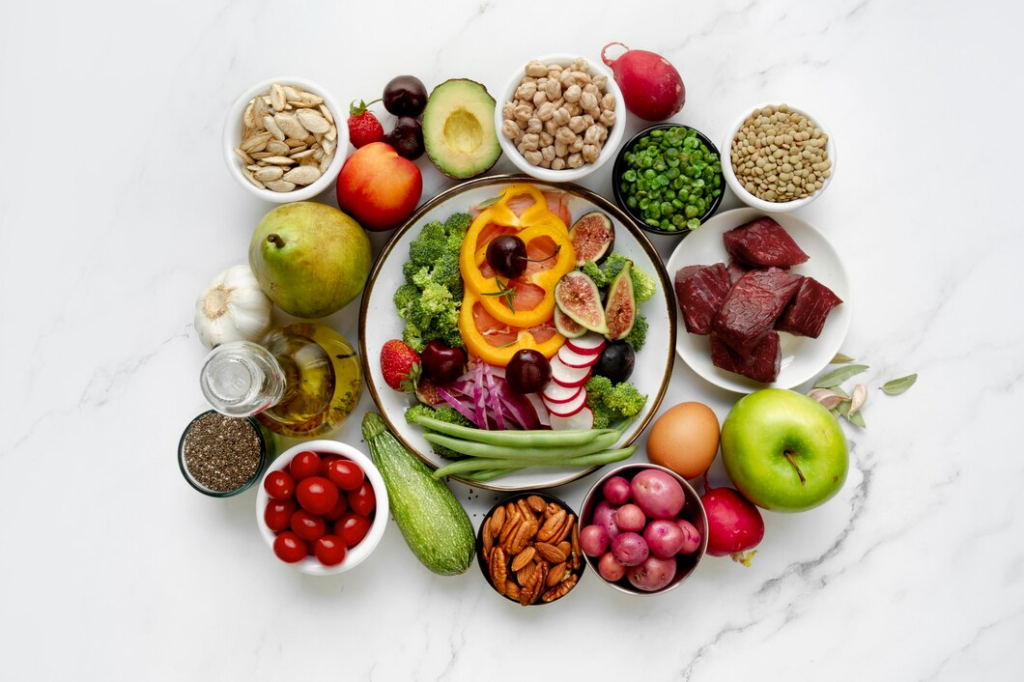
When managing what to eat when you have thrombocytopenia and diabetes, boosting platelet count is a key priority. Foods rich in iron, folate, and vitamin B12 are essential because these nutrients play a significant role in producing healthy platelets. Iron, found in foods like spinach, lentils, and lean meats, helps the body create hemoglobin, which supports overall blood health. Folate, abundant in dark leafy greens and fortified grains, aids in cell division, including platelet production.
Antioxidants also support platelet health by reducing oxidative stress, which can damage cells. Fruits like pomegranate and berries provide these antioxidants while being diabetes-friendly in moderate portions. Incorporating these foods can help ensure you’re safely boosting your platelet count without risking blood sugar spikes.
Maintaining a Low Glycemic Index Diet
When determining what to eat when you have thrombocytopenia and diabetes, sticking to a low glycemic index (GI) diet is equally important. Low-GI foods are those that release glucose slowly into the bloodstream, helping to prevent blood sugar spikes. Examples include whole grains like quinoa, legumes, and non-starchy vegetables like broccoli and zucchini.
Choosing low-GI foods not only stabilizes blood sugar but also reduces the risk of diabetes complications, such as neuropathy or kidney damage. This makes low-GI options essential for maintaining long-term health. Consuming these foods help you to manage blood glucose effectively.
Balancing Nutrients for Dual Conditions
A balanced diet for thrombocytopenia and diabetes should also emphasize key nutrients like vitamin C, protein, and omega-3 fatty acids. Vitamin C, found in citrus fruits and bell peppers, enhances iron absorption, which can support platelet production. Protein from lean meats, eggs, or tofu promotes healing and helps stabilize blood sugar levels. Omega-3 fatty acids from sources like salmon or chia seeds support overall cardiovascular health, crucial for those with diabetes.
To meet daily dietary needs, combine these nutrients thoughtfully. For example, pair an iron-rich food like spinach with a vitamin C source like strawberries to optimize absorption while maintaining stable blood sugar levels. By focusing on these nutritional goals, you can effectively manage what to eat when you have thrombocytopenia and diabetes while supporting overall health.
Foods to Include

When planning what to eat when you have thrombocytopenia and diabetes, it’s important to choose foods that address both conditions. The right combination of nutrients can boost platelet count while keeping blood sugar stable. Below is a breakdown of ideal foods and meal ideas to help you manage your diet effectively.
Platelet-Boosting Foods
Certain foods are particularly effective at supporting platelet production:
- Papaya: Rich in folate and vitamin C, papaya helps boost platelets and supports immune function.
- Spinach: Packed with iron and vitamin K, spinach promotes healthy blood clotting and platelet production.
- Pumpkin: High in vitamin A, pumpkin supports platelet formation and overall blood health.
- Pomegranate: Loaded with antioxidants, this fruit protects platelets from oxidative damage.
- Beets: These are rich in natural nitrates, supporting blood health and improving platelet function.
For iron, a key nutrient for platelet production:
- Lentils and tofu: These plant-based options are rich in iron and protein, making them great for vegetarians.
- Lean red meat (in moderation): Provides a potent source of heme iron, which is easily absorbed by the body.
Diabetic-Friendly Options
Balancing platelets and blood sugar is essential. Focus on these foods:
- Non-starchy vegetables: Options like broccoli, zucchini, and bell peppers are low in carbohydrates and packed with vitamins.
- Whole grains: Foods like quinoa, brown rice, and oats provide slow-releasing carbohydrates that won’t spike blood sugar.
- Lean protein: Chicken, fish, eggs, and plant-based proteins help stabilize blood sugar while offering essential nutrients.
Specific Meal Examples
Combining these foods into meals ensures balanced nutrition. Here are some examples:
- Breakfast:
Start the day with a bowl of oatmeal topped with chia seeds and pomegranate arils. This meal provides antioxidants, fiber, and a low glycemic load to support both conditions. - Lunch:
Enjoy a plate of grilled salmon served over a bed of spinach and quinoa. This dish offers omega-3s, iron, and essential vitamins for platelets and diabetes management. - Dinner:
Prepare a chicken stir-fry with bell peppers, zucchini, and broccoli. Cook in olive oil and season with garlic and ginger for a flavorful, nutrient-packed meal that’s low in carbs and high in vitamins.
By incorporating these foods into your daily routine, you can effectively manage what to eat when you have thrombocytopenia and diabetes, boosting your health while addressing the specific needs of both conditions.
Foods to Avoid
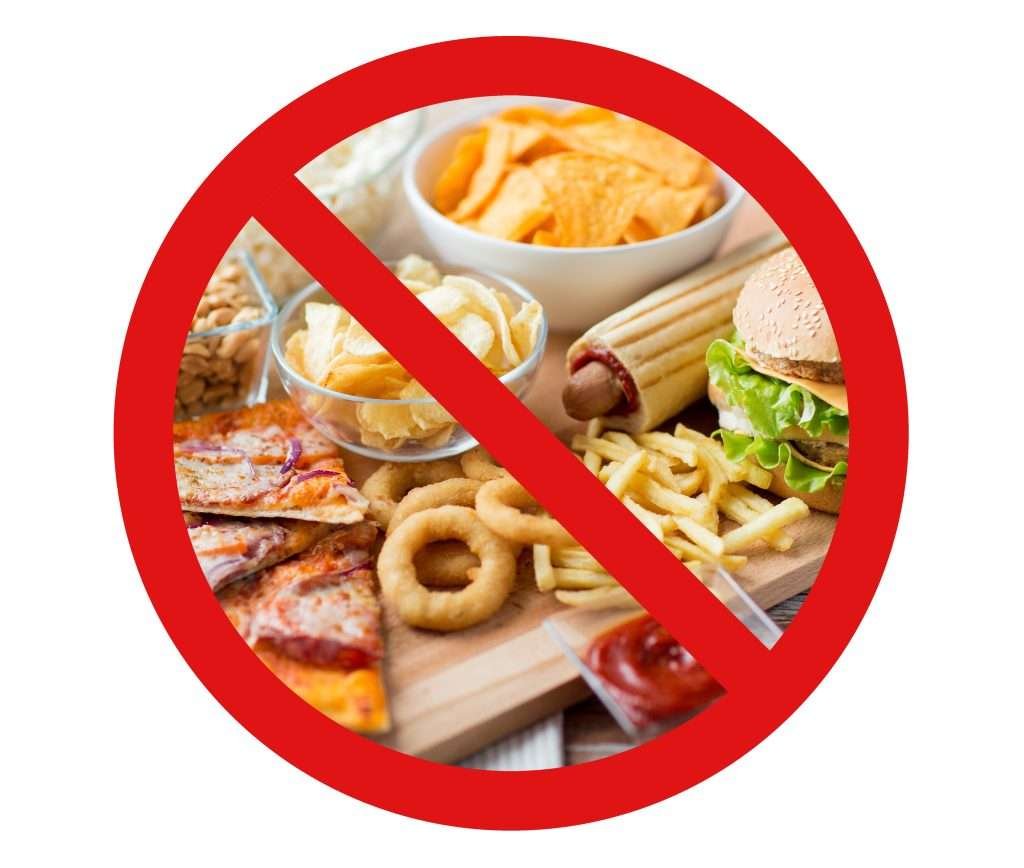
When managing what to eat when you have thrombocytopenia and diabetes, knowing which foods to avoid is just as important as knowing what to include. Certain foods and substances can harm platelet production or destabilize blood sugar levels, making them a poor choice for individuals balancing these conditions.
High-Sugar and Processed Foods
High-sugar foods are among the biggest culprits for people with diabetes, as they cause blood sugar levels to spike and crash. This not only complicates diabetes management but can also increase inflammation, which can impair platelet function. Avoid foods like:
- Sodas and candies: These are packed with refined sugars that provide no nutritional value.
- White bread and pastries: Processed carbohydrates can raise blood sugar levels rapidly, making them unsuitable for diabetics.
- Hidden sugars in sauces and dressings: Many store-bought products, such as ketchup, barbecue sauce, or salad dressings, contain added sugars that can sneak into your diet unnoticed.
Substances Harmful to Platelets
Certain substances can directly interfere with platelet function or reduce platelet counts. These should be avoided when deciding what to eat when you have thrombocytopenia and diabetes:
- Alcohol: Alcohol not only reduces platelet production but also affects blood sugar levels, making it doubly harmful.
- Artificial sweeteners: Some sweeteners, like aspartame, may negatively affect platelet health and should be avoided in favor of natural alternatives.
- Food additives: Ingredients like preservatives and artificial colors can aggravate inflammation, which may impact platelet health.
Finding Safe Alternatives
Managing cravings and replacing harmful foods with healthier options is crucial for success. Here are some practical swaps:
- Sweeteners: Instead of sugar or artificial sweeteners, opt for natural alternatives like stevia or monk fruit, which have minimal impact on blood sugar. These can be used in tea, coffee, or baking.
- Snacks: Replace processed snacks like chips with unsweetened nuts or Greek yogurt, both of which provide nutrients without spiking blood sugar.
- Bread and grains: Switch from white bread to whole-grain options like sprouted bread or quinoa, which offer more fiber and nutrients.
By focusing on avoiding these harmful foods and substances, you can better manage what to eat when you have thrombocytopenia and diabetes. Eliminating high-sugar, processed, and platelet-harming items from your diet not only supports your overall health but also minimizes complications from both conditions. Making these changes might take some adjustment, but the long-term benefits are worth it for your health and well-being.
Sample Meal Plan for Dual Management

Planning meals thoughtfully is essential when deciding what to eat when you have thrombocytopenia and diabetes. A balanced, nutrient-rich meal plan can boost platelet count and maintain stable blood sugar levels. Below is an example day of meals tailored to these dual conditions, along with portion control tips to optimize your dietary approach.
Example Day
Breakfast
Start your day with scrambled eggs with spinach for a protein and iron boost. Pair it with a slice of whole-grain toast to keep your blood sugar stable. This meal provides essential nutrients like folate and vitamin K for platelet health without causing blood sugar spikes.
Morning Snack
Enjoy apple slices with almond butter. Apples offer fiber, and almond butter provides healthy fats and protein, making this snack satisfying and low on the glycemic index.
Lunch
Have a grilled chicken salad with mixed greens, avocado, and olive oil dressing. The greens supply folate and antioxidants, while avocado adds heart-healthy fats. Olive oil enhances the absorption of fat-soluble vitamins.
Afternoon Snack
Snack on a handful of unsalted nuts and a few pomegranate seeds. Nuts are a great source of protein and healthy fats, while pomegranate seeds provide antioxidants that support platelet function.
Dinner
Enjoy a comforting bowl of lentil soup paired with roasted non-starchy vegetables like broccoli and zucchini. Lentils are rich in iron and protein, while the vegetables add fiber and essential vitamins to round out the meal.
Portion Control Tips
- Use the plate method: Fill half your plate with non-starchy vegetables, one-quarter with lean protein, and the remaining quarter with whole grains or legumes.
- Practice consistent meal timing: Eating at regular intervals prevents blood sugar fluctuations and supports balanced energy levels throughout the day.
This meal plan provides a practical example of what to eat when you have thrombocytopenia and diabetes, offering a harmonious balance of nutrients to manage both conditions effectively.
Tips for Long-Term Management
Effectively managing what to eat when you have thrombocytopenia and diabetes goes beyond daily meals. Long-term success requires consistent monitoring, professional guidance, and healthy lifestyle habits.
Regular Blood Tests
Regular blood tests are critical for tracking your health. Monitoring your platelet counts ensures that your diet is effectively supporting platelet production, while frequent checks on blood sugar levels help maintain tight control over diabetes. These tests allow for early detection of any potential issues, enabling you to adjust your approach as needed.
Work with a Dietitian
Partnering with a registered dietitian can provide personalized guidance for managing thrombocytopenia and diabetes. A dietitian can:
- Develop tailored meal plans that address your specific needs, preferences, and dietary restrictions.
- Help you adjust your diet based on lab results or changes in your health.
- Provide strategies to balance nutrients effectively, such as combining iron-rich foods with vitamin C sources for optimal absorption.
Consistency with Healthy Habits
Consistency is key to managing both conditions. Incorporate these habits into your routine:
- Exercise: Regular physical activity improves insulin sensitivity and promotes overall health, but always consult your doctor for safe exercise options.
- Stress management: High stress can worsen both blood sugar and platelet function. Practices like meditation or yoga can be beneficial.
- Stay hydrated: Proper hydration supports blood circulation and platelet health.
By staying consistent with these habits, you can create a strong foundation for long-term health.
Conclusion

Managing what to eat when you have thrombocytopenia and diabetes requires a thoughtful balance of nutrients, regular health monitoring, and professional guidance. A tailored diet helps support platelet production and stabilize blood sugar levels, but long-term success comes from taking small, sustainable steps. By staying committed to mindful eating and healthy habits, you can improve your overall well-being and confidently manage these conditions.
FAQ: Managing Thrombocytopenia and Diabetes with Diet
1. What should I eat if I have thrombocytopenia and diabetes?
If you’re managing both conditions, focus on foods that boost platelets without spiking blood sugar. Include:
- Platelet-boosting foods like spinach, papaya, pumpkin, and pomegranate.
- Diabetic-friendly options such as non-starchy vegetables, whole grains like quinoa, and lean proteins like chicken or fish.
Avoid sugary, processed foods and alcohol, as they can harm platelet production and destabilize blood sugar.
2. Why is diet so important for thrombocytopenia and diabetes?
Diet is essential because thrombocytopenia requires nutrients like iron, folate, and vitamin B12 for platelet production, while diabetes demands tight blood sugar control. Some foods that benefit one condition may worsen the other, making a carefully balanced diet crucial for managing both simultaneously.
3. Can I eat fruits if I have diabetes and thrombocytopenia?
Yes, but choose fruits with a low glycemic index and consume them in moderation. Great options include berries, pomegranate, and apples. These fruits are rich in antioxidants that support platelet health without causing large blood sugar spikes. Avoid high-sugar fruits like watermelon or pineapple unless paired with protein or fiber to slow sugar absorption.
4. Are there foods I need to avoid completely?
Yes, steer clear of:
- High-sugar foods: Sodas, candies, pastries, and white bread.
- Processed foods: Chips, instant meals, and sugary sauces.
- Alcohol: It reduces platelet production and disrupts blood sugar control.
- Artificial sweeteners like aspartame, which may harm platelet health.
5. How can I balance platelet-boosting foods with a diabetes-friendly diet?
Combine foods thoughtfully to meet both needs. For instance:
- Pair iron-rich spinach with vitamin C from bell peppers to enhance absorption.
- Opt for whole grains like quinoa, which support blood sugar stability while providing essential nutrients.
- Include lean proteins like chicken or fish to stabilize blood sugar and aid healing.
6. How often should I eat when managing these conditions?
Stick to regular meal timings with balanced portions to maintain stable blood sugar levels. Eating smaller, nutrient-dense meals every 3–4 hours can help avoid blood sugar fluctuations and ensure consistent energy.
7. Should I work with a healthcare professional?
Absolutely. A dietitian or doctor can help tailor your diet to your specific needs, monitor your progress, and adjust plans based on lab results. Professional guidance ensures that you’re managing what to eat when you have thrombocytopenia and diabetes effectively and safely.
This FAQ addresses common questions and provides actionable advice for those navigating these two conditions.