When diagnosed with prostate cancer, the question on every patient’s mind is: “What is the most effective treatment?” Prostate cancer can range from localized, where it is confined to the prostate, to metastatic, where it has spread to other parts of the body. Because the disease can vary greatly in its progression and impact, finding the right treatment plan is essential for each individual.
The treatment approach will depend on the cancer’s stage, the patient’s overall health, and personal preferences. While some treatments may offer high success rates for early-stage, localized prostate cancer, others are necessary for more advanced forms of the disease.
What is the most effective prostate cancer treatment? This article will break down the most effective treatments, from surgery and radiation to newer options like immunotherapy and hormone therapy. By exploring the benefits, risks, and suitability of each, this guide aims to help patients make informed decisions about the best path for their care.
Overview of Prostate Cancer Staging and Diagnosis
Understanding the stage of prostate cancer and having an accurate diagnosis is crucial in determining the most effective treatment options. Prostate cancer can range from localized to metastatic, and the treatment approach depends on the cancer’s extent and the patient’s circumstances. This section will explore the key aspects of staging and diagnosis.
Staging of Prostate Cancer
Prostate cancer is classified into three main stages:
- Localized: The cancer is confined to the prostate.
- Locally Advanced: The cancer has spread to nearby tissues but not to distant parts of the body.
- Metastatic: The cancer has spread to distant parts of the body, such as bones or lymph nodes.
The stage of cancer plays a vital role in deciding the most appropriate treatment, as more advanced stages typically require more aggressive therapies.
Importance of Accurate Diagnosis
Accurate diagnosis is essential for proper staging and treatment planning. Several diagnostic methods are used:
- PSA Testing: Measures prostate-specific antigen levels in the blood, which can indicate the presence of cancer.
- Biopsy: Involves taking tissue samples from the prostate to confirm the presence of cancer cells.
- Imaging Techniques: MRI, CT scans, and other imaging methods help determine the cancer’s size and whether it has spread to surrounding tissues.
These diagnostic tools help doctors assess the cancer’s extent and make informed decisions about the most effective treatment.
Personalized Treatment Plans
Once the stage and diagnosis are established, treatment plans are tailored to the individual. For localized prostate cancer, surgery or radiation therapy may be the primary options. In cases of advanced prostate cancer, treatments may include hormone therapy, chemotherapy, or a combination of approaches. By considering the patient’s health, preferences, and cancer stage, healthcare teams can optimize treatment outcomes and quality of life.
Standard Treatments for Prostate Cancer
Prostate cancer treatment options vary depending on the stage and aggressiveness of the cancer. Here, we’ll explore the most commonly used treatment approaches.
Surgery (Prostatectomy)
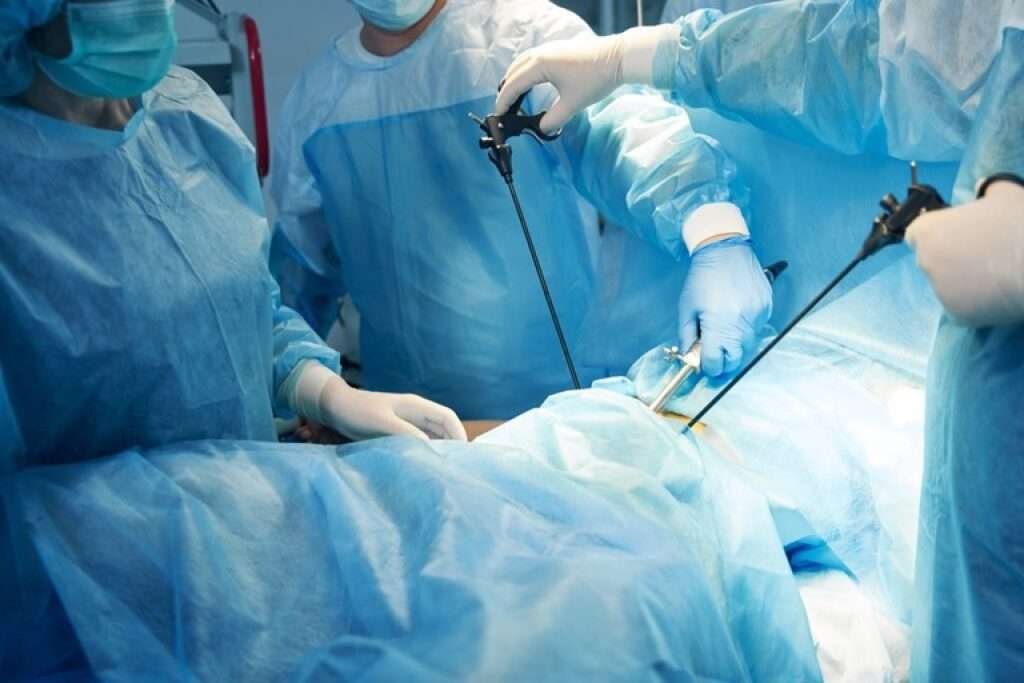
Radical Prostatectomy is a surgical procedure in which the entire prostate gland, along with some surrounding tissue, is removed. This treatment is typically recommended for patients with localized prostate cancer (cancer confined to the prostate). While it can offer a cure, the surgery carries potential risks, including urinary incontinence (difficulty controlling urine) and erectile dysfunction (difficulty achieving or maintaining an erection). Despite these risks, many patients experience significant improvement in these side effects over time with physical therapy and other treatments.
Radiation Therapy
Radiation therapy is often used to treat localized or locally advanced prostate cancer. There are two main types of radiation therapy:
- External Beam Radiation (EBRT): High-energy rays are directed at the prostate from outside the body. It’s typically used for patients whose cancer is confined to the prostate or surrounding areas. While effective, it can cause short-term side effects like skin irritation, fatigue, and urinary issues.
- Brachytherapy: In this procedure, small radioactive seeds are implanted directly into the prostate. It’s a less invasive option that is commonly used for early-stage prostate cancer. This method also has fewer side effects than external beam radiation but may still cause issues like urinary frequency or irritation.
Hormone Therapy (Androgen Deprivation Therapy)
Hormone therapy works by lowering testosterone levels, as testosterone can fuel prostate cancer growth. Androgen Deprivation Therapy (ADT) is often used in advanced prostate cancer or cancer that has spread to other parts of the body. By reducing testosterone levels, hormone therapy slows down or halts the progression of cancer. Common side effects of ADT include hot flashes, weight gain, and bone thinning, as well as potential mood changes.
Chemotherapy
Chemotherapy is usually reserved for metastatic prostate cancer or cases where other treatments, such as surgery or radiation, have failed. It works by targeting rapidly dividing cancer cells throughout the body, but it can affect healthy cells as well, leading to side effects such as hair loss, nausea, and fatigue. Chemotherapy is often used in conjunction with hormone therapy when prostate cancer has become resistant to androgen deprivation.
Immunotherapy and Targeted Therapy
New treatment options like immunotherapy and targeted therapy are becoming more common. Immunotherapy uses the body’s immune system to fight cancer, while targeted therapies specifically target cancer cells with minimal damage to surrounding healthy tissue. These treatments are especially promising for patients with advanced or metastatic prostate cancer, offering new hope where traditional therapies might not be effective. However, they are still being studied and may not be suitable for all patients.
Overall, the right treatment plan depends on the stage, health, and personal preferences of the patient, making it essential to discuss all options with a healthcare team.
Cutting-Edge Treatments and Clinical Trials
As prostate cancer treatment evolves, new and innovative therapies are becoming available, offering more options for patients. Here, we explore some of the most promising cutting-edge treatments and the role of clinical trials in advancing care.
HIFU (High-Intensity Focused Ultrasound)
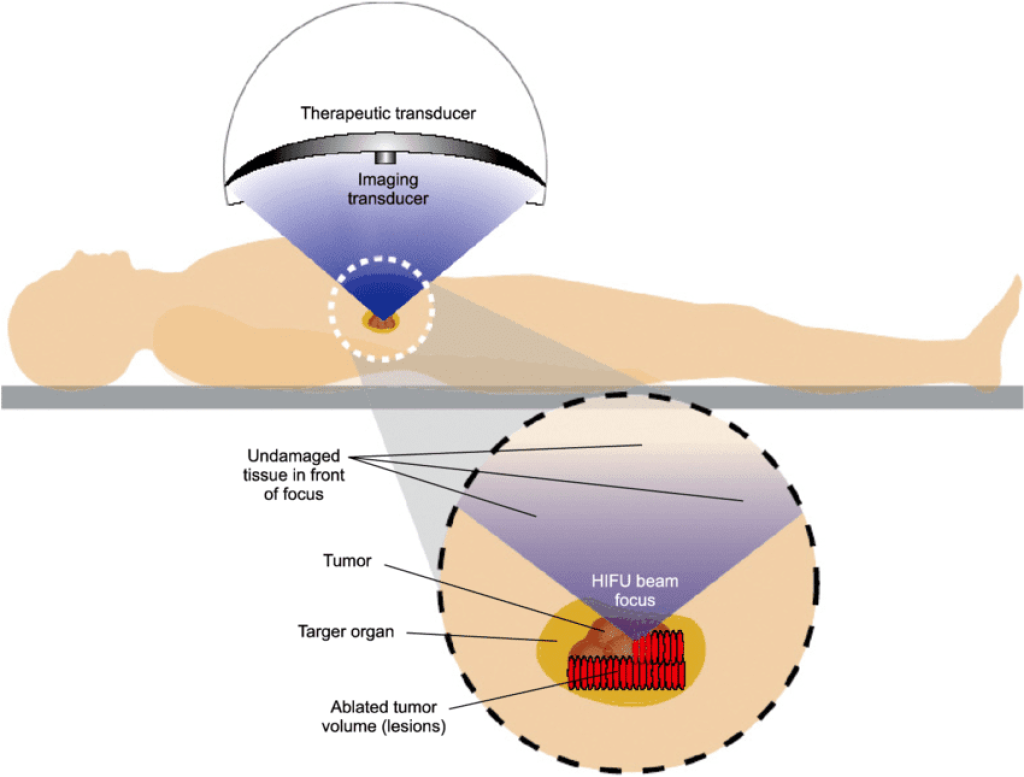
HIFU is a minimally invasive treatment option for localized prostate cancer, where high-frequency ultrasound waves are used to target and heat cancerous tissue, effectively destroying it. This procedure offers several benefits, including precise treatment with fewer side effects compared to traditional surgeries or radiation. As it doesn’t require an incision, patients often experience less pain and a quicker recovery. While it’s effective for certain cases, it may not be suitable for larger tumors or cancer that has spread beyond the prostate.
Cryotherapy
Cryotherapy involves the use of extremely cold temperatures to freeze and destroy cancer cells in the prostate. This treatment is commonly used for localized prostate cancer or when cancer has recurred after other treatments. During the procedure, small probes are inserted into the prostate through the skin, and freezing gas is used to target the cancerous tissue. Cryotherapy may cause temporary side effects like urinary discomfort and erectile dysfunction, but it is considered less invasive than surgery and is often chosen for patients who want to avoid more extensive treatments.
Prostate Cancer Vaccines
One of the emerging treatments in prostate cancer care is the development of prostate cancer vaccines, such as Sipuleucel-T. This vaccine stimulates the immune system to recognize and attack cancer cells. It’s used primarily in patients with advanced prostate cancer who have not responded to other treatments. While not a cure, it has shown promise in extending survival and improving the quality of life for certain patients. Research into prostate cancer vaccines is still ongoing, but it represents an exciting frontier in immunotherapy.
Clinical Trials
Clinical trials play a vital role in advancing prostate cancer treatment by offering access to the latest therapies and medications. These trials test new treatments, including targeted therapies, gene therapies, and innovative radiation techniques. Participating in clinical trials can provide patients with options they might not otherwise have access to, and it also contributes to improving future cancer care. Patients interested in clinical trials should consult their healthcare provider to discuss eligibility, potential benefits, and risks, ensuring the best possible outcome in their treatment journey.
What is The Most Effective Prostate Cancer Treatment? Factors That Influence Treatment Effectiveness
The effectiveness of prostate cancer treatments depends on several key factors, including the cancer’s stage and grade, the patient’s age and health, and genetic considerations.
Cancer Stage and Grade
The stage of prostate cancer (localized, locally advanced, or metastatic) significantly affects treatment choices. Localized cancer (confined to the prostate) is often treated with surgery or radiation, as the cancer is more likely to be removed or eradicated. Locally advanced cancer, which has spread to nearby tissues but not to distant organs, may require more aggressive treatments, such as hormone therapy in addition to radiation or surgery. Metastatic cancer, which has spread to distant parts of the body, is typically treated with hormone therapy, chemotherapy, or immunotherapy to manage symptoms and slow progression.
The Gleason score, a grading system that assesses how aggressive the cancer cells are, also influences treatment. Higher Gleason scores (e.g., 8-10) indicate more aggressive cancer and may require more intensive treatments, while lower scores (e.g., 6-7) suggest a slower-growing cancer that might be managed with less aggressive options.
Patient’s Age and Health

A patient’s age and overall health are crucial factors in determining the appropriate treatment. Older patients or those with comorbid conditions (such as heart disease or diabetes) may not tolerate aggressive treatments well and might benefit from less invasive options or hormone therapy. Conversely, younger, healthier patients may be candidates for more aggressive therapies, including surgery or radiation.
Genetic Factors
Genetic testing and biomarkers are increasingly important in prostate cancer treatment. Testing for specific mutations or gene expressions can help identify patients who might respond better to certain treatments, such as targeted therapies or immunotherapies. By analyzing a patient’s genetic profile, doctors can personalize treatment plans, improving effectiveness and reducing unnecessary side effects.
Side Effects and Quality of Life Considerations
Prostate cancer treatments can offer life-saving benefits, but they often come with side effects that can affect a patient’s quality of life. It’s important for patients and their healthcare providers to understand these potential challenges and work together to manage them effectively.
Common Side Effects
- Incontinence: A common side effect after surgery (radical prostatectomy) or radiation, incontinence can occur due to damage to the nerves or muscles responsible for bladder control. It may range from mild leakage to complete loss of control.
- Erectile Dysfunction: Erectile dysfunction (ED) is another frequent side effect, especially after prostatectomy or radiation, as treatment can affect the nerves responsible for erection. Many men experience difficulty maintaining an erection or achieving one at all.
- Fatigue: Both radiation therapy and chemotherapy can lead to significant fatigue, leaving patients feeling drained and exhausted. Fatigue can last for weeks or even months, making it difficult to resume normal daily activities.
- Bowel Issues: Radiation therapy, especially external beam radiation, can cause bowel problems such as diarrhea, rectal bleeding, or urgency. These side effects can affect daily life and cause discomfort.
Managing Side Effects

Managing side effects involves a combination of medical interventions and lifestyle adjustments:
- Pelvic floor exercises: These exercises can improve bladder control and reduce incontinence over time.
- Medications: Various medications can help with erectile dysfunction, incontinence, and bowel issues. Medications like PDE5 inhibitors (e.g., sildenafil) can help with ED, while anticholinergic drugs may be prescribed for incontinence.
- Lifestyle changes: A balanced diet, regular exercise, and stress management techniques can help mitigate fatigue and improve overall well-being.
Quality of Life
While the primary goal of prostate cancer treatment is survival, it’s crucial to consider the quality of life post-treatment. Patients should engage in discussions with their healthcare providers to ensure treatments align with their personal preferences, especially when side effects significantly impact daily life.
Treatment choices should take into account the potential long-term effects on sexual health, bladder and bowel control, and overall energy levels. Ensuring a good quality of life during and after treatment is just as important as successful cancer management.
Making the Right Choice: How to Decide on Treatment
Choosing the right treatment for prostate cancer is a deeply personal decision that should be made in collaboration with a multidisciplinary team of healthcare professionals. Oncologists, urologists, and radiologists all play vital roles in evaluating your specific case and presenting treatment options that are tailored to your cancer’s stage, grade, and your overall health. Their collective expertise will help you understand the potential benefits and risks associated with each approach.

It is also important to seek a second opinion, particularly if the cancer is aggressive or advanced. A second opinion can provide additional perspectives on treatment options, helping to confirm the best approach or offering alternative treatments that might be more suitable.
Patient preferences play a crucial role in treatment decision-making. Every patient has different priorities—whether it’s minimizing treatment invasiveness, reducing the risk of side effects, or maintaining quality of life. It’s essential to consider how each treatment might impact your lifestyle, whether it’s the potential for sexual dysfunction, incontinence, or changes in energy levels. Open communication with your healthcare team will help you make an informed choice that aligns with your values and goals. Remember, you have a say in your treatment plan, and making the right decision is about balancing medical recommendations with your personal preferences.
Frequently Asked Questions
What is the best treatment for early-stage prostate cancer?
The best treatment for early-stage prostate cancer often depends on the individual’s health, age, and preferences, with options including surgery (radical prostatectomy), radiation therapy, or active surveillance.
Can prostate cancer be cured with radiation therapy?
Radiation therapy can be highly effective for localized prostate cancer and may cure the disease in some cases, particularly when used in early-stage cancer.
How long do the side effects of prostate cancer treatment last?
Side effects vary by treatment and individual, with some lasting only a few weeks or months, while others, such as erectile dysfunction or incontinence, may persist longer and require ongoing management.
What are the chances of prostate cancer coming back after treatment?
The chances of recurrence depend on the stage and aggressiveness of the cancer, but many patients experience long-term remission, especially if the cancer was detected early and treated effectively.
Are there any new treatments for prostate cancer in clinical trials?
Yes, clinical trials are exploring promising new treatments, including targeted therapies, immunotherapies, and novel drug combinations, which may offer additional options for patients with advanced or resistant prostate cancer.
Conclusion
The best treatment for prostate cancer depends on various factors, including the cancer’s stage, grade, the patient’s age, overall health, and personal preferences. Options such as surgery, radiation therapy, hormone therapy, and chemotherapy are all effective, with newer treatments like immunotherapy and clinical trials offering additional possibilities. As treatments evolve, advancements continue to improve survival rates and quality of life for prostate cancer patients.
Patients must stay proactive in their treatment decisions by thoroughly discussing all available options with their healthcare provider. With the ongoing progress in prostate cancer care, more treatment choices are available than ever before, providing hope for better outcomes and improved living post-treatment. Stay informed, seek second opinions if needed, and always consider how treatments align with personal values and lifestyle.