For men seeking non-invasive treatments for prostate cancer, HIFU is emerging as an innovative option—but how successful is it? High-Intensity Focused Ultrasound (HIFU) is a cutting-edge treatment that uses targeted ultrasound waves to destroy cancerous tissue in the prostate. Its precision and minimal invasiveness have made it an attractive alternative to traditional treatments like surgery or radiation.
This article will explore how effective is HIFU for prostate cancer. Its success rates, the factors that influence its effectiveness, and its role in managing prostate cancer. Whether you’re considering HIFU as a treatment option or simply want to learn more, understanding its potential and limitations is crucial in making informed healthcare decisions.
What Is HIFU and How Does It Work?
High-Intensity Focused Ultrasound (HIFU) is a modern, non-invasive treatment for prostate cancer that uses focused sound waves to target and destroy cancerous tissue without requiring surgery. Known for its precision, HIFU minimizes damage to surrounding healthy tissues, making it an appealing option for men with localized prostate cancer.

How It Works
- Focused Sound Waves: During the procedure, high-energy ultrasound waves are directed at the prostate gland through a probe inserted into the rectum.
- Heat Generation: These waves generate intense heat at the targeted areas, destroying cancer cells while preserving nearby healthy tissue.
- Real-Time Monitoring: Advanced imaging, such as MRI or ultrasound, ensures the accurate delivery of the sound waves to the affected areas.
Who It’s For
HIFU is primarily used for men with localized prostate cancer (cancer that hasn’t spread beyond the prostate). It may be suitable for those who want to avoid or delay invasive treatments like surgery or radiation. Additionally, it’s an option for patients seeking fewer side effects, such as incontinence or erectile dysfunction, which are common with other treatment modalities.
With its minimally invasive nature and promising outcomes, HIFU continues to gain attention as a viable treatment choice for early-stage prostate cancer.
Success Rate of HIFU for Prostate Cancer
High-Intensity Focused Ultrasound (HIFU) has shown promising success rates in treating localized prostate cancer, offering a minimally invasive alternative to traditional treatments. This section explores its effectiveness, cancer control capabilities, and long-term outcomes compared to surgery and radiation.
How Effective Is HIFU for Prostate Cancer?
- Studies suggest that HIFU achieves an 80-90% success rate in controlling cancer for patients with localized prostate cancer, with some variations based on cancer severity and patient factors.
- Clinical outcomes often depend on accurate patient selection and the expertise of the treatment team.

Cancer Control Rates
- HIFU effectively controls cancer progression by precisely targeting affected areas, minimizing damage to surrounding tissue.
- Recurrence rates vary but are generally comparable to those of radiation therapy, with some studies reporting recurrence-free survival rates of 75-85% at five years.
Long-Term Outcomes
- Since HIFU is relatively new, long-term data on outcomes like overall survival and quality of life are still being collected.
- Preliminary findings indicate that HIFU offers durable cancer control for many patients, with fewer side effects than traditional treatments.
Comparative Effectiveness
- Compared to surgery (radical prostatectomy) and radiation therapy, HIFU offers advantages in reducing side effects, such as incontinence and erectile dysfunction.
- However, HIFU may be less suitable for patients with advanced or aggressive cancer, where surgery or radiation might offer more definitive results.
In summary, HIFU demonstrates high success rates for localized prostate cancer, particularly in carefully selected patients. While long-term data is still emerging, its ability to control cancer with minimal invasiveness makes it a compelling option for men seeking effective and less disruptive treatments.
Factors Affecting HIFU Success Rates
The success of High-Intensity Focused Ultrasound (HIFU) in treating prostate cancer depends on various factors, including the stage of the cancer, patient characteristics, and the technology and expertise involved. Understanding these factors can help patients and providers make informed decisions about its suitability as a treatment option.
Stage of Cancer
- HIFU is most effective for localized, low- to intermediate-risk prostate cancer, where cancer is confined to the prostate gland.
- Its effectiveness diminishes for advanced or metastatic prostate cancer, as the treatment targets specific areas rather than widespread disease.
Patient Selection

- The age and overall health of the patient play a critical role; healthier patients with localized cancer are more likely to benefit.
- Prostate size is another consideration, as larger prostates may require pre-treatment procedures, such as hormone therapy, to shrink the gland for effective HIFU treatment.
Technology and Expertise
- The success of HIFU heavily relies on the quality of the equipment used, as more advanced technology ensures precise targeting of cancerous tissue.
- The experience and skill of the medical team performing the procedure significantly impact outcomes, with higher success rates reported in centers with specialized expertise.
HIFU’s effectiveness is influenced by a combination of cancer stage, patient-specific factors, and procedural expertise. For patients meeting the criteria, HIFU offers a promising option with fewer side effects than traditional treatments. However, careful consideration of these factors is essential for optimal outcomes.
Benefits of HIFU for Prostate Cancer
High-Intensity Focused Ultrasound (HIFU) offers several advantages for men seeking an alternative to traditional prostate cancer treatments. Known for its precision and minimally invasive approach, HIFU is becoming a preferred choice for treating localized prostate cancer with fewer side effects and quicker recovery times.
Minimally Invasive
- HIFU is a non-invasive procedure, requiring no incisions or surgical cuts.
- This reduces the risk of complications such as infections, making it a safer option for many patients.
Reduced Side Effects
- Compared to surgery or radiation, HIFU has a lower risk of urinary incontinence and erectile dysfunction, preserving quality of life.
- By sparing surrounding healthy tissues, it minimizes damage to critical structures near the prostate.

Short Recovery Time
- Patients typically experience a short recovery period, often resuming normal activities within a few days.
- This is ideal for those seeking effective treatment without prolonged downtime.
Focal Therapy Option
- HIFU can be employed as a focal therapy, targeting only the cancerous areas of the prostate.
- This approach preserves healthy prostate tissue, maintaining more of the gland’s normal functions and reducing unnecessary treatment impact.
HIFU offers significant benefits for men with localized prostate cancer, combining precision with minimal invasiveness. Its reduced side effects and rapid recovery make it an appealing choice, particularly for those prioritizing quality of life during and after treatment.
Limitations and Risks of HIFU
While High-Intensity Focused Ultrasound (HIFU) is a promising treatment for localized prostate cancer, it has certain limitations and risks that patients should consider. Understanding these drawbacks helps in making an informed decision about whether HIFU is the right option.
Cancer Recurrence
- Risk of recurrence exists, particularly for patients with aggressive or high-risk prostate cancer.
- Regular follow-ups and monitoring are essential to detect and manage potential relapses early.
Limited Long-Term Data
- HIFU is a relatively new treatment compared to surgery or radiation, meaning long-term data on survival rates and cancer control is still evolving.
- This can make it harder for patients to weigh its long-term effectiveness against other options.
Not Suitable for All Patients
- HIFU is most effective for localized, low- to intermediate-risk prostate cancer and is not typically recommended for advanced or metastatic cancer.
- Very large prostates may also pose challenges, limiting the procedure’s applicability.
Potential Side Effects
- Temporary side effects may include urinary retention, urgency, or discomfort, which usually resolve with time.
- There’s a risk of incomplete cancer eradication, which might necessitate additional treatments like surgery or radiation.
- In rare cases, damage to surrounding tissues may occur, leading to complications.
Comparing HIFU to Other Prostate Cancer Treatments
When evaluating High-Intensity Focused Ultrasound (HIFU) as a treatment for prostate cancer, it’s important to compare it with other standard options like surgery and radiation therapy. Each approach has unique advantages, risks, and applications depending on the cancer stage and patient preferences.
HIFU vs. Surgery
- Invasiveness: HIFU is minimally invasive with no incisions, while prostatectomy (surgical removal of the prostate) involves significant surgical intervention.
- Recovery Time: Recovery is faster with HIFU, allowing patients to resume normal activities in days, compared to weeks for surgery.
- Success Rates: Both treatments are effective for localized prostate cancer, but surgery offers a longer track record with well-established long-term data.
HIFU vs. Radiation Therapy
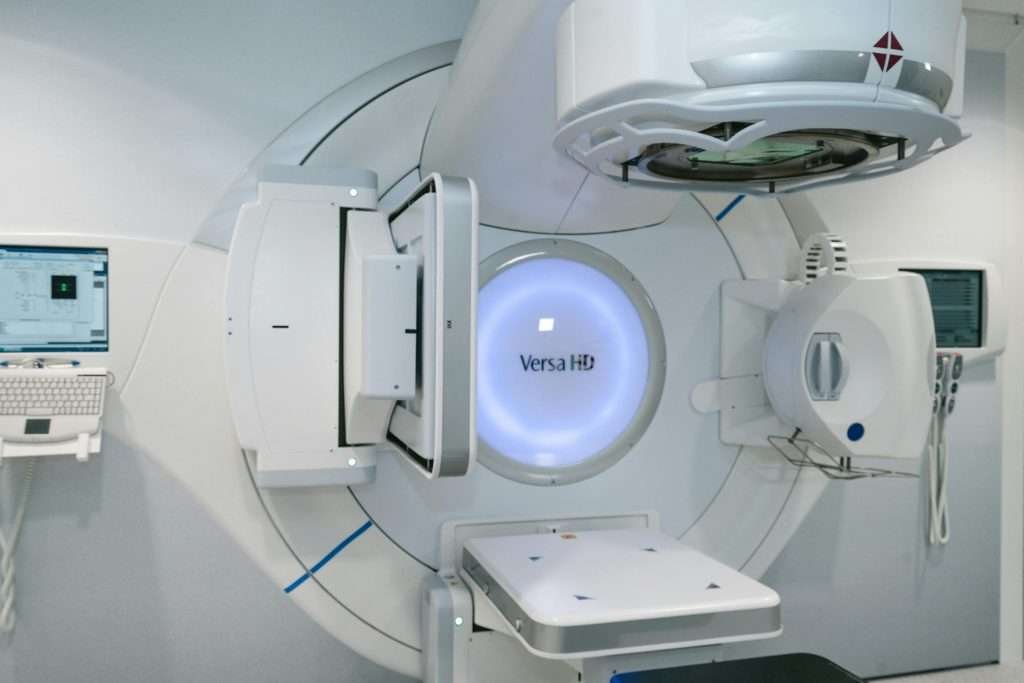
- Side Effects: HIFU generally has fewer side effects, with reduced risks of urinary incontinence and erectile dysfunction compared to radiation therapy.
- Effectiveness: Both treatments are effective for localized prostate cancer, but radiation therapy may be more suitable for advanced stages.
- Suitability: HIFU is best for localized, low- to intermediate-risk cancer, while radiation can treat a broader range of cancer stages.
HIFU as a Re-Treatment Option
- HIFU can serve as a salvage therapy, treating cancer recurrence after radiation or surgery.
- Its precision allows targeted treatment of residual cancer, minimizing additional damage to healthy tissues.
HIFU offers a less invasive alternative to surgery and radiation, particularly for early-stage prostate cancer or as a salvage option. However, its relative newness and limited long-term data highlight the importance of personalized discussions with healthcare providers when choosing the best treatment approach.
FAQs
What is the success rate of HIFU for prostate cancer?
HIFU has a success rate of 80-90% for treating localized prostate cancer, but outcomes vary based on factors like cancer stage and patient selection.
Is HIFU better than surgery or radiation therapy?
HIFU is less invasive with fewer side effects but may not be as suitable for advanced stages compared to surgery or radiation therapy.
Can HIFU cure prostate cancer?
HIFU can effectively treat localized prostate cancer, but ongoing monitoring is necessary to ensure long-term cancer control.
Who is eligible for HIFU treatment?
HIFU is ideal for men with localized, low- to intermediate-risk prostate cancer and those seeking minimally invasive treatment options.
What are the risks and side effects of HIFU?
Common side effects include temporary urinary issues, potential cancer recurrence, and the possibility of requiring additional treatments.
Conclusion
HIFU (High-Intensity Focused Ultrasound) offers a promising, minimally invasive option for treating localized prostate cancer, with success rates ranging from 80-90%. It provides significant benefits, including reduced side effects like urinary incontinence and erectile dysfunction, a quick recovery time, and the ability to target only the cancerous areas of the prostate. However, limitations such as the potential for cancer recurrence, the need for highly skilled medical teams, and limited long-term data highlight the importance of careful patient selection.
If you are considering treatment options for prostate cancer, discussing HIFU with your healthcare provider can help determine whether it aligns with your individual diagnosis and health goals. Staying informed and understanding the potential advantages and drawbacks of HIFU compared to other treatments is crucial for making a well-rounded decision about your care.