Introduction: What Foods Help Lower Blood Sugar?
Maintaining stable blood sugar levels is essential for overall health, whether you’re managing diabetes, prediabetes, or simply aiming for a balanced lifestyle. Blood sugar, or glucose, serves as the body’s primary energy source, but when it’s too high or too low, it can lead to health issues. Consistently elevated blood sugar levels can increase the risk of developing Type 2 diabetes, heart disease, nerve damage, and other complications. On the flip side, low blood sugar can cause fatigue, dizziness, and even fainting.
Why is blood sugar stability so important? It’s not just about avoiding long-term complications—stable blood sugar helps maintain energy levels, mental clarity, and overall well-being throughout the day.
One of the most effective ways to regulate blood sugar is through diet. The foods you eat play a significant role in how your body processes glucose and insulin, the hormone responsible for controlling blood sugar. Choosing the right foods can naturally lower blood sugar levels, enhance insulin sensitivity, and prevent dangerous spikes and dips.
This article will explore what foods help lower blood sugar and how to incorporate them into your daily routine. By making informed dietary choices, you can take control of your health and feel your best every day.
Understanding Blood Sugar and Diet

What Is Blood Sugar?
Knowing abot blood sugar is the important before we get to what foods help lower blood sugar. Blood sugar, also known as blood glucose, is the main source of energy for the body. It comes from the foods we eat, particularly carbohydrates, and circulates in the bloodstream. Cells use glucose for energy with the help of insulin, a hormone produced by the pancreas. Maintaining balanced blood sugar levels is essential for energy, concentration, and overall well-being.
When blood sugar levels are too high, a condition known as hyperglycemia, it can lead to long-term complications like nerve damage, cardiovascular issues, and diabetes. Conversely, low blood sugar, or hypoglycemia, can cause symptoms like fatigue, dizziness, and confusion, and in severe cases, it may lead to unconsciousness.
The Glycemic Index (GI)
The glycemic index is a tool that measures how quickly a carbohydrate-containing food raises blood sugar levels. Foods are ranked on a scale from 0 to 100, with lower scores indicating a slower rise in blood sugar.
Incorporating more low-GI foods into your diet is a key strategy for managing blood sugar effectively.
Key Nutrients for Blood Sugar Control
It’s important to know what nutrients are important when knowing what foods help lower blood sugar. Certain nutrients play an essential role in stabilizing blood sugar:
- Fiber: Found in whole grains, fruits, and vegetables, fiber slows glucose absorption, preventing blood sugar spikes.
- Protein: Lean proteins like chicken, fish, and eggs help regulate glucose when paired with carbohydrates.
- Healthy Fats: Avocado, nuts, and seeds provide slow-digesting energy and support insulin sensitivity.
By focusing on nutrient-dense foods, you can improve your body’s ability to process glucose efficiently and reduce the risk of blood sugar imbalances. Understanding these fundamentals is crucial when considering what foods help lower blood sugar and maintaining optimal health.
Top Foods That Help Lower Blood Sugar

When it comes to managing blood sugar, the right foods can make a significant difference. Incorporating nutrient-dense, low-glycemic index (GI) options into your meals not only supports stable glucose levels but also promotes overall health. Below is a comprehensive guide to the best foods to help lower blood sugar naturally. Incorporation of these foods into your diet is the main answer to what foods help lower blood sugar.
Low-GI Fruits
Low-GI fruits are packed with fiber, vitamins, and antioxidants while being naturally lower in sugar compared to other fruits.
- Examples: Berries (strawberries, blueberries, raspberries), apples, oranges, and pears.
- Benefits: These fruits have a minimal impact on blood sugar levels due to their high fiber content, which slows digestion and glucose absorption. For instance, berries are also rich in anthocyanins, compounds known to improve insulin sensitivity.
Tip: Pair fruits with a handful of nuts or a dollop of unsweetened yogurt for an even slower release of glucose.
Non-Starchy Vegetables
Non-starchy vegetables are the cornerstone of a blood sugar-friendly diet. They are low in calories and carbohydrates but high in fiber and essential nutrients.
- Examples: Spinach, broccoli, cauliflower, zucchini, kale, and bell peppers.
- Benefits: These vegetables help stabilize blood sugar levels by slowing digestion and are loaded with antioxidants that combat inflammation. For example, broccoli contains sulforaphane, a compound linked to improved glucose control.
Tip: Steam or roast these vegetables to retain their nutrient content while enhancing flavor.
Whole Grains
Whole grains are an excellent source of complex carbohydrates, which digest more slowly than refined grains, preventing sharp blood sugar spikes.
- Examples: Quinoa, oats, barley, brown rice, and farro.
- Benefits: Rich in fiber and essential minerals, whole grains provide a steady release of energy. For instance, oats contain beta-glucan, a type of soluble fiber known to lower blood sugar and cholesterol levels.
Tip: Swap white rice or pasta for whole grains in your meals to improve glycemic control.
Legumes
Legumes are nutrient powerhouses that combine fiber, protein, and complex carbohydrates, making them ideal for blood sugar management.
- Examples: Chickpeas, lentils, black beans, kidney beans.
- Benefits: Their high fiber and protein content slow digestion, reducing the risk of blood sugar spikes. Additionally, they are rich in magnesium, a mineral that supports insulin function.
Tip: Use legumes in soups, salads, or as a base for dips like hummus for added variety.
Nuts and Seeds
Nuts and seeds are rich in healthy fats, protein, and fiber, all of which help regulate blood sugar levels.
- Examples: Almonds, walnuts, flaxseeds, chia seeds, and sunflower seeds.
- Benefits: These foods slow the absorption of glucose into the bloodstream. For example, chia seeds are particularly effective due to their gel-like consistency when soaked, which slows digestion and stabilizes glucose levels.
Tip: Snack on a small handful of nuts or sprinkle seeds over your meals for an easy blood sugar-friendly boost.
Lean Proteins
Including lean protein sources in your diet helps stabilize blood sugar levels by slowing the absorption of carbohydrates.
- Examples: Chicken, turkey, fish (such as salmon and mackerel), eggs, and tofu.
- Benefits: Lean proteins are essential for muscle maintenance and metabolic health. Fatty fish like salmon are also high in omega-3 fatty acids, which reduce inflammation and support heart health, a crucial concern for people managing blood sugar.
Tip: Combine lean proteins with fiber-rich sides, such as roasted vegetables or quinoa, for a balanced meal.
Spices and Additives
Certain spices and natural additives have been shown to enhance blood sugar control and improve insulin sensitivity.
- Examples:
- Cinnamon: Contains compounds that mimic insulin and improve glucose uptake by cells.
- Turmeric: Its active compound, curcumin, reduces inflammation and enhances insulin sensitivity.
- Vinegar: Apple cider vinegar, in particular, can lower post-meal blood sugar spikes when taken before meals.
Benefits: These additions not only improve blood sugar management but also add flavor and variety to your meals.
Tip: Sprinkle cinnamon on oatmeal, add turmeric to soups, or use vinegar-based dressings on salads for an easy way to incorporate these ingredients.
Final Thoughts
By incorporating these foods that help lower blood sugar into your daily routine, you can effectively manage glucose levels while enjoying diverse, nutrient-rich meals. A well-balanced diet featuring low-GI fruits, non-starchy vegetables, whole grains, legumes, nuts, lean proteins, and beneficial spices provides a solid foundation for blood sugar control.
Making small changes to include these foods consistently can lead to big improvements in your health, energy, and overall well-being. Start with simple swaps, such as choosing quinoa over white rice or snacking on almonds instead of chips, and gradually build a diet that works for your body and lifestyle.
Foods to Avoid for Better Blood Sugar Control

While choosing the right foods can help lower blood sugar, avoiding certain foods is equally important. High-GI foods, hidden sugars, and unhealthy fats can cause blood sugar spikes, impair insulin function, and worsen overall health. Here’s what to limit or avoid for optimal blood sugar control.
High-GI Foods
High-glycemic index foods cause a rapid spike in blood sugar levels, followed by a sharp drop, leading to cravings, fatigue, and poor glucose control.
- Examples: White bread, sugary cereals, candies, pastries, and sodas.
- Why Avoid Them? These foods are often made with refined carbohydrates that are digested quickly, flooding the bloodstream with glucose. Over time, frequent spikes can strain the body’s insulin response, increasing the risk of insulin resistance and Type 2 diabetes.
Tip: Replace high-GI foods with whole-grain alternatives like oats, quinoa, or barley to avoid these rapid blood sugar changes.
Hidden Sugars in Processed Foods
Processed foods often contain hidden sugars, even when they’re marketed as “healthy.”
- Examples: Flavored yogurts, ketchup, salad dressings, granola bars, and sugary beverages.
- Why Avoid Them? These products may appear nutritious but can contain significant amounts of added sugar that contribute to blood sugar spikes.
Tip: Check nutrition labels for terms like “syrup,” “fructose,” or “maltose,” and opt for unsweetened versions of foods whenever possible.
Unhealthy Fats
Trans fats and excess saturated fats not only harm heart health but also worsen insulin resistance.
- Why Avoid Them? Trans fats, found in fried and processed snacks, interfere with insulin signaling. Saturated fats, in large quantities, can promote inflammation and increase insulin resistance.
Tip: Choose healthy fats from sources like avocados, nuts, seeds, and olive oil to support better blood sugar control.
By steering clear of high-GI foods, hidden sugars, and unhealthy fats, you can minimize blood sugar fluctuations and set the stage for improved glucose management.
Tips to Incorporate Blood Sugar-Lowering Foods Daily

Incorporating blood sugar-lowering foods into your daily routine doesn’t have to be complicated. With a little planning and the right cooking techniques, you can create meals and snacks that support stable blood sugar levels while being enjoyable and satisfying.
Meal Planning Ideas
Balanced meals are key to managing blood sugar. Each meal should include a combination of protein, healthy fats, and low-GI carbohydrates.
- Breakfast: Start your day with steel-cut oats topped with chia seeds, a handful of berries, and a sprinkle of cinnamon.
- Lunch: A quinoa and spinach salad with grilled chicken, avocado, and a light vinaigrette.
- Dinner: Baked salmon paired with steamed broccoli and a side of lentils.
Tip: Prepare meals in advance to ensure you always have healthy options available, reducing the temptation to reach for high-GI foods.
Snack Suggestions
Snacks can help maintain steady blood sugar between meals. Opt for nutrient-dense, low-GI options.
- Examples:
- Hummus with sliced cucumbers and bell peppers.
- A small handful of almonds or walnuts.
- A chia seed pudding made with unsweetened almond milk.
- A seed-based granola bar with no added sugar.
Tip: Keep portable snacks on hand to avoid unhealthy choices when on the go.
Healthy Cooking Methods
The way you prepare your food affects its impact on blood sugar.
- Best Methods: Steaming, grilling, roasting, and baking preserve nutrients without adding extra unhealthy fats.
- Avoid: Frying, as it increases calorie content and often incorporates unhealthy oils.
Tip: Use healthy oils like olive oil or avocado oil for cooking and dressings to add flavor and healthy fats.
By balancing your meals, choosing smart snacks, and employing healthy cooking techniques, you can easily incorporate foods that help lower blood sugar into your daily diet while enjoying flavorful and nutritious options.
Conclusion
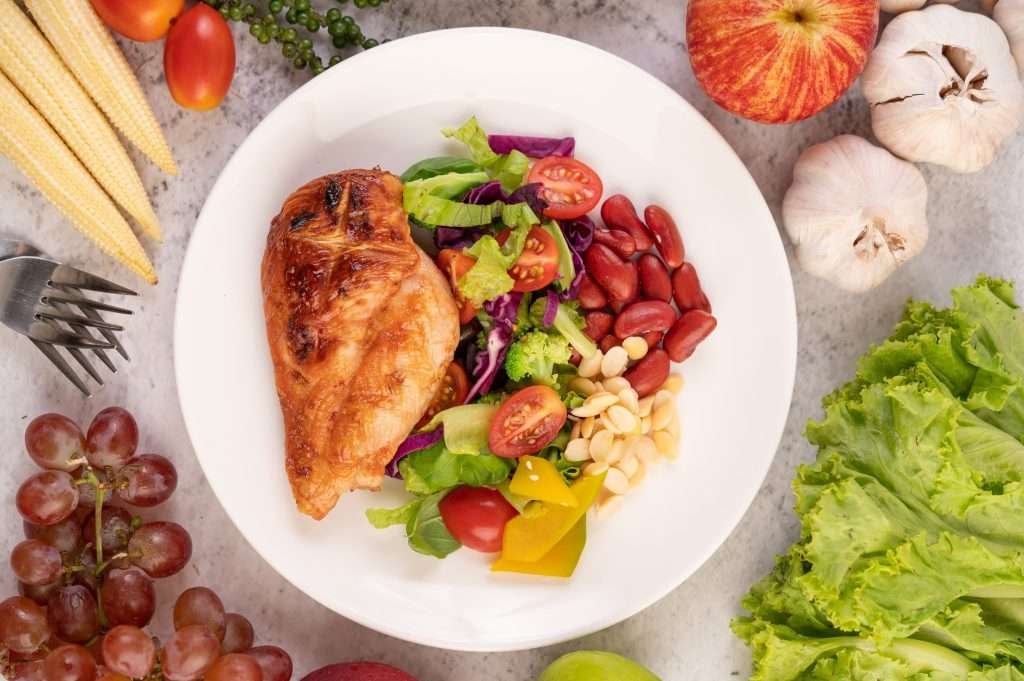
Managing blood sugar levels effectively begins with making mindful food choices. Incorporating what foods help lower blood sugar, like low-GI fruits, non-starchy vegetables, whole grains, legumes, nuts, seeds, lean proteins, and beneficial spices into your meals, can significantly improve glucose control. These nutrient-dense options not only stabilize blood sugar but also support overall health by reducing inflammation and enhancing energy levels.
Taking small, simple steps is the key to success. Start by replacing high-GI foods with whole-grain alternatives, snacking on nuts or veggies instead of processed treats, and experimenting with spices like cinnamon and turmeric in your cooking. Gradually, these changes will become habits, contributing to sustainable improvements in your health.
Remember, managing blood sugar isn’t about perfection—it’s about progress. By consistently including what foods help lower blood sugar in your diet, you can take control of your well-being and create a foundation for a healthier, more balanced lifestyle.
FAQ: What Foods Help Lower Blood Sugar?
1. What foods help lower blood sugar quickly?
Certain foods can help lower blood sugar levels relatively quickly by slowing glucose absorption or improving insulin response. Low-GI options like berries, apples, and citrus fruits, paired with a source of protein such as nuts, are particularly effective. Additionally, apple cider vinegar or a sprinkle of cinnamon can help improve glucose regulation after a meal.
2. Are there specific vegetables that are best for blood sugar control?
Yes! Non-starchy vegetables like spinach, broccoli, kale, and zucchini are excellent for blood sugar management. These vegetables are low in carbohydrates and high in fiber, which helps slow the digestion of glucose. Their nutrient density also supports overall health and reduces inflammation.
3. How do whole grains help lower blood sugar?
Whole grains such as quinoa, oats, and barley digest more slowly than refined grains, preventing rapid spikes in blood sugar. They are rich in fiber, which promotes a gradual release of glucose into the bloodstream. Replacing refined carbs like white rice or pasta with whole grains is an effective way to manage blood sugar naturally.
4. Can nuts and seeds lower blood sugar?
Yes, nuts and seeds are excellent additions to a blood sugar-friendly diet. Almonds, walnuts, chia seeds, and flaxseeds are rich in healthy fats, fiber, and protein, which help stabilize blood sugar. They also reduce the glycemic impact of meals when eaten alongside carbohydrates.
5. Are there specific spices or seasonings that help with blood sugar control?
Several spices are known to aid in blood sugar regulation. Cinnamon has been shown to mimic insulin, enhancing glucose uptake by cells. Turmeric, with its active ingredient curcumin, reduces inflammation and supports insulin sensitivity. Adding these spices to your meals is a simple way to incorporate natural blood sugar-lowering benefits.
6. What foods should I avoid to keep my blood sugar in check?
To prevent blood sugar spikes, avoid high-GI foods like white bread, sugary cereals, candies, and sweetened beverages. Processed foods with hidden sugars, such as flavored yogurts and sauces, should also be minimized. Additionally, steer clear of trans fats and excessive saturated fats, which can worsen insulin resistance.
7. How often should I eat to maintain stable blood sugar levels?
Eating smaller, balanced meals every 3–4 hours can help maintain stable blood sugar levels. Incorporating foods that help lower blood sugar, like lean proteins, healthy fats, and fiber-rich vegetables, in each meal or snack ensures a steady energy supply throughout the day.
8. Can beverages affect blood sugar levels?
Absolutely! Sugary drinks like soda, sweetened teas, and flavored coffee beverages can cause blood sugar spikes. Instead, opt for water, unsweetened tea, or beverages like green tea, which can improve insulin sensitivity. Adding a splash of apple cider vinegar to water may also help regulate blood sugar after meals.
9. Is it enough to eat blood sugar-lowering foods, or are other lifestyle changes necessary?
While eating foods that help lower blood sugar is essential, combining this with regular exercise, stress management, and sufficient sleep enhances blood sugar control. These lifestyle factors work together to improve insulin sensitivity and overall health.
10. How can I start incorporating these foods into my diet?
Start small by swapping high-GI foods for low-GI alternatives, such as replacing white bread with whole grains or snacking on nuts instead of chips. Gradually introduce more non-starchy vegetables, legumes, and spices like cinnamon and turmeric into your meals. These simple changes can make a big difference in managing blood sugar levels.
By focusing on foods that help lower blood sugar and making sustainable lifestyle changes, you can take control of your health and improve your quality of life.