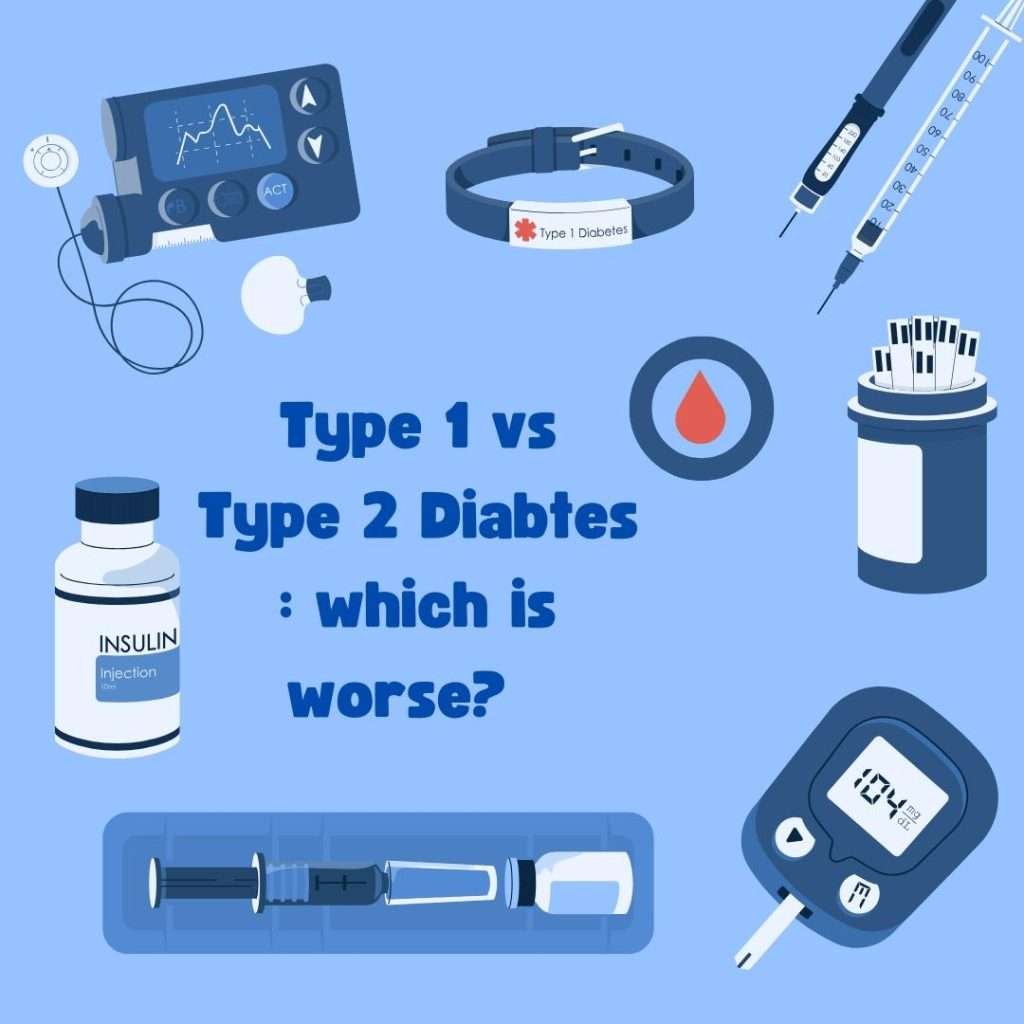
Diabetes is a chronic condition that affects millions of people worldwide, causing challenges in blood sugar regulation and overall health. When we talk about diabetes, we often hear about Type 1 diabetes and Type 2 diabetes—two distinct conditions with unique causes, symptoms, and treatments. But a common question remains: Which is worse Type 2 diabetes or Type 1 ?
This question doesn’t have a simple answer. Both types have their own challenges, risks, and implications for long-term health. Understanding the differences between the two and how they impact a person’s life is crucial to addressing this complex topic. You should consult with a good endocrinologist to keep the sugar under control.
Let’s explore the key differences, complications, and management strategies to understand which form of diabetes might pose more significant challenges in certain situations.
Which is worse Type 2 Diabetes or Type 1 ? Understanding the Basics
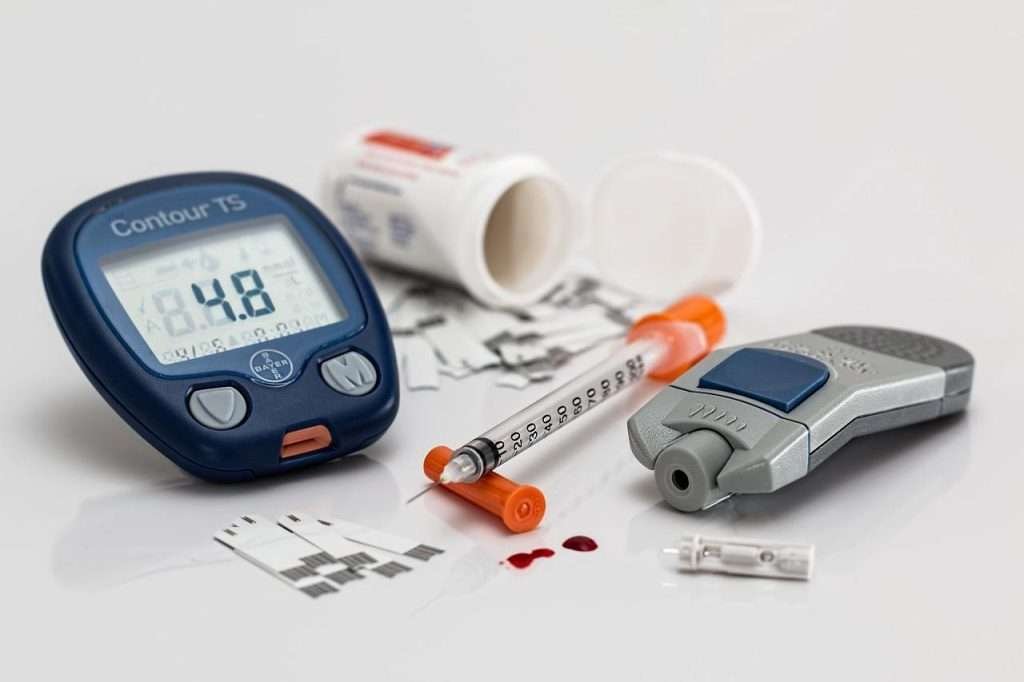
Before jump into a conclusion ,you should have a basic knowledge about both the type.Below information may come handy here :
What Is Type 1 Diabetes?
Type 1 diabetes is an autoimmune condition where the immune system mistakenly attacks the insulin-producing beta cells in the pancreas. As a result, the body produces little or no insulin, a hormone essential for regulating blood sugar levels.
- Typically diagnosed in childhood or early adulthood.
- Requires daily insulin therapy through injections or pumps.
- Symptoms often appear suddenly and may include extreme thirst, frequent urination, and weight loss.
What Is Type 2 Diabetes?
Type 2 diabetes occurs when the body becomes resistant to insulin or doesn’t produce enough insulin to maintain normal blood sugar levels. This condition is often linked to lifestyle factors like poor diet, lack of exercise, and obesity, but genetics also play a role.
- Typically diagnosed in adults over 45, though it’s increasingly common in younger people.
- Managed through lifestyle changes, oral medications, and sometimes insulin.
- Symptoms develop gradually, making early detection challenging.
Key Differences Between Type 1 and Type 2 Diabetes
Below you will get a in-depth idea bout the difference between type 1 and type 2 Diabetes :
Comparison Table
| Aspect | Type 1 Diabetes | Type 2 Diabetes |
| Cause | Autoimmune destruction of insulin-producing cells. | Insulin resistance or insufficient insulin production. |
| Onset | Usually develops in childhood or adolescence. | Commonly develops in adults over 45, but can occur at any age. |
| Symptoms | Sudden onset: extreme thirst, frequent urination, weight loss, fatigue. | Gradual onset: fatigue, increased thirst, frequent urination, slow-healing wounds. |
| Treatment | Requires daily insulin therapy (injections or pumps). | Managed with lifestyle changes, oral medications, and sometimes insulin. |
| Risk Factors | Family history, genetics. | Obesity, sedentary lifestyle, poor diet, family history, and age. |
| Complications | Diabetic ketoacidosis (DKA), cardiovascular disease, kidney disease, nerve damage, eye problems. | Same as Type 1 but often diagnosed later, increasing complication risks. |
| Management | Strict blood sugar monitoring, carbohydrate counting, insulin management. | Focuses on diet, exercise, weight loss, medications, and monitoring. |
| Prevention | Cannot be prevented (autoimmune condition). | Often preventable through healthy lifestyle choices. |
| Prevalence | Accounts for 5-10% of diabetes cases. | Accounts for 90-95% of diabetes cases. |
Complications: Long-Term Risks
Both Type 1 and Type 2 diabetes can lead to serious complications if not well managed:
Common Complications
- Cardiovascular disease: Both types increase the risk of heart attack and stroke.
- Kidney disease: High blood sugar can damage the kidneys, leading to chronic kidney disease or failure.
- Nerve damage: Peripheral neuropathy can cause pain, tingling, or loss of sensation, especially in the feet.
- Eye damage: Retinopathy and other eye problems can lead to blindness.
Severity of Complications
- Type 1 diabetes: The sudden and severe onset of symptoms and the reliance on insulin increase the risk of life-threatening conditions like diabetic ketoacidosis (DKA).
- Type 2 diabetes: The gradual progression can delay diagnosis, allowing complications to develop unnoticed for years.
Management Strategies: Which Is More Challenging?
Managing the spike of blood sugar is not an easy task but with proper strategy you can combat it too.Let’s check it out here :
Managing Type 1 Diabetes
- Requires strict blood sugar monitoring multiple times a day.
- Insulin therapy must be carefully timed with meals, physical activity, and other factors.
- Continuous glucose monitors (CGMs) and insulin pumps can ease the burden but require financial resources.
Managing Type 2 Diabetes
- Often involves significant lifestyle changes, such as adopting a healthy diet and regular exercise.
- Medication regimens can be complex, especially when multiple drugs are required.
- Long-term adherence to healthy habits can be difficult for many people.
Both types demand commitment and support, but the daily insulin dependency of Type 1 can feel more restrictive to some.
FAQs
1. Is Type 1 diabetes more dangerous than Type 2?
Type 1 diabetes can be more immediately dangerous because of the risk of diabetic ketoacidosis (DKA) if insulin is not available. However, Type 2 diabetes is often diagnosed later, when complications have already developed. Both types are serious and require careful management.
2. Can Type 2 diabetes turn into Type 1?
No, Type 2 diabetes cannot turn into Type 1. They are distinct conditions with different causes. However, people with Type 2 diabetes may require insulin therapy if their condition progresses.
3. Which type of diabetes is more common?
Type 2 diabetes is far more common, accounting for about 90-95% of all diabetes cases.
4. Can both types of diabetes be prevented?
While Type 1 diabetes cannot be prevented due to its autoimmune nature, Type 2 diabetes can often be prevented or delayed through a healthy lifestyle, including a balanced diet, regular exercise, and weight management.
5.Can Type 2 Diabetes Advance More Quickly Than Type 1?
Although Type 1 diabetes has a sudden onset, Type 2 tends to develop gradually over time. This slow progression often means that significant complications, such as nerve damage or heart disease, may already be present when it is diagnosed.
6.Are More Children Being Diagnosed with Type 2 Diabetes?
While Type 1 diabetes has traditionally been the most common form in children, Type 2 is becoming increasingly prevalent due to rising childhood obesity rates. This trend raises concerns about early health complications and the lifelong challenges of managing diabetes from a young age.
7.Does Gestational Diabetes Increase the Risk of Type 1 or Type 2?
Gestational diabetes is a known risk factor for developing Type 2 diabetes later in life. Women who experience this condition should undergo regular screenings and implement preventive lifestyle measures to lower their risk.
Final Thoughts: Which Is Worse?
It’s not a matter of which type of diabetes is worse but rather how well each condition is managed. Both Type 1 and Type 2 diabetes come with challenges that can significantly impact quality of life and long-term health.
With advancements in technology, education, and treatment options, people with diabetes can lead fulfilling lives. Whether it’s insulin therapy for Type 1 diabetes or lifestyle changes for Type 2, proactive management and support are key.
Managing diabetes requires a lifelong commitment, but with proper knowledge and tools, individuals can reduce risks and lead a healthy life.