Recovering from prostate surgery can be an overwhelming journey, especially when concerns nerve damage and its impact on quality of life arise. For many men, the fear of lasting complications, such as erectile dysfunction or urinary incontinence, weighs heavily. These concerns are valid, and understanding the role of nerve regeneration in your recovery can be a key part of your healing process.
During prostate surgery, particularly procedures like a radical prostatectomy, delicate nerve bundles that control critical functions may be at risk of injury. These nerves are responsible for vital activities, from bladder control to sexual function, making their health and recovery a crucial focus. Nerve damage, while not always permanent, presents challenges that can delay or complicate the healing process, leaving patients eager for ways to support nerve repair and restore normal function.
This article delves into evidence-based practices and emerging approaches to promote nerve regeneration. We’ll explore nutritional recommendations, lifestyle modifications, medical therapies, and strategies backed by research to maximize recovery potential. By understanding and implementing these methods, you may be able to accelerate your healing and improve your post-surgery outcomes. So let’s dive into how to speed up nerve regeneration after prostate surgery.
Understanding Nerve Damage After Prostate Surgery
Prostate surgery, particularly radical prostatectomy, is often necessary for treating prostate cancer. This procedure involves removing the prostate gland and sometimes nearby tissues, which can inadvertently impact surrounding nerve structures. The most significant concern lies in the pelvic area, where bundles of nerves, known as the neurovascular bundles, run close to the prostate. These nerves are crucial for controlling erectile function and aiding in bladder control, making them vulnerable during surgery.
Nerves can suffer from stretching or compression as surgeons work to clear the area. Even when surgical techniques are nerve-sparing, there may still be unavoidable damage. The types of nerves affected include autonomic nerves, which regulate involuntary functions like bladder control and erection, as well as sensory nerves that impact feeling and sensation.
Recovery from nerve damage is a gradual process and can require considerable patience. Nerve tissues regenerate slowly, and it’s not unusual for healing to span several months to even a few years. The degree of recovery depends on factors like the extent of nerve injury, the patient’s age, and overall health. It’s essential to set realistic expectations: while some men may see early signs of improvement within a few months, others may need longer for significant progress. Understanding this can help manage frustrations and help speed up nerve regeneration after prostate surgery.
Factors that Affect Post-Operative Nerve Regeneration
Nerve regeneration is a slow and intricate process that can vary significantly among individuals. After nerve injury, the body initiates a healing sequence starting with inflammation, which works to clear out damaged tissue. Following this, the nerve sheath—the protective covering around nerves—begins to repair. Axons, the nerve fibers that carry signals, then regrow at a rate of roughly one millimeter per day. Because of this slow rate, recovery can take months to years, depending on how far the nerves need to grow to restore function.
Several factors influence the speed and extent of nerve healing:
- Age: Younger individuals tend to have more efficient nerve regeneration due to healthier cellular repair mechanisms, while older patients may experience slower healing.
- Overall Health: Conditions like diabetes, high blood pressure, or cardiovascular disease can impede blood flow and nerve recovery, delaying the healing process.
- Nutritional Status: A balanced diet rich in vitamins and minerals, particularly B vitamins and antioxidants, can support nerve healing.
- Physical Activity: Regular, appropriate exercise can boost circulation and promote a conducive environment for nerve repair.
- Extent of Nerve Damage: Partial nerve injuries generally heal faster and more completely than severe or fully severed nerves.
- Surgical Approach: Nerve-sparing techniques often result in better and quicker recovery compared to non-nerve-sparing procedures.
- Lifestyle Factors: Habits like smoking reduce blood flow and oxygen supply to nerves, significantly hindering the healing process.
Altogether, nerve regeneration is a highly individualized journey, requiring a combination of biological readiness, healthy habits, and patience.
Diet and Nutrition for Nerve Health
Research shows how proper nutrition plays a vital role in supporting nerve regeneration after prostate surgery. Specific nutrients can help promote nerve healing, reduce inflammation, and enhance overall recovery. Here are some key nutrients and foods that can support nerve health:
Key Nutrients for Nerve Health
- Omega-3 Fatty Acids: Omega-3s are essential fats that help reduce inflammation and support nerve cell structure. They also play a crucial role in the repair and regeneration of nerve tissues. Found in fatty fish such as salmon, mackerel, and sardines, omega-3s can also be sourced from flaxseeds, chia seeds, and walnuts. Including these foods in your diet can enhance the speed and quality of nerve recovery.
- B Vitamins: B vitamins, particularly B12, B6, and folate, are essential for nerve function and repair. Vitamin B12 helps maintain the myelin sheath that protects nerve fibers, while B6 aids in nerve signal transmission, and folate supports the formation of new nerve cells. Foods rich in B vitamins include fortified cereals, lean meats, poultry, eggs, dairy, and leafy green vegetables like spinach and kale.
- Antioxidants: Oxidative stress, which damages nerve cells, can delay recovery. Antioxidants neutralize free radicals, helping to protect nerves from this damage. Brightly colored fruits and vegetables, such as berries, tomatoes, bell peppers, and leafy greens, are packed with antioxidants like vitamins C and E. These foods help reduce inflammation, protect nerve cells, and support healing. This is especially helpful when trying to speed up nerve regeneration after prostate surgery.
Foods to Include
Incorporating the following foods into your diet can support nerve health:

- Fatty Fish (Salmon, Mackerel, Sardines): Rich in omega-3 fatty acids, these fish promote nerve cell repair and reduce inflammation.
- Leafy Greens (Spinach, Kale): High in B vitamins, especially folate, these vegetables help with nerve function and regeneration.
- Nuts and Seeds (Walnuts, Flaxseeds, Chia Seeds): Excellent sources of omega-3s, fiber, and antioxidants, they support overall nerve health.
- Berries (Blueberries, Strawberries): Packed with antioxidants like vitamin C, berries help combat oxidative stress and protect nerve cells.
- Whole Grains (Brown Rice, Oats, Quinoa): High in B vitamins and fiber, they help maintain energy levels and support healthy nerve function.
Hydration and Overall Diet
In addition to nutrient-dense foods, staying hydrated is crucial for trying to speed up nerve regeneration after prostate surgery. Proper hydration supports nerve function by ensuring that nutrients and oxygen reach nerve tissues more efficiently. Aim to drink plenty of water throughout the day, and consider incorporating herbal teas like ginger or turmeric, which have anti-inflammatory properties.
A balanced diet is key not only for nerve regeneration but also for overall healing. Ensure your diet includes a variety of nutrient-dense foods, including lean proteins, healthy fats, and colorful vegetables. A well-rounded diet helps maintain your body’s energy levels, reduce inflammation, and create the optimal environment for nerve recovery.
Exercise and Physical Therapy
Movement plays a crucial role in improving blood circulation, which is vital for nerve repair and regeneration. Good circulation ensures that oxygen and nutrients reach the nerves more efficiently, accelerating the healing process. Additionally, physical activity helps reduce inflammation, alleviates stress, and improves mood—important factors in any recovery. Gentle exercises also prevent muscle atrophy, which can occur if you remain sedentary for long periods. Regular movement, when done correctly and progressively, can help restore strength and flexibility, which supports nerve function and reduces pain.

Pelvic Floor Exercises
The pelvic floor muscles play an essential role in bladder control, sexual function, and overall pelvic health. After prostate surgery, strengthening these muscles can significantly aid in nerve recovery. Pelvic floor exercises, commonly known as Kegel exercises, help improve blood flow to the pelvic area, speed up nerve regeneration after prostate surgery, and reduce the risk of complications like incontinence.
How to perform Kegel exercises:
- Identify the muscles: The pelvic floor muscles are the ones you use to stop urination mid-stream. Practice identifying these muscles before starting exercises.
- Contract the muscles: Tighten your pelvic floor muscles for about 5 seconds, then relax for 5 seconds. Repeat this 10-15 times per session, aiming for three sessions per day.
- Gradual Progression: As you build strength, gradually increase the duration of the contractions to 10 seconds, with equal rest in between.
Gentle Stretches and Yoga
Incorporating gentle stretches and yoga can be highly beneficial for promoting flexibility, reducing muscle tension, and can help speed up nerve regeneration after prostate surgery. These practices encourage blood flow, relieve stress, and promote relaxation—factors that are essential for healing.
- Cat-Cow Stretch (Marjaryasana-Bitilasana): This simple movement helps improve spinal flexibility and stimulates blood flow to the pelvic region. Start on all fours, inhale as you arch your back (cow pose), and exhale as you round your back (cat pose). Repeat slowly for 5-10 breaths.
- Child’s Pose (Balasana): This restorative stretch helps release tension in the lower back and hips while encouraging deep breathing. From a kneeling position, sit back onto your heels, reach your arms forward, and lower your forehead to the ground. Hold for 30 seconds to 1 minute.
- Seated Forward Fold (Paschimottanasana): This yoga pose stretches the hamstrings and lower back while gently stimulating the abdominal area and pelvic floor. Sit with your legs extended in front of you, and slowly reach for your toes while keeping your back straight. Hold for 30 seconds to 1 minute.
These gentle stretches and yoga poses, when done consistently, can improve mobility and reduce discomfort, while also fostering mental relaxation—a key aspect of the healing process. For more articles on dealing with pain, check out our catalog of pain management articles.
Supplements and Medications

While a balanced diet is crucial in trying to speed up nerve regeneration after prostate surgery, certain supplements may also support healing and enhance recovery. However, it’s important to approach supplementation with caution and consult your healthcare provider before introducing any new treatments to ensure safety and effectiveness.
Commonly Recommended Supplements
- L-carnitine: L-carnitine is an amino acid derivative that plays a significant role in energy production by helping cells utilize fat for fuel. It has shown potential benefits for nerve regeneration by improving mitochondrial function, which is essential for the energy-intensive process of nerve healing. Some studies suggest that L-carnitine may help reduce nerve damage and support recovery, particularly following surgery or injury. It is typically found in red meat, but supplements are available for those who may need higher doses.
- Alpha-Lipoic Acid: Alpha-lipoic acid (ALA) is a powerful antioxidant that plays a role in protecting nerve cells from oxidative damage. It is believed to help reduce inflammation and support the regeneration of damaged nerves. Some studies have suggested that ALA may be beneficial in the treatment of neuropathy and other nerve-related conditions, as it aids in reducing oxidative stress that can impede nerve repair. ALA can be found in food sources like spinach and broccoli, but supplementing may provide therapeutic effects for nerve healing.
- Vitamin D: Vitamin D is essential not only for bone health but also for nerve and immune system function. Low levels of vitamin D have been linked to nerve damage and slower recovery after surgery. Supplementing with vitamin D may help improve nerve function, reduce inflammation, and support the immune system, promoting overall recovery. Vitamin D is synthesized by the body through sun exposure, but many people may benefit from additional supplementation, especially in regions with limited sunlight or for individuals with vitamin D deficiencies.
Caution and Consultation
Before beginning any supplementation, it is crucial to consult with your healthcare provider. While these supplements have shown promise in supporting nerve healing, they may interact with medications or other treatments you’re currently taking. Your doctor can guide you on proper dosages, timing, and whether any supplements might be contraindicated for your specific health condition. Additionally, some supplements may cause side effects or may not be necessary depending on your current diet and health status.
Advanced Therapies and When to Seek Help
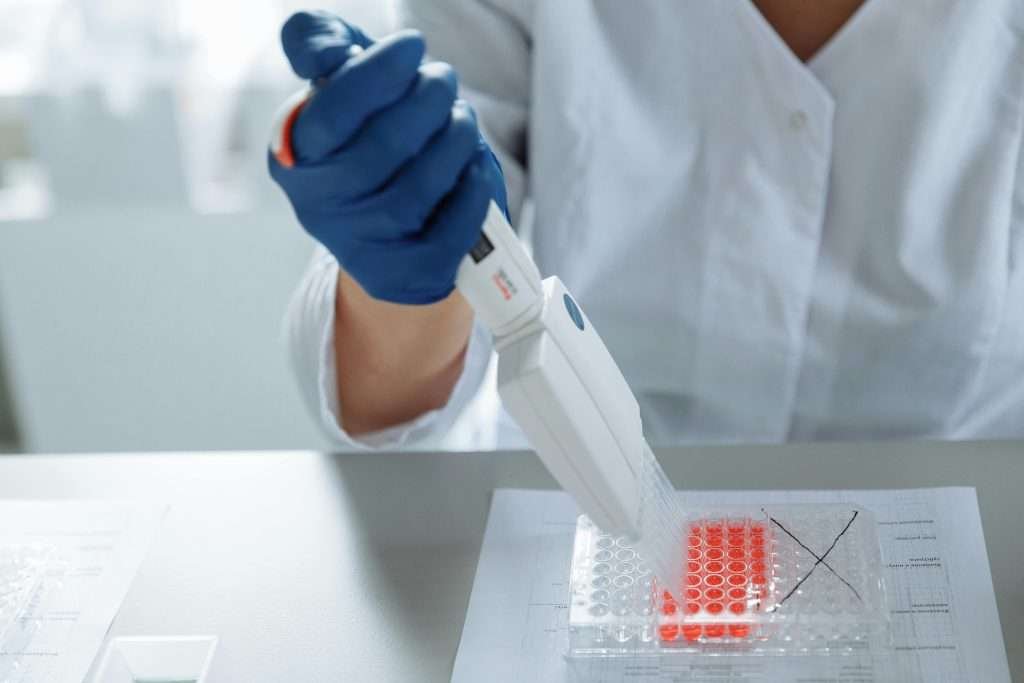
As nerve regeneration progresses, some individuals may seek additional therapies to further enhance recovery. While traditional methods like physical therapy and diet modifications are important, emerging treatments offer promising options for those trying to speed up nerve regeneration after prostate surgery.
Emerging Treatments
- Electrical Nerve Stimulation: This therapy involves using low electrical currents to stimulate nerves and promote healing. Studies have shown Electrical nerve stimulation (such as TENS—Transcutaneous Electrical Nerve Stimulation) can improve circulation, reduce pain, and promote nerve repair by encouraging nerve cell activity. This therapy can be particularly beneficial for individuals with nerve pain or discomfort following surgery.
- Regenerative Medicine: Emerging regenerative treatments, including stem cell therapy and platelet-rich plasma (PRP) injections, are gaining attention for their potential in nerve healing. These treatments aim to stimulate the body’s natural healing processes, encouraging the repair and regeneration of damaged nerves. While still being researched, they may offer hope for patients with severe nerve damage or those who have not seen sufficient improvement from conventional therapies.
Signs to Watch For
While many individuals experience gradual improvements in nerve function after surgery, it is important to be vigilant about signs that may indicate complications. Seek medical advice if you experience:
- Persistent or worsening pain: If nerve pain continues or intensifies despite treatment, it may signal that further intervention is needed.
- Severe functional limitations: Difficulty with activities such as walking, urinating, or sexual function that does not improve over time may require specialized care.
- Lack of improvement: If you notice no significant recovery after several months, or if symptoms are getting worse rather than better, it is important to consult a healthcare provider for further evaluation.
Consulting a Specialist
If you are concerned about the progress of your nerve recovery, consulting the appropriate specialists can help guide your treatment plan. A urologist specializing in prostate health can provide insights into surgical outcomes and management of urinary or sexual function. A neurologist may be helpful for assessing nerve function and exploring advanced therapies like nerve stimulation or regenerative treatments. These specialists can offer targeted therapies and ensure that you are receiving the most effective care for your situation.
FAQs
1. How long does it take for nerves to heal after prostate surgery?
Nerve healing after prostate surgery can take several months to a few years, with full recovery often occurring gradually.
2. Are there any specific foods that can help speed up nerve regeneration after prostate surgery?
Foods rich in Omega-3 fatty acids, B vitamins, and antioxidants, such as fish, leafy greens, and berries, can support nerve healing.
3. Can exercise help nerve recovery after prostate surgery?
Yes, gentle exercises, especially pelvic floor exercises, can improve circulation and promote nerve regeneration after prostate surgery.
4. What are some non-medical ways to support nerve healing after prostate surgery?
Mindfulness, adequate sleep, and stress management techniques can aid in the healing process and support nerve recovery.
5. Are there any supplements that can help with nerve regeneration after prostate surgery?
Supplements like L-carnitine, alpha-lipoic acid, and vitamin B12 may support nerve regeneration, but it’s important to consult your doctor first.
6. When should I be concerned about nerve damage after prostate surgery?
If symptoms like persistent pain, numbness, or difficulty with mobility do not improve, it’s important to consult a healthcare provider.
7. Can stress affect nerve recovery after prostate surgery?
Yes, chronic stress can impair the body’s ability to heal, potentially slowing nerve regeneration after surgery.
Summary
In conclusion, supporting nerve regeneration after prostate surgery is a journey that involves a balanced approach of proper nutrition, gentle exercise, and, when necessary, advanced therapies. Embracing a diet rich in omega-3s, B vitamins, and antioxidants, along with pelvic floor exercises and gentle stretching, can help promote healing and enhance recovery. For those who need extra support, emerging treatments like electrical nerve stimulation and regenerative therapies offer exciting possibilities.
Recovery takes time, but every step forward is progress. It’s important to remember that healing is a gradual process, and even small improvements are worth celebrating. Stay patient and positive—your body is working hard to heal, and with the right strategies in place, significant progress is not only possible but highly achievable.
Remember, your healthcare provider is there to guide you. Discuss these tips with them to create a recovery plan that’s uniquely tailored to you, and know that with dedication and hope, brighter days are ahead.