Introduction: Is High-Fiber Diet Good for Diabetes?
Diabetes, a chronic condition affecting millions worldwide, occurs when your body struggles to regulate blood sugar levels. Whether it’s type 1, type 2, or prediabetes, managing blood sugar effectively is key to preventing complications and maintaining overall health. One of the most powerful tools for this is diet.
Among dietary choices, the question arises: is high-fiber diet good for diabetes? The answer is a resounding yes! A diet rich in fiber has been shown to improve blood sugar control, support weight management, and reduce the risk of diabetes-related complications.
Fiber, a type of carbohydrate, stands out because it isn’t digested like sugars or starches. Instead, it plays a unique role in slowing glucose absorption and enhancing digestive health. This makes it a vital component of any diabetes management plan. Let’s dive deeper into what a high-fiber diet entails and how it benefits people with diabetes.
What Is a High-Fiber Diet?
A high-fiber diet emphasizes the intake of plant-based foods that are rich in dietary fiber. But what exactly is fiber? Unlike other carbohydrates, fiber isn’t broken down into sugar by your digestive system. Instead, it passes through your body, offering a host of benefits along the way.
Fiber comes in two types: soluble and insoluble.
- Soluble fiber dissolves in water, forming a gel-like substance that helps regulate blood sugar levels and lower cholesterol. Foods like oats, beans, apples, and citrus fruits are great sources.
- Insoluble fiber, on the other hand, doesn’t dissolve in water. It adds bulk to stool and supports healthy digestion. Examples include whole grains, carrots, and leafy greens.
So, is high-fiber diet good for diabetes? Absolutely. It’s a natural way to slow sugar absorption, improve insulin sensitivity, and promote fullness—key factors in diabetes management.
Examples of high-fiber foods include:
- Fruits: Berries, pears, and oranges.
- Vegetables: Broccoli, Brussels sprouts, and artichokes.
- Legumes: Lentils, chickpeas, and black beans.
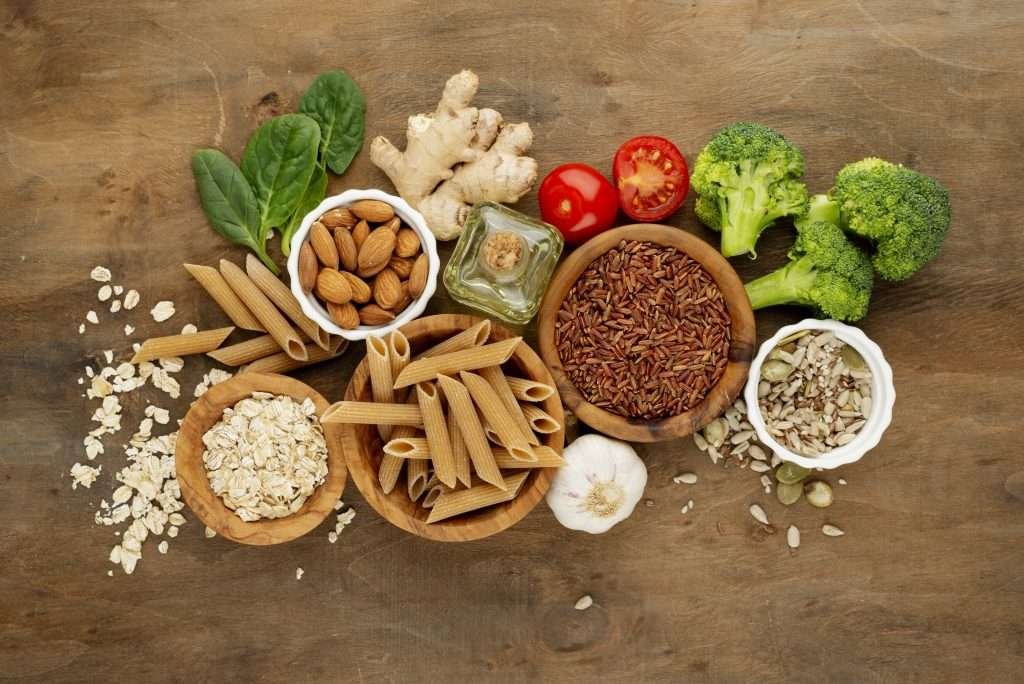
- Whole grains: Brown rice, quinoa, and whole wheat bread.
By incorporating these fiber-rich foods into your meals, you can take a major step toward better blood sugar control and overall health.
How Does Fiber Benefit People with Diabetes?
When managing diabetes, one of the most frequently asked questions is: is high-fiber diet good for diabetes? The answer is a definitive yes. Fiber offers numerous benefits for people with diabetes, particularly in improving blood sugar control and reducing the risk of complications. Let’s break down these benefits:
Blood Sugar Management
A high-fiber diet plays a critical role in slowing the absorption of glucose into the bloodstream. Soluble fiber, found in foods like oats and beans, forms a gel-like substance during digestion. This slows down the breakdown of carbohydrates and ensures a gradual release of sugar into the blood. As a result, blood sugar levels remain stable, reducing sudden spikes that can be dangerous for people with diabetes. So, is high-fiber diet good for diabetes? Yes, because it helps maintain a steady blood sugar balance.
Weight Management
Fiber-rich foods are incredibly filling, which makes them ideal for weight management. Foods like lentils, vegetables, and whole grains take longer to chew and digest, promoting a sense of fullness. This helps reduce overall calorie intake without compromising nutrition. Since maintaining a healthy weight is crucial for managing type 2 diabetes, the answer to is high-fiber diet good for diabetes becomes even clearer—it’s an effective tool for staying on track with your weight goals.
Improved Insulin Sensitivity
Type 2 diabetes often involves insulin resistance, where the body struggles to use insulin effectively. High-fiber diets, particularly those rich in soluble fiber, have been shown to improve insulin sensitivity. By enhancing the body’s ability to process sugar, fiber helps reduce the need for excessive insulin production. When considering is high-fiber diet good for diabetes, this improvement in insulin function is a significant advantage.
Complication Prevention
Long-term diabetes can lead to complications like heart disease, kidney damage, and nerve problems. High-fiber diets are beneficial in reducing these risks. Soluble fiber helps lower LDL cholesterol levels, protecting heart health, while insoluble fiber supports a healthy digestive system. By including more fiber-rich foods, individuals can reduce inflammation and support overall well-being.
So, is high-fiber diet good for diabetes? Without a doubt! Fiber helps manage blood sugar levels, supports weight control, enhances insulin sensitivity, and lowers the risk of complications. Adding fiber-rich foods like fruits, vegetables, legumes, and whole grains to your meals is a simple yet powerful way to take charge of your health. Whether you’re living with diabetes or looking to prevent it, a high-fiber diet is an essential part of the solution.
Soluble vs. Insoluble Fiber: Which Is Better?
When discussing the question, is high-fiber diet good for diabetes, it’s essential to understand the two main types of fiber: soluble and insoluble. Both play unique roles in diabetes management, and together, they create a balanced approach to better health.
Soluble Fiber: A Game-Changer for Blood Sugar and Cholesterol
Soluble fiber dissolves in water, forming a gel-like substance during digestion. This slows the absorption of carbohydrates, which helps regulate blood sugar levels—a key concern for individuals with diabetes. Soluble fiber also lowers LDL cholesterol, reducing the risk of heart disease, a common complication of diabetes.
Foods high in soluble fiber include:
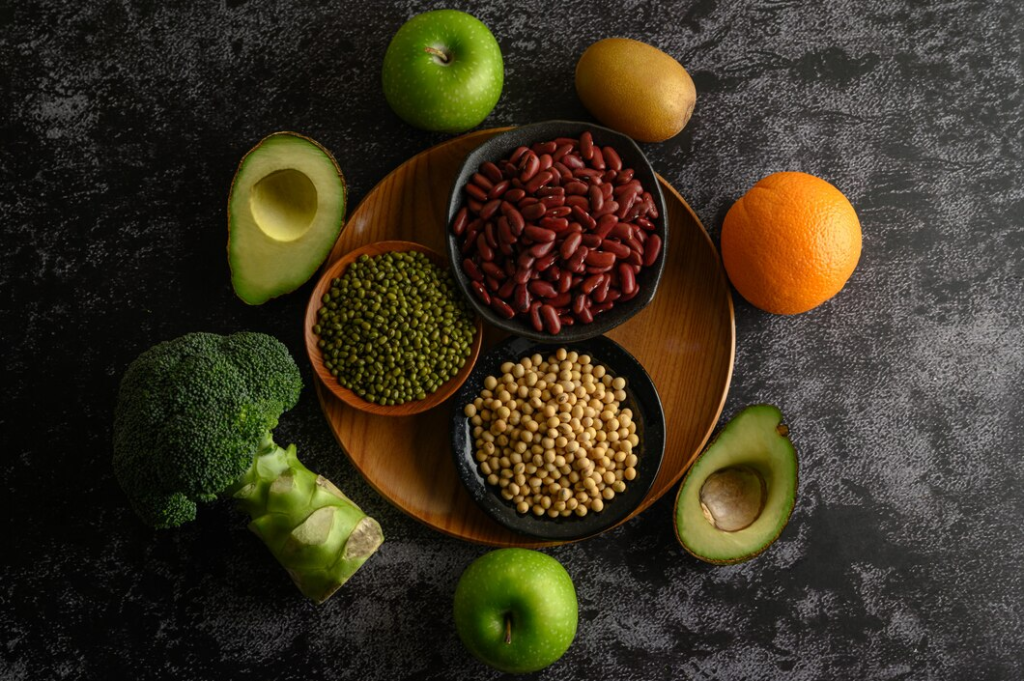
- Oats
- Beans and lentils
- Apples and pears
- Citrus fruits
- Barley
When asking, is high-fiber diet good for diabetes, soluble fiber stands out as a crucial component for maintaining steady blood sugar levels and protecting cardiovascular health.
Insoluble Fiber: Supporting Digestive Health
Insoluble fiber doesn’t dissolve in water. Instead, it adds bulk to stool, promoting regular bowel movements and preventing constipation. While it doesn’t directly affect blood sugar, it plays an important role in overall digestive health. For people with diabetes, a healthy gut can support better nutrient absorption and reduce inflammation.
Foods high in insoluble fiber include:
- Whole wheat products
- Brown rice
- Broccoli and cauliflower
- Leafy greens
- Nuts and seeds
Including insoluble fiber in your diet complements the benefits of soluble fiber, making the overall impact of a high-fiber diet even more significant.
Which Is Better?
So, is high-fiber diet good for diabetes? Both types of fiber are equally important. Soluble fiber shines in regulating blood sugar and lowering cholesterol, while insoluble fiber ensures digestive health and regularity. Together, they create a balanced foundation for managing diabetes effectively.
To maximize the benefits, include a variety of fiber-rich foods, such as oats, beans, leafy greens, and whole grains, in your meals. A mix of both soluble and insoluble fiber ensures that you’re getting the best of both worlds for optimal diabetes management.
Best Fiber-Rich Foods for Diabetes
When exploring the question, is high-fiber diet good for diabetes, it’s important to understand which fiber-rich foods can best support blood sugar control. High-fiber foods not only slow the absorption of sugar but also provide essential nutrients that promote overall health. Here’s a breakdown of some of the best fiber sources for individuals with diabetes.
Fruits
Fruits are a delicious and nutrient-dense way to increase your fiber intake. Berries, such as strawberries, blueberries, and raspberries, are particularly beneficial because of their high fiber content and low glycemic index. Apples and oranges are also excellent choices, as they are packed with soluble fiber, which helps regulate blood sugar and cholesterol levels.
If you’re wondering, is high-fiber diet good for diabetes, the answer becomes clear when you include fruits like these in your meals. They’re sweet, satisfying, and supportive of better blood sugar control.
Vegetables
Non-starchy vegetables are some of the most fiber-dense foods available. Broccoli, carrots, and spinach not only add bulk to your meals but also contain a mix of soluble and insoluble fiber. These vegetables are low in calories and glycemic index, making them perfect for people with diabetes.
Adding a variety of vegetables to your diet reinforces the idea that is high-fiber diet good for diabetes—it absolutely is!
Grains
Whole grains like quinoa, brown rice, and oats are fantastic sources of fiber. Unlike refined grains, these options are packed with nutrients and provide sustained energy without causing blood sugar spikes. Oats, in particular, are high in soluble fiber, making them a top choice for breakfast or snacks.
Choosing these grains further answers the question, is high-fiber diet good for diabetes, with a resounding yes.
Legumes
Lentils, chickpeas, and black beans are not only rich in fiber but also provide plant-based protein. Their low glycemic index means they release energy slowly, helping to keep blood sugar levels stable.
Incorporating legumes into soups, salads, or main dishes highlights why is high-fiber diet good for diabetes. These foods are versatile, filling, and ideal for maintaining blood sugar control.
By focusing on these fiber-rich, low-glycemic foods, you can confidently answer, is high-fiber diet good for diabetes. These foods offer a powerful way to manage blood sugar while providing essential nutrients for overall health.
How Much Fiber Should You Eat Daily?
When addressing the question, is high-fiber diet good for diabetes, it’s essential to consider how much fiber you should consume each day. The recommended daily intake for fiber is approximately 25 grams for women and 38 grams for men. For individuals with diabetes, aiming for at least 30–35 grams daily can provide additional benefits in blood sugar management and overall health.
However, if your current diet is low in fiber, it’s crucial to increase your intake gradually. Adding too much fiber too quickly can lead to digestive discomfort, such as bloating or gas. Start by incorporating a small amount of fiber-rich foods like vegetables, legumes, and whole grains into each meal, and increase over time.
Hydration is also key when boosting fiber intake. Fiber absorbs water as it moves through your digestive system, so drinking enough fluids prevents constipation and keeps digestion smooth.
By gradually adopting these habits, you’ll notice improvements in blood sugar control and digestive health, further reinforcing the answer to is high-fiber diet good for diabetes—it’s a proven and effective strategy.
Practical Tips for Incorporating Fiber into Your Meals
Wondering how to seamlessly add more fiber to your daily routine? If you’re asking, is high-fiber diet good for diabetes, the answer lies in these simple and practical meal ideas:
Breakfast
- Start your day with oatmeal topped with chia seeds and fresh berries.
- Add a handful of flaxseeds or sunflower seeds to your morning smoothie.
Lunch
- Swap refined white bread for whole-grain options in sandwiches.
- Include a hearty vegetable and lentil soup as part of your meal.
Dinner
- Replace white rice with quinoa or brown rice for added fiber.
- Serve roasted vegetables like Brussels sprouts or carrots alongside lean proteins.
Snacks
- Keep fresh fruit like apples or oranges within reach for a quick fiber boost.
- Snack on raw nuts or roasted chickpeas for a combination of fiber, protein, and healthy fats.
Pairing fiber with protein and healthy fats ensures balanced meals that help manage blood sugar effectively. For example, combining high-fiber crackers with avocado or hummus can keep you feeling full while preventing glucose spikes.
By following these tips, you’ll find it easy to answer the question, is high-fiber diet good for diabetes, with a confident yes. Thoughtful meal planning not only enhances your fiber intake but also supports sustainable diabetes management.
Are There Risks of Too Much Fiber?
While the answer to is high-fiber diet good for diabetes is a clear yes, consuming too much fiber too quickly can lead to discomfort. Common side effects include bloating, gas, and constipation, especially if your body isn’t accustomed to a high-fiber diet.
To avoid these issues, it’s essential to balance fiber intake with adequate water consumption. Fiber absorbs water as it moves through your digestive system, so staying hydrated ensures smooth digestion and prevents constipation. Gradually increasing fiber intake over several weeks also helps your body adjust.
Remember, moderation is key. Though fiber is highly beneficial for diabetes management, sudden or excessive intake can have unintended consequences. By making gradual, thoughtful changes to your diet, you can reap the benefits of fiber without experiencing discomfort. The answer to is high-fiber diet good for diabetes remains positive, provided you approach it with balance and care.
Overcoming Challenges of a High-Fiber Diet
Transitioning to a high-fiber diet can be challenging, especially for individuals with diabetes who are mindful of balancing their meals. However, with some practical strategies, these hurdles can be overcome, ensuring the benefits of fiber are fully realized.
One common challenge is meal planning. It might feel overwhelming to consistently include fiber-rich foods like vegetables, whole grains, and legumes in every meal. Start small—add a handful of leafy greens to your lunch or swap white rice for quinoa at dinner. Over time, these small changes add up and become part of your routine.
Another challenge is maintaining variety. Eating the same fiber-rich foods daily can lead to monotony. To keep your meals exciting, experiment with new recipes or seasonal produce. For instance, try roasted root vegetables in winter or fresh salads with berries in summer.
Finally, addressing concerns about digestive discomfort is essential. If you’re wondering, is high-fiber diet good for diabetes, the answer remains yes, but it’s important to pace yourself. Gradually increasing fiber intake and drinking plenty of water helps your body adjust smoothly, minimizing bloating or gas.
By tackling these challenges, you can confidently enjoy the benefits of fiber. Remember, every step toward a higher-fiber diet is a step toward better diabetes management and overall health.
Conclusion: High-Fiber Diet and Diabetes Management
So, is high-fiber diet good for diabetes? Absolutely! A diet rich in fiber helps regulate blood sugar, improve weight management, and reduce the risk of complications.
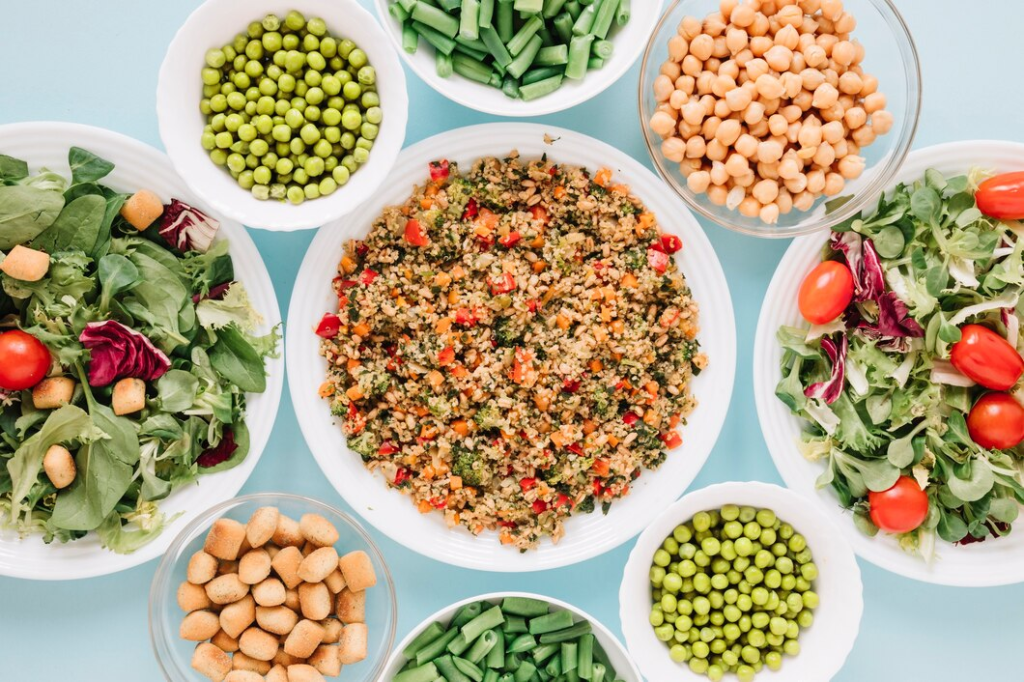
Start small by incorporating fiber-rich foods like fruits, vegetables, and whole grains into your meals. Gradual changes make it easier to sustain these habits and avoid digestive discomfort.
For personalized advice, consult a healthcare provider or dietitian to create a plan tailored to your needs. A high-fiber diet is a powerful step toward better diabetes management and overall health.
FAQ: High-Fiber Diet and Diabetes
Q: Is high-fiber diet good for diabetes?
A: Yes, a high-fiber diet is beneficial for diabetes. It helps regulate blood sugar levels, promotes satiety, supports weight management, and reduces the risk of complications like heart disease.
Q: How does fiber help control blood sugar?
A: Fiber, especially soluble fiber, slows the digestion and absorption of carbohydrates. This results in a gradual release of glucose into the bloodstream, preventing sudden spikes in blood sugar levels.
Q: What are the best high-fiber foods for diabetes?
A: Foods like berries, apples, oats, legumes (lentils, chickpeas), and non-starchy vegetables (broccoli, spinach) are excellent sources of fiber and are low on the glycemic index.
Q: How much fiber should someone with diabetes eat daily?
A: Aim for 30–35 grams of fiber daily, including a mix of soluble and insoluble fiber from whole grains, fruits, vegetables, and legumes.
Q: Can too much fiber be harmful?
A: Excessive fiber intake can cause bloating, gas, and constipation, especially if increased too quickly. Gradually raise your fiber intake and drink plenty of water to avoid these issues.
Q: Should I consult a healthcare provider before increasing fiber?
A: Yes, consulting a healthcare provider or dietitian ensures your dietary changes align with your overall diabetes management plan.