
Introduction
Diabetes is a growing global health issue that affects millions of people worldwide. It is a chronic condition that occurs when your body either doesn’t produce enough insulin or cannot effectively use the insulin it makes, leading to elevated blood sugar levels. While diabetes can affect anyone, the risk of developing Type 2 diabetes is closely linked to lifestyle factors, making prevention a critical focus for individuals and communities alike.
The impact of diabetes extends far beyond the individual. It places a significant burden on healthcare systems, with billions of dollars spent annually on treatment, management, and complications associated with the disease. Beyond the financial costs, diabetes can lead to serious health complications, including heart disease, kidney failure, and vision loss, dramatically affecting quality of life.
So, the question, ‘how to reduce risk of diabetes‘ comes to minds of many. The good news is that there are proven ways to reduce risk of diabetes. By making informed lifestyle choices, such as adopting a balanced diet, staying physically active, and managing stress, you can significantly lower your chances of developing this condition. Prevention truly is better than cure, and even small changes can lead to meaningful results. This guide will provide you with practical, actionable steps to help you reduce risk of diabetes and maintain a healthy, fulfilling life.
Understanding Diabetes Risk Factors
Understanding what increases your chances of developing diabetes is essential to help you take action to reduce risk of diabetes. While some risk factors, such as genetics and age, cannot be changed, many others are influenced by your lifestyle choices. Recognizing these factors can empower you to make healthier decisions and protect your long-term health.
For starters, family history plays a significant role. If a close relative has diabetes, especially Type 2, your likelihood of developing it is higher. Additionally, the risk grows as you age, particularly after 45, because of slower metabolism and changes in body composition. These factors are non-modifiable, but they highlight the importance of focusing on what you can control to reduce risk of diabetes.
Lifestyle factors, however, offer plenty of room for improvement. Excess weight, especially abdominal fat, is a leading contributor to insulin resistance, which can raise blood sugar levels. Eating a diet rich in sugary and processed foods further increases the danger, as does living a sedentary lifestyle. Regular exercise and mindful eating are essential steps to counteract these risks.
Individuals with prediabetes are at a particularly high risk. Prediabetes means blood sugar levels are elevated but not yet in the diabetic range. However, by adopting healthier habits, like losing weight, improving your diet, and staying active, you can often reverse this condition and significantly reduce risk of diabetes.
By understanding these risk factors, you can focus on making positive lifestyle changes. This not only helps reduce risk of diabetes but also boosts overall health, allowing you to live a more vibrant and energetic life.
The Power of a Balanced Diet

A balanced diet plays a crucial role in helping to reduce risk of diabetes. The foods you choose to eat can have a direct impact on your blood sugar levels, weight, and overall health, making dietary choices one of the most effective tools for diabetes prevention.
Incorporating nutrient-dense foods into your diet is a key strategy to prevent diabetes naturally. Whole grains, such as brown rice, quinoa, and oatmeal, are rich in fiber, which helps regulate blood sugar levels and keeps you full for longer periods. Non-starchy vegetables like spinach, broccoli, and bell peppers are also excellent options, as they are low in calories and high in essential vitamins and minerals. Lean proteins, including chicken, fish, tofu, and legumes, provide lasting energy without spiking blood sugar. These foods collectively work to reduce risk of diabetes by promoting stable glucose levels and supporting a healthy weight.
Equally important is avoiding processed foods and limiting sugary snacks and drinks. Items like packaged snacks, sugary cereals, and soda are often high in added sugars and refined carbohydrates, which can lead to rapid blood sugar spikes and increased insulin resistance over time. Instead, choose natural alternatives such as fresh fruit, unsweetened yogurt, or nuts for a healthier snack option.
Portion control and meal planning are additional factors that contribute to a balanced diet. Even healthy foods, when consumed in excessive quantities, can lead to weight gain, which is a significant risk factor for diabetes. By being mindful of portion sizes and planning meals in advance, you can maintain better control over your caloric intake and ensure your diet remains diverse and balanced.
For practical steps, try dividing your plate into sections: half for vegetables, a quarter for lean protein, and a quarter for whole grains. This simple visual guideline can help you make healthier choices consistently. Preparing meals at home, rather than relying on takeout or processed options, gives you control over ingredients and portion sizes, further helping to reduce risk of diabetes.
Adopting a balanced diet isn’t just about what you avoid; it’s about nourishing your body with foods that promote long-term health. By prioritizing whole, unprocessed ingredients and practicing portion control, you can significantly reduce your risk of diabetes while enjoying a more energized and fulfilling lifestyle.
Regular Exercise for Diabetes Prevention

Staying physically active is one of the most effective ways to reduce risk of diabetes. Exercise improves your body’s ability to use insulin efficiently, helping to regulate blood sugar levels and reduce the likelihood of developing Type 2 diabetes. Beyond its impact on blood sugar, regular exercise promotes a healthy weight, reduces stress, and improves overall well-being.
Benefits of Exercise for Blood Sugar Control
Physical activity enhances insulin sensitivity, meaning your cells can use insulin more effectively to absorb glucose from the bloodstream. It also helps lower blood sugar levels immediately after exercise and keeps them stable over time. For individuals at risk of diabetes, regular exercise can delay or even prevent the onset of the condition by addressing one of its root causes: insulin resistance.
Recommended Types of Exercise
To reduce risk of diabetes, aim for a combination of aerobic exercise, strength training, and daily physical activity like walking. Aerobic exercises, such as brisk walking, cycling, or swimming, are excellent for boosting heart health and burning calories. Strength training, which includes activities like lifting weights or using resistance bands, builds muscle mass and further improves insulin sensitivity. Even simple daily activities, such as taking the stairs or gardening, contribute to staying active and lowering your risk.
Tips for Beginners
Starting an exercise routine doesn’t have to be intimidating. Begin with small, manageable goals, like walking for 15–20 minutes a day and gradually increasing the duration or intensity. Choose activities you enjoy to make exercise a sustainable habit. If you’re new to strength training, start with bodyweight exercises such as squats, push-ups, or yoga to build strength gradually.
Setting a consistent schedule can also help make physical activity a regular part of your life. Try integrating movement into your daily routine—for example, take short walks during work breaks, park farther from your destination, or engage in active hobbies like dancing or playing a sport. Remember, any movement is better than none, and consistency is key when working to reduce risk of diabetes.
By making exercise a priority, you can significantly reduce your risk of diabetes and enjoy numerous additional health benefits, from improved energy levels to better heart health. Start small, stay consistent, and make it fun—your body will thank you!
Maintaining a Healthy Weight
Maintaining a healthy weight is one of the most impactful ways to reduce risk of diabetes. Excess body fat, particularly around the abdomen, increases the likelihood of insulin resistance, a key factor in developing Type 2 diabetes. Obesity is a well-known risk factor, and studies show that even modest weight loss can significantly lower your chances of developing the condition.
Sustainable weight loss begins with achieving a balance between the calories you consume and those you burn. A caloric deficit—where you consume fewer calories than your body needs to maintain its weight—can help shed pounds gradually and healthily. Mindful eating plays a crucial role here, as it encourages paying attention to portion sizes, eating slowly, and avoiding emotional or stress-driven eating.
Regularly monitoring your body mass index (BMI) and waist circumference can also help track progress. A BMI within the healthy range (18.5–24.9) and a smaller waistline are indicators of reduced diabetes risk. Waist circumference is especially important because abdominal fat is closely linked to insulin resistance.
By focusing on gradual and sustainable changes, such as eating nutrient-dense foods and incorporating regular exercise, you can maintain a healthy weight and reduce risk of diabetes effectively.
Managing Stress and Sleep

Managing stress and prioritizing sleep are often overlooked but essential steps to reduce risk of diabetes. Chronic stress triggers the release of hormones like cortisol, which can increase blood sugar levels and contribute to insulin resistance. Additionally, stress often leads to unhealthy coping mechanisms, such as overeating or inactivity, which further elevate diabetes risk.
Quality sleep is equally important for maintaining stable blood sugar levels. Poor sleep disrupts your body’s ability to regulate glucose and can lead to cravings for high-calorie foods, weight gain, and increased diabetes risk. To improve sleep hygiene, establish a consistent bedtime, limit screen time before bed, and create a relaxing pre-sleep routine.
Stress reduction techniques such as mindfulness, meditation, and deep-breathing exercises can help you manage daily challenges without turning to unhealthy habits. Physical activities like yoga or walking are also excellent for reducing stress while contributing to your overall health.
By managing stress and improving sleep, you address critical factors that affect insulin sensitivity and overall metabolic health. Taking these steps not only reduces risk of diabetes but also enhances your mental and physical well-being.
Avoiding Harmful Habits

Eliminating harmful habits like smoking and excessive alcohol consumption is crucial to reduce risk of diabetes. Both behaviors negatively impact your body’s ability to regulate blood sugar and contribute to other health complications that increase diabetes risk.
Smoking and Diabetes Risk
Smoking directly interferes with insulin function, making your body more resistant to its effects. Nicotine and other harmful chemicals in cigarettes lead to inflammation and oxidative stress, which can damage cells involved in glucose metabolism. Smokers are at a significantly higher risk of developing Type 2 diabetes compared to non-smokers, and they are also more prone to complications like cardiovascular disease and nerve damage if diabetes occurs.
Alcohol and Blood Sugar Control
Excessive alcohol consumption is another contributor to poor blood sugar regulation. Drinking in large quantities can cause spikes and crashes in blood sugar levels, making it harder for your body to maintain stability. Over time, heavy drinking may lead to weight gain, liver damage, and an increased risk of insulin resistance. Even moderate alcohol use can be problematic if it leads to unhealthy eating patterns or disrupts sleep.
Steps to Reduce or Quit Harmful Habits
Quitting smoking and moderating alcohol intake can dramatically improve your overall health and help reduce risk of diabetes. For smokers, nicotine replacement therapies, support groups, or medications prescribed by a healthcare professional can make quitting more manageable. Setting clear goals, identifying triggers, and seeking support from friends or family are essential steps.
For alcohol, setting limits on how much you drink and replacing alcohol with healthier beverages can help. Try opting for water, herbal tea, or sparkling water with a splash of fruit juice during social occasions. If drinking has become a dependency, consult a healthcare provider or addiction specialist for support.
Avoiding these harmful habits not only reduces your risk of diabetes but also enhances your overall quality of life. Taking small, consistent steps to quit smoking or cut back on alcohol can lead to long-term health benefits and greater control over your well-being.
Monitoring and Early Detection
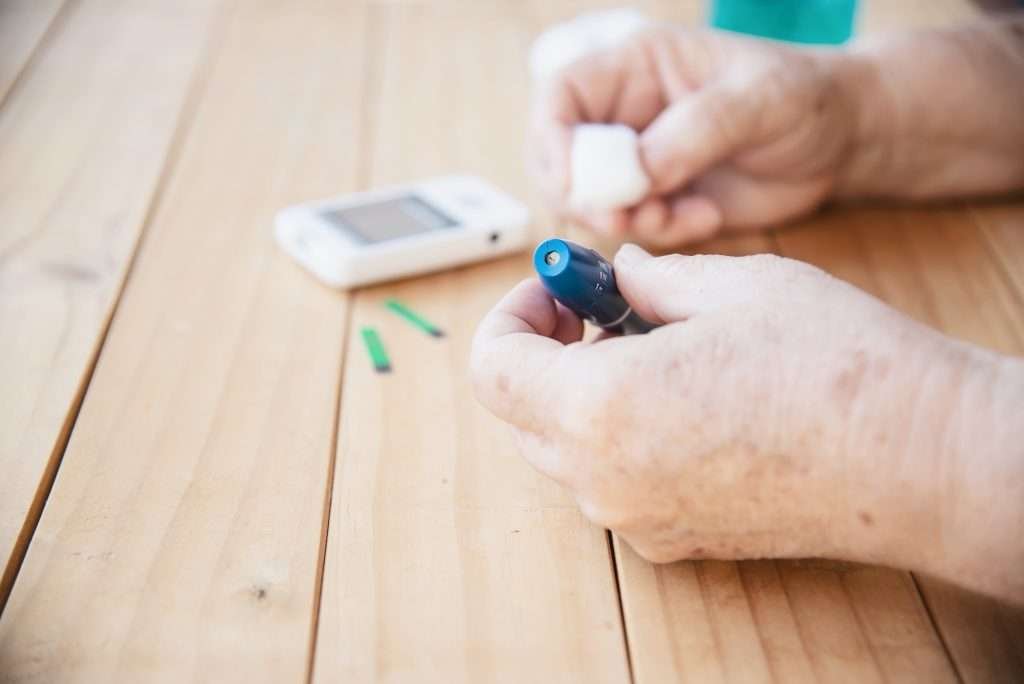
Regular monitoring of blood sugar levels is a vital step to reduce risk of diabetes. Many people with prediabetes or early-stage Type 2 diabetes are unaware of their condition until complications arise, making routine screenings essential. Early detection allows for timely interventions that can prevent the progression to full-blown diabetes.
Healthcare professionals recommend regular blood sugar screenings, particularly if you have risk factors such as a family history of diabetes, being overweight, or leading a sedentary lifestyle. Tests like fasting blood sugar, HbA1c, or an oral glucose tolerance test can identify prediabetes or diabetes in its early stages.
Recognizing the signs of prediabetes—such as increased thirst, frequent urination, fatigue, or unexplained weight changes—can prompt you to seek medical advice. With early intervention, you can make lifestyle changes, like improving your diet and increasing physical activity, to reverse prediabetes and significantly reduce your risk of diabetes.
Building a partnership with your healthcare provider is key. They can offer personalized advice, track your progress, and provide resources to support your journey toward better health. Monitoring your blood sugar and seeking regular professional guidance empowers you to take control of your health.
Conclusion and Action Plan
You can reduce risk of diabetes is achievable with consistent effort and informed choices. From adopting a balanced diet and staying physically active to managing stress, getting quality sleep, and avoiding harmful habits like smoking and excessive alcohol consumption, each step contributes to a healthier lifestyle.
The key to success is starting small and focusing on one habit at a time. Whether it’s incorporating more whole grains into your meals, walking daily, or setting a regular sleep schedule, gradual changes are more sustainable and less overwhelming.
Take action today by scheduling a health screening, planning a healthy meal, or committing to a short workout. Remember, every positive change adds up, and even small steps can make a big difference in your health.
By proactively working to reduce risk of diabetes, you not only improve your chances of avoiding the condition but also enhance your overall well-being. Take control of your health now—your future self will thank you!
FAQ: Reducing the Risk of Diabetes
1. How can I reduce risk of diabetes?
To reduce risk of diabetes, focus on adopting healthy habits such as eating a balanced diet, staying physically active, maintaining a healthy weight, and managing stress. Regular exercise, including aerobic and strength training activities, can improve insulin sensitivity, while consuming a diet rich in whole grains, vegetables, and lean proteins helps regulate blood sugar levels. Avoiding sugary foods and drinks is also crucial for diabetes prevention.
2. What are the risk factors for Type 2 diabetes?
Several risk factors increase the likelihood of developing Type 2 diabetes, including genetics, age, and lifestyle. Being overweight, having a sedentary lifestyle, or poor eating habits can significantly raise your risk. Additionally, individuals with a family history of diabetes or those diagnosed with prediabetes are at a higher risk. Addressing modifiable risk factors, such as diet and exercise, can greatly reduce risk of diabetes.
3. Can I reduce risk of diabetes if I have prediabetes?
Yes, individuals with prediabetes can often prevent the progression to Type 2 diabetes by making lifestyle changes. Adopting a healthier diet, increasing physical activity, and losing weight are key strategies to reduce risk of diabetes. Regular monitoring of blood sugar levels and consulting with a healthcare provider can help guide your efforts in reversing prediabetes.
4. How does stress affect my risk of diabetes?
Chronic stress can contribute to insulin resistance, which raises blood sugar levels and increases the risk of developing Type 2 diabetes. Stress can also lead to poor lifestyle choices, such as overeating or lack of physical activity, which further exacerbate diabetes risk. Practicing stress-reduction techniques, such as meditation or mindfulness, can help manage stress and reduce risk of diabetes.
5. How often should I monitor my blood sugar to reduce risk of diabetes?
Regular blood sugar monitoring is essential for detecting early signs of diabetes or prediabetes. If you have risk factors, such as a family history or are overweight, it’s important to have your blood sugar checked at least once a year. Early detection allows you to make the necessary lifestyle changes to reduce risk of diabetes.