Introduction: Why Consider Herbs for Diabetes?
Managing diabetes effectively is crucial for maintaining overall health, and there’s growing interest in how to manage diabetes with herbs as part of a natural approach. With millions of people seeking alternatives to solely relying on conventional medications, herbal remedies are becoming a popular complementary solution. These natural options are not only affordable but often come with additional health benefits, such as improved digestion, reduced inflammation, and enhanced immunity.
Herbs have been used for centuries in various cultures to support blood sugar control and overall wellness. Unlike medications that may target specific aspects of diabetes, herbs work holistically, helping the body manage glucose levels while addressing related issues like stress or inflammation. For instance, cinnamon has been shown to mimic insulin’s effects, while bitter melon helps reduce blood sugar spikes naturally.
It’s important to note that using herbs doesn’t mean abandoning traditional treatments. Instead, herbs can complement prescribed medications and lifestyle changes, creating a more balanced and sustainable approach. Incorporating herbs into your routine, alongside a nutritious diet and regular exercise, can help you maintain better control over your blood sugar while reducing dependence on medication over time.
By understanding how to manage diabetes with herbs, you open the door to a holistic strategy that focuses on long-term health. This natural path is especially valuable for individuals looking to minimize side effects and adopt a sustainable, wellness-centered lifestyle.
Understanding Herbal Remedies for Diabetes
Herbs have the potential to play a powerful role in managing diabetes. Understanding how to manage diabetes with herbs begins with knowing how these natural remedies influence your body and blood sugar levels.
How Herbs Affect Blood Sugar Levels
Certain herbs work by improving insulin sensitivity, reducing the amount of sugar absorbed in the gut, or slowing down carbohydrate digestion. For example:
- Cinnamon: Enhances insulin activity, helping cells absorb glucose more efficiently.
- Fenugreek: Slows sugar absorption and stimulates insulin production.
- Bitter Melon: Acts like insulin, reducing blood sugar levels naturally.
Herbs often work in synergy with the body’s natural processes, making them a valuable addition to your diabetes management plan.
Scientific Evidence Supporting Herbal Remedies
Research has shown promising results for several herbs used in diabetes care:
- A study published in the Journal of Diabetes Research found that cinnamon significantly reduces fasting blood glucose levels in individuals with Type 2 diabetes.
- Fenugreek seeds have been shown to lower post-meal glucose levels by improving carbohydrate metabolism.
- Bitter melon is known for its insulin-mimicking properties, with studies highlighting its role in reducing blood sugar spikes.
These findings reinforce that herbal remedies can be a practical tool for those exploring how to manage diabetes with herbs naturally.
Precautions and Consultations
While herbs offer many benefits, they should always be used cautiously. Consulting with a healthcare professional before starting any herbal remedy is essential, especially if you’re on prescribed medications. Certain herbs, such as turmeric, can interact with blood thinners, while excessive use of aloe vera may cause digestive issues.
To ensure safety, start with small doses and monitor how your body responds. Regularly checking your blood sugar levels while using herbs is critical to prevent hypoglycemia. Remember, herbs should complement—not replace—your existing diabetes care plan.
By exploring how to manage diabetes with herbs responsibly, you can make informed decisions that support your health while embracing the best of nature’s remedies.
Top Herbs for Managing Diabetes
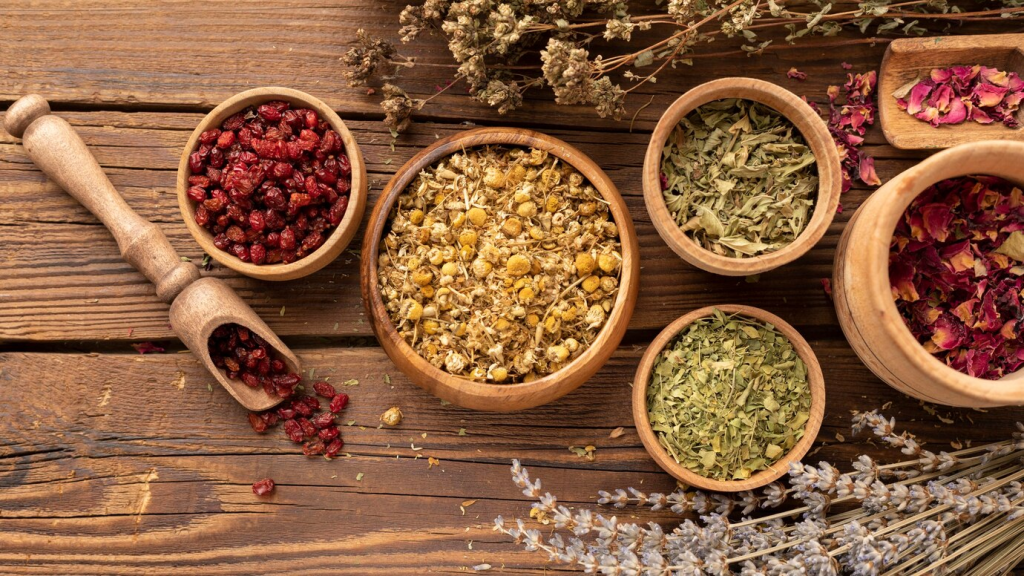
Learning how to manage diabetes with herbs involves understanding the unique benefits and uses of specific natural remedies. Below, we explore six powerful herbs that can help regulate blood sugar levels and support overall health.
1. Cinnamon
Benefits: Cinnamon is one of the most researched herbs for diabetes. It helps improve glucose metabolism and enhances the body’s ability to use insulin effectively. Studies have shown that regular consumption of cinnamon can reduce fasting blood sugar levels and even lower HbA1c levels in people with Type 2 diabetes.
How to Use It: Cinnamon can be added to your meals, teas, or smoothies for a flavorful and health-boosting kick. If preferred, supplements containing cinnamon extract are also available.
Precautions: While cinnamon is generally safe, excessive consumption can cause liver issues due to the compound coumarin found in certain varieties. Stick to moderate amounts, and consult your doctor if you’re unsure.
By incorporating cinnamon into your routine, you can take a significant step toward mastering how to manage diabetes with herbs.
2. Fenugreek
Benefits: Fenugreek is a powerful herb that slows glucose absorption and improves insulin sensitivity, making it highly effective for managing post-meal blood sugar spikes. Additionally, fenugreek seeds contain soluble fiber, which aids digestion and helps maintain steady blood sugar levels.
How to Consume: Fenugreek seeds can be soaked overnight in water and consumed the next morning. They can also be added to meals, ground into powder, or taken in capsule form as a supplement.
Why It Matters: Fenugreek’s ability to regulate glucose levels makes it a cornerstone in how to manage diabetes with herbs, particularly for those who struggle with fluctuating sugar levels after meals.
3. Turmeric
Benefits: Known for its anti-inflammatory and antioxidant properties, turmeric is a versatile herb that supports stable blood sugar levels. It also helps reduce inflammation linked to insulin resistance, making it a valuable tool for managing diabetes.
Usage: Turmeric can be consumed in various ways, such as in teas, curries, or golden milk. To boost absorption, pair turmeric with black pepper, which contains piperine—a compound that enhances turmeric’s effectiveness.
Why It’s Effective: Turmeric’s dual benefits for inflammation and glucose regulation make it a vital herb for anyone learning how to manage diabetes with herbs holistically.
4. Aloe Vera
Benefits: Aloe vera is not just a skin-soothing plant; it also has properties that help lower fasting blood sugar levels. In addition, aloe vera supports digestion, which can be particularly beneficial for individuals with diabetes experiencing gastrointestinal issues.
How to Use: Aloe vera gel or juice can be consumed directly or added to smoothies. Make sure to use pure, properly prepared aloe vera to avoid any potential side effects.
Safety Tip: Avoid overconsumption, as too much aloe vera may cause stomach discomfort. For those focused on how to manage diabetes with herbs, moderation and preparation are key when using aloe vera.
5. Bitter Melon
Benefits: Bitter melon is a well-known herb in traditional medicine for its ability to mimic insulin. It contains active compounds that help cells absorb glucose, reducing blood sugar levels naturally.
Usage Tips: Bitter melon can be consumed as juice, cooked in meals, or taken in supplement form. While the taste is quite bitter, the health benefits make it worthwhile for anyone seeking how to manage diabetes with herbs effectively.
Precautions: Excessive consumption can lead to hypoglycemia, so monitor your blood sugar levels closely when using bitter melon.
6. Gymnema Sylvestre
Benefits: Often called the “sugar destroyer,” Gymnema Sylvestre is a unique herb that reduces sugar cravings and blocks sugar absorption in the intestines. It also helps improve glucose metabolism, making it an excellent option for diabetes management.
Usage: Gymnema is typically consumed as capsules, teas, or powdered leaves. It’s particularly beneficial for those trying to cut down on sugar consumption as part of a holistic approach to diabetes care.
Key Role: For individuals looking into how to manage diabetes with herbs, Gymnema Sylvestre offers a dual benefit of reducing cravings and stabilizing blood sugar levels.
Herbs as Part of a Holistic Strategy
Each of these herbs plays a unique role in blood sugar management, offering natural ways to complement traditional diabetes treatments. Whether you choose cinnamon for its glucose-lowering effects or Gymnema to curb sugar cravings, incorporating these remedies into your daily routine can help you learn how to manage diabetes with herbs effectively and safely. Remember, the key to success is consistent use, moderation, and regular monitoring of your blood sugar levels. Always consult your healthcare provider before starting any new herbal remedy.
Herbal Teas and Infusions for Diabetes

For those exploring how to manage diabetes with herbs, herbal teas provide an excellent way to incorporate natural remedies into your daily routine. These teas not only help regulate blood sugar but also offer other health benefits, such as improved digestion, better sleep, and reduced stress.
Top Herbal Teas for Diabetes
- Chamomile Tea:
Chamomile tea is known for its calming properties, but it also helps regulate blood sugar levels. Drinking chamomile before bed can improve sleep quality, which is vital for managing stress and maintaining stable glucose levels. - Green Tea:
Packed with antioxidants like catechins, green tea enhances insulin sensitivity and reduces inflammation. Regular consumption has been shown to help lower fasting blood sugar levels over time. - Hibiscus Tea:
Hibiscus tea supports heart health by lowering blood pressure and cholesterol levels, both of which are common concerns for diabetics. It’s also a flavorful way to stay hydrated and support overall wellness.
Preparation Tips
- Do’s:
- Brew your tea using fresh, high-quality leaves or flowers for maximum potency.
- Use filtered water and let the tea steep for 5-10 minutes to release its full benefits.
- Don’ts:
- Avoid adding sugar or artificial sweeteners. Instead, consider a splash of lemon or a small amount of stevia.
- Don’t overconsume—1-3 cups per day is typically sufficient.
Daily Recommendations
Drink herbal teas at consistent times each day, such as in the morning or after meals, to maximize their effects. Chamomile before bed and green tea earlier in the day can be an excellent balance.
By integrating these teas into your routine, you’ll take another step toward mastering how to manage diabetes with herbs in a natural, enjoyable way.
Incorporating Herbs Safely
Safety is crucial when learning how to manage diabetes with herbs. While herbs are natural, they can still interact with medications or cause side effects if not used properly.
Proper Dosages
- Cinnamon: Limit intake to about 1 teaspoon (2-4 grams) per day to avoid potential liver issues.
- Fenugreek: Start with 1-2 teaspoons of seeds soaked in water or 500-1,000 mg capsules daily.
- Consistency is key. Regular use in moderate amounts is more effective than irregular, high doses.
Monitoring your blood sugar levels regularly while using herbs is essential. Track changes to determine how each herb affects your glucose levels.
Avoiding Interactions with Medications
Certain herbs can interfere with medications, so always consult your healthcare provider before starting any herbal remedies. For example:
- Turmeric may interact with blood thinners, increasing the risk of bleeding.
- Bitter melon can enhance the effects of diabetes medications, leading to hypoglycemia.
- Avoid combining multiple herbs without professional guidance, as interactions can be unpredictable.
Gradual Introduction
When starting any new herb, introduce it slowly and in small amounts. This allows your body to adapt and reduces the risk of side effects. For example:
- Begin with half the recommended dose and gradually increase over a week.
- Track symptoms and blood sugar levels to identify any changes.
By following these safety guidelines, you’ll gain confidence in using herbs effectively and responsibly. Incorporating herbs safely into your routine is a key step in mastering how to manage diabetes with herbs, ensuring you reap the benefits without compromising your health.
Combining Herbs with a Healthy Lifestyle

Understanding how to manage diabetes with herbs goes beyond simply adding herbs to your routine. Their effectiveness is amplified when combined with a healthy lifestyle that supports overall blood sugar control and well-being.
Dietary Support
A balanced diet rich in low-glycemic foods works hand-in-hand with herbs to regulate blood sugar levels. Foods like whole grains, legumes, vegetables, and lean proteins slow the release of glucose into the bloodstream, enhancing the benefits of herbs like cinnamon and fenugreek.
Incorporate fiber-rich options, such as chia seeds or oats, alongside herbal remedies to stabilize glucose levels. For example, drinking fenugreek water in the morning and following it up with a fiber-packed breakfast can provide sustained energy while keeping blood sugar steady. Avoid refined carbs and sugary drinks, as they counteract the positive effects of herbs.
Exercise and Herbal Use
Regular physical activity improves insulin sensitivity, making your body more responsive to herbs that enhance glucose metabolism. Exercises like walking, cycling, or strength training complement the actions of herbs like Gymnema Sylvestre, which reduces sugar cravings.
Aim for at least 30 minutes of moderate exercise daily, and time your herbal tea or supplement intake around your activity. For instance, drinking green tea before a workout can boost energy and help regulate blood sugar post-exercise.
Stress Management
Chronic stress can elevate cortisol levels, which in turn disrupts blood sugar control. Techniques like meditation, yoga, and deep breathing exercises not only reduce stress but also enhance the effectiveness of herbs with calming properties, like chamomile or turmeric.
Incorporating stress-reducing practices into your routine creates a holistic strategy, making how to manage diabetes with herbs even more effective. Pairing relaxation techniques with a cup of chamomile tea before bed can improve sleep quality, further stabilizing glucose levels.
By combining herbs with a healthy lifestyle, you’ll create a comprehensive approach to managing diabetes naturally and sustainably.
Myths and Misconceptions About Herbal Diabetes Care
When exploring how to manage diabetes with herbs, it’s important to separate fact from fiction. Misunderstandings about herbal remedies can lead to unrealistic expectations or improper use.
Debunking Common Myths
- “Herbs can cure diabetes entirely.”
While herbs can help manage symptoms and improve blood sugar control, they cannot cure diabetes. Herbs like bitter melon and fenugreek support glucose regulation but must be part of a larger diabetes management plan that includes diet, exercise, and prescribed treatments. - “Natural means no side effects.”
Even natural remedies can cause adverse reactions if taken in excessive amounts or combined improperly. For instance, turmeric can interact with medications, and overusing bitter melon can lead to hypoglycemia.
Herbs as Supplements, Not Substitutes
Herbs should be viewed as complementary tools, not replacements for prescribed treatments. Relying solely on herbs while ignoring medical advice or neglecting lifestyle changes can be dangerous. Always consult a healthcare provider before incorporating herbal remedies into your routine.
By understanding these realities, you can make informed decisions about how to manage diabetes with herbs safely and effectively.
Conclusion and Practical Tips
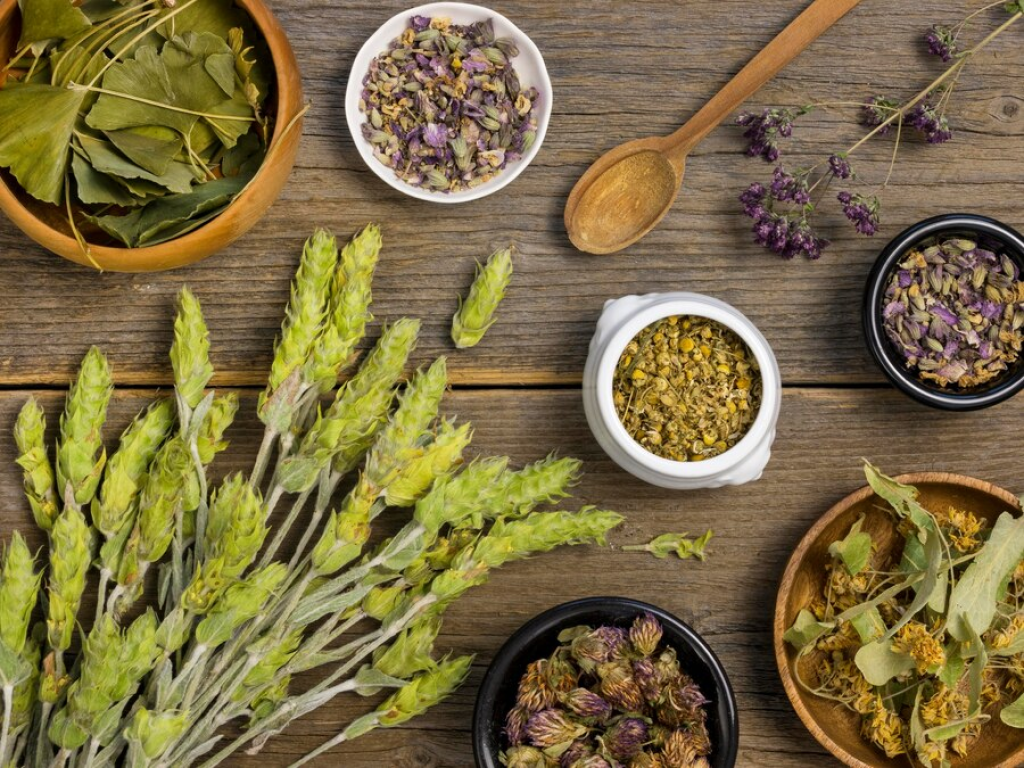
Managing diabetes naturally requires a comprehensive approach, and understanding how to manage diabetes with herbs can be a valuable part of your journey. Let’s recap the top herbs:
- Cinnamon improves glucose metabolism and lowers fasting blood sugar.
- Fenugreek enhances insulin sensitivity and slows glucose absorption.
- Turmeric reduces inflammation and stabilizes blood sugar levels.
- Aloe Vera supports digestion and lowers fasting glucose.
- Bitter Melon mimics insulin and helps manage blood sugar.
- Gymnema Sylvestre curbs sugar cravings and enhances glucose metabolism.
To achieve the best results, pair these herbs with a balanced diet rich in low-glycemic foods, regular exercise, and stress-reducing practices like meditation or yoga. Always consult your healthcare provider before starting any herbal regimen.
Final Practical Tips
- Keep a journal of your herbal use and track how it affects your blood sugar levels over time.
- Experiment with recipes, such as herbal teas or spice blends, to make the process enjoyable and sustainable.
- Start slow with small doses of any new herb, monitoring for changes and potential side effects.
By adopting a holistic management plan, you’ll be better equipped to control diabetes and improve your overall quality of life.
FAQ: Managing Diabetes with Herbs
1. Can herbs cure diabetes?
No, herbs cannot cure diabetes. They can help regulate blood sugar levels and improve insulin sensitivity when used alongside diet, exercise, and medical treatments.
2. How long does it take to see results from herbal remedies?
The effects of herbs vary from person to person. Some, like cinnamon, may show benefits within weeks, while others may take longer. Consistent use and monitoring are key.
3. Are herbal remedies safe for everyone?
Not all herbs are suitable for everyone, especially those on medications or with specific health conditions. Always consult a healthcare provider before incorporating herbs into your routine.
4. How can I include herbs in my diet?
Herbs can be added to meals, brewed as teas, or taken as supplements. For example, use turmeric in curries or cinnamon in oatmeal, or try fenugreek water in the morning.
5. Do I need to stop my prescribed medications when using herbs?
No, herbs should complement your prescribed treatments, not replace them. Work with your doctor to ensure safe integration of herbal remedies into your diabetes care plan.