Introduction: How to Lower Blood Sugar Without Medication
Millions of people around the world are affected by prediabetes and type 2 diabetes, with numbers rising each year. In fact, prediabetes alone is estimated to impact one in three adults, many of whom remain undiagnosed. Managing blood sugar effectively is not just about avoiding diabetes complications—it’s about living a healthier, more energetic life.
Uncontrolled high blood sugar can lead to serious health risks, including heart disease, nerve damage, and kidney issues. However, lowering blood sugar isn’t solely reliant on medication. For many, natural approaches offer a safe, effective way to achieve better control while improving overall well-being.
This guide will walk you through how to lower blood sugar without medication using simple yet powerful lifestyle changes. From diet adjustments to stress management techniques, every tip here is backed by science and easy to implement. Whether you’re managing prediabetes, type 2 diabetes, or simply want to stabilize your glucose levels naturally, this is your step-by-step roadmap to success. Let’s dive in and take control of your health today!
Understanding Blood Sugar Levels

What is Blood Sugar?
Blood sugar, or blood glucose, is the primary source of energy for your body’s cells. It comes from the carbohydrates in the food you eat, and your body uses it to fuel essential functions, from moving muscles to powering your brain. The hormone insulin, produced by your pancreas, helps transport glucose from your bloodstream into your cells, where it can be used or stored for later.
When blood sugar levels are within a normal range, your body operates smoothly. However, when levels rise too high (hyperglycemia) or drop too low (hypoglycemia), it can disrupt your health. Normal fasting blood sugar levels generally range between 70 and 99 mg/dL, while levels over 126 mg/dL may indicate diabetes. Consistently high blood sugar can damage organs, nerves, and blood vessels, making it essential to address the issue promptly.
Factors Influencing Blood Sugar
Several factors affect blood sugar levels, including:
- Diet: Foods high in sugar or refined carbohydrates can cause spikes, while high-fiber, low-GI foods help stabilize glucose.
- Physical Activity: Regular exercise improves insulin sensitivity, allowing cells to use glucose more effectively.
- Stress: Stress hormones like cortisol can increase blood sugar.
- Sleep: Poor sleep disrupts insulin sensitivity and appetite-regulating hormones.
- Genetics: Some people are more predisposed to blood sugar imbalances due to family history.
The good news? Many of these factors can be managed through lifestyle changes. By understanding how to lower blood sugar without medication, you can make informed decisions to maintain stable glucose levels naturally and reduce the risk of long-term complications.
Diet-Based Solutions to Lower Blood Sugar
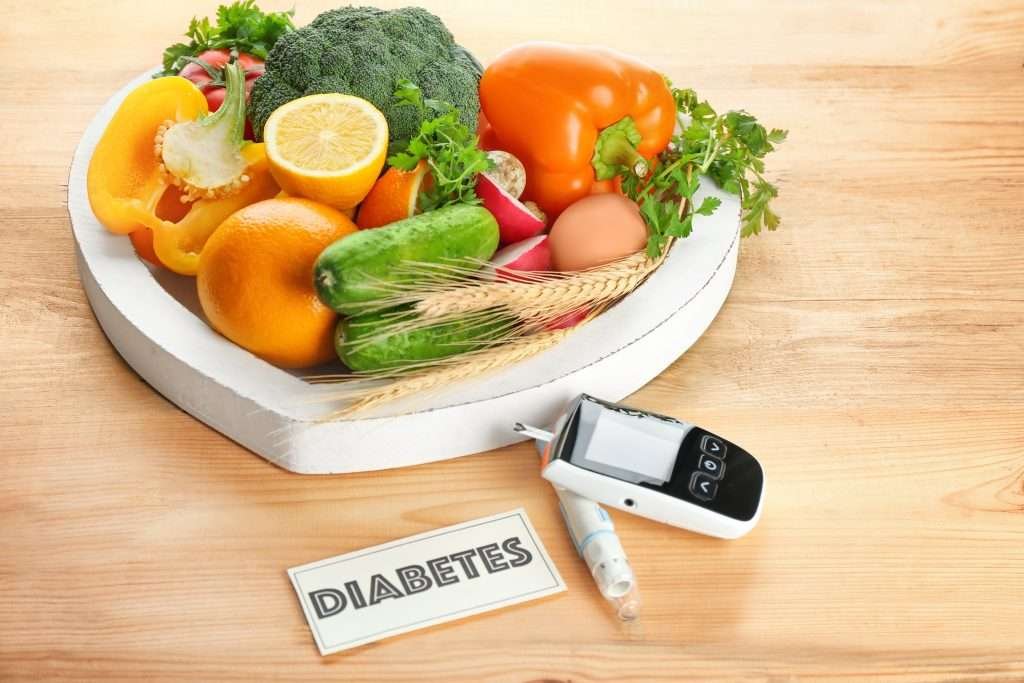
One of the most effective ways to manage blood sugar naturally is through a well-planned diet. What you eat plays a crucial role in keeping glucose levels steady. By focusing on nutrient-dense foods and avoiding those that cause spikes, you can learn how to lower blood sugar without medication effectively.
Focus on High-Fiber and Low-Glycemic Index Foods
Foods rich in fiber and with a low glycemic index (GI) are excellent choices for maintaining steady blood sugar levels. High-fiber foods, such as legumes, whole grains, and non-starchy vegetables, slow down the absorption of sugar into the bloodstream, preventing sudden glucose spikes.
Examples of high-fiber and low-GI foods include:
- Legumes: Lentils, chickpeas, and black beans.
- Whole Grains: Quinoa, barley, and oats.
- Non-Starchy Vegetables: Spinach, broccoli, and zucchini.
Adding these foods to your meals can significantly improve blood sugar stability. For instance, a salad with leafy greens and lentils or oatmeal topped with seeds can provide sustained energy without causing blood sugar fluctuations.
Avoid Refined Carbs and Added Sugars
Refined carbohydrates, such as white bread, pasta, and sugary snacks, can cause a rapid spike in blood sugar followed by a crash. These foods are quickly broken down into glucose, overwhelming your body’s ability to manage blood sugar effectively. Instead of these processed options, opt for whole-food alternatives like brown rice, sweet potatoes, or whole-grain bread.
Added sugars are another culprit. Sugary drinks, candies, and desserts can wreak havoc on blood sugar control. If you have a sweet tooth, consider natural sweeteners like stevia or monk fruit, which provide sweetness without the glucose surge. Choosing whole fruits like berries or apples over processed sweets is another great way to satisfy cravings without compromising your health.
Blood Sugar-Friendly Foods and Nutrients

Certain foods and nutrients are particularly effective in lowering blood sugar naturally. Incorporating these into your diet can provide additional support:
- Cinnamon: Research suggests that cinnamon may improve insulin sensitivity. Add it to your oatmeal, smoothies, or teas.
- Vinegar: Apple cider vinegar has been shown to help reduce post-meal blood sugar levels. Use it as a salad dressing or mix it into water before meals.
- Fenugreek: This herb is rich in soluble fiber and can help regulate blood sugar. Sprinkle fenugreek seeds on dishes or brew them into tea.
- Magnesium-Rich Foods: Nuts, seeds, spinach, and avocados are excellent sources. Magnesium plays a vital role in insulin function and blood sugar regulation.
Tips for Incorporating These Foods into Your Meals
- Start your day with a high-fiber breakfast like oatmeal topped with chia seeds, nuts, and a sprinkle of cinnamon.
- Swap refined carbs for whole grains, such as brown rice or quinoa, at lunch and dinner.
- Use apple cider vinegar as a marinade for proteins or in a tangy salad dressing.
- Snack on magnesium-rich options like almonds, pumpkin seeds, or guacamole with veggie sticks.
- End your meals with a herbal tea steeped with fenugreek for a blood sugar-friendly boost.
By making these dietary changes, you can take significant steps toward learning how to lower blood sugar without medication. Incorporating these nutrient-rich foods into your daily routine not only helps with blood sugar control but also enhances overall health and energy levels. Keep experimenting with these options to find what works best for you.
Exercise and Its Role in Blood Sugar Control

Exercise is a powerful tool for managing blood sugar naturally. Whether you’re looking to improve your overall health or specifically aiming to stabilize glucose levels, physical activity is essential. Regular exercise can help you achieve how to lower blood sugar without medication, making it a cornerstone of natural blood sugar management strategies.
Why Exercise Matters
Physical activity enhances insulin sensitivity, meaning your cells can use glucose more effectively. When you exercise, your muscles take up glucose from the bloodstream for energy, helping to lower blood sugar levels immediately and over time. Consistent exercise also reduces insulin resistance, a common issue in people with type 2 diabetes, making it one of the most effective ways to keep blood sugar under control.
Best Types of Exercise
- Aerobic Exercise: Activities like walking, jogging, swimming, or cycling are excellent for improving cardiovascular health and reducing blood sugar. Aim for at least 30 minutes of moderate aerobic exercise most days of the week. Even brisk walking after meals can significantly lower blood sugar levels.
- Resistance Training: Building muscle through weightlifting, bodyweight exercises, or resistance bands is another effective strategy. Increased muscle mass improves glucose storage and enhances insulin sensitivity. Adding strength training to your routine twice a week can complement the benefits of aerobic exercise.
- Yoga and Stretching: While not as intense as aerobic or resistance training, yoga and stretching can improve circulation, reduce stress (which impacts blood sugar), and promote flexibility. They’re excellent options for maintaining an active lifestyle, especially for beginners.
Daily Activity Ideas
Incorporating movement into your daily routine doesn’t have to mean long workouts. Small actions like taking the stairs, gardening, dancing, or doing household chores can contribute to lowering blood sugar naturally. If you work a desk job, consider taking short walks every hour to prevent glucose spikes caused by prolonged sitting.
Tips for Beginners
If you’re new to exercising, start small. Try 10–15 minutes of walking after meals, gradually increasing the duration as you build stamina. Listening to your body is essential—don’t overexert yourself, especially if you have any pre-existing health conditions. Consistency is key, so aim to move regularly, even if it’s in short bursts.
By making exercise a regular part of your life, you’ll discover how to lower blood sugar without medication while also enjoying benefits like better mood, improved energy, and reduced stress. Combine different types of exercise to keep your routine enjoyable and sustainable. The results will not only help stabilize blood sugar but also enhance your overall well-being.
Stress Management for Blood Sugar Stability

Stress doesn’t just affect your mind—it can have a profound impact on your body, particularly your blood sugar levels. If you’re seeking how to lower blood sugar without medication, managing stress effectively should be a key part of your plan.
The Stress-Glucose Connection
When you’re stressed, your body releases cortisol and adrenaline, hormones designed to help you respond to threats. These hormones trigger your liver to release glucose into the bloodstream, providing extra energy for a “fight or flight” response. While this is helpful in short bursts, chronic stress can lead to consistently elevated blood sugar levels. Over time, this can make managing diabetes or prediabetes more challenging, highlighting the importance of reducing stress.
Stress-Reducing Techniques
Incorporating stress management practices into your daily routine can help stabilize blood sugar naturally. Effective techniques include:
- Meditation: Just 10 minutes a day of mindfulness meditation can lower cortisol levels and promote relaxation.
- Yoga: Combining physical movement with deep breathing, yoga not only reduces stress but also enhances insulin sensitivity.
- Deep Breathing Exercises: Slow, focused breathing calms your nervous system and reduces the physiological impact of stress.
- Mindfulness: Focusing on the present moment can reduce anxiety and improve your emotional well-being.
Additional methods like journaling can also help. Writing down your thoughts and feelings can provide clarity and reduce emotional tension. Similarly, joining support groups or talking to loved ones can foster a sense of connection and lessen feelings of isolation.
Incorporating Stress Relief Daily
Small, actionable steps can make a big difference. Consider:
- Taking 5-minute breaks throughout the day to stretch and breathe deeply.
- Practicing gratitude by listing three things you’re thankful for each evening.
- Setting boundaries to avoid overcommitment and burnout.
- Spending time outdoors or engaging in hobbies you enjoy.
By addressing stress and its effects, you’ll gain another powerful tool for learning how to lower blood sugar without medication. Consistently practicing stress-relief techniques can lead to steadier blood sugar levels and a greater sense of overall well-being.
Sleep and Blood Sugar Regulation

Getting enough quality sleep is more than just refreshing—it plays a critical role in maintaining stable blood sugar levels. For those exploring how to lower blood sugar without medication, improving sleep habits can be a simple yet highly effective strategy.
The Sleep-Glucose Link
Poor sleep disrupts your body’s ability to manage blood sugar. When you don’t get enough rest, insulin sensitivity decreases, making it harder for your cells to absorb glucose. Additionally, lack of sleep increases levels of ghrelin (the hunger hormone) and decreases leptin (the hormone that signals fullness). This hormonal imbalance can lead to overeating, particularly cravings for sugary or high-carb foods, which can spike blood sugar further. Over time, chronic sleep deprivation may raise the risk of developing diabetes or worsen existing glucose control.
Improving Sleep Hygiene
Creating a consistent sleep routine can help regulate blood sugar naturally. Focus on these key practices:
- Regular Sleep Schedule: Go to bed and wake up at the same time every day, even on weekends. Consistency helps regulate your body’s internal clock.
- Limit Screen Time: Avoid electronic devices like phones or tablets at least an hour before bedtime. The blue light emitted by screens can interfere with melatonin production, the hormone that promotes sleep.
- Create a Relaxing Bedtime Routine: Activities like reading, light stretching, or a warm bath can signal to your body that it’s time to wind down.
Tips for Better Sleep
- Sleep-Supportive Foods: Incorporate foods like almonds, kiwis, and cherries, which contain nutrients like magnesium and melatonin to promote restful sleep.
- Avoid Caffeine Late in the Day: Limit coffee, tea, or other caffeinated beverages after lunchtime to prevent sleep disturbances.
- Manage Sleep Apnea: If you snore heavily or feel exhausted even after a full night’s sleep, consult a healthcare provider to evaluate for sleep apnea, a condition that can affect blood sugar regulation.
By prioritizing good sleep, you’ll improve your body’s ability to stabilize glucose levels and discover another effective way to lower blood sugar without medication. Better sleep means better health—and a stronger foundation for long-term well-being.
Practical Lifestyle Changes and Habits
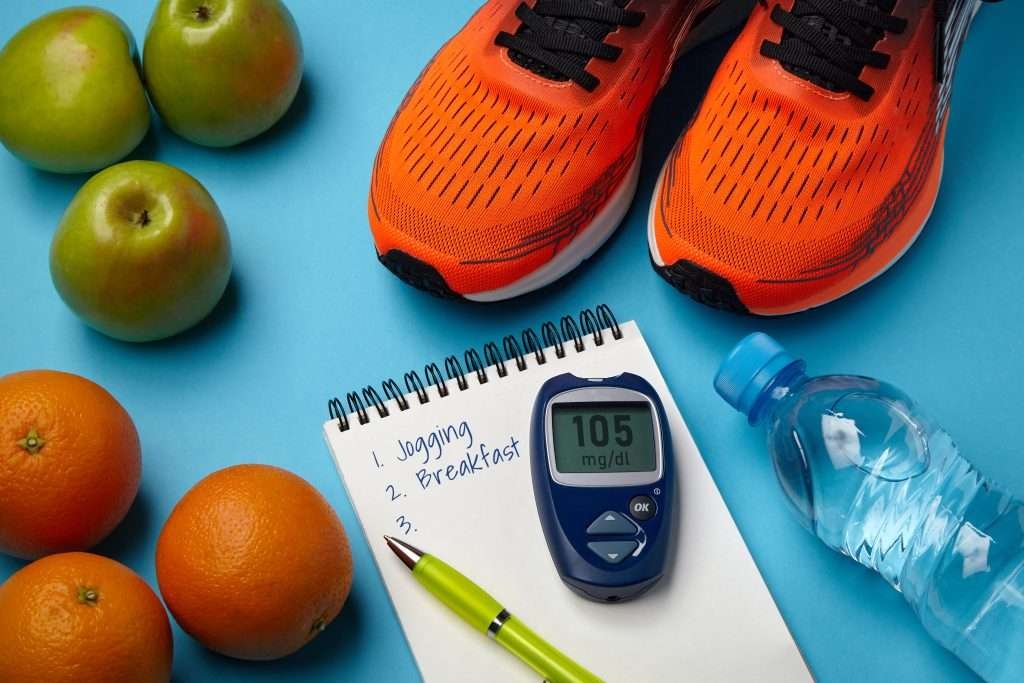
Small but consistent lifestyle changes can make a big impact when you’re learning how to lower blood sugar without medication. By adopting a few healthy habits, you can support your body’s natural ability to regulate glucose and improve overall health.
Stay Hydrated
Drinking enough water is crucial for maintaining healthy blood sugar levels. Proper hydration supports kidney function, helping flush out excess glucose through urine. Dehydration, on the other hand, can lead to higher blood sugar as your body retains more glucose to compensate for the lack of fluids. Aim to drink at least 8–10 glasses of water a day, and consider adding a slice of lemon or cucumber for extra flavor if plain water feels monotonous. This is key when you consider, how to lower blood sugar without medication.
Meal Timing and Portion Control
When it comes to managing blood sugar naturally, how and when you eat is just as important as what you eat. Spreading smaller, balanced meals throughout the day helps prevent glucose spikes and crashes. Each meal should include a mix of lean proteins, healthy fats, and complex carbohydrates to maintain steady energy levels. For example, eating every 3–4 hours and avoiding overly large portions can stabilize your blood sugar and reduce hunger-related overeating.
Reduce Harmful Habits
Certain habits, like smoking and excessive alcohol consumption, can significantly impact blood sugar levels. Smoking increases insulin resistance, making it harder for your body to manage glucose effectively. Limiting or quitting smoking can improve your blood sugar control and overall health. Similarly, alcohol, particularly sugary cocktails, can lead to unpredictable blood sugar spikes and drops. Opt for moderate alcohol intake and avoid mixing drinks with high-sugar beverages.
By staying hydrated, adopting balanced eating habits, and reducing harmful behaviors, you’ll take meaningful steps to lower blood sugar without medication. These changes not only promote glucose stability but also contribute to a healthier, more vibrant lifestyle.
Conclusion and Actionable Tips
Managing blood sugar naturally is achievable with small, consistent changes that add up over time. By focusing on a balanced diet, regular exercise, quality sleep, effective stress management, and healthy lifestyle habits, you can learn how to lower blood sugar without medication and improve your overall well-being.
Start with one or two strategies that feel manageable. For example, you might begin by adding high-fiber, low-glycemic foods to your meals or committing to a daily 10-minute walk after dinner. Once these become part of your routine, you can layer in additional practices, like improving your sleep hygiene or incorporating stress-reducing techniques such as yoga or meditation.
The long-term benefits of natural blood sugar management extend far beyond stable glucose levels. You’ll enjoy better energy, reduced risk of diabetes-related complications, and improved heart and brain health. Remember, the journey to healthier blood sugar is not about perfection but progress. Every small step you take is a step toward a healthier, more vibrant you.
By staying consistent and patient, you’ll not only discover how to lower blood sugar without medication but also build a sustainable foundation for lifelong health. Take the first step today—it’s the start of a brighter, healthier future.
FAQ: How to Lower Blood Sugar Without Medication
Q: How to reduce blood sugar level immediately?
If you need to reduce your blood sugar level immediately, physical activity is one of the fastest methods. A brisk 15–20 minute walk can help your muscles use excess glucose. Staying hydrated with water also aids in flushing out excess sugar through urine.
Q: What foods lower blood sugar immediately?
While food works more gradually to stabilize blood sugar, certain choices can help. High-fiber options like chia seeds, almonds, or non-starchy vegetables (like spinach) can slow glucose absorption. Apple cider vinegar before meals may also help lower post-meal blood sugar levels.
Q: What to drink to lower blood sugar immediately?
Water is the best option to help reduce blood sugar quickly, as it aids in diluting glucose in the bloodstream and supports kidney function. Herbal teas like green tea or cinnamon tea may also provide mild blood sugar-lowering effects. Avoid sugary or caffeinated drinks, as these can worsen blood sugar spikes.
Q: How to reduce blood sugar level immediately naturally?
Combine moderate exercise with hydration and high-fiber foods. For example, taking a walk and following it with a glass of water or cinnamon tea can naturally help lower blood sugar. Practicing stress-relief techniques like deep breathing may also assist.
Q: How to lower blood sugar quickly in an emergency at home?
In an emergency, focus on physical activity if it’s safe and consult a healthcare provider if levels are dangerously high. For those with very high blood sugar, a quick call to a doctor or using prescribed insulin may be necessary.
Q: How to reduce sugar levels with home remedies?
Natural remedies include drinking water, consuming apple cider vinegar diluted in water, eating fenugreek seeds, or sipping on unsweetened herbal teas like cinnamon tea. These remedies work best when combined with a balanced lifestyle.