How to Control Diabetes During Pregnancy: Introduction
Pregnancy is a transformative and exciting journey, but it comes with unique challenges, especially for those managing diabetes. Learning how to control diabetes during pregnancy is essential for the health and well-being of both the mother and the baby. Proper diabetes management can significantly reduce risks and ensure a smoother pregnancy experience.
Uncontrolled diabetes during pregnancy can lead to serious complications. For the mother, this might include high blood pressure, preeclampsia, and a higher chance of needing a cesarean delivery. For the baby, risks like excessive birth weight, premature birth, and low blood sugar after delivery are common concerns. However, with the right strategies, these risks can be minimized.
The good news is that managing diabetes during pregnancy is absolutely possible with a combination of healthy eating, regular blood sugar monitoring, appropriate physical activity, and close collaboration with healthcare providers. Each step taken toward maintaining optimal blood sugar levels ensures a healthier outcome for both mother and child.
This guide provides practical advice on controlling diabetes during pregnancy, from understanding the condition to creating a pregnancy-friendly diabetes care plan. Whether you’re dealing with gestational diabetes or managing pre-existing diabetes, the right approach can make all the difference.
Understanding Diabetes During Pregnancy
Types of Diabetes in Pregnancy
- Gestational Diabetes
Gestational diabetes develops during pregnancy and typically resolves after delivery. It occurs when pregnancy hormones make it harder for insulin to do its job, leading to higher blood sugar levels. While it’s a temporary condition, gestational diabetes requires active management to avoid complications. - Pre-existing Diabetes (Type 1 or Type 2)
Women with type 1 or type 2 diabetes enter pregnancy already managing their condition. However, pregnancy often requires adjustments in care to address changing insulin needs and the additional demands placed on the body.
Impact of Pregnancy on Blood Sugar Control
Pregnancy brings significant hormonal changes that can affect how the body processes glucose. Hormones like progesterone and human placental lactogen can increase insulin resistance, making it harder to control blood sugar levels. For those with pre-existing diabetes, this can mean frequent adjustments to insulin or medications.
Gestational diabetes typically emerges in the second or third trimester, as insulin resistance peaks. This makes regular blood sugar monitoring crucial for all pregnant individuals, especially after 24 weeks of pregnancy.
Adjusting your diabetes care plan during pregnancy is vital. This might involve working with a diabetes specialist, following a tailored meal plan, incorporating safe exercises, and monitoring blood sugar more frequently. By taking proactive steps, you can learn how to control diabetes during pregnancy effectively, paving the way for a healthier pregnancy and delivery.
The next sections will delve into specific strategies for managing blood sugar levels, from dietary tips to insulin adjustments and safe exercise routines. Stay tuned!
Risks of Uncontrolled Diabetes During Pregnancy
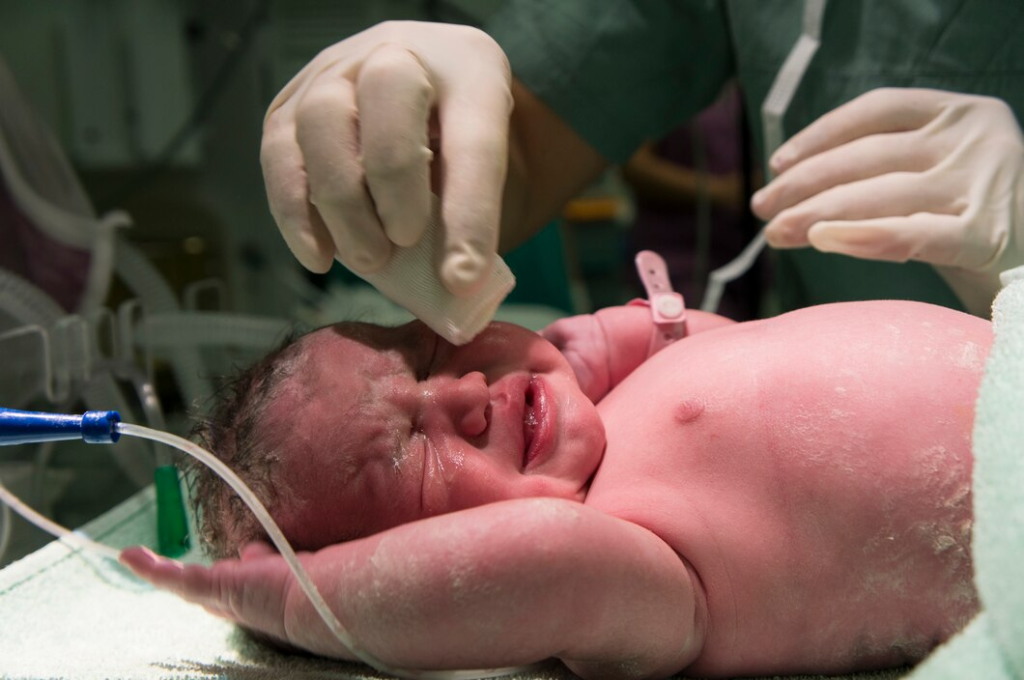
Managing diabetes during pregnancy is essential because uncontrolled blood sugar levels can pose significant risks for both the mother and baby. Understanding these risks reinforces the importance of learning how to control diabetes during pregnancy.
Maternal Risks
One of the primary concerns for pregnant women with uncontrolled diabetes is the development of preeclampsia, a condition characterized by high blood pressure and potential damage to organs like the liver or kidneys. Preeclampsia can be life-threatening for both mother and baby if left untreated.
Additionally, high blood sugar levels weaken the immune system, increasing the risk of infections such as urinary tract infections or more serious complications during delivery. Managing blood sugar effectively helps reduce these risks and contributes to a healthier pregnancy.
Pregnant individuals with diabetes are also more likely to require a cesarean delivery due to complications such as large baby size (macrosomia). Proactively understanding how to control diabetes during pregnancy can significantly lower the chances of these outcomes.
Fetal Risks
Uncontrolled diabetes during pregnancy can lead to macrosomia, where the baby grows too large due to high maternal blood sugar levels. This condition increases the likelihood of birth injuries and complications during delivery.
Preterm birth is another concern, as babies born too early may face challenges like underdeveloped lungs and other complications. Additionally, high maternal blood sugar levels can affect the baby’s insulin production, leading to hypoglycemia (low blood sugar) immediately after birth.
In some cases, uncontrolled diabetes during pregnancy may contribute to congenital birth defects, particularly those affecting the heart and nervous system. These risks highlight why it’s crucial to focus on how to control diabetes during pregnancy with strategies like maintaining stable blood sugar levels, monitoring glucose frequently, and adhering to a tailored meal and exercise plan.
Long-Term Impacts on the Baby
Babies born to mothers with uncontrolled diabetes may also face long-term health issues, including a higher risk of developing obesity or type 2 diabetes later in life. By actively managing diabetes during pregnancy, you’re not only protecting your baby now but also setting the stage for a healthier future.
Understanding these risks underscores the importance of proper diabetes management. With the right approach, you can effectively learn how to control diabetes during pregnancy, ensuring the best possible outcomes for both you and your baby.
Dietary Strategies for Blood Sugar Control

Nutrition plays a crucial role in managing blood sugar levels, making it one of the most important aspects of learning how to control diabetes during pregnancy. A well-planned diet not only supports your health but also helps your baby grow and develop optimally.
The Role of Balanced Nutrition
Balanced nutrition is the foundation of controlling blood sugar. Each meal should include a mix of carbohydrates, protein, and healthy fats. Carbohydrates affect blood sugar the most, so choosing the right types is essential. Pairing carbs with protein and fat can slow down glucose absorption, stabilizing blood sugar levels throughout the day.
For example, a snack of whole-grain crackers with nut butter is more stabilizing than crackers alone. Understanding how to control diabetes during pregnancy involves making such intentional dietary choices that support blood sugar balance.
Foods to Include
Certain foods can help you maintain stable blood sugar levels. These include:
- High-fiber options: Vegetables, whole grains, legumes, and fruits like berries. Fiber slows glucose absorption, helping to prevent blood sugar spikes.
- Low-GI foods: Foods with a low glycemic index (GI), such as oats, quinoa, and sweet potatoes, release glucose gradually.
- Lean proteins: Options like chicken, fish, tofu, and eggs help you feel full longer and stabilize blood sugar.
By focusing on these nutrient-rich options, you can effectively learn how to control diabetes during pregnancy through diet.
Foods to Avoid
Certain foods can cause rapid blood sugar spikes and should be limited or avoided, including:
- Sugary snacks: Candies, pastries, and sweetened beverages can lead to sharp glucose increases.
- Refined carbs: White bread, pasta, and rice are quickly converted into sugar by the body.
- Processed foods: Packaged snacks and meals often contain hidden sugars and unhealthy fats.
Replacing these with healthier alternatives, like whole grains and fresh produce, is a vital part of how to control diabetes during pregnancy.
Meal Timing and Portion Control
Eating smaller, frequent meals throughout the day is one of the simplest ways to manage blood sugar levels. Instead of three large meals, aim for five to six smaller meals or snacks. This helps prevent drastic blood sugar swings and keeps your energy steady.
Portion control is equally important. Even healthy foods can raise blood sugar if eaten in large quantities. Use tools like measuring cups or your hand to estimate portion sizes. For instance, a serving of carbs might be about the size of your fist, while a protein serving should fit in the palm of your hand.
Spacing meals evenly every 2-3 hours can also prevent blood sugar dips, making it a critical strategy in how to control diabetes during pregnancy.
By focusing on balanced meals, including nutrient-rich foods, avoiding harmful options, and practicing proper meal timing and portion control, you can take significant steps toward maintaining stable blood sugar levels. These dietary strategies are key to ensuring a healthy pregnancy for both you and your baby.
Exercise and Physical Activity During Pregnancy
Staying active during pregnancy is not only safe for most individuals but also a key component of learning how to control diabetes during pregnancy. Regular exercise helps improve blood sugar control, enhances overall well-being, and prepares the body for labor and delivery.
Safe Exercises
Not all exercises are suitable during pregnancy, so it’s essential to focus on low-impact activities that are gentle on the body. Some excellent options include:
- Walking: A simple and effective way to maintain blood sugar balance.
- Prenatal yoga: Improves flexibility, reduces stress, and supports blood sugar management.
- Swimming: A low-impact, full-body workout that’s easy on joints and helps control blood sugar levels.
These activities are great choices for anyone looking for safe and effective ways to manage their diabetes.
Benefits of Exercise
Exercise has multiple benefits, including reduced insulin resistance, improved blood sugar levels, and better energy management. Physical activity also helps in preventing excessive weight gain, a common concern for pregnant individuals with diabetes. By incorporating exercise into your routine, you’re taking a proactive step in how to control diabetes during pregnancy.
Precautions for Safety
Before starting or continuing any exercise program, consult your healthcare provider to ensure it’s safe for you and your baby. Avoid high-impact or risky activities, such as contact sports or heavy lifting. Always listen to your body—if you feel dizzy, short of breath, or experience pain, stop exercising immediately and seek advice from your doctor.
Monitoring Blood Sugar Levels
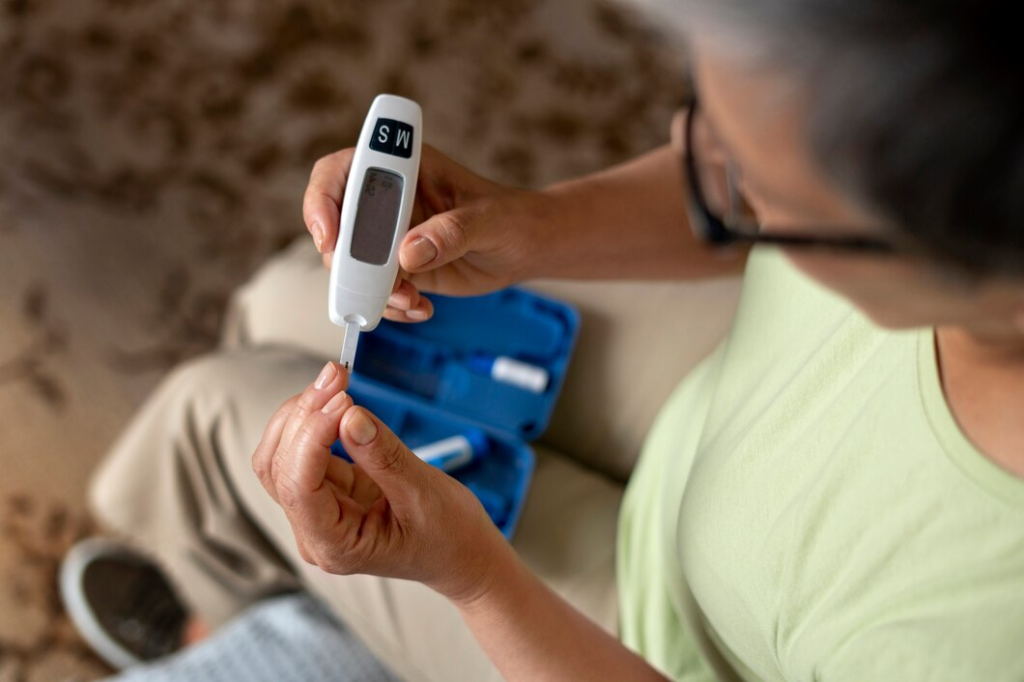
Consistently monitoring blood sugar levels is one of the most important steps in understanding how to control diabetes during pregnancy. Frequent testing helps ensure that your glucose levels remain within the recommended range, reducing risks for you and your baby.
Importance of Regular Monitoring
Blood sugar levels can fluctuate during pregnancy due to hormonal changes and dietary intake. Testing your glucose levels several times a day is crucial to identify patterns and make adjustments to your diet, exercise, or medications as needed.
Healthcare providers often recommend specific blood sugar targets during pregnancy, such as:
- Fasting glucose: Below 95 mg/dL.
- Post-meal glucose: Below 140 mg/dL one hour after eating or below 120 mg/dL two hours after eating.
Regular monitoring is essential to maintain these targets and learn how to control diabetes during pregnancy effectively.
Tools for Monitoring
Modern tools make blood sugar management easier and more accurate:
- Continuous Glucose Monitors (CGMs): Devices that provide real-time glucose readings, allowing you to track trends and avoid spikes or drops.
- Traditional Glucose Meters: Require finger-prick blood samples but are reliable and widely accessible.
Keeping a log of your readings can help your healthcare provider tailor your diabetes care plan to your specific needs.
By combining regular monitoring with other strategies like diet and exercise, you can achieve better control over your diabetes and ensure a healthier pregnancy. Monitoring blood sugar levels is a cornerstone of how to control diabetes during pregnancy and safeguard the well-being of both you and your baby.
Insulin and Medication Management
Managing insulin and medication effectively is a critical part of learning how to control diabetes during pregnancy. As your body undergoes changes, your insulin needs and medication regimen will likely require adjustments to maintain optimal blood sugar levels.
Adjustments During Pregnancy
Pregnancy hormones, particularly in the second and third trimesters, can make your body more resistant to insulin. For women with type 1 or type 2 diabetes, this may mean increasing insulin doses or adjusting the timing of injections. Those with gestational diabetes may also need insulin or oral medications if diet and exercise alone are insufficient.
The key to how to control diabetes during pregnancy lies in closely monitoring your blood sugar levels and recognizing when changes in your treatment plan are necessary.
Importance of Professional Guidance
Navigating insulin or medication adjustments requires close collaboration with your healthcare team. Endocrinologists, OB-GYNs, and diabetes educators play vital roles in ensuring that any changes are both safe and effective. Never make adjustments on your own, as improper dosing can lead to complications. Professional guidance helps tailor a plan that keeps your blood sugar within target ranges throughout your pregnancy.
Dealing with Hypoglycemia or Hyperglycemia
Episodes of hypoglycemia (low blood sugar) or hyperglycemia (high blood sugar) can occur during pregnancy, and quick actions are needed to address them:
- Hypoglycemia: Symptoms include dizziness, sweating, and shakiness. Treat it immediately with 15 grams of fast-acting carbs, like glucose tablets or juice, and recheck your levels after 15 minutes.
- Hyperglycemia: High blood sugar can be caused by missed medication doses or diet choices. Drinking water and gentle physical activity can help lower glucose levels, but consult your doctor if it persists.
Proper insulin and medication management are vital components of how to control diabetes during pregnancy, ensuring the health of both you and your baby.
Preparing for Delivery with Diabetes
The final weeks of pregnancy require careful planning to ensure a safe delivery. Knowing how to control diabetes during pregnancy includes preparing for labor and post-delivery care.
Creating a Birth Plan
Discuss delivery options with your healthcare team, including potential induction or cesarean delivery, especially if complications like macrosomia are present. A personalized birth plan can help address your unique needs.
Blood Sugar Management During Labor
Maintaining stable blood sugar levels during labor is crucial. Your medical team may monitor your glucose closely and administer insulin if needed. Having a plan in place ensures smooth management during this critical time.
Post-Delivery Care
After delivery, your diabetes care plan may change. For women with gestational diabetes, blood sugar levels often return to normal, but follow-up testing is essential. For those with type 1 or type 2 diabetes, insulin and medication dosages may need adjustment as hormone levels stabilize.
Proper preparation ensures a safe delivery and a smooth transition to post-pregnancy diabetes care. By understanding how to control diabetes during pregnancy and during delivery, you’re setting the foundation for a healthy future for both you and your baby.
Conclusion

Controlling diabetes during pregnancy is essential for ensuring the health and safety of both mother and baby. By understanding how to control diabetes during pregnancy through balanced nutrition, regular exercise, blood sugar monitoring, and proper medication management, you can significantly reduce risks and promote a healthy pregnancy journey.
The changes that come with pregnancy may feel overwhelming, but with the support of your healthcare team and a proactive approach, managing diabetes is entirely achievable. Each step you take toward stabilizing your blood sugar levels not only protects your health but also creates the best possible start for your baby.
Remember, every pregnancy is unique, so consult with your medical team to create a personalized plan tailored to your needs. With the right care and dedication, you can confidently navigate your pregnancy and look forward to welcoming your little one into the world.
FAQ: Managing Diabetes During Pregnancy
1. What is the best way to control diabetes during pregnancy?
The best way involves a combination of a balanced diet, regular exercise, frequent blood sugar monitoring, and appropriate insulin or medication adjustments as prescribed by your healthcare provider.
2. Can gestational diabetes harm my baby?
If unmanaged, gestational diabetes can increase risks such as macrosomia (large baby size), preterm birth, and low blood sugar in the baby after birth. Proper management minimizes these risks.
3. Is insulin safe during pregnancy?
Yes, insulin is safe and commonly prescribed to manage blood sugar levels during pregnancy when needed. Always follow your healthcare provider’s recommendations.
4. How often should I check my blood sugar during pregnancy?
Your doctor may recommend testing 4-8 times a day, including before and after meals, to ensure your levels remain within the target range.
5. Will gestational diabetes go away after delivery?
In most cases, gestational diabetes resolves after childbirth. However, follow-up tests are important to ensure blood sugar levels return to normal and to assess your future risk of type 2 diabetes.