
When diagnosed with prostate cancer, how can you tell if it’s aggressive, and how fast should you be concerned about its growth? These are important questions for anyone facing a prostate cancer diagnosis, as the speed at which the cancer grows can affect treatment choices. Aggressive prostate cancer grows faster and is more likely to spread to other parts of the body. This makes early detection and prompt treatment even more critical.
So, how fast does aggressive prostate cancer grow? This article will explain how quickly aggressive prostate cancer grows, what factors influence its speed, and why understanding this progression is important for treatment decisions. By looking at factors like the Gleason score, PSA levels, and imaging results, doctors and patients can better understand how the cancer is behaving and choose the best treatment options.
What Is Aggressive Prostate Cancer?
Aggressive prostate cancer refers to a form of prostate cancer that tends to grow more rapidly and has a higher potential for spreading (metastasizing) to other parts of the body. This type of cancer typically presents with a higher Gleason score (7 or above), which indicates a more aggressive pattern of cancer cells when examined under a microscope.
Key characteristics of aggressive prostate cancer include elevated PSA (prostate-specific antigen) levels, which can signal more advanced disease. Tumors in aggressive cases tend to grow faster and are more likely to spread outside the prostate, increasing the risk of metastasis. These cancers are also often diagnosed at later stages, making them harder to treat effectively.
Several risk factors can contribute to the development of aggressive prostate cancer. Age is a significant factor, with men over 50 being at higher risk. Genetics and family history also play a role, as those with a family history of prostate cancer are more likely to develop aggressive forms. Ethnicity is another risk factor, with African American men being more likely to develop aggressive prostate cancer compared to other ethnic groups. Understanding these factors can help doctors assess the likelihood of aggressive disease and guide treatment decisions.
How Fast Does Aggressive Prostate Cancer Grow?
Aggressive prostate cancer tends to grow much faster than less aggressive forms. While non-aggressive prostate cancer can have a PSA doubling time of years, aggressive prostate cancer can cause PSA levels to double within just a few months. This rapid increase in PSA is a key indicator that the cancer is progressing quickly, making early detection and treatment critical.
The rate at which aggressive prostate cancer spreads can also be significantly faster. It often metastasizes to nearby organs, such as the bladder or rectum, and can invade distant sites like the bones, especially the spine and pelvis. This ability to spread quickly increases the urgency of intervention and can complicate treatment options, making it more difficult to control or cure once metastasis occurs.

The Gleason score, a grading system that assesses the aggressiveness of prostate cancer based on how cancer cells appear under a microscope, is directly linked to growth speed. Cancers with a higher Gleason score (typically 8-10) tend to grow and spread much more rapidly than those with lower scores, indicating a more aggressive form of the disease.
Additionally, PSA levels are a useful tool in tracking the growth and spread of aggressive prostate cancer. In cases of aggressive cancer, PSA levels often rise sharply, offering important clues to the progression of the disease. Close monitoring of PSA levels, combined with imaging tests and biopsies, helps doctors determine the appropriate treatment plan to address the rapid growth of aggressive prostate cancer.
Factors Affecting the Growth of Aggressive Prostate Cancer
Several factors can influence how quickly aggressive prostate cancer grows and spreads.
Genetic Mutations
Genetic mutations, such as alterations in the BRCA1 and BRCA2 genes, are linked to more aggressive forms of prostate cancer. These mutations, which are commonly associated with breast cancer, can also cause prostate cancer to grow faster and increase the likelihood of it spreading to other parts of the body. Additionally, mutations in the androgen receptor gene can make prostate cancer more resistant to standard treatments and contribute to its aggressive nature.

Age and Health
Age plays a significant role in the progression of prostate cancer. Older men are at greater risk of developing aggressive prostate cancer, and this risk increases further if other health issues like diabetes, heart disease, or compromised immune systems are present. These factors can slow down the body’s ability to fight cancer and may contribute to faster cancer progression.
Hormonal Influence
Testosterone and other male hormones (androgens) are key drivers in prostate cancer growth. Androgen deprivation therapy (ADT), which reduces the levels of these hormones, is often used to slow the progression of aggressive prostate cancer. However, some cancers develop resistance to this therapy, making them more difficult to manage.
Tumor Location and Size
The location and size of the tumor within the prostate can also affect its growth rate. Larger tumors, particularly those located near critical structures or that have already spread beyond the prostate, may grow faster and metastasize more quickly. Tumors that invade surrounding tissues or lymph nodes are generally more aggressive, making treatment and control more challenging.
Symptoms of Aggressive Prostate Cancer
Aggressive prostate cancer can often grow rapidly and may not show symptoms in its early stages. However, as the cancer progresses, certain signs can appear. Recognizing these symptoms early is crucial for timely diagnosis and intervention. Here’s a breakdown of the symptoms associated with aggressive prostate cancer:
Early Symptoms:
- Frequent urination: A common early symptom, especially at night.
- Blood in urine or semen: Hematuria or blood in the semen may appear as the cancer develops.
- Pelvic discomfort: Pain or discomfort during urination or ejaculation could be signs of prostate issues.
- Erectile dysfunction: Difficulty achieving or maintaining an erection can occur as the cancer affects the prostate.
These symptoms may not always indicate cancer, as other non-cancerous conditions can also cause similar issues. Therefore, it’s essential to consult a healthcare provider for accurate diagnosis.
Advanced Symptoms:
As aggressive prostate cancer advances and spreads, more severe symptoms may emerge:
- Bone pain: Often in the spine, hips, or pelvis, bone pain is a sign that cancer has spread to the bones.
- Unexplained weight loss: A significant, unintended loss of weight may occur.
- Fatigue and weakness: General tiredness and reduced stamina can result from the body fighting advanced cancer.
These advanced symptoms highlight the importance of early detection and intervention.
Importance of Monitoring
Regular screenings, including PSA testing, are vital for early detection, especially for high-risk individuals. Timely diagnosis increases the chances of effective treatment and better outcomes. If you notice any of these symptoms, it’s essential to seek medical advice promptly.
How to Diagnose Aggressive Prostate Cancer
Diagnosing aggressive prostate cancer involves a combination of tests and procedures that assess the presence, aggressiveness, and spread of the cancer. Here are the key diagnostic tools used:
PSA Testing: Prostate-specific antigen (PSA) testing measures the level of PSA in the blood. While elevated PSA levels may suggest prostate cancer, a rapid increase in PSA over time can be an indicator of aggressive prostate cancer. PSA testing helps identify men at higher risk of developing fast-growing cancer, prompting further investigation.
Biopsy and Gleason Score: A biopsy is essential for confirming the presence of prostate cancer. During this procedure, tissue samples are taken from the prostate and examined under a microscope. The Gleason score is assigned based on the pattern of cancer cells, with higher scores (8-10) indicating more aggressive and faster-growing cancers. This score helps determine the cancer’s potential for progression.
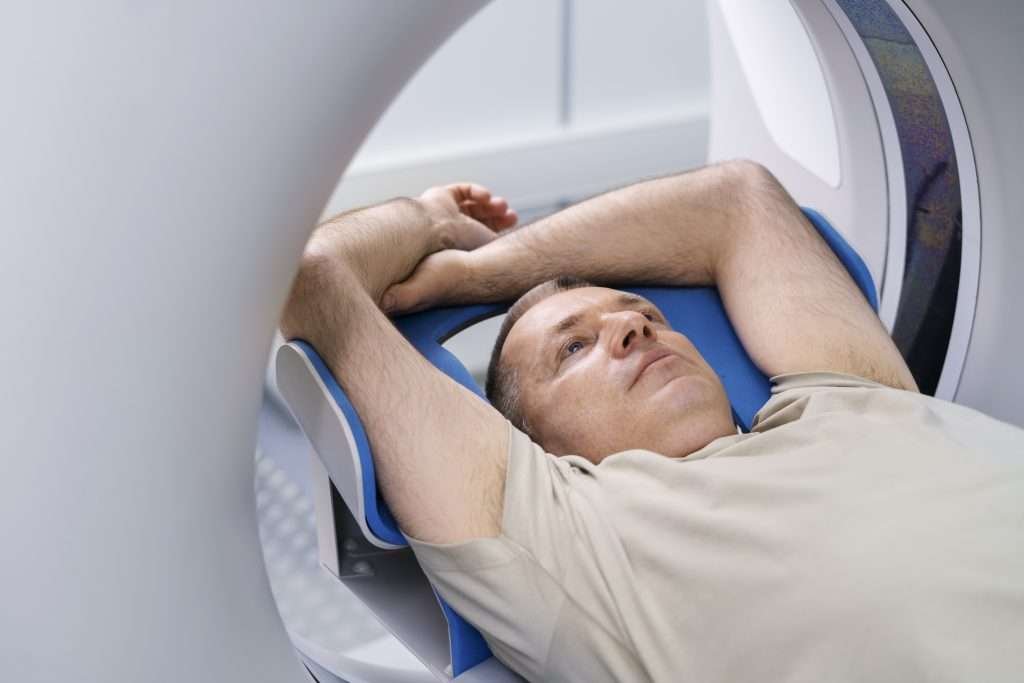
Imaging and Staging: Imaging techniques, such as MRI, CT scans, and bone scans, play a critical role in determining the extent of cancer spread (staging). These scans help identify whether the cancer has spread beyond the prostate, to nearby tissues or bones. Imaging can also assist in planning treatment strategies.
Genetic Testing: Genetic testing and molecular markers are increasingly used to predict how aggressive a prostate cancer may be. Tests like those for BRCA mutations or other gene changes help assess the likelihood of rapid progression and can influence treatment decisions. These tests are particularly valuable for high-risk patients with a family history of prostate cancer.
Combining these diagnostic methods allows healthcare providers to assess the aggressiveness of prostate cancer and choose the most effective treatment plan.
Treatment Options for Aggressive Prostate Cancer
Aggressive prostate cancer often requires a multi-faceted approach to treatment, depending on the stage and extent of the disease. Below are the primary treatment options for aggressive prostate cancer:
Surgical Options
For localized aggressive prostate cancer, radical prostatectomy, which involves the removal of the prostate gland, may be an option. However, this treatment is less effective if the cancer has spread beyond the prostate to surrounding tissues or distant organs. In such cases, surgery alone is often insufficient, and other therapies are needed.
Radiation Therapy
Radiation therapy is commonly used to target aggressive prostate cancer, either as a primary treatment for localized cancer or to shrink tumors before surgery. It can also be combined with other treatments, such as hormone therapy, to improve outcomes. External beam radiation or brachytherapy (radioactive seed implants) are commonly employed techniques to target cancerous cells more precisely.
Chemotherapy and Immunotherapy
In cases where prostate cancer has become metastatic or resistant to hormonal treatments, chemotherapy may be used to kill cancer cells. Immunotherapy is also emerging as an option for advanced prostate cancer, particularly for patients with specific genetic mutations or markers. These therapies aim to stimulate the body’s immune system to fight cancer more effectively.
Hormonal Therapy
Androgen deprivation therapy (ADT) works by reducing testosterone, a hormone that fuels prostate cancer growth. ADT can slow the progression of aggressive prostate cancer and is often used in combination with other treatments, especially when the cancer is advanced or has spread.
Targeted Therapies
The use of targeted therapies is on the rise, particularly in cases where genetic mutations are present. PARP inhibitors are a promising class of drugs that target cancer cells with specific genetic weaknesses, such as those with BRCA mutations, providing a more personalized treatment approach.
Each of these treatment options offers different benefits, and the best approach often involves combining multiple therapies tailored to the specific needs of the patient.
Prognosis and Survival Rates for Aggressive Prostate Cancer
The prognosis for aggressive prostate cancer depends largely on the stage at diagnosis and the response to treatment. Survival rates for patients with aggressive prostate cancer are typically lower than those with less advanced forms of the disease. According to recent data, the 5-year survival rate for men with localized prostate cancer is nearly 100%, but for those with metastatic or advanced aggressive prostate cancer, the rate drops significantly. The 5-year survival rate for advanced stages can be as low as 30-40% depending on the extent of metastasis.

Factors Influencing Prognosis:
- Age: Older patients may face a more complicated prognosis due to co-existing health conditions.
- Overall Health: A patient’s general health, including the presence of other diseases like heart conditions, can influence their ability to tolerate treatment and recover.
- Response to Treatment: How well the cancer responds to therapies such as surgery, radiation, and hormone therapy is critical. Resistance to standard treatments can negatively impact survival.
- Cancer Stage: The earlier the cancer is detected, the better the prognosis. Advanced-stage cancer that has spread to other parts of the body presents a more challenging scenario for treatment.
Ongoing Research
Ongoing research into precision medicine, new drug therapies, and immunotherapy continues to improve the prognosis for patients with aggressive prostate cancer. These advancements aim to provide more effective treatment options and better long-term survival rates for patients with aggressive forms of the disease.
Frequently Asked Questions
How fast does aggressive prostate cancer grow?
Aggressive prostate cancer can grow quickly, with PSA levels doubling in months and spreading to other organs and bones faster than less aggressive forms.
What makes prostate cancer aggressive?
Aggressive prostate cancer typically has a high Gleason score, elevated PSA levels, rapid growth, and a higher likelihood of spreading beyond the prostate.
Can aggressive prostate cancer be cured?
Aggressive prostate cancer may not be fully curable but can be managed with treatments such as surgery, radiation, chemotherapy, and hormone therapy.
How do I know if my prostate cancer is aggressive?
Aggressive prostate cancer is diagnosed through a biopsy, elevated PSA levels, and imaging tests that reveal signs of rapid growth or metastasis.
What are the treatment options for aggressive prostate cancer?
Treatment options for aggressive prostate cancer include surgery, radiation, chemotherapy, immunotherapy, and hormonal therapy, depending on the cancer’s stage and response to treatment.
Conclusion
Aggressive prostate cancer grows more rapidly than less aggressive forms, with faster PSA doubling times, higher Gleason scores, and an increased risk of spreading to nearby organs and bones. Factors such as age, genetics, hormonal influence, and tumor characteristics significantly affect its progression. Regular screenings and early detection are essential for improving outcomes.
Men must have open discussions with their healthcare providers about their risk factors, including family history and genetic predispositions, to assess their likelihood of developing aggressive prostate cancer. Staying proactive about screening, especially for those at higher risk, can lead to earlier interventions and more effective management.
If you experience any concerning symptoms, such as frequent urination, blood in urine, or pelvic pain, seek medical attention promptly. For men with a family history of prostate cancer, genetic testing may be a valuable step in understanding their risk and guiding treatment decisions.