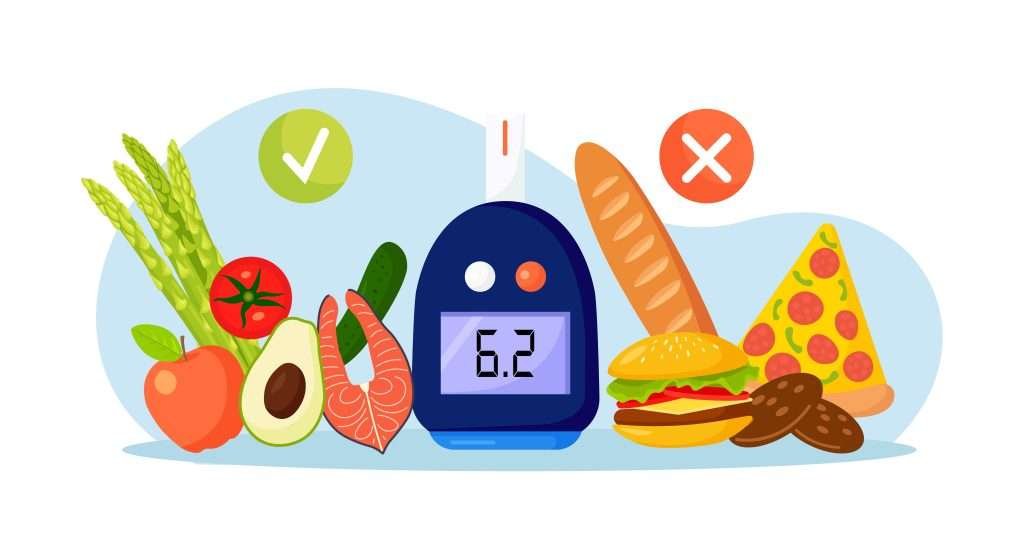
Introduction: Can Type 2 Diabetes be Reversed with Diet?
Type 2 diabetes is a chronic condition that affects how your body processes blood sugar (glucose). It occurs when your body becomes resistant to insulin, a hormone that helps regulate blood sugar, or when the pancreas doesn’t produce enough insulin. This leads to elevated blood sugar levels, which over time can cause serious health complications such as heart disease, kidney damage, and nerve problems.
Managing Type 2 diabetes is often challenging. For many people, medications and insulin injections become necessary to keep blood sugar levels under control. However, what if there was another way to manage or even reverse the condition without relying solely on medications? This is where diet comes in. Can Type 2 diabetes be reversed with diet? The answer is yes—diet plays a crucial role in managing blood sugar levels, improving insulin sensitivity, and even potentially achieving diabetes remission.
In this article, we will explore how strategic changes in your diet can help reverse Type 2 diabetes. While medications are often essential, the power of nutrition shouldn’t be underestimated. By choosing the right foods, you can help bring your blood sugar levels back into a healthy range. From low-carb and plant-based diets to the Mediterranean approach, there are several dietary strategies that have shown promise in helping people with Type 2 diabetes regain control of their health.
We will also look at scientific evidence supporting diet-based approaches to diabetes reversal and offer practical tips to make these changes sustainable. Whether you’re newly diagnosed or have been managing Type 2 diabetes for years, this guide will help you understand how a carefully planned diet can play a vital role in your journey toward better health.
What Does It Mean to Reverse Type 2 Diabetes?
When discussing the possibility of reversing Type 2 diabetes, it’s important to understand the difference between “remission” and “cure.” Can Type 2 diabetes be reversed with diet? The term “remission” means that a person’s blood sugar levels have returned to normal or near-normal ranges, often without the need for medication. However, this doesn’t mean the diabetes is permanently gone, and the risk of it returning still exists, especially if lifestyle changes aren’t maintained. On the other hand, a “cure” would imply that Type 2 diabetes is completely eradicated and would never return. Currently, while remission is achievable, a cure is not.
Sustained blood sugar control is essential for long-term health. When blood sugar levels remain elevated for extended periods, it can lead to a host of complications, including damage to the eyes, kidneys, nerves, and heart. By maintaining normal blood sugar levels, you can significantly reduce the risk of these complications and improve your overall health. This is where diet plays a pivotal role. With the right approach, blood sugar can be managed effectively, and in some cases, people with Type 2 diabetes may even enter remission.
To determine whether someone has achieved remission, doctors look at several key metrics. One of the most important is HbA1c levels, a blood test that shows your average blood sugar levels over the past two to three months. A typical HbA1c target for remission is below 6.5%, though individual goals may vary. Other important metrics include fasting glucose levels, which measure blood sugar after an overnight fast, and insulin sensitivity, which indicates how effectively your body responds to insulin. Regular monitoring of these levels can help track progress and determine if diabetes remission is achievable with dietary changes.
Diets Proven to Help Reverse Type 2 Diabetes

Low-Carb and Ketogenic Diets
One of the most effective dietary approaches for managing and potentially reversing Type 2 diabetes is reducing carbohydrate intake. Can Type 2 diabetes be reversed with diet? Yes, particularly through low-carb and ketogenic diets. Carbohydrates, especially refined ones like sugars and white bread, can cause spikes in blood sugar. By cutting down on carbs, you allow your body to maintain more stable blood sugar levels, which can improve insulin sensitivity over time.
The ketogenic diet, a more extreme form of low-carb eating, focuses on drastically reducing carbohydrate intake and replacing it with healthy fats. This shifts the body into a state called ketosis, where it burns fat for energy instead of glucose. This can help lower blood sugar levels and reduce the need for insulin. Studies have shown that both low-carb and ketogenic diets can significantly improve blood sugar control and even promote diabetes remission in some individuals.
Practical tips for following a low-carb or ketogenic diet for diabetes management include:
- Choose non-starchy vegetables like leafy greens, broccoli, and zucchini, which are low in carbohydrates but high in fiber and nutrients.
- Avoid sugary snacks and opt for healthier alternatives like nuts, seeds, and full-fat dairy.
- Focus on high-quality protein sources such as fish, chicken, eggs, and plant-based proteins like tofu and tempeh.
- Incorporate healthy fats from sources like avocado, olive oil, and nuts, which are essential for maintaining energy levels on a low-carb diet.
Mediterranean Diet
The Mediterranean diet is another excellent option for those seeking to reverse Type 2 diabetes through diet. It emphasizes whole, unprocessed foods, healthy fats, and a variety of nutrient-rich vegetables, fruits, legumes, and whole grains. At the core of this diet is the consumption of healthy fats, particularly from olive oil, nuts, and fatty fish like salmon, which are known to improve heart health and insulin sensitivity.
Can Type 2 diabetes be reversed with diet? Yes, the Mediterranean diet is highly effective in improving insulin sensitivity and managing blood sugar levels. The high intake of fiber, antioxidants, and polyphenols from plant-based foods helps reduce inflammation and oxidative stress, both of which play a role in insulin resistance. Additionally, the moderate consumption of lean protein, such as poultry or legumes, provides essential nutrients without the harmful effects of too much red meat.
Benefits of the Mediterranean diet for managing Type 2 diabetes include:
- Improved insulin sensitivity, which allows the body to better regulate blood sugar.
- Reduced inflammation, helping protect against complications associated with diabetes.
- Better heart health, as this diet is low in processed foods and unhealthy fats, supporting overall cardiovascular health.
Plant-Based Diets
A plant-based diet can also be highly effective in reversing Type 2 diabetes, largely due to its focus on high-fiber, nutrient-dense foods that are naturally low in fat and sugar. The high fiber content in plant foods helps regulate blood sugar levels by slowing the absorption of sugar into the bloodstream. Additionally, plant-based diets are rich in antioxidants and phytonutrients, which combat oxidative stress and inflammation—two key factors in the development of insulin resistance.
For people with Type 2 diabetes, plant-based eating can significantly improve insulin sensitivity and help achieve long-term blood sugar control. By prioritizing whole grains, legumes, fruits, and vegetables, a plant-based diet provides a wide range of essential vitamins, minerals, and antioxidants that support overall health and help manage blood sugar levels.
Examples of plant-based meals that support diabetes reversal include:
- Chickpea salad with quinoa, spinach, and a variety of colorful vegetables.
- Lentil and vegetable stew with lots of fibrous vegetables like zucchini and tomatoes.
- Smoothie bowls made with unsweetened almond milk, flaxseeds, spinach, and berries.
To incorporate a plant-based diet into daily life, start by gradually reducing animal products and focusing on plant-based alternatives like tofu, tempeh, beans, and legumes. Preparing meals at home with fresh, whole foods will help you avoid processed items that can spike blood sugar levels.
In summary, the low-carb, Mediterranean, and plant-based diets each offer unique benefits for reversing Type 2 diabetes. By choosing the right dietary approach, you can help stabilize blood sugar, improve insulin sensitivity, and support long-term health.
Scientific Evidence Supporting Diet-Based Reversal
There are various scientific studies which can help answer your question, ‘can type 2 diabetes be reversed with diet?’ They provide compelling evidence that Type 2 diabetes can be reversed through dietary changes. One of the most significant findings in this area comes from research on caloric restriction and its impact on blood sugar levels. Caloric restriction helps reduce fat stored in the liver and pancreas, which is a primary contributor to insulin resistance—a hallmark of Type 2 diabetes. By lowering this fat, the body can regain its ability to regulate blood sugar effectively.
The DiRECT study (Diabetes Remission Clinical Trial) offers groundbreaking evidence on the potential of diet in reversing Type 2 diabetes. Conducted in the UK, this trial involved participants following a low-calorie, nutrient-dense meal plan. The results were remarkable: nearly half of the participants achieved remission within a year. Those who sustained weight loss of over 10 kilograms were significantly more likely to maintain normal blood sugar levels without medication. This study underscores the importance of caloric restriction and weight loss in reversing Type 2 diabetes.
In addition to low-calorie diets, other research highlights the benefits of specific dietary patterns like low-carb, Mediterranean, and plant-based diets. These eating approaches emphasize reducing processed foods, increasing fiber intake, and optimizing macronutrient distribution—all of which improve insulin sensitivity and support blood sugar management.
Real-world trials reinforce these findings. Studies show that participants who adopt diets emphasizing whole, minimally processed foods experience better blood sugar control and even remission in some cases. For example, one trial found that individuals following a very low-carbohydrate diet for six months saw significant improvements in HbA1c levels, with some achieving normal glucose levels without medication.
Key statistics further validate dietary strategies for diabetes reversal. According to research, about 70% of individuals who achieve remission through diet sustain it for over two years with continued adherence. However, the long-term success depends on maintaining these dietary changes as part of an overall lifestyle strategy.
In conclusion, the scientific evidence highlights that diet-based interventions—especially those focusing on caloric restriction and nutrient density—are powerful tools for reversing Type 2 diabetes. While more research continues to explore these approaches, the existing studies provide hope and actionable strategies for those seeking to manage or reverse their condition.
Tips for Sustaining a Reversal-Friendly Diet

When considering the question, can Type 2 diabetes be reversed with diet, the answer lies not just in making dietary changes but in sustaining them for the long term. Here are practical tips to help maintain a reversal-friendly diet and support lasting improvements in blood sugar management.
Focus on Whole Foods
A critical step in answering “can Type 2 diabetes be reversed with diet” is prioritizing whole, minimally processed foods. Whole foods such as fresh vegetables, lean proteins, whole grains, and healthy fats provide essential nutrients that improve insulin sensitivity and support blood sugar regulation. Processed foods, on the other hand, often contain added sugars and unhealthy fats, which can hinder progress.
For example, replacing refined carbohydrates like white bread with whole-grain alternatives can help stabilize blood sugar levels. Similarly, incorporating high-fiber vegetables like spinach and broccoli into your meals can lower glycemic impact and promote better overall health. By focusing on nutrient-dense whole foods, you create a sustainable dietary foundation that supports diabetes remission.
Portion Control and Mindful Eating
Portion control plays a vital role in determining whether Type 2 diabetes can be reversed with diet. Overeating, even healthy foods, can lead to weight gain and disrupt blood sugar balance. Using smaller plates, pre-measuring servings, and being mindful of calorie-dense foods are effective strategies to maintain portion control.
Mindful eating further enhances this approach. By eating slowly, savoring each bite, and paying attention to your body’s hunger and fullness signals, you can avoid overeating and improve digestion. This practice also helps manage emotional eating triggers, which is crucial for maintaining a reversal-friendly diet.
Personalized Meal Plans
Personalized meal plans are an excellent way to ensure sustainability when exploring how can Type 2 diabetes be reversed with diet. Working with a healthcare provider or nutritionist allows you to tailor a meal plan that aligns with your dietary preferences, health goals, and lifestyle.
For instance, a low-carb meal plan might suit someone looking to stabilize blood sugar quickly, while a Mediterranean diet can support heart health alongside diabetes management. The customization ensures long-term adherence and maximizes the chances of reversing diabetes.
By focusing on whole foods, practicing portion control, and creating a personalized meal plan, the question of can Type 2 diabetes be reversed with diet becomes less about possibility and more about practicality. These strategies offer a sustainable path to managing and potentially reversing Type 2 diabetes.
Challenges and Myths Around Diet and Reversal
When exploring the question, can Type 2 diabetes be reversed with diet, it’s important to address common myths and challenges. Misconceptions can mislead individuals and hinder their journey toward remission.
Common Myths
A prevalent myth is that once diabetes is reversed, there’s no need for further management or medication. This belief is dangerous, as remission requires sustained effort to maintain blood sugar levels within a healthy range. Even after achieving remission through dietary changes, regular monitoring and occasional medical support might still be necessary to prevent relapse.
Another misconception is that diabetes reversal through diet alone is easy or quick. While diet plays a central role, achieving remission demands consistent lifestyle changes, including exercise and stress management. Success depends on long-term commitment rather than a temporary dietary overhaul. Addressing these myths helps clarify realistic expectations for those asking, can Type 2 diabetes be reversed with diet.
Challenges in Long-Term Adherence
Maintaining a reversal-friendly diet comes with challenges. Psychological factors, such as cravings or emotional eating, and social pressures, like attending events where unhealthy foods are prevalent, can make adherence difficult. These barriers often lead to frustration or setbacks.
To overcome these obstacles, planning is crucial. Prepare nutrient-rich snacks to counter cravings and practice mindful eating to manage emotional triggers. Building a supportive environment, including family or peer groups, can also help stay on track. Strategies like these make answering, can Type 2 diabetes be reversed with diet, more attainable.
When Diet Alone May Not Be Enough
While diet is essential in diabetes reversal, it may not work for everyone as a standalone solution. Factors such as genetics, the severity of diabetes, or other health conditions may necessitate additional interventions.
Incorporating exercise into your routine can enhance insulin sensitivity and support weight loss, complementing dietary efforts. For some individuals, medication or medical monitoring remains necessary. Understanding this ensures a comprehensive approach to answering, can Type 2 diabetes be reversed with diet.
Conclusion: The Potential to Reverse Type 2 Diabetes with Diet
So, can Type 2 diabetes be reversed with diet? The short answer is, yes! However the key here are sustained dietary and lifestyle changes tailored to individual needs. By working with healthcare providers and committing to these strategies, many individuals can achieve remission and significantly improve their health outcomes.
FAQ: Can Type 2 Diabetes Be Reversed with Diet?
1. Can Type 2 diabetes be reversed with diet alone?
Yes, Type 2 diabetes can be reversed with diet in many cases, but this depends on the individual. A carefully structured diet that promotes weight loss, improves insulin sensitivity, and stabilizes blood sugar levels is key. However, other lifestyle factors, such as regular exercise and stress management, often play supportive roles. For some, medication or medical monitoring may still be necessary, especially in severe cases.
2. What are the best diets for reversing Type 2 diabetes?
Several diets have shown promise in helping reverse Type 2 diabetes, including low-carb and ketogenic diets, the Mediterranean diet, and plant-based diets. These diets focus on nutrient-dense, minimally processed foods that support better blood sugar regulation and reduce insulin resistance. Finding a diet that suits your preferences and lifestyle is essential for long-term success.
3. How quickly can Type 2 diabetes be reversed with diet?
The timeline varies by individual. Some people experience improvements in blood sugar control within weeks of adopting a reversal-friendly diet, while others may take months to achieve remission. Consistency and adherence to dietary and lifestyle changes are critical for success.
4. Is diabetes reversal permanent?
Diabetes reversal is not a permanent “cure.” Maintaining remission requires ongoing commitment to healthy eating, regular physical activity, and lifestyle adjustments. If old habits are resumed, blood sugar levels may rise again, and the condition could return.
5. Should I consult a doctor before attempting to reverse Type 2 diabetes with diet?
Absolutely. It’s crucial to work with a healthcare provider or nutritionist to ensure your dietary plan is safe and effective for your specific needs. Personalized guidance can make the process safer and more sustainable.
By addressing these questions, it becomes clear that the answer to “can Type 2 diabetes be reversed with diet” involves a combination of the right dietary strategies, support, and dedication.