When we think of diabetes, it’s common to associate the condition with being overweight or obese.But can thin people get diabetes?
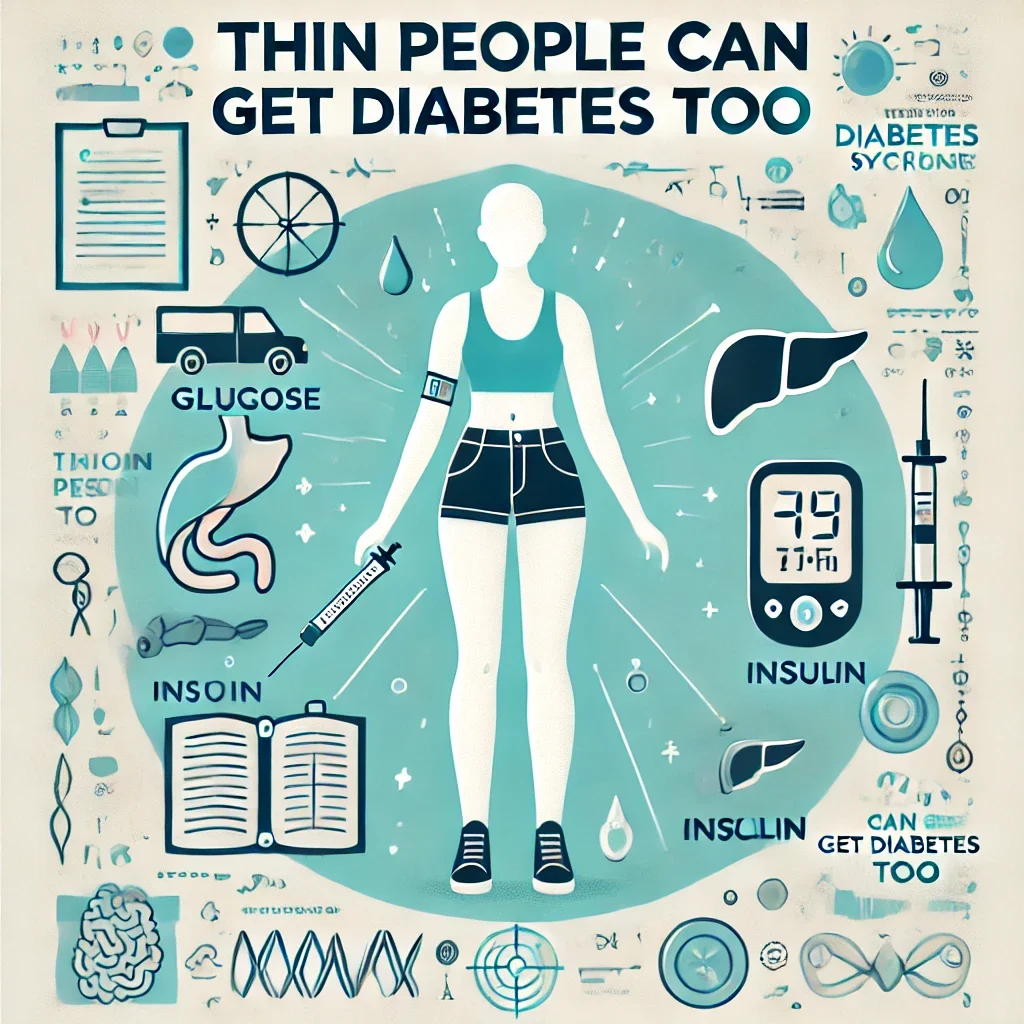
Yes , thin people can also develop this condition —known as lean diabetes or skinny diabetes. It can affect you even if your body weight seems healthy. Factors like genetics, hidden fat around your organs, chronic stress, and autoimmune conditions can contribute to the development of diabetes in people who are not overweight. Understanding the causes, symptoms, and ways to manage this condition can help you take control of your health.
Why Can You Get Diabetes if You’re Thin?
1. Hidden Visceral Fat
Even if you’re lean, your body may store fat around vital organs like your liver and pancreas. This is called visceral fat, and it’s more harmful than the fat you see on the outside. Visceral fat can reduce your body’s insulin sensitivity, leading to blood sugar problems. You might not notice this fat, but it could be silently affecting your health.
2. Genetics
Your family history plays a significant role. If close relatives have diabetes, your risk increases, regardless of your weight. Genetics can influence how well your body produces and uses insulin, which is crucial for regulating blood sugar. Even if you eat healthy and exercise, genetics may predispose you to diabetes.
3. Stress and Inflammation
Chronic stress causes your body to release cortisol, a hormone that increases blood sugar. If you’re constantly stressed, your body might struggle to regulate these levels, eventually leading to diabetes. Additionally, long-term stress can cause low-grade inflammation, which disrupts how insulin works in your body.
4. Autoimmune Factors
If you have type 1 diabetes or latent autoimmune diabetes in adults (LADA), your immune system attacks the insulin-producing cells in your pancreas. Unlike type 2 diabetes, this isn’t linked to weight but to your immune system. LADA develops slowly, so you might not even realize you have it until symptoms worsen.
5. Poor Lifestyle Habits
Even if you’re thin, consuming too much sugar, skipping meals, or avoiding physical activity can harm your body’s ability to regulate blood sugar. If you’re thin but sedentary, your muscles aren’t using glucose effectively, which can lead to insulin resistance over time.
Symptoms of Skinny Diabetes
If you’re thin and experiencing any of these symptoms, it’s time to pay attention:
- Persistent thirst and frequent urination: High blood sugar forces your kidneys to work overtime, making you thirsty and increasing urination.
- Unexplained weight loss: Losing weight without trying could indicate that your body isn’t using sugar properly.
- Fatigue and brain fog: High or low blood sugar levels can leave you feeling drained and unfocused.
- Blurred vision: Fluctuating blood sugar can cause swelling in your eye lenses, making your vision blurry.
- Tingling or numbness in hands and feet: High blood sugar can damage nerves over time, causing these sensations.
- Slow-healing wounds: If you notice cuts or bruises taking longer to heal, this could be a sign of diabetes.
These symptoms shouldn’t be ignored. Even if you’re thin, they could indicate either type 2 diabetes in normal-weight individuals or an autoimmune form like type 1 diabetes.
How to Manage Lean Diabetes?
You can manage or even reverse lean diabetes by adopting the right habits. Here’s what you need to focus on:
1. Balanced Nutrition
Eat whole, unprocessed foods that stabilize your blood sugar. Incorporate fiber-rich vegetables, lean proteins, and healthy fats into your diet. If you’re underweight, add calorie-dense, nutritious foods like nuts, seeds, avocados, and whole grains. Avoid sugary snacks and processed carbs, which can cause blood sugar spikes.
2. Regular Exercise
Physical activity helps your muscles use sugar for energy, improving insulin sensitivity. Strength training is especially useful if you need to gain healthy weight, while aerobic exercises like walking or cycling can help regulate blood sugar. Start with small steps and build up as you feel comfortable.
3. Stress Management
You can reduce stress by practicing mindfulness techniques like meditation or yoga. Deep breathing exercises can also lower cortisol levels. Talking to friends, family, or a therapist can help you navigate stress in a healthy way, preventing it from affecting your blood sugar.
4. Medical Support
Work with your doctor to monitor your blood sugar and create a personalized treatment plan. If you have type 1 diabetes or LADA, you’ll likely need insulin therapy. For type 2 diabetes, medications or lifestyle changes may suffice. You should never hesitate to ask your healthcare provider for guidance.
5. Adequate Sleep
Lack of sleep can worsen insulin resistance. Aim for 7–9 hours of quality sleep per night. Create a relaxing bedtime routine, and avoid screens and caffeine close to bedtime to improve your sleep quality.
Can You Reverse Diabetes If You’re Thin?
You might wonder if diabetes can be reversed. It depends on which type of diabetic patient you’re or your close one having , i.g :
- Type 2 diabetes in thin individuals: You can often reverse it through lifestyle changes like losing visceral fat, eating a balanced diet, and staying active.
- Type 1 diabetes or LADA: These autoimmune conditions cannot be cured, but you can manage them with insulin and healthy habits.
Taking proactive steps, like maintaining stable blood sugar levels and addressing underlying issues, can significantly improve your quality of life.
FAQ: Skinny and Diabetes
1. Can skinny people develop type 2 diabetes?
Yes, you can develop type 2 diabetes even if you’re thin. Hidden visceral fat, genetics, and poor lifestyle choices can all contribute to the condition.
2. Can diabetes be cured in thin individuals?
Type 2 diabetes can often be reversed with the right lifestyle changes, but type 1 diabetes or LADA requires lifelong management with insulin.
3. What are the symptoms of lean diabetes?
Look out for thirst, frequent urination, fatigue, unexplained weight loss, blurred vision, and slow-healing wounds.
4. Can thin people gain weight with diabetes?
Yes, eating calorie-dense, nutrient-rich foods can help you gain healthy weight. Strength training can also build muscle and improve insulin sensitivity.
5. Is type 1 diabetes more common in skinny people?
Yes, autoimmune conditions like type 1 diabetes and LADA are more common in lean individuals. They’re unrelated to body weight but rather to your immune system.
6. How can I manage stress to lower diabetes risk?
You can practice mindfulness, exercise regularly, and talk to a therapist or loved one to lower stress levels and keep blood sugar stable.
Final Thoughts
You might think being thin protects you from diabetes, but it doesn’t. Whether it’s type 1 diabetes, LADA, or type 2 diabetes in normal-weight individuals, your body’s ability to regulate blood sugar can still be compromised. By focusing on balanced nutrition, regular exercise, and stress management, you can take charge of your health and live well with or without diabetes.