Can Misregulation of PFK-1 cause Diabetes? Living with diabetes or managing its risk can be challenging.Especially , when it comes to understanding how the body’s metabolism works and what leads to the development of the disease.
One area of research that sheds light on this process is the role of PFK-1 (phosphofructokinase-1), an enzyme that plays a critical part in glucose metabolism. When PFK-1 is misregulated, it can disrupt the body’s ability to properly process glucose, contributing to conditions like insulin resistance and Type 2 diabetes.
In this article, we will explore the role of PFK-1 in maintaining healthy glucose metabolism, how its misregulation leads to diabetes, and what potential treatments targeting PFK-1 might look like. You’ll gain insights into how this enzyme works, why its dysfunction is linked to diabetes, and how current research is paving the way for future therapeutic options.
Can Misregulation of PFK-1 Cause Diabetes?
Diabetes, a chronic condition where blood glucose levels are consistently high, arises due to various factors including genetic predispositions, lifestyle, and disturbances in glucose metabolism.
One such key player in glucose regulation is phosphofructokinase-1 (PFK-1), an enzyme involved in the glycolytic pathway. PFK-1’s role in the body is pivotal to how glucose is broken down to produce energy (ATP).
And when this process is disrupted, it can contribute to the development of diabetes, particularly Type 2 diabetes. In this article, we delve into the importance of PFK-1, how its misregulation can lead to diabetes, and what potential treatments may arise from this understanding.
What is PFK-1 and Its Role in Glucose Metabolism?
Phosphofructokinase-1 (PFK-1) is a key enzyme in the glycolytic pathway, which is responsible for breaking down glucose into pyruvate to produce energy. PFK-1 catalyzes the conversion of fructose-6-phosphate into fructose-1,6-bisphosphate, a crucial step in this process.
This step is considered rate-limiting—meaning it controls the speed of glycolysis. PFK-1 is found in tissues such as the liver, muscles, and pancreas, where it regulates both glucose breakdown and insulin secretion.
In the liver and muscles, PFK-1 ensures that glucose is efficiently metabolized to meet the body’s energy demands, while in the pancreas, it regulates insulin secretion in response to blood glucose levels.
For proper metabolic function, PFK-1 activity must be carefully regulated. Any misregulation can interfere with glucose metabolism, leading to hyperglycemia (high blood sugar) and ultimately, diabetes.
How Can Misregulation of PFK-1 Lead to Diabetes?
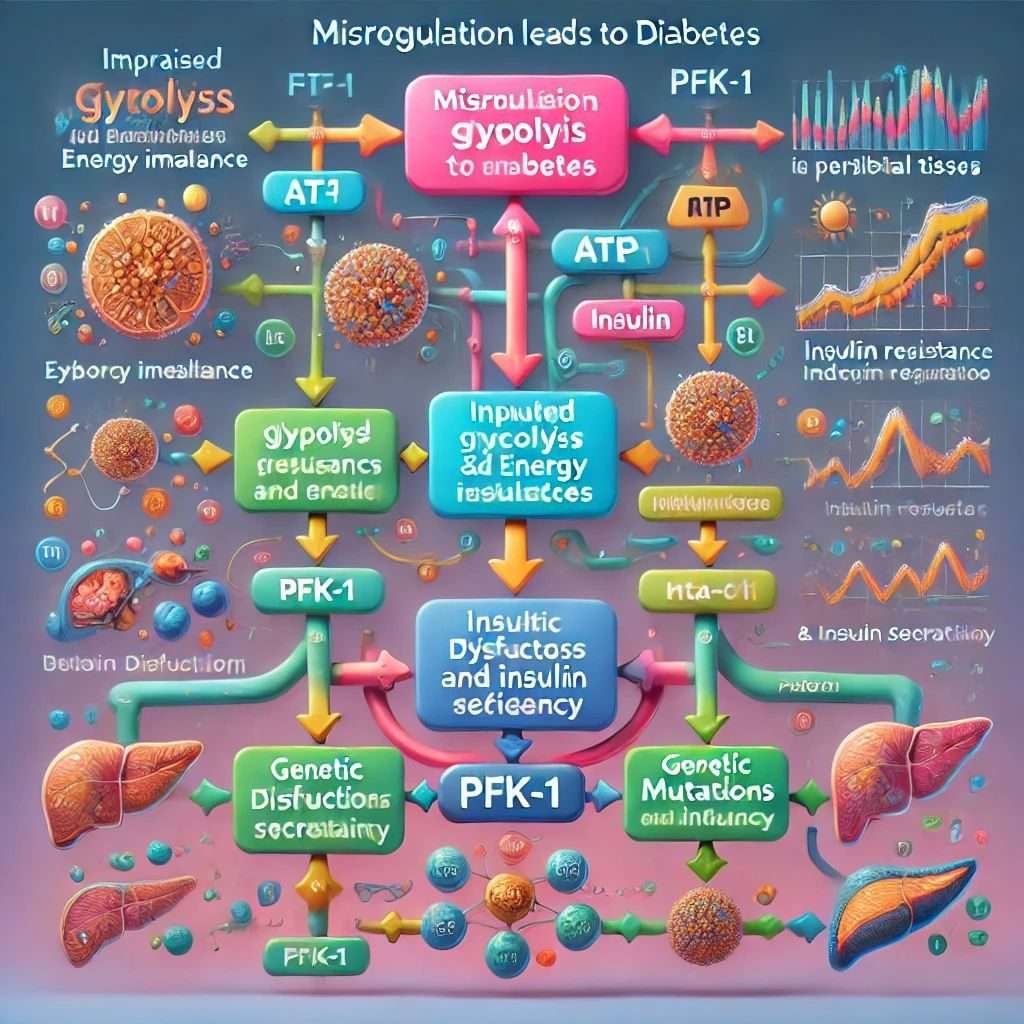
PFK-1’s role in glycolysis and insulin regulation means that any disruption to its activity can have significant consequences for blood sugar regulation.
Misregulation of PFK-1 can occur due to various factors, including genetic mutations, environmental influences, and metabolic imbalances.
1. Impaired Glycolysis and Energy Imbalance
PFK-1’s primary function is to control the breakdown of glucose for energy. When PFK-1 activity is reduced or overly inhibited, glycolysis is impaired, and glucose is not efficiently utilized for ATP production.
As a result, glucose accumulates in the bloodstream, contributing to hyperglycemia. Additionally, when cells are not producing enough ATP, they may shift to alternative energy sources, like fatty acids, leading to fatty acid accumulation and insulin resistance.
2. Insulin Resistance in Peripheral Tissues
In tissues like muscle and fat, insulin promotes glucose uptake by cells. PFK-1 plays a role in maintaining the sensitivity of these tissues to insulin. When PFK-1 is misregulated, insulin sensitivity decreases, making it harder for cells to absorb glucose effectively.
This insulin resistance forces the pancreas to produce more insulin to keep blood glucose levels in check. Over time, the pancreas can become overwhelmed, and the body’s ability to regulate glucose declines, ultimately leading to the development of Type 2 diabetes.
3. Beta-Cell Dysfunction and Insulin Secretion
The pancreas is responsible for secreting insulin in response to elevated blood glucose levels. PFK-1 plays a critical role in the proper functioning of pancreatic beta cells, which are responsible for insulin production.
Misregulation of PFK-1 can impair the ability of beta cells to sense glucose and respond by secreting insulin. This can result in insufficient insulin production, exacerbating hyperglycemia and promoting the progression of diabetes.
4. Genetic Mutations and PFK-1 Deficiency
Certain genetic mutations can lead to defects in PFK-1, causing metabolic disorders that mimic diabetes. For example, Tarui’s disease, a rare genetic condition, results from a deficiency in the muscle isoform of PFK-1, leading to impaired glucose uptake and insulin secretion.
Genetic defects in enzymes that regulate PFK-1 activity, such as PFK-2, can also disrupt normal glucose metabolism and contribute to the development of insulin resistance and hyperglycemia.
Mechanisms of PFK-1 Misregulation
PFK-1 activity is regulated by several key metabolites and signals:
- ATP: High ATP levels inhibit PFK-1, preventing excessive glucose breakdown when energy levels are high.
- AMP: Low ATP levels increase AMP, activating PFK-1 to promote glucose metabolism during times of energy deficit.
- Fructose-2,6-bisphosphate: This molecule activates PFK-1, facilitating glycolysis and glucose utilization.
Misregulation of PFK-1 can occur if these regulatory mechanisms fail, leading to either excessive inhibition or activation of PFK-1.Such disruptions impair glycolysis, decrease insulin sensitivity, and can result in the metabolic conditions associated with Type 2 diabetes.
Can PFK-1 be Targeted for Diabetes Treatment?
Given its central role in glucose metabolism, PFK-1 represents a potential target for diabetes therapies. Research is ongoing into drugs and therapies that can modulate PFK-1 activity. For instance, enhancing PFK-1 activity in insulin-resistant tissues could help restore glucose uptake and reduce blood glucose levels.
Alternatively, reducing PFK-1 activity in the liver could help limit excessive glucose production, providing a novel approach to managing Type 2 diabetes.The best way to combat diabetes is taking proper steps at the earliest life.
FAQ: Misregulation of PFK-1 and its Role in Diabetes
1. What is PFK-1, and why is it important for glucose metabolism? PFK-1 is an enzyme involved in the glycolytic pathway, responsible for converting fructose-6-phosphate into fructose-1,6-bisphosphate. This step is essential for the breakdown of glucose to produce ATP. PFK-1’s proper regulation ensures that glucose is efficiently metabolized to meet the body’s energy needs, while also playing a role in insulin secretion by the pancreas.
2. How does misregulation of PFK-1 contribute to diabetes? When PFK-1 is misregulated, it can disrupt glucose metabolism, leading to insulin resistance, impaired glucose uptake by cells, and decreased insulin secretion from the pancreas. These disruptions lead to elevated blood sugar levels, contributing to the onset and progression of Type 2 diabetes.
3. Can PFK-1 be targeted for diabetes treatment? Yes, targeting PFK-1 could help restore normal glucose metabolism and improve insulin sensitivity. Ongoing research is exploring drugs that can either enhance or inhibit PFK-1 activity, offering a potential therapeutic strategy for managing diabetes more effectively.
Conclusion
Hopefully you get to know the answer to Can Misregulation of PFK-1 cause Diabetes? If we summarize , PFK-1 is a pivotal enzyme in glucose metabolism, and its misregulation can play a significant role in the development of Type 2 diabetes. By impairing glycolysis, promoting insulin resistance, and affecting insulin secretion, disrupted PFK-1 activity contributes to hyperglycemia and the metabolic imbalances seen in diabetes. Understanding how PFK-1 works and how its activity can be modulated offers promising new avenues for diabetes treatment, with the potential to restore metabolic balance and improve insulin function.