
Introduction
Diabetes is a chronic condition that affects millions of people worldwide, and while much attention is given to blood sugar control and managing overall health, one of its most serious complications often goes unnoticed until it’s too late: vision loss. Diabetes-related blindness is a significant risk for individuals with both Type 1 and Type 2 diabetes. Conditions like diabetic retinopathy and macular edema can lead to permanent vision damage if left untreated. Understanding how to prevent diabetes-related blindness is crucial for maintaining not only your eye health but also your overall quality of life.
The good news is that diabetes-related blindness is largely preventable with the right strategies. Prevention begins with awareness: recognizing the connection between diabetes and vision problems and taking proactive steps to protect your eyes. Regular eye exams, good blood sugar management, and a healthy lifestyle are some of the key ways to safeguard your vision.
This article will guide you through the essential steps to protect your eyes from diabetes-related complications. From understanding the causes of vision loss to actionable tips for prevention, you’ll learn how to take charge of your eye health. Let’s explore how you can prevent diabetes-related blindness and ensure that your vision remains clear for years to come.
Understanding Diabetes-Related Blindness
What Is Diabetes-Related Blindness?
Diabetes-related blindness refers to vision loss caused by complications from diabetes, particularly conditions like diabetic retinopathy and diabetic macular edema. Diabetic retinopathy occurs when high blood sugar levels damage the small blood vessels in the retina, the part of your eye responsible for capturing visual information. Over time, these blood vessels can leak fluid or bleed, leading to vision impairment or even blindness.
Diabetic macular edema, another common complication, involves swelling in the macula, the part of the retina responsible for sharp, central vision. This condition can make it difficult to read, drive, or see fine details.
Causes and Mechanisms of Vision Loss in Diabetes
High blood sugar levels are the primary culprit behind diabetes-related eye problems. Prolonged hyperglycemia can weaken and damage the blood vessels in the retina, causing them to become leaky or blocked. As a result, the retina may not receive the oxygen and nutrients it needs to function properly. This can lead to abnormal blood vessel growth, scarring, and eventual vision loss.
Additionally, elevated blood sugar can increase inflammation and oxidative stress in the eyes, further contributing to damage. Over time, the cumulative effects of these processes can result in significant and irreversible vision impairment if not addressed.
Risk Factors
Several factors can increase the risk of developing diabetes-related blindness:
- Poor Blood Sugar Control: Consistently high blood sugar levels accelerate damage to retinal blood vessels.
- Duration of Diabetes: The longer you’ve had diabetes, the greater your risk of developing complications like diabetic retinopathy.
- High Blood Pressure and Cholesterol: These conditions can worsen damage to the blood vessels in the eyes.
- Smoking: Tobacco use exacerbates inflammation and reduces blood flow to the retina, increasing the likelihood of vision loss.
Understanding these risks is a critical step in learning how to prevent diabetes-related blindness. By addressing these factors and adopting a proactive approach to eye health, you can significantly reduce your chances of vision loss.
The Role of Blood Sugar Control in Vision Protection
Why Blood Sugar Matters for Eye Health
Maintaining optimal blood sugar levels is one of the most important steps in learning how to prevent diabetes-related blindness. High blood sugar damages the tiny blood vessels in your eyes, causing them to weaken and leak fluid. Over time, this can lead to swelling, scarring, and the formation of abnormal blood vessels, all of which increase the risk of vision loss.
When blood sugar levels remain elevated for prolonged periods, the risk of developing diabetic retinopathy and diabetic macular edema increases significantly. These complications can progress silently, making it even more critical to manage your blood sugar effectively to protect your vision.
Practical Tips for Managing Blood Sugar
- Regular Glucose Monitoring:
- Check your blood sugar levels frequently to ensure they are within your target range. This helps you identify patterns and make necessary adjustments to your diet or medication.
- Diet Adjustments to Stabilize Blood Sugar:
- Focus on a balanced diet that includes whole grains, lean proteins, healthy fats, and plenty of vegetables. Limit your intake of sugary foods and refined carbohydrates.
- Importance of Medication Adherence:
- Take your diabetes medications or insulin as prescribed. Consistency is key to preventing blood sugar spikes that can harm your eyes.
- Exercise Regularly:
- Physical activity helps improve insulin sensitivity and lowers blood sugar levels. Aim for at least 30 minutes of moderate exercise most days of the week.
By incorporating these practices into your daily routine, you can reduce the risk of vision loss and better understand how to prevent diabetes-related blindness.
Regular Eye Exams: Your First Line of Defense
Benefits of Early Detection
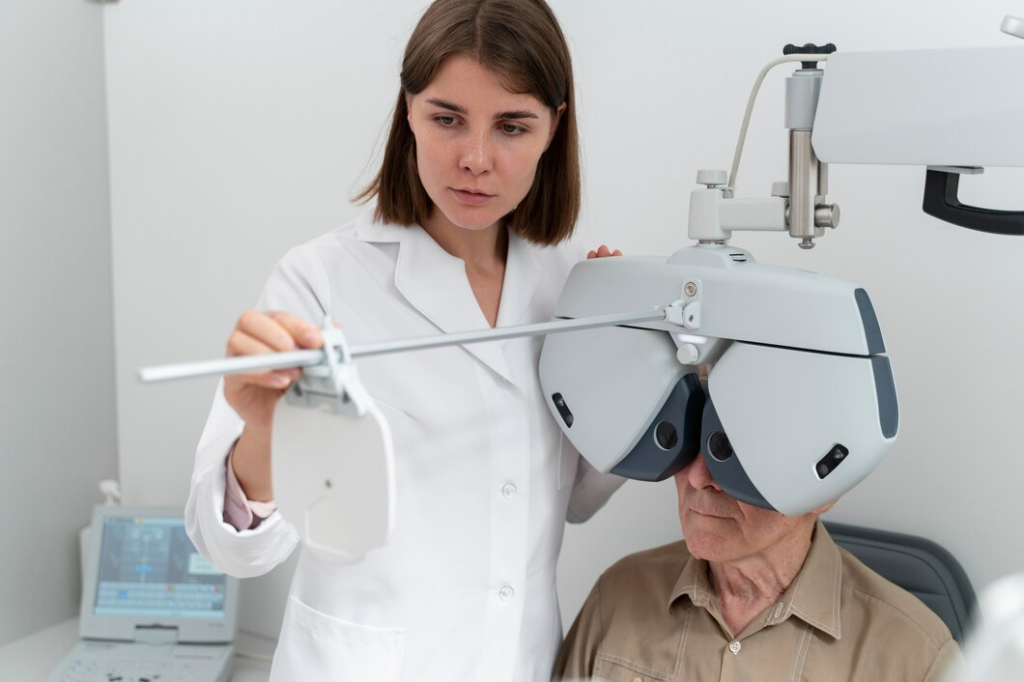
Regular eye exams are an essential part of learning how to prevent diabetes-related blindness. Early detection of diabetic eye conditions can significantly improve treatment outcomes. Many vision problems caused by diabetes, such as diabetic retinopathy, progress silently without noticeable symptoms in the early stages. Comprehensive eye exams allow doctors to catch these issues early and take steps to prevent further damage.
Recommended Eye Exam Frequency
The American Diabetes Association recommends that people with diabetes undergo a comprehensive eye exam at least once a year. For individuals with existing eye complications, more frequent exams may be necessary. Early and consistent monitoring is crucial for staying ahead of potential problems.
What to Expect During an Eye Exam
- Dilated Eye Exam:
- Your doctor will use special eye drops to widen your pupils, allowing them to examine the retina and optic nerve for signs of damage.
- Optical Coherence Tomography (OCT):
- This imaging test provides detailed cross-sectional images of the retina, helping to detect swelling or abnormal blood vessel growth.
- Visual Acuity Test:
- Measures how well you can see at various distances.
- Tonometry:
- Checks for increased pressure inside the eye, which can indicate glaucoma, another complication of diabetes.
By scheduling regular eye exams and following your doctor’s recommendations, you can take an active role in understanding how to prevent diabetes-related blindness and maintaining your vision for the long term.
Lifestyle Changes to Prevent Vision Loss

Preventing vision loss from diabetes involves making conscious lifestyle choices to protect your eye health. By incorporating a balanced diet, regular exercise, and other habits into your daily routine, you can significantly reduce your risk of complications. These changes are not just beneficial for your eyes; they also contribute to overall health. Below, we’ll explore actionable strategies and how they relate to how to prevent diabetes-related blindness.
Balanced Diet for Eye Health
A nutrient-rich diet plays a crucial role in protecting your vision. Certain vitamins and minerals can help maintain eye health and reduce the risk of diabetes-related complications. Here’s what to focus on:
- Omega-3 Fatty Acids: Found in fish like salmon, these nutrients help reduce inflammation and improve blood vessel health.
- Lutein and Zeaxanthin: These antioxidants, found in leafy greens like spinach and kale, protect the retina and reduce the risk of damage caused by oxidative stress.
- Vitamin C and E: Citrus fruits, nuts, and seeds are rich in these vitamins, which can help strengthen blood vessels in the eyes.
Eating a variety of colorful fruits, vegetables, and lean proteins supports both blood sugar control and eye health, making it a cornerstone of how to prevent diabetes-related blindness.
Exercise and Physical Activity
Staying active is another critical component in preventing diabetes-related vision loss. Exercise improves circulation, which is essential for delivering nutrients and oxygen to the eyes. It also helps manage blood sugar levels, reducing the damage caused by prolonged hyperglycemia.
- Aerobic Exercise: Activities like walking, swimming, or cycling enhance blood flow and cardiovascular health, benefiting the eyes.
- Strength Training: Building muscle can increase insulin sensitivity, helping to stabilize blood sugar.
Regular physical activity not only supports eye health but also improves your overall well-being, reinforcing the importance of how to prevent diabetes-related blindness.
Quit Smoking
Smoking exacerbates the risks associated with diabetes, particularly when it comes to eye health. Tobacco use damages blood vessels and accelerates oxidative stress, making it a significant factor in the development of diabetic retinopathy.
- Increased Inflammation: Smoking inflames the blood vessels in the eyes, leading to further complications.
- Decreased Circulation: Reduced blood flow limits the retina’s ability to receive the oxygen and nutrients it needs.
Quitting smoking is one of the most effective steps you can take to reduce your risk of vision loss and prioritize how to prevent diabetes-related blindness.
Protect Your Eyes
Taking proactive measures to protect your eyes from environmental stressors is essential. These steps can prevent additional damage and support long-term eye health.
- Wear Sunglasses: UV rays from the sun can harm the retina and exacerbate eye conditions. Choose sunglasses with 100% UV protection.
- Reduce Screen Time: Prolonged exposure to digital screens causes eye strain, which can lead to discomfort and exacerbate existing issues. Take regular breaks and use blue-light filters.
- Use Protective Gear: For activities like sports or working in environments with debris, wear protective eyewear to avoid physical injury to the eyes.
Incorporating these habits into your daily routine further emphasizes how to prevent diabetes-related blindness through simple, practical steps.
By adopting these lifestyle changes you can significantly lower your risk of vision loss. Each of these strategies supports eye health while addressing the underlying complications of diabetes. Remember, prevention is always more effective than treatment when it comes to managing how to prevent diabetes-related blindness.
Medical Treatments and Interventions
For those living with diabetes, medical treatments and interventions play a vital role in managing eye health and preventing vision loss. While lifestyle changes and regular checkups are crucial, medical options are available to address early and advanced stages of diabetic eye diseases. Understanding these treatments is essential for learning how to prevent diabetes-related blindness effectively.
Treating Early Diabetic Retinopathy
Early-stage diabetic retinopathy is often asymptomatic, but timely intervention can halt or slow its progression. Medical advancements offer several treatment options:
- Laser Photocoagulation:
This treatment uses a focused laser to seal or destroy leaking blood vessels in the retina. It can reduce the risk of vision loss by stabilizing the condition, making it a key step in how to prevent diabetes-related blindness in its early stages. - Anti-VEGF Injections:
Medications like ranibizumab (Lucentis) or aflibercept (Eylea) are injected directly into the eye to inhibit the growth of abnormal blood vessels. These injections also help reduce swelling in the retina and improve vision.
Early intervention with these treatments can significantly improve outcomes and protect your vision from further deterioration.
Surgical Options
For advanced stages of diabetic eye disease, surgical options may be necessary to prevent or mitigate severe vision loss:
- Vitrectomy:
This surgery involves removing the gel-like substance (vitreous) from the eye to clear blood and scar tissue that may obstruct vision. It’s often performed for cases of severe bleeding or retinal detachment. - Retinal Repair:
In some cases, surgical procedures to reattach the retina or repair extensive damage are required to preserve vision.
These surgeries are more invasive but can be life-changing for individuals experiencing advanced complications. Knowing when these options are necessary is crucial for understanding how to prevent diabetes-related blindness in its later stages.
When to Consult a Specialist
Recognizing the signs that require immediate medical attention can make a significant difference in protecting your vision:
- Sudden Vision Changes: Blurry or distorted vision may indicate swelling or bleeding in the retina.
- Floaters or Flashes: These could signal retinal detachment, which requires urgent care.
- Dark Spots in Vision: Persistent blind spots may indicate progressing damage to the retina.
Consulting an ophthalmologist or retina specialist at the first signs of trouble is critical for managing your condition. Acting promptly ensures you’re doing everything possible to understand how to prevent diabetes-related blindness and safeguard your eyesight.
By combining medical treatments with proactive care, you can take control of your eye health and significantly reduce the risk of vision loss associated with diabetes.
Managing Other Health Conditions to Protect Vision

Protecting your vision when living with diabetes isn’t just about controlling blood sugar—it also involves managing other health conditions that can exacerbate complications. High blood pressure, high cholesterol, and other related conditions play a significant role in determining how to prevent diabetes-related blindness. Addressing these factors reduces the strain on your eyes and improves your overall health.
Blood Pressure and Cholesterol Control
Uncontrolled blood pressure and cholesterol levels are two major contributors to complications like diabetic retinopathy. High blood pressure damages the delicate blood vessels in the retina, increasing the risk of leakage, swelling, and scarring. Similarly, high cholesterol can lead to fatty deposits in the retina, further impairing vision.
To reduce these risks:
- Monitor Regularly: Check your blood pressure and cholesterol levels frequently, especially during routine medical visits.
- Adopt a Heart-Healthy Diet: Focus on foods that are low in saturated fats and rich in fiber, such as whole grains, fruits, and vegetables.
- Take Prescribed Medications: If your doctor has prescribed medication for blood pressure or cholesterol, ensure consistent adherence.
By addressing these factors, you not only protect your eyes but also contribute to overall cardiovascular health, reinforcing the importance of how to prevent diabetes-related blindness.
Avoiding Compound Risks
Diabetes often comes with additional complications, such as kidney disease and neuropathy, which can indirectly impact vision. For example, kidney dysfunction is closely linked to vascular issues that affect the eyes.
To mitigate these risks:
- Maintain Regular Checkups: Comprehensive care helps identify and address complications early.
- Stay Hydrated and Avoid Toxins: Support kidney health by drinking water and avoiding excessive alcohol or harmful substances.
- Address Neuropathy: Proper foot care and pain management reduce stress on the body, indirectly supporting eye health.
Managing these interconnected health conditions is a critical step in understanding how to prevent diabetes-related blindness, ensuring that your vision remains strong for the long term.
Conclusion
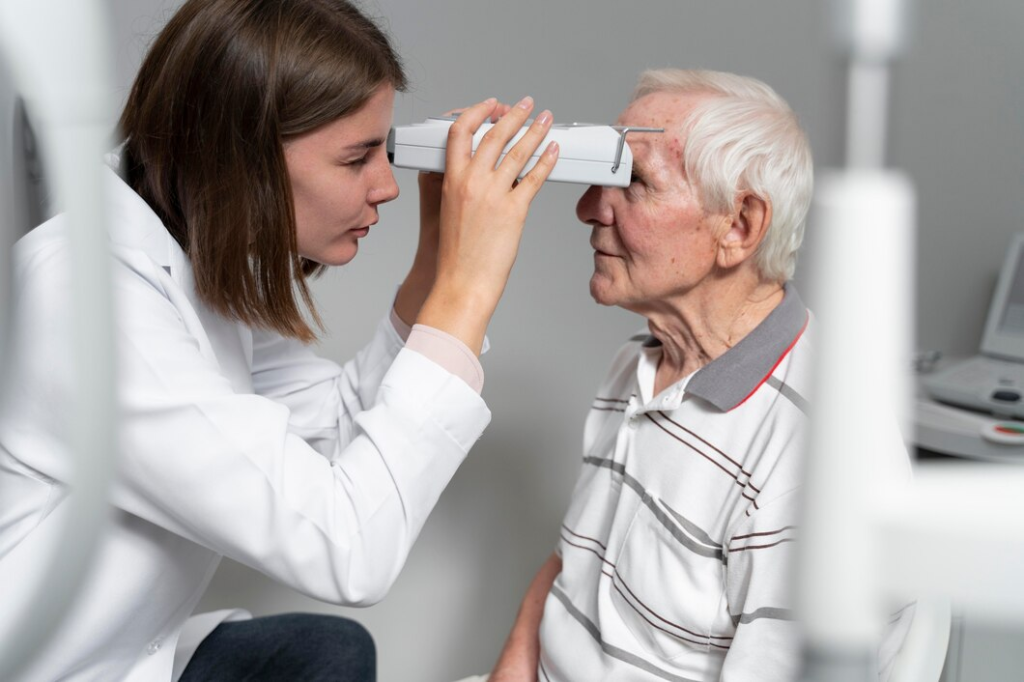
Preventing diabetes-related blindness is not only possible but also achievable with a proactive approach. By focusing on prevention and early detection, you can significantly reduce your risk of vision loss and maintain a healthy, fulfilling life. Regular eye exams, diligent blood sugar control, and adopting healthy lifestyle habits all play a crucial role in protecting your vision.
Conditions like diabetic retinopathy often progress silently, making early detection through annual eye exams essential. These checkups allow for timely treatment and the prevention of irreversible damage. Alongside regular exams, managing your blood sugar, blood pressure, and cholesterol levels is vital to maintaining strong and healthy eyes.
Small changes, like improving your diet, staying active, and quitting smoking, can have a significant impact on your overall health and eye health. Every step you take toward a healthier lifestyle contributes to the larger goal of learning how to prevent diabetes-related blindness.
Your vision is one of your most precious senses. Don’t wait for symptoms to arise before taking action. Schedule your next eye exam today, and commit to habits that prioritize your eye health. Protecting your vision starts now—take control, and enjoy a future with clear, healthy eyesight.
FAQ: How to Prevent Diabetes-Related Blindness
Q: Can diabetes-related blindness be prevented?
A: Yes, by managing your blood sugar, blood pressure, and cholesterol levels, and scheduling regular eye exams, you can significantly reduce the risk of vision loss. Early detection and treatment of conditions like diabetic retinopathy are crucial.
Q: How often should I get an eye exam if I have diabetes?
A: People with diabetes should have a comprehensive dilated eye exam at least once a year. If you have signs of diabetic retinopathy or other eye complications, your doctor may recommend more frequent visits.
Q: What are the early signs of diabetic eye disease?
A: Early stages may not have symptoms, but blurry vision, floaters, dark spots, or sudden vision changes could indicate a problem.
Q: Can lifestyle changes help protect my vision?
A: Absolutely! Eating a balanced diet, exercising regularly, quitting smoking, and protecting your eyes from UV damage are all effective strategies.
Taking these steps ensures you’re doing all you can to learn how to prevent diabetes-related blindness and protect your eyesight.