Introduction
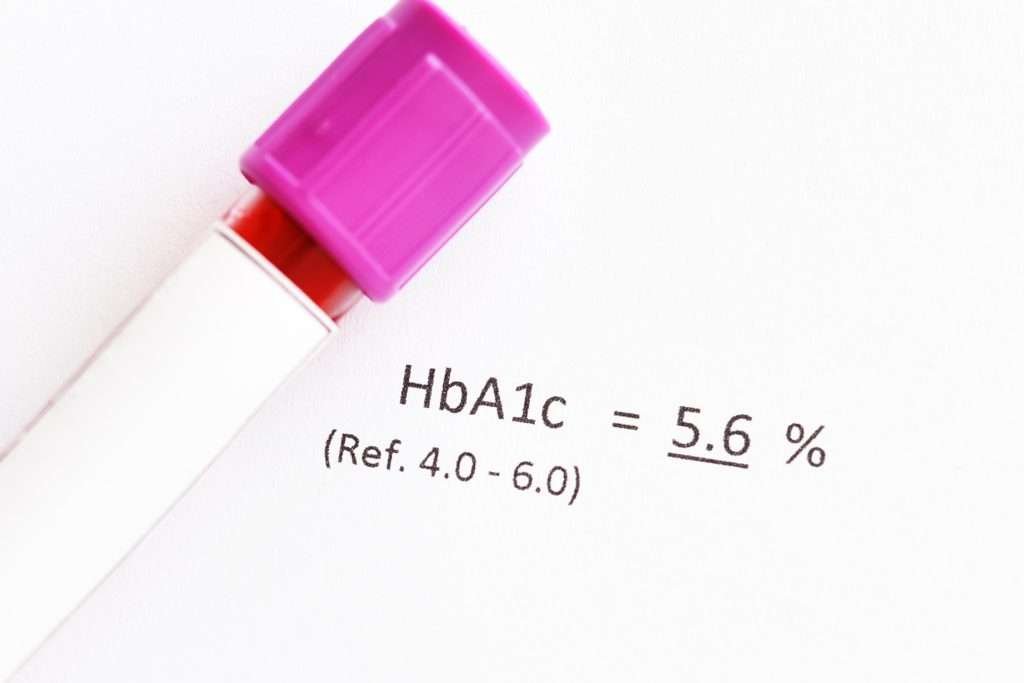
If you’re managing diabetes or prediabetes, understanding how to lower A1C naturally can make a big difference in your health journey. A1C, also known as the hemoglobin A1C test, is a simple blood test that measures your average blood sugar levels over the past two to three months. It’s a vital tool for monitoring how well your blood sugar is controlled and helps predict your risk of complications related to diabetes.
For many, the idea of relying solely on medication to manage blood sugar levels isn’t ideal. That’s where natural methods come in. By focusing on lifestyle changes, you can effectively lower your A1C while improving your overall health. Natural approaches often include dietary adjustments, regular exercise, stress management, and better sleep habits. These methods not only support blood sugar control but also enhance your energy levels and quality of life.
In this article, we’ll explore how to lower A1C naturally with proven strategies that work. We’ll discuss the role of diet, the benefits of physical activity, and the impact of stress and sleep on your A1C levels. You’ll also learn about natural supplements and remedies that might help. Whether you’re aiming to prevent diabetes progression or improve your current management plan, this guide will provide practical and achievable steps to help you succeed.
Let’s dive into the science of A1C, why it matters, and how you can make meaningful changes to lower it naturally.
What is A1C and Why Does It Matter?
A1C, or hemoglobin A1C, is a blood test that provides a clear picture of your blood sugar control over the past few months. When glucose (sugar) circulates in your bloodstream, it binds to hemoglobin in your red blood cells. The A1C test measures the percentage of hemoglobin coated with sugar, giving you an average of your blood sugar levels.
For people with diabetes, understanding A1C is essential because it helps track long-term control. While daily glucose monitoring offers immediate insights, A1C shows the bigger picture. Knowing how to lower A1C naturally can reduce the risk of complications like heart disease, kidney problems, and nerve damage.
The ideal A1C level varies depending on individual health conditions and age. For most adults, the American Diabetes Association recommends keeping A1C below 7%. However, some may aim for a slightly higher or lower target based on their unique circumstances.
Managing your A1C is about more than just reaching a number—it’s about reducing the risk of diabetes-related complications and improving your quality of life. The good news is that with consistent effort and the right strategies, it’s entirely possible to lower A1C naturally and enjoy better health outcomes.
In the following sections, we’ll break down effective natural methods to help you achieve and maintain optimal A1C levels.
Dietary Strategies to Lower A1C Naturally

When it comes to managing your blood sugar, diet plays a crucial role. Adopting smart dietary habits can significantly impact your A1C levels and overall health. In this section, we’ll explore effective dietary strategies to help you understand how to lower A1C naturally through simple and sustainable changes.
Fiber-Rich Foods
Incorporating fiber into your diet is one of the most effective ways to lower your A1C naturally. Fiber slows down the absorption of sugar in your bloodstream, which helps stabilize blood sugar levels. Additionally, a diet rich in fiber has been shown to improve insulin sensitivity, making it easier for your body to manage glucose.
Examples of fiber-rich foods include:
- Leafy Greens: Spinach, kale, and collard greens are not only high in fiber but also low in calories and carbohydrates.
- Beans and Legumes: Lentils, chickpeas, black beans, and kidney beans are excellent plant-based sources of both fiber and protein.
- Whole Grains: Brown rice, quinoa, oats, and whole-grain bread provide a steady release of energy without spiking blood sugar.
Including these foods in your meals is a simple step toward achieving better glycemic control and understanding how to lower A1C naturally.
Low-Glycemic Index Foods
The glycemic index (GI) measures how quickly a food raises blood sugar levels. Low-GI foods are digested more slowly, leading to a gradual rise in blood sugar and helping maintain steady levels. Incorporating more low-GI foods into your diet can be a game-changer in lowering A1C naturally.
Suggested low-GI foods include:
- Berries: Blueberries, strawberries, and raspberries are nutrient-dense and have a minimal impact on blood sugar.
- Nuts and Seeds: Almonds, walnuts, chia seeds, and flaxseeds are great for snacking or adding to meals.
- Legumes: Lentils, black beans, and peas are not only high in protein and fiber but also have a low GI.
By focusing on low-GI foods, you can enjoy delicious meals while taking proactive steps toward lowering your A1C.
Reducing Added Sugars and Refined Carbs
Added sugars and refined carbohydrates can wreak havoc on your blood sugar levels. They are quickly digested and absorbed, causing rapid spikes in blood glucose that contribute to higher A1C levels. To lower A1C naturally, it’s crucial to limit your intake of these types of foods.
Instead of sugary snacks and processed carbs, consider these healthier substitutions:
- Replace sugary cereals with oatmeal topped with berries.
- Opt for whole-grain bread instead of white bread.
- Swap soda or sweetened beverages for water infused with lemon or cucumber.
Making these simple changes can help you achieve better blood sugar control while enjoying flavorful and nutritious meals.
Meal Planning for Glycemic Control
Planning your meals thoughtfully is a key strategy when learning how to lower A1C naturally. Balanced meals that combine lean proteins, healthy fats, and complex carbohydrates can help regulate blood sugar levels throughout the day.
Here are some practical tips for effective meal planning:
- Divide Your Plate: Fill half your plate with non-starchy vegetables like broccoli, spinach, or zucchini. The other half should be divided between lean protein sources like grilled chicken or fish and whole grains or legumes.
- Choose Healthy Snacks: Opt for snacks like a handful of nuts, Greek yogurt, or veggie sticks with hummus.
- Prep Ahead: Prepare meals in advance to avoid the temptation of fast food or processed options. Cook large batches of healthy staples like quinoa or roasted vegetables to save time during the week.
- Mind Your Portions: Eating appropriate portions can help prevent overeating and large blood sugar spikes.
By incorporating fiber-rich foods, low-GI options, and reducing added sugars while focusing on balanced meals, you’ll be well on your way to discovering how to lower A1C naturally. These small but impactful changes can make a big difference in your overall health and diabetes management.
The Role of Exercise in Lowering A1C

Physical activity is a cornerstone of effective diabetes management and a powerful tool for improving your overall health. Regular exercise not only helps control blood sugar levels but also reduces the risk of complications associated with diabetes. Understanding the benefits of exercise and incorporating it into your daily routine is key to learning how to lower A1C naturally.
Benefits of Physical Activity for A1C Reduction
Exercise helps your muscles use glucose more efficiently, lowering blood sugar levels and improving insulin sensitivity. Over time, this can lead to a reduction in your A1C levels. Additionally, physical activity supports heart health, boosts energy, reduces stress, and aids in weight management—all of which contribute to better diabetes control.
Types of Exercise
Incorporating a variety of exercises into your routine can maximize benefits and make it easier to stick with a fitness plan.
- Aerobic Workouts:
Aerobic exercises are great for increasing your heart rate and improving circulation. They help burn glucose for energy, making them effective in lowering blood sugar. Examples include:- Walking: A brisk 30-minute walk daily can significantly impact blood sugar levels.
- Cycling: Whether on a stationary bike or outdoors, cycling is excellent for sustained activity.
- Swimming: A low-impact exercise that’s easy on the joints and effective for glucose management.
- Strength Training:
Building muscle through strength training enhances your body’s ability to absorb glucose, reducing blood sugar levels over time. Examples include:- Lifting weights.
- Using resistance bands.
- Bodyweight exercises like squats and push-ups.
Adding strength training to your routine twice a week can complement the effects of aerobic exercise and further support your goal of how to lower A1C naturally.
Building an Effective and Sustainable Exercise Routine
To maintain consistency, choose activities you enjoy. Start slow, especially if you’re new to exercise, and gradually increase the intensity and duration. Aim for at least 150 minutes of moderate exercise per week, which can be broken down into manageable 30-minute sessions.
Consider joining a group class or exercising with a friend for accountability. Mix up your routine to keep it interesting, alternating between aerobic and strength-training activities.
Safety Tips for People with Diabetes
Safety is essential when exercising with diabetes. Keep these tips in mind:
- Monitor Blood Sugar: Check your levels before and after exercise to avoid hypoglycemia or hyperglycemia.
- Stay Hydrated: Drink plenty of water before, during, and after workouts.
- Wear Proper Footwear: Protect your feet with comfortable, supportive shoes to prevent injuries.
- Carry Snacks: Have a fast-acting carbohydrate on hand, like glucose tablets or fruit, in case of low blood sugar.
By making exercise a regular part of your life, you can effectively lower your A1C and enjoy the added benefits of improved overall health. Whether you prefer walking, swimming, or lifting weights, staying active is a proven way to support your goal of how to lower A1C naturally. Start small, stay consistent, and watch as your efforts lead to lasting improvements.
Stress Management for Better Glycemic Control
Managing stress is an essential aspect of learning how to lower A1C naturally. When you’re stressed, your body releases cortisol and other stress hormones, which can cause blood sugar levels to rise. Over time, chronic stress may lead to consistently higher A1C levels, making it harder to manage diabetes effectively.
Fortunately, stress management techniques can help regulate these hormones, improve blood sugar control, and contribute to overall well-being.
Techniques to Manage Stress
- Mindfulness Meditation:
Practicing mindfulness can help calm your mind and reduce stress-induced blood sugar spikes. Spend 5–10 minutes each day focusing on your breath or using guided meditations. - Yoga and Breathing Exercises:
Yoga combines movement, stretching, and controlled breathing, making it a powerful tool for reducing stress. Simple poses like child’s pose or cat-cow, paired with deep breathing, can be especially effective. - Time Management and Self-Care:
Feeling overwhelmed can exacerbate stress. Prioritize tasks, set boundaries, and schedule time for activities you enjoy. Self-care practices like reading, walking, or spending time in nature can help lower cortisol levels.
Simple Stress-Relief Practices for Daily Life
- Take short breaks during work or chores to recharge.
- Engage in hobbies that make you happy, such as painting, gardening, or playing music.
- Practice gratitude by jotting down three things you’re thankful for each day.
By incorporating these techniques into your routine, you can reduce stress and support your journey to how to lower A1C naturally.
The Importance of Sleep and A1C Management

Quality sleep is vital for overall health and plays a significant role in blood sugar regulation. Poor sleep can disrupt hormones like insulin and cortisol, leading to elevated blood sugar levels and, over time, higher A1C readings. For those wondering how to lower A1C naturally, improving sleep hygiene is a key strategy.
How Poor Sleep Affects Blood Sugar Levels
- Insulin Sensitivity: Sleep deprivation reduces insulin sensitivity, making it harder for your body to manage glucose effectively.
- Hunger Hormones: Lack of sleep increases ghrelin (hunger hormone) and decreases leptin (satiety hormone), leading to unhealthy eating habits that can spike blood sugar.
Tips for Better Sleep
- Maintain a Consistent Sleep Schedule:
Go to bed and wake up at the same time every day, even on weekends. A regular schedule helps regulate your internal clock, promoting deeper, more restorative sleep. - Reduce Screen Time Before Bed:
The blue light emitted by phones and computers can interfere with melatonin production, a hormone crucial for sleep. Aim to turn off screens at least an hour before bedtime. - Create a Calming Bedtime Routine:
Establish relaxing habits like reading, taking a warm bath, or practicing deep breathing exercises to signal your body that it’s time to wind down.
By prioritizing sleep, you’ll improve your overall health and better manage your blood sugar, aiding your efforts to learn how to lower A1C naturally. A well-rested body is more equipped to handle daily challenges, reducing stress and promoting optimal glycemic control.
Natural Supplements and Remedies to Lower A1C
When exploring how to lower A1C naturally, natural supplements can be a helpful addition to your lifestyle changes. While these supplements show promise in supporting blood sugar control, it’s crucial to use them under medical supervision.
Natural Supplements That May Help
- Cinnamon:
Cinnamon has been widely studied for its potential to improve insulin sensitivity and lower fasting blood sugar levels. Adding a small amount to your daily routine may aid in A1C reduction. - Berberine:
Derived from plants, berberine has shown effects similar to some diabetes medications by improving insulin sensitivity and glucose uptake. Studies suggest it may lower A1C in people with type 2 diabetes. - Chromium:
Chromium is an essential mineral that helps the body metabolize carbohydrates and fats, which may contribute to better blood sugar control.
Additional Natural Remedies
- Aloe Vera: Preliminary research suggests that aloe vera may help lower fasting blood sugar.
- Fenugreek: This herb contains fiber and compounds that may slow digestion and reduce sugar absorption.
Important Reminder
Always consult your healthcare provider before starting any new supplement. Supplements can interact with medications or have side effects, so professional guidance is essential to ensure safety.
Combining supplements with dietary changes, exercise, and stress management offers a well-rounded approach to learning how to lower A1C naturally.
Conclusion and Final Tips
Lowering your A1C naturally is achievable with consistent, mindful changes to your daily routine. Throughout this guide, we’ve discussed practical strategies, including:
- Incorporating fiber-rich, low-glycemic foods.
- Engaging in regular aerobic and strength-training exercises.
- Managing stress with mindfulness, yoga, and self-care.
- Improving sleep quality and considering safe, natural supplements.
Start small by focusing on one or two areas and gradually build on your progress. Remember, every small step counts when it comes to lowering your A1C naturally and improving your health.
Finally, always consult your healthcare team before implementing significant changes or trying new supplements. Their guidance ensures your plan is tailored to your individual needs and medical history.
Call-to-Action (CTA)
“Ready to take control of your A1C naturally? Start implementing these proven lifestyle changes today and consult your doctor for personalized advice!”
FAQ: How to Lower A1C Naturally
1. What is A1C, and why is it important in diabetes management?
A1C measures your average blood sugar levels over the past 2–3 months. It’s crucial for tracking long-term glucose control and reducing the risk of diabetes complications.
2. Can I lower my A1C naturally without medication?
Yes, many people lower their A1C naturally through lifestyle changes like eating a balanced diet, exercising regularly, managing stress, and improving sleep quality. However, consult your doctor before making significant changes.
3. What are the best foods to lower A1C naturally?
Fiber-rich foods like leafy greens, whole grains, and beans, along with low-glycemic options like berries and nuts, can help stabilize blood sugar and lower A1C levels.
4. How does exercise help reduce A1C levels?
Physical activity improves insulin sensitivity and helps muscles use glucose more effectively, which can lead to lower blood sugar levels and reduced A1C over time.
5. Are there natural supplements that can lower A1C?
Supplements like cinnamon, berberine, and chromium may support blood sugar control. Always consult your healthcare provider before adding supplements to your routine to ensure safety and effectiveness.