
Prostate cancer is the second most common cancer among men, but the challenge lies in knowing when to test and which diagnostic tool provides the most accurate results. Early detection is crucial for improving treatment outcomes, as identifying prostate cancer at an early stage can significantly increase the chances of successful treatment. However, with a variety of diagnostic tests available, determining the most reliable method can be overwhelming for both patients and healthcare providers.
In this article, we will explore what is the most accurate test for prostate cancer, discuss how each test works, and highlight the factors that influence which test is the best choice for an individual. Whether you are considering testing for the first time or looking to better understand your current diagnosis, knowing your options is key to making informed decisions about your health. From PSA blood tests to biopsies and advanced imaging techniques, we will break down the strengths and limitations of each method to help guide you through the diagnostic process.
Understanding Prostate Cancer Diagnosis
What Is Prostate Cancer?
Prostate cancer is a type of cancer that develops in the prostate, a small walnut-shaped gland responsible for producing seminal fluid in men. It typically grows slowly, and many men may not experience symptoms in the early stages. However, in some cases, prostate cancer can become aggressive and spread to other parts of the body (metastasize). The cancer is usually staged based on its size, location, and whether it has spread. Staging helps determine the severity of the disease and guides treatment decisions.
Why Early Detection Is Important
Early detection of prostate cancer plays a crucial role in improving prognosis and expanding treatment options. When diagnosed at an early stage, prostate cancer can often be managed more effectively with a higher chance of successful treatment, including options like surgery or localized radiation. In contrast, advanced prostate cancer may require more intensive treatments and is less likely to be curable. Detecting prostate cancer early can also help avoid the need for aggressive treatments that may impact quality of life.
Challenges in Prostate Cancer Detection
Despite the advancements in medical technology, no single test for prostate cancer is entirely foolproof. Prostate-specific antigen (PSA) testing, while widely used, can result in false positives (indicating cancer when there is none) or false negatives (failing to detect cancer). Biopsies, though more accurate, still carry risks of complications and may not always detect cancer depending on where the biopsy samples are taken. Therefore, accurate and reliable testing is critical to ensuring that men receive the correct diagnosis and treatment without unnecessary procedures.
Overview of Prostate Cancer Tests
PSA Test (Prostate-Specific Antigen)
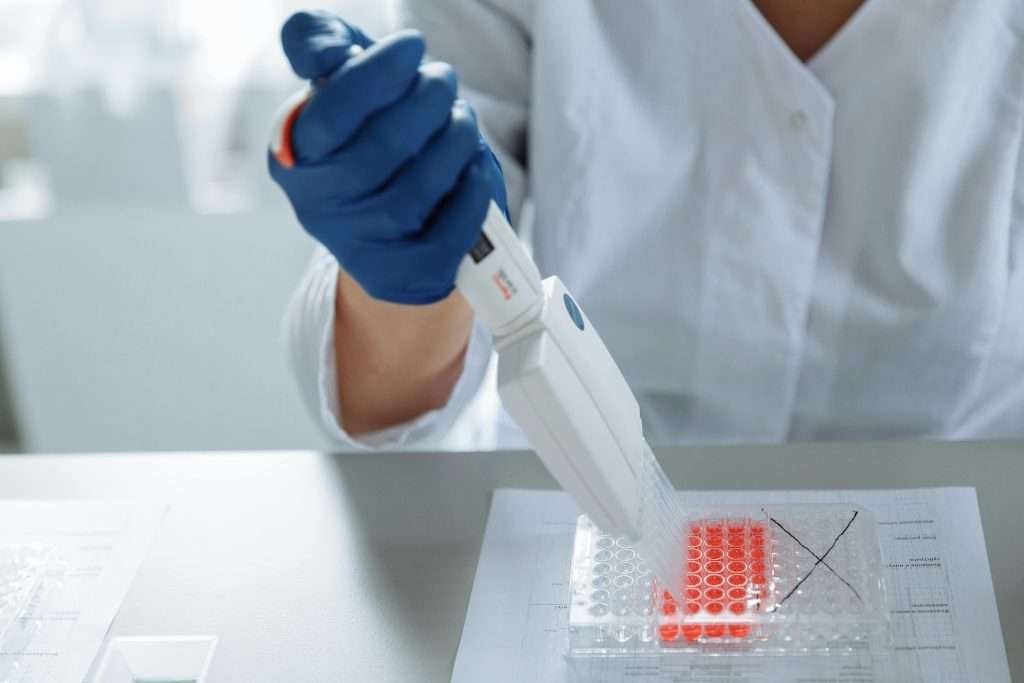
The PSA test is a blood test that measures the level of prostate-specific antigen, a protein produced by the prostate gland. Elevated PSA levels can be an indication of prostate cancer, but other conditions, such as an enlarged prostate or prostate inflammation can also cause them. While the PSA test is commonly used for screening purposes, it is not definitive, and high PSA levels do not always mean cancer is present. Conversely, some men with prostate cancer may have normal PSA levels, making it necessary to consider other factors, such as age, race, and family history, when evaluating results. Despite its limitations, the PSA test remains one of the primary methods for detecting prostate abnormalities and cancer.
Digital Rectal Exam (DRE)
A Digital Rectal Exam (DRE) is a physical examination in which a healthcare provider manually feels the prostate gland through the rectal wall to check for any abnormalities, such as lumps or hard areas. While DREs can help detect irregularities, they are not as accurate as other methods like biopsies or imaging tests. However, a DRE can provide valuable information, especially when combined with other tests like PSA levels. DREs are typically performed during routine check-ups or when prostate issues are suspected.
Biopsy
A prostate biopsy is a procedure performed to confirm a diagnosis of prostate cancer after an abnormal PSA or DRE result. It involves taking small tissue samples from the prostate, usually using a needle, to be examined under a microscope. The biopsy is the gold standard for diagnosing prostate cancer and helps determine the grade (how aggressive the cancer is) and the stage (extent of spread). While a biopsy is highly accurate, it can be invasive, and there is a small risk of infection or bleeding.
Imaging Tests
Imaging tests, such as MRI, CT scans, and ultrasound, are often used to assess the prostate gland and surrounding tissues. MRI (Magnetic Resonance Imaging) is particularly useful for identifying the location and size of the tumor and evaluating the spread of cancer beyond the prostate. CT scans provide detailed cross-sectional images of the body, helping doctors assess whether cancer has spread to other organs. Ultrasound, often used in conjunction with a biopsy, can guide the physician in targeting specific areas of the prostate to take tissue samples. These imaging tests help confirm prostate cancer or evaluate its extent, supporting treatment decisions.
The Most Accurate Tests for Prostate Cancer
Multiparametric MRI (mpMRI)
What It Is: Multiparametric MRI (mpMRI) combines different imaging techniques, including T1-weighted imaging, T2-weighted imaging, diffusion-weighted imaging (DWI), and dynamic contrast-enhanced MRI (DCE-MRI), to create a comprehensive, detailed picture of the prostate. This combination provides not only high-resolution images of the prostate but also functional information that helps differentiate between benign conditions and malignant tumors.
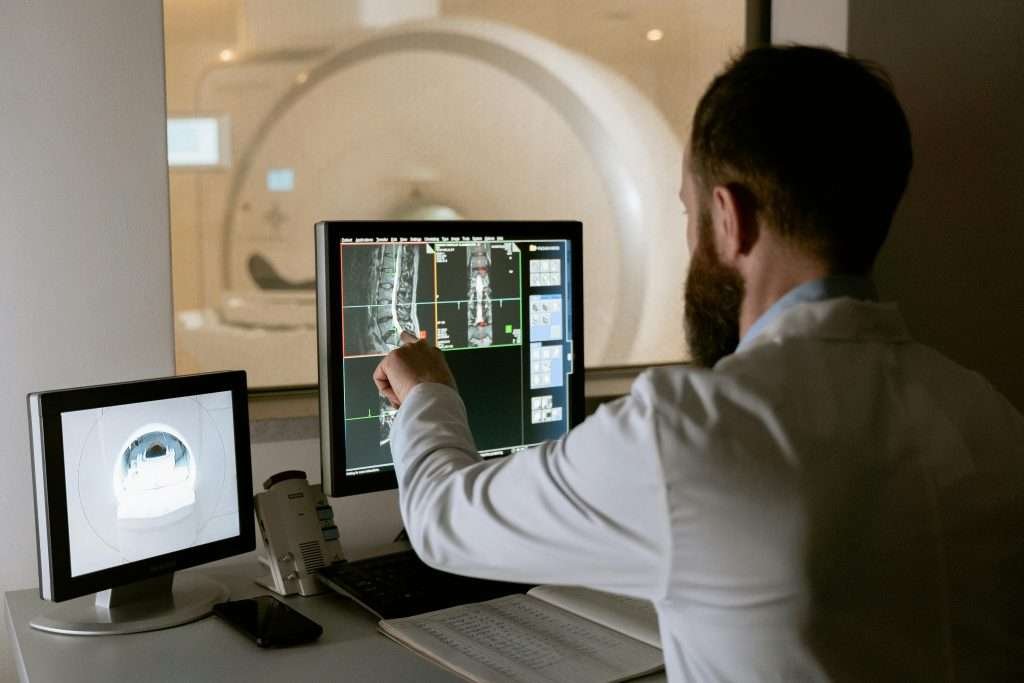
Why It’s Considered Accurate: mpMRI is highly accurate in detecting prostate cancer, particularly aggressive forms of the disease. By assessing the size, location, and extent of prostate tumors, mpMRI can identify cancers that are not easily detected by other methods, such as DRE or standard ultrasound. Studies have shown that mpMRI is especially valuable in diagnosing clinically significant prostate cancers, helping doctors avoid unnecessary biopsies and better treatment plan. It also aids in determining whether the cancer has spread beyond the prostate, which can impact treatment decisions.
When It’s Used: mpMRI is often recommended for men with elevated PSA levels or those who have had previous negative biopsies but continue to show concerning symptoms. It is also used to guide biopsy procedures, offering better targeting for tissue samples and increasing the chances of detecting prostate cancer in difficult-to-reach areas or smaller tumors.
Biopsy with Imaging Guidance
Fusion Biopsy: Fusion biopsy combines the benefits of mpMRI and ultrasound to guide the biopsy needle with high precision. The process merges MRI images with real-time ultrasound guidance to improve the accuracy of needle placement, allowing the physician to target specific areas of the prostate that are most likely to harbor cancer. This method significantly reduces the chances of missing tumors, especially in regions of the prostate that are difficult to reach or evaluate with traditional biopsies.
Targeted Biopsy: Fusion and targeted biopsy techniques are particularly useful for identifying cancers in areas that might be missed with a traditional transrectal biopsy. This approach enables more accurate sampling of suspicious regions, increasing the likelihood of detecting clinically significant prostate cancers while reducing the number of unnecessary biopsies.
Genetic Testing and Biomarker Tests
Genomic Testing: Genomic tests, such as Prolaris and Oncotype DX, analyze genetic changes in prostate cancer cells. These tests help predict the aggressiveness of the disease by assessing the genetic makeup of the tumor. The results can help doctors tailor treatment plans, especially for patients with low-risk cancers who may avoid aggressive treatments like surgery or radiation.
Blood Biomarker Tests: Blood tests like the PCA3 test and 4Kscore test measure specific biomarkers associated with prostate cancer. The PCA3 test detects abnormal genetic material in urine, while the 4Kscore test analyzes blood levels of four prostate cancer-related biomarkers. These tests provide additional insights into a patient’s risk of prostate cancer and can help guide decisions regarding biopsy or active surveillance, improving early detection and reducing unnecessary procedures.
Comparing the Accuracy of Tests
In medical testing, sensitivity refers to a test’s ability to correctly identify those with the disease (true positives), while specificity refers to its ability to correctly identify those without the disease (true negatives). Both are crucial for determining the effectiveness of prostate cancer tests.

- PSA Test: The PSA test has a high sensitivity, meaning it is good at detecting prostate cancer when it is present, but it has low specificity, which can lead to false positives (indicating cancer when there is none). Elevated PSA levels can also be caused by other conditions, such as benign prostatic hyperplasia (BPH) or prostatitis, making it less reliable in diagnosing prostate cancer alone.
- Multiparametric MRI (mpMRI): mpMRI offers high sensitivity in detecting clinically significant prostate cancers and moderate specificity. It excels at identifying aggressive cancers and distinguishing them from benign conditions. However, mpMRI is not foolproof, and false positives can still occur, especially if the imaging identifies benign prostatic changes or inflammation as suspicious.
- Biopsy: A biopsy is the gold standard for prostate cancer diagnosis because it provides direct tissue samples for analysis. It has high specificity, meaning that when a biopsy identifies cancer, it is typically accurate. However, the sensitivity of biopsy can vary depending on the method used (e.g., transrectal vs. fusion biopsy). Biopsies may miss small or hard-to-reach tumors, resulting in false negatives.
False Positives and False Negatives
- PSA Test: False positives are common, leading to unnecessary biopsies, while false negatives can occur, particularly in men with low PSA levels but aggressive cancer.
- mpMRI: False positives in mpMRI can occur due to benign conditions that appear suspicious on imaging, while false negatives may arise in cases of very small or indolent tumors.
- Biopsy: False negatives in biopsies are possible if the tumor is not sampled, particularly with traditional methods or when cancer is located in areas not typically targeted.
What is The Most Accurate Test for Prostate Cancer Based on Overall Diagnostic Accuracy?
Studies indicate that mpMRI is highly effective in detecting clinically significant prostate cancer, particularly when used before biopsy. It helps guide biopsies and reduces unnecessary procedures. Fusion biopsies that combine MRI and ultrasound have further enhanced accuracy by improving targeting and reducing false negatives. Genomic tests like Prolaris and Oncotype DX can also provide valuable insights, helping predict cancer aggressiveness and potentially reducing the need for invasive procedures. Together, these tests can improve overall diagnostic accuracy by providing complementary information, reducing the likelihood of false results, and offering a more personalized approach to diagnosis and treatment.
Factors Influencing Test Choice
Age and Health Status
A patient’s age and overall health play a crucial role in determining which prostate cancer test is most appropriate. Younger men with no family history of prostate cancer may be advised to start with basic tests like the PSA test and Digital Rectal Exam (DRE). For older patients, or those with existing health conditions, doctors may recommend more targeted approaches like mpMRI, as these can provide detailed information without requiring invasive procedures. Additionally, patients with multiple comorbidities might not be candidates for invasive tests like biopsies, and their doctors may opt for less invasive screenings or advanced imaging to reduce procedural risks.

Risk Level
For patients at higher risk, such as those with a strong family history of prostate cancer, high PSA levels, or genetic predispositions (e.g., BRCA mutations), more advanced testing is often recommended. Tests like multiparametric MRI (mpMRI) or fusion biopsy benefit these individuals, as they allow for better detection of clinically significant cancer and can help guide further treatment decisions. In these cases, doctors may opt for mpMRI to detect tumors that might not be easily identified with traditional tests or to ensure that cancer is present before proceeding with an invasive biopsy.
Personal Preferences and Doctor’s Recommendations
The choice of test also depends on patient preferences and their healthcare provider’s recommendations. While some patients may feel comfortable with the less invasive PSA test and DRE, others may prefer the precision of imaging tests or biopsies. Open discussions with a doctor are crucial, as they will tailor the diagnostic approach based on the individual’s specific circumstances, including risk factors, medical history, and personal comfort level with various procedures. Ensuring that patients fully understand the advantages, limitations, and risks of each option is key to making an informed decision.
Emerging Trends and Future of Prostate Cancer Testing
AI and Machine Learning
Artificial Intelligence (AI) and machine learning are revolutionizing the field of prostate cancer diagnostics by enhancing the accuracy of imaging tests, such as MRI scans. AI algorithms are being developed to analyze multiparametric MRI (mpMRI) scans with greater precision, identifying suspicious areas of the prostate that the human eye may miss. This can lead to more accurate diagnoses and better-targeted biopsies, reducing the likelihood of false positives and negatives. Machine learning is also being used to predict the aggressiveness of prostate cancer based on imaging data, providing clinicians with a more comprehensive understanding of a patient’s condition.
Liquid Biopsy
The concept of liquid biopsy is emerging as a non-invasive and promising tool for prostate cancer detection. This method involves analyzing blood or urine for genetic material or biomarkers that are shed by cancer cells. Liquid biopsies can help detect early-stage prostate cancer or monitor for recurrence, offering a safer alternative to traditional biopsy procedures. Though still in development, liquid biopsy has the potential to provide real-time monitoring of cancer progression and might become an essential part of prostate cancer testing in the future, allowing for more frequent screening with minimal discomfort.
Personalized Testing
A growing trend in prostate cancer testing is the move towards personalized diagnostics based on a patient’s genetic profile and specific biomarkers. Advances in genomic testing allow for a better understanding of individual risks, enabling doctors to select the most effective testing methods for each patient. Personalized testing may include a combination of genetic tests, blood biomarkers, and imaging to tailor treatment plans and identify the most relevant risk factors. This approach can lead to more accurate risk assessments and more effective, targeted treatments, ensuring that men receive the best care based on their unique genetic makeup.
FAQ Section
What is the most accurate test for prostate cancer?
The most accurate test for prostate cancer is typically multiparametric MRI (mpMRI), which combines multiple imaging techniques to provide detailed views of the prostate and detect cancer, especially in difficult-to-reach areas. When used alongside a biopsy, it offers a high level of accuracy in diagnosing prostate cancer.
Can a PSA test alone diagnose prostate cancer?
No, a PSA test alone cannot diagnose prostate cancer. It measures prostate-specific antigen levels in the blood, but elevated PSA levels can also result from conditions like benign prostate hyperplasia or prostatitis. Further testing, like a biopsy or mpMRI, is required for a definitive diagnosis.
Is MRI better than a biopsy for detecting prostate cancer?
MRI is often better for identifying areas of the prostate that might be cancerous, especially in cases where prior biopsies have been negative. However, biopsy is the gold standard for confirming the presence of cancer, as it involves taking tissue samples for analysis.
How reliable are prostate cancer tests?
Prostate cancer tests, including PSA, MRI, and biopsy, are generally reliable but not foolproof. False positives (indicating cancer when there is none) and false negatives (missing cancer) can occur. Combining tests, such as mpMRI with biopsy, can improve accuracy and reduce errors.
What should I do if my PSA test is elevated?
If your PSA test is elevated, further evaluation is needed, including a digital rectal exam (DRE) and possibly a biopsy or mpMRI to confirm whether prostate cancer is present. Your healthcare provider will guide you through the next steps based on your individual risk factors.
Are there any non-invasive tests for prostate cancer?
Yes, liquid biopsy is an emerging non-invasive test that analyzes blood or urine for cancer-related genetic material. Although still in development, it holds the potential for detecting prostate cancer without the need for invasive procedures like biopsies.
Conclusion
In summary, prostate cancer diagnosis involves several tests, each with its strengths and limitations. The multiparametric MRI (mpMRI) is among the most accurate diagnostic tools, offering detailed imaging to detect cancer, while fusion biopsy combines MRI and ultrasound for precise needle placement. The PSA test and digital rectal exam (DRE) remain important screening tools but require additional tests to confirm a diagnosis. Advances in genetic testing and liquid biopsy hold promise for more personalized and non-invasive detection methods.
If you’re at higher risk for prostate cancer—whether due to family history, age, or elevated PSA levels—it’s essential to consult with your healthcare provider about the most suitable testing approach. Early detection can significantly improve treatment outcomes, and personalized care ensures you receive the best possible diagnostic and treatment options.
We encourage men to prioritize regular screenings and discuss any concerns or questions with their doctors to stay proactive in managing their health.