
Introduction : How to Manage Diabetes with Exercise
Managing diabetes with exercise is one of the most effective ways to maintain blood sugar levels and improve overall health. Whether you’ve been recently diagnosed or have lived with diabetes for years, incorporating physical activity into your routine can make a significant difference in your well-being. Regular exercise not only helps regulate glucose levels but also boosts energy, supports heart health, and enhances your mood.
In this guide, we’ll explore how to manage diabetes with exercise, covering the types of workouts best suited for diabetes, practical tips for staying safe and consistent, and how to build a routine that works for you. From simple aerobic activities to low-impact exercises like yoga, there’s something for everyone to benefit from.
Exercise isn’t just about improving physical health—it’s about feeling empowered to take control of your diabetes. By the end of this article, you’ll have the tools and knowledge to create a personalized fitness plan that supports your goals while ensuring safety and enjoyment. Let’s dive into the steps to manage diabetes with exercise effectively!
Why Exercise is Essential for Diabetes Management
Exercise is a cornerstone of diabetes management, offering physical and mental benefits that directly impact your health. Understanding how physical activity influences insulin sensitivity, blood sugar control, and mental well-being can inspire you to make it a part of your daily life.
Improved Insulin Sensitivity
One of the most significant benefits of managing diabetes with exercise is its ability to enhance insulin sensitivity. Physical activity encourages muscle cells to use glucose more efficiently, even without insulin. This effect can lower blood sugar levels during and after exercise, making it easier for the body to maintain a healthy glucose range. Over time, regular workouts can help reduce insulin resistance, particularly for those with type 2 diabetes, potentially lowering the need for medication.
Blood Sugar Control
Exercise plays a vital role in stabilizing blood sugar levels. When you engage in aerobic activities, such as walking or swimming, your body uses glucose as an energy source, helping reduce excess sugar in the bloodstream. Resistance training, like weightlifting, can also promote long-term glucose regulation by building muscle, which increases your body’s glucose storage capacity. By combining both forms of exercise, you create a balanced approach to managing blood sugar effectively.
Mental Health Benefits
Diabetes management isn’t just physical—it’s also deeply tied to mental health. Exercise is a proven mood booster, thanks to the release of endorphins, which reduce stress and promote feelings of well-being. This is especially important for individuals with diabetes, as stress can negatively affect blood sugar levels. Regular physical activity can also improve sleep, enhance focus, and reduce symptoms of anxiety and depression.
Incorporating exercise into your routine doesn’t just help you feel better physically; it can also provide a sense of control and achievement in your diabetes management journey.
By understanding the profound impact of exercise on insulin sensitivity, blood sugar control, and mental health, you can see how it’s a powerful tool in managing diabetes. In the next section, we’ll explore the best types of exercise to help you take that first step toward a healthier, more balanced life.
Types of Exercise for Diabetes

Finding the right type of exercise is imporant to manage diabetes with exercise effectively. Whether you enjoy brisk walks, yoga sessions, or weightlifting, various workouts can help you control blood sugar levels, improve insulin sensitivity, and boost overall fitness. Here are the main types of exercises to consider:
Aerobic Exercises
Aerobic activities are excellent for getting your heart rate up and using glucose as energy, making them a top choice to manage diabetes with exercise. Simple options like walking, swimming, and cycling are not only effective but also accessible for most fitness levels.
- Walking: A 30-minute brisk walk can improve circulation and help maintain steady blood sugar levels.
- Swimming: Great for low-impact cardio, swimming works the entire body while being gentle on joints.
- Cycling: Whether outdoors or on a stationary bike, cycling strengthens your legs and enhances cardiovascular health.
Aerobic exercise also supports weight management, which is particularly beneficial for those with type 2 diabetes.
Resistance Training
Resistance training builds muscle, which increases your body’s capacity to store and use glucose. Stronger muscles mean better blood sugar regulation over time.
- Weightlifting: Using free weights or machines can help you develop strength and improve metabolism.
- Bodyweight Exercises: Moves like push-ups, squats, and planks are effective and require no equipment.
- Resistance Bands: These versatile tools allow you to perform a variety of strength-building exercises at home.
Experts recommend incorporating resistance training at least twice a week to complement aerobic activities.
Low-Impact Workouts
Low-impact exercises are perfect for individuals who need gentler options, especially if joint pain or other health issues are a concern.
- Yoga: Enhances flexibility, balance, and relaxation while improving blood sugar control.
- Tai Chi: This slow, meditative exercise can reduce stress and promote better glucose levels.
- Stretching: Keeps muscles limber and reduces the risk of injuries, making it a great addition to any routine.
Blended Approaches
Combining aerobic exercises and resistance training creates a well-rounded fitness plan. For instance, a weekly schedule might include brisk walks on some days and strength training on others. This approach maximizes blood sugar management while offering variety to keep you engaged.
By exploring these types of exercises, you can find activities that suit your preferences and fitness level. Blending different workout styles ensures you gain the most benefits while keeping your routine exciting and sustainable. Let’s move on to creating a safe exercise routine tailored to diabetes management.
Creating a Safe Exercise Routine
When it comes to managing diabetes with exercise, safety is just as important as consistency. Building a workout plan that aligns with your health needs ensures you get the benefits of physical activity while minimizing risks. Here’s how to create a safe and effective exercise routine:
Consulting a Healthcare Provider
Before starting any new fitness program, consult your healthcare provider. They can help tailor an exercise plan that considers your specific condition, whether it’s type 1, type 2, or gestational diabetes. This personalized approach ensures your routine complements your medication, diet, and overall health.
- Why it’s important: Intensity and type of exercise can affect blood sugar levels differently. A professional can recommend suitable activities and guide you on adjusting insulin doses or medications to avoid complications.
Blood Sugar Monitoring

Monitoring your blood sugar before, during, and after exercise is essential to manage diabetes with exercise. Physical activity can lower blood sugar, sometimes to unsafe levels, so tracking helps you stay within your target range.
- Before exercise: Check your blood sugar. If it’s too low (below 100 mg/dL), have a small snack to prevent hypoglycemia. If it’s too high (above 250 mg/dL), especially with ketones, it’s safer to postpone exercise.
- During exercise: For longer workouts, check your glucose levels periodically to ensure they remain stable.
- After exercise: Monitor again to catch any delayed drops in blood sugar, particularly if you engaged in intense or extended activities.
Preventing Hypoglycemia
Low blood sugar (hypoglycemia) is a common concern for diabetics during workouts. Taking precautions can help you exercise safely while reaping the benefits.
- Carry snacks: Always have a fast-acting carbohydrate source, like glucose tablets or juice, on hand.
- Adjust insulin: For insulin users, reducing your dose before exercise may help prevent drops in blood sugar. Speak with your healthcare provider for guidance on how to adjust.
- Stay hydrated: Dehydration can exacerbate blood sugar fluctuations, so drink water before, during, and after exercising.
- Listen to your body: If you feel dizzy, weak, or overly fatigued, stop and check your glucose levels.
Creating a safe exercise routine tailored to your needs ensures you can confidently manage diabetes with exercise. By consulting professionals, monitoring blood sugar closely, and taking steps to prevent hypoglycemia, you can enjoy the many benefits of staying active while protecting your health. Up next, let’s discuss strategies to stay consistent with your exercise plan!
Tips for Staying Consistent with Exercise
Consistency is key when learning how to manage diabetes with exercise. Sticking to a fitness routine not only helps regulate blood sugar levels but also ensures long-term benefits for your overall health. Here are practical tips to help you stay on track and make exercise a sustainable part of your lifestyle.
Setting Realistic Goals
Start with small, achievable goals to build confidence and momentum. If you’re new to managing diabetes with exercise, begin with light activities like a 10-minute walk after meals. Over time, gradually increase the intensity and duration of your workouts.
- Why it works: Setting attainable goals reduces the risk of burnout and makes exercise feel less overwhelming.
- Example: Aim to walk 3 days a week initially, then progress to 5 days or incorporate light resistance exercises.
By starting small and focusing on progress, you’ll find it easier to stay consistent while managing diabetes effectively.
Finding Enjoyable Activities
Exercise shouldn’t feel like a chore. To manage diabetes with exercise successfully, choose activities you genuinely enjoy. Whether it’s dancing, hiking, swimming, or participating in a group fitness class, finding joy in movement keeps you motivated.
- Social support: Joining a fitness group or exercising with friends can make workouts more enjoyable and hold you accountable.
- Explore variety: Rotate between activities like cycling, yoga, or resistance training to prevent boredom and target different muscle groups.
When you look forward to your workouts, staying consistent becomes second nature.
Daily Integration
Incorporating physical activity into your daily routine is an easy way to manage diabetes with exercise without feeling like you’re setting aside extra time.
- Walking: Take short walks during lunch breaks or use stairs instead of elevators.
- Active commuting: Walk or bike to work if possible.
- Household chores: Activities like gardening, cleaning, or light yard work can count as exercise.
By weaving fitness into your everyday life, you’ll make steady progress without disrupting your schedule.
Staying consistent is a crucial aspect of learning how to manage diabetes with exercise. By setting realistic goals, engaging in enjoyable activities, and seamlessly integrating movement into your day, you’ll create a routine that’s easy to maintain and effective for managing blood sugar levels. Next, we’ll explore a sample exercise plan tailored for diabetes management!
Sample Diabetes-Friendly Exercise Plan
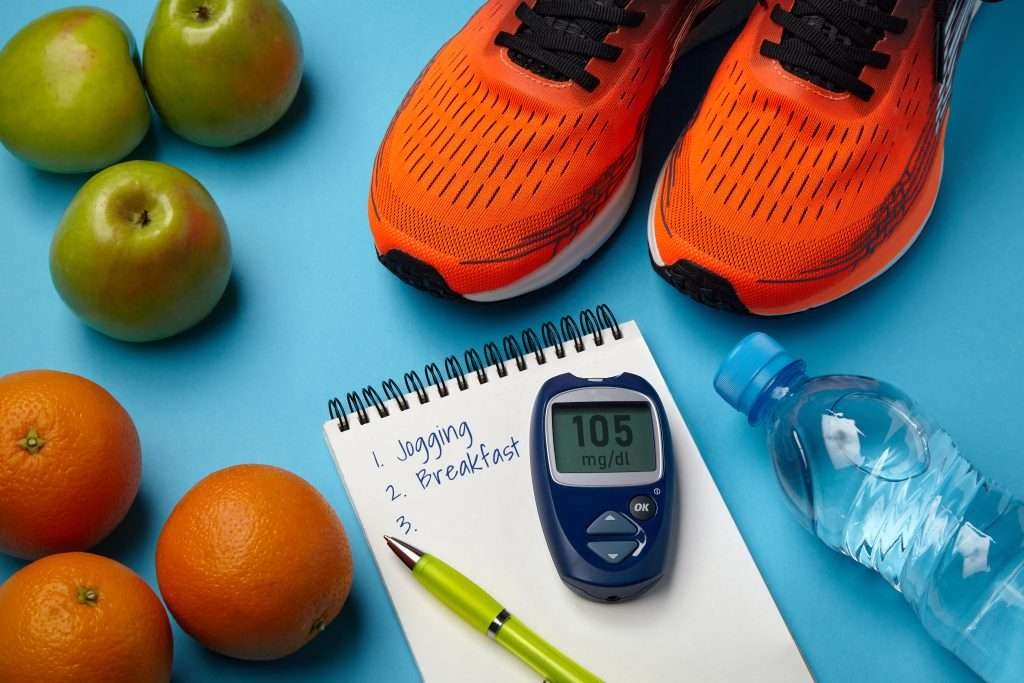
Creating a structured plan is essential to manage diabetes with exercise effectively. A well-rounded weekly exercise plan that blends aerobic, resistance, and low-impact activities can help regulate blood sugar while improving overall health. Here’s a sample workout schedule designed for individuals at various fitness levels.
Weekly Plan Example
Monday: 30-minute brisk walk (aerobic)
Tuesday: 20 minutes of resistance training (bodyweight exercises or light weights)
Wednesday: Yoga or stretching for 30 minutes (low-impact)
Thursday: 30-minute cycling session (aerobic)
Friday: 20 minutes of resistance training (resistance bands or weight machines)
Saturday: Tai chi or another low-impact workout for 30 minutes
Sunday: Rest day or gentle stretching
This plan balances intensity and recovery, ensuring you safely manage diabetes with exercise while minimizing the risk of overexertion.
Adjusting for Fitness Levels
- Beginners: Start with shorter sessions, such as 10-15 minutes per activity, and gradually increase duration and intensity as you gain confidence. For example, replace brisk walks with a slower pace and fewer resistance exercises.
- Advanced individuals: Add more challenging variations, such as interval training for aerobic exercises or heavier weights for resistance training. Advanced practitioners might also increase workout days to six per week.
Tailoring the plan to your fitness level helps you stay motivated and manage diabetes with exercise that fits your needs.
Tracking Progress
Monitoring your exercise routine is crucial for staying on track and understanding its impact on blood sugar levels.
- Keep a journal to record your workouts, energy levels, and glucose readings.
- Note any patterns, such as how specific activities influence your blood sugar.
- Adjust your plan as needed, incorporating new activities or increasing intensity over time.
By following a balanced weekly exercise plan, making adjustments for your fitness level, and tracking your progress, you can confidently manage diabetes with exercise. This structured approach not only keeps you consistent but also ensures lasting benefits for your health. In the next section, we’ll explore additional lifestyle considerations to complement your exercise routine.
Additional Lifestyle Considerations

To manage diabetes with exercise effectively, it’s essential to support your fitness routine with healthy lifestyle choices. By combining a balanced diet, proper hydration, rest, and stress management, you can enhance your results and maintain stable blood sugar levels.
Balanced Diet
Nutrition and exercise go hand in hand when managing diabetes.
- Pre-workout snacks: Opt for a small, balanced snack like a banana with peanut butter to prevent low blood sugar during workouts.
- Post-workout meals: Combine lean protein (like grilled chicken) with complex carbs (such as quinoa) to refuel your body and stabilize glucose levels.
- Meal timing: Eat at consistent times to sync with your exercise schedule and medication.
A balanced diet supports energy levels and complements your efforts to manage diabetes with exercise.
Hydration and Rest
Staying hydrated and getting enough rest are vital for blood sugar control and recovery.
- Hydration: Drink water throughout the day, especially before, during, and after exercise. Dehydration can lead to blood sugar spikes, so aim for at least 8 glasses daily.
- Rest: Prioritize 7-9 hours of quality sleep per night. Rest allows your muscles to recover, prevents fatigue, and keeps hormones like insulin functioning optimally.
Stress Management
Stress can disrupt blood sugar levels and hinder your exercise goals. Incorporating relaxation techniques is an important part of managing diabetes.
- Meditation or deep breathing: These activities reduce cortisol levels, which can help keep blood sugar in check.
- Hobbies or downtime: Take breaks to unwind and engage in enjoyable activities.
By managing stress, you’ll not only feel better emotionally but also enhance the effectiveness of your diabetes management routine.
Supporting exercise with proper nutrition, hydration, rest, and relaxation ensures you can sustain a healthy and active lifestyle while maintaining control over your diabetes.
Conclusion and Encouragement
Managing diabetes with exercise is one of the most empowering steps you can take for your health. By incorporating aerobic, resistance, and low-impact workouts into your routine, monitoring your blood sugar, and pairing exercise with a balanced lifestyle, you can make a lasting impact on your well-being.
Start small by setting achievable goals, choosing activities you enjoy, and integrating movement into your daily life. Remember, safety comes first—consult a healthcare provider to tailor a plan that fits your needs and abilities.
Take the first step today. Whether it’s a short walk or a gentle yoga session, every bit of movement counts. With consistency, patience, and the right support, you’ll master how to manage diabetes with exercise and feel stronger and more confident along the way.
Frequently Asked Questions
1. How does exercise help manage diabetes?
Exercise plays a crucial role in managing diabetes by improving insulin sensitivity and helping the body regulate blood sugar levels more effectively. Physical activity encourages muscles to use glucose for energy, reducing blood sugar in the process. Regular workouts also promote weight management, improve cardiovascular health, and enhance overall well-being. If you’re wondering how to manage diabetes with exercise, it starts with incorporating activities like walking, resistance training, or yoga into your routine.
2. What are the best types of exercise for diabetes management?
The best exercises for managing diabetes are aerobic activities, resistance training, and low-impact workouts. Aerobic exercises, such as walking, swimming, and cycling, are great for improving cardiovascular health and reducing blood sugar. Resistance training, like weightlifting or using resistance bands, builds muscle, which helps the body store and use glucose efficiently. Low-impact exercises, such as yoga and tai chi, are ideal for improving flexibility and reducing stress. A combination of these activities is the most effective way to manage diabetes with exercise.
3. How often should I exercise to control diabetes?
The American Diabetes Association recommends at least 150 minutes of moderate aerobic exercise per week, which can be divided into 30-minute sessions, five days a week. Adding resistance training twice a week is also beneficial. However, the key to managing diabetes with exercise is consistency. Even shorter, more frequent sessions can help if your schedule is tight.
4. Can exercise cause low blood sugar?
Yes, exercise can lead to hypoglycemia (low blood sugar), especially for individuals using insulin or certain medications. To manage diabetes with exercise safely, monitor your blood sugar before, during, and after workouts. Carry fast-acting carbohydrates, like glucose tablets or juice, to treat low blood sugar if it occurs. Consulting a healthcare provider about adjusting insulin or meal timing can also help.
5. Do I need to consult a doctor before starting an exercise routine?
Absolutely. Before starting any fitness program, it’s important to consult your healthcare provider, especially if you have diabetes. A doctor can help you design a safe and effective exercise plan tailored to your needs. They can also advise on how to manage blood sugar fluctuations during exercise.
6. Can I manage type 2 diabetes solely with exercise?
While exercise is a powerful tool for managing type 2 diabetes, it works best when combined with a balanced diet, proper hydration, and, if necessary, medication. Regular physical activity can significantly reduce blood sugar levels, improve insulin sensitivity, and even delay disease progression.
By understanding how to manage diabetes with exercise, you can take charge of your health and enjoy long-lasting benefits.