Introduction : How to Maintain a Balanced Diet with Diabetes
Managing diabetes goes beyond monitoring blood sugar levels—it’s a lifestyle commitment where maintaining a balanced diet plays a crucial role. A well-planned diet helps regulate blood sugar, supports overall health, and reduces the risk of complications like heart disease or nerve damage. Whether you’re living with type 1, type 2, or gestational diabetes, the right dietary choices can empower you to live a healthier, more active life.
In this guide, we’ll explore practical strategies for crafting a balanced diet with diabetes, including the importance of macronutrients, portion control, and the benefits of low-glycemic-index foods. You’ll discover tips for meal prepping, a list of diabetic-friendly foods, and even a sample meal plan to inspire your daily choices.
By the end of this article, you’ll have the tools to confidently manage your diet, ensuring it aligns with your health goals and lifestyle. Ready to take control? Let’s dive in!
Understanding a Balanced Diet for Diabetes
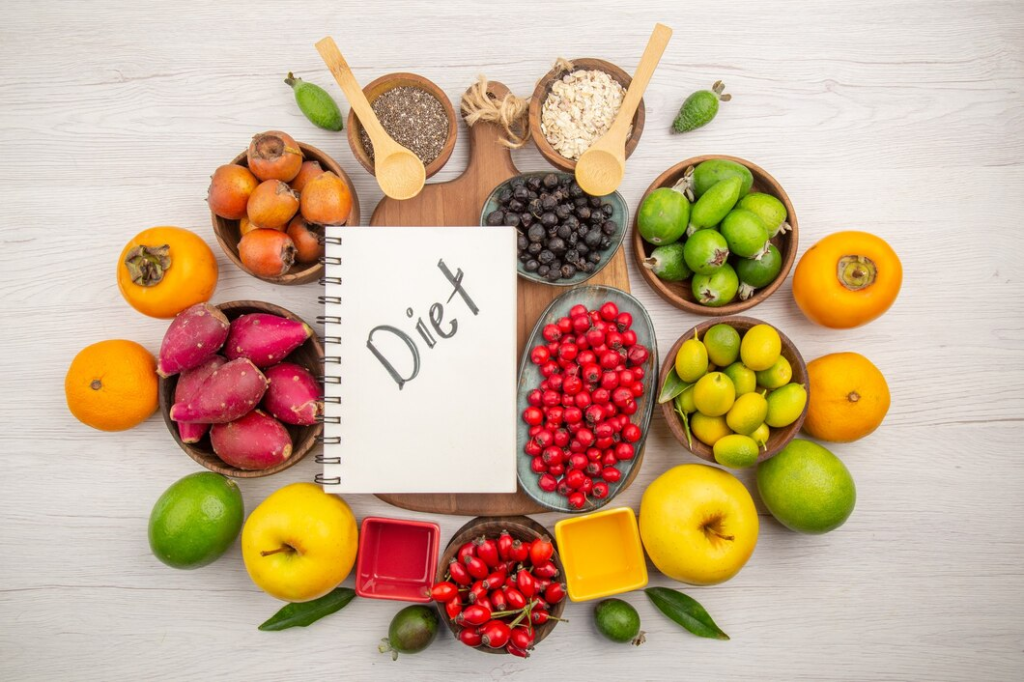
A balanced diet with diabetes requires an understanding of how different nutrients impact your blood sugar levels and overall health. By focusing on the right proportions of carbohydrates, proteins, fats, and fiber, you can create meals that support stable energy and optimal blood sugar control. Let’s break down the key components of a balanced diet for diabetes.
Carbohydrates: The Energy Source
Carbohydrates are your body’s primary energy source, but they have the most significant impact on blood sugar levels. When you consume carbs, your body breaks them down into glucose, which enters your bloodstream. Managing this process is vital for a balanced diet with diabetes.
- Choose complex carbohydrates like whole grains, legumes, and non-starchy vegetables.
- Limit simple sugars and refined carbs, which cause rapid blood sugar spikes.
- Pair carbs with protein or healthy fats to slow glucose absorption.
Proteins: Building Blocks for Health
Protein is essential for muscle maintenance, tissue repair, and satiety. Including lean protein sources in your meals can help balance blood sugar levels by preventing spikes after eating.
- Opt for lean meats, fish, eggs, tofu, or low-fat dairy.
- Combine protein with carbohydrates to create a more balanced meal for diabetes management.
Fats: Healthy vs. Unhealthy
Fats are a vital part of a balanced diet with diabetes, but the type of fat you consume matters.
- Healthy fats: Found in avocados, nuts, seeds, and olive oil, these fats support heart health and provide lasting energy.
- Unhealthy fats: Avoid trans fats and limit saturated fats, as these can increase the risk of heart disease.
Fiber and Low-GI Foods
Fiber plays a critical role in a balanced diet with diabetes. It helps stabilize blood sugar by slowing digestion and glucose absorption. Foods rich in fiber also keep you full longer, aiding in weight management.
- Focus on non-starchy vegetables, whole grains, and legumes.
- Incorporate low-glycemic-index (GI) foods, such as berries, apples, and sweet potatoes, which release glucose slowly into the bloodstream.
Hydration: The Unsung Hero
Staying hydrated is an often-overlooked part of a balanced diet with diabetes. Proper hydration supports overall metabolism, aids digestion, and helps maintain stable blood sugar levels.
- Aim for at least 8 glasses of water a day.
- Avoid sugary drinks, which can cause blood sugar spikes.
By understanding the roles of these macronutrients and incorporating fiber, low-GI foods, and hydration into your routine, you’ll be well on your way to maintaining a balanced diet with diabetes.
Key Components of a Diabetic Meal Plan

A well-structured diabetic meal plan is essential for maintaining steady blood sugar levels and achieving overall wellness. It’s not just about what you eat but also when and how much you eat. Let’s explore the critical elements of a meal plan that supports a balanced diet with diabetes.
Meal Timing and Portion Control
Consistency is key to managing blood sugar levels. Eating at regular intervals prevents large fluctuations in glucose and helps your body use insulin more effectively.
- Timing: Aim to eat meals and snacks at consistent times daily. This can help avoid extreme highs and lows in blood sugar.
- Portion Control: Keep portions balanced to avoid overeating. Use tools like a food scale or visual guides (e.g., a plate method: half non-starchy vegetables, a quarter lean protein, and a quarter healthy carbs).
- Smaller, balanced meals throughout the day can provide steady energy and support a balanced diet with diabetes.
Carbohydrate Counting
Carbohydrates have the most immediate effect on blood sugar, making it essential to track their intake. Carbohydrate counting helps you estimate how much insulin your body will need to process the glucose.
- Step 1: Learn how many grams of carbs are in common foods. Nutrition labels and apps can help.
- Step 2: Work with your healthcare provider to determine your daily carb limit.
- Step 3: Distribute carbs evenly across meals and snacks to maintain stable blood sugar levels. For example, if your target is 150 grams per day, aim for 45-60 grams per meal.
By practicing carb counting, you can enjoy a variety of foods while maintaining a balanced diet with diabetes.
Choosing the Right Proteins and Fats
Proteins and fats are essential for providing satiety and supporting overall health. Including the right types in your meal plan helps keep blood sugar levels steady.
- Lean Proteins: Include options like skinless chicken, turkey, fish, eggs, tofu, and low-fat dairy. These choices pair well with carbs to slow glucose absorption.
- Healthy Fats: Add avocado, olive oil, nuts, seeds, and fatty fish like salmon. These fats support heart health and help reduce inflammation. Avoid trans fats and limit saturated fats from processed foods and fatty cuts of meat.
By focusing on meal timing, portion control, carbohydrate counting, and selecting high-quality proteins and fats, you’ll be taking significant steps toward creating a balanced diet with diabetes. These strategies make it easier to manage blood sugar effectively while enjoying a variety of delicious and satisfying meals.
Best Foods to Include in Your Diet

When learning how to maintain a balanced diet with diabetes, it’s important to focus on foods that nourish your body while keeping your blood sugar levels stable. Choosing diabetic-friendly foods not only supports blood sugar control but also enhances overall health. Here are some of the best options to include in your diet.
Diabetic-Friendly Foods
The foundation of a balanced diet with diabetes includes nutrient-dense options that provide steady energy.
- Whole Grains: Swap refined grains for whole grains like quinoa, brown rice, oats, and barley. These are high in fiber and have a lower glycemic index (GI), helping to manage blood sugar levels.
- Non-Starchy Vegetables: Fill half your plate with veggies like spinach, broccoli, cauliflower, zucchini, and bell peppers. They’re low in calories and carbs but rich in vitamins, minerals, and fiber.
- Lean Proteins: Incorporate chicken breast, turkey, fish, tofu, eggs, or low-fat dairy products. These help maintain muscle mass and keep you full longer.
- Low-GI Fruits: Choose fruits such as berries, apples, cherries, and citrus fruits. These provide natural sweetness without causing sharp blood sugar spikes.
Including these foods regularly is a cornerstone of how to maintain a balanced diet with diabetes.
Healthy Fats
Fats play an important role in energy balance and heart health, but the type of fat matters. Focus on healthy fats that are beneficial for your overall well-being.
- Avocados: A rich source of monounsaturated fats that support heart health.
- Nuts and Seeds: Almonds, walnuts, chia seeds, and flaxseeds are excellent options for snacking or adding to meals.
- Olive Oil: A staple in Mediterranean diets, olive oil is a great choice for cooking or drizzling over salads.
These healthy fats are an essential part of a balanced diet with diabetes and can help you feel satisfied between meals.
Snack Ideas
Snacking can be a part of your strategy for how to maintain a balanced diet with diabetes if you choose wisely. Aim for snacks that balance carbs, protein, and fats.
- Greek Yogurt with Berries: A low-sugar option that combines protein and antioxidants.
- Veggie Sticks with Hummus: A fiber-rich and low-GI choice.
- Handful of Nuts: Provides healthy fats and protein in a portable option.
- Apple Slices with Peanut Butter: A mix of natural sweetness and healthy fat for a satisfying snack.
By prioritizing these diabetic-friendly foods, healthy fats, and snack ideas, you can create meals and snacks that support stable blood sugar levels and overall health. Incorporating these options daily is a key part of how to maintain a balanced diet with diabetes and enjoy a variety of delicious, nutritious foods.
Foods to Limit or Avoid

Understanding which foods to limit is an essential part of how to maintain a balanced diet with diabetes. Some foods can cause rapid blood sugar spikes or contribute to long-term complications if consumed frequently. By identifying and managing these foods, you can take control of your diet and support your health goals.
High-Sugar Foods
Sugary foods and drinks are among the biggest contributors to unstable blood sugar levels. They provide empty calories with little nutritional value.
- Examples: Soft drinks, fruit juices with added sugar, desserts like cakes and cookies, candies, and sugary cereals.
- Why Avoid? These foods are quickly absorbed, causing rapid spikes in blood glucose levels, making it harder to maintain stability.
Reducing high-sugar foods is crucial for how to maintain a balanced diet with diabetes while still enjoying occasional treats in moderation.
Refined Carbs and Processed Snacks
Refined carbohydrates, like white bread, white rice, and processed snacks, lack fiber and essential nutrients.
- Why They’re Harmful: Without fiber, these foods break down quickly in the body, leading to sharp increases in blood sugar levels.
- Common Processed Snacks: Chips, crackers, pastries, and sugary granola bars often contain hidden sugars and unhealthy fats, which can derail blood sugar control.
To stick to how to maintain a balanced diet with diabetes, choose whole-grain or fiber-rich alternatives instead of refined or processed options.
Craving Management
Managing cravings is essential to avoid overindulging in sugary or processed foods. Here are some tips:
- Stay Hydrated: Thirst is often mistaken for hunger or sugar cravings. Drink water before reaching for a snack.
- Eat Balanced Meals: Ensure your meals include protein, fiber, and healthy fats to keep you full and reduce cravings.
- Opt for Healthy Alternatives: Satisfy a sweet tooth with low-GI fruits like berries or a piece of dark chocolate.
- Practice Mindful Eating: Slow down, savor your meals, and avoid eating out of boredom or stress.
By limiting high-sugar foods, refined carbs, and processed snacks, and managing cravings wisely, you’ll build a foundation for how to maintain a balanced diet with diabetes that supports stable blood sugar levels and long-term health.
Practical Tips for Meal Planning and Prep

Planning and preparing meals ahead of time is one of the most effective ways to manage blood sugar levels and stick to a healthy routine. By meal prepping, you can save time, control portions, and ensure you’re following how to maintain a balanced diet with diabetes.
Benefits of Meal Prepping
Meal prepping makes it easier to stay consistent with your dietary goals.
- Time-Saving: Pre-cooked meals or prepped ingredients reduce the time spent cooking daily.
- Portion Control: Pre-measured portions prevent overeating, which is key to keeping blood sugar levels stable.
- Balanced Nutrition: Planning ensures your meals include the right mix of carbohydrates, proteins, and healthy fats, all essential for a balanced diet with diabetes.
Sample One-Day Meal Plan
Here’s a simple example of a balanced, diabetes-friendly meal plan:
Breakfast:
- Scrambled eggs with spinach and a slice of whole-grain toast.
- Half an avocado and a handful of berries.
Snack:
- Greek yogurt with a tablespoon of chia seeds.
Lunch:
- Grilled chicken breast with quinoa and steamed broccoli.
- Drizzle of olive oil for healthy fats.
Snack:
- Apple slices with a tablespoon of almond butter.
Dinner:
- Baked salmon with roasted Brussels sprouts and a side of mashed sweet potatoes.
This plan provides a mix of nutrients and focuses on low-glycemic-index options, perfect for how to maintain a balanced diet with diabetes.
Budget-Friendly Tips
Eating healthy doesn’t have to be expensive. Here are some cost-saving strategies:
- Shop Seasonal Produce: Seasonal fruits and vegetables are often cheaper and fresher.
- Buy in Bulk: Stock up on staples like whole grains, legumes, and nuts to save money.
- Use Frozen Options: Frozen fruits and vegetables are affordable, nutritious, and have a long shelf life.
- Plan Meals Around Sales: Check store ads and plan your meals around discounted items.
- Cook in Batches: Preparing meals in bulk reduces waste and saves money on groceries.
By incorporating these meal planning and prepping strategies, you can simplify your daily routine while following how to maintain a balanced diet with diabetes. Proper planning not only saves time and money but also ensures your meals are tailored to support stable blood sugar levels and overall health.
Additional Lifestyle Considerations

A well-rounded approach to managing diabetes extends beyond diet. Incorporating exercise, managing stress, and monitoring blood sugar levels are vital components of overall wellness. These practices complement the principles of how to maintain a balanced diet with diabetes and can enhance your health outcomes.
Exercise
Physical activity is a powerful tool for managing diabetes. Regular exercise helps lower blood sugar levels by increasing insulin sensitivity and allowing your muscles to use glucose more effectively.
- Aim for at least 150 minutes of moderate activity per week, such as walking, cycling, or swimming.
- Pair exercise with your diet to maintain stable blood sugar levels, such as eating a balanced meal before a workout.
Exercise not only complements a balanced diet with diabetes but also supports weight management and improves mood.
Stress Management
Stress can significantly impact blood sugar levels and eating habits. Elevated stress hormones like cortisol may lead to increased glucose production and unhealthy food choices.
- Practice Relaxation Techniques: Activities like yoga, meditation, or deep breathing can help reduce stress.
- Set Realistic Goals: Avoid overwhelming yourself by taking small, manageable steps in your diet and lifestyle changes.
By managing stress effectively, you can stay on track with how to maintain a balanced diet with diabetes without emotional eating or inconsistent meal patterns.
Blood Sugar Monitoring
Regular monitoring is essential for understanding how your diet and lifestyle affect your blood sugar levels.
- Track Patterns: Use a glucose monitor to observe how meals and activities impact your levels.
- Adjust Accordingly: If a certain food consistently causes spikes, consider substituting it with a healthier option.
Blood sugar tracking ensures your dietary choices align with your body’s needs, reinforcing the principles of a balanced diet.
Conclusion and Key Takeaways
Maintaining a balanced diet with diabetes involves choosing nutrient-rich foods, practicing portion control, and pairing meals with consistent exercise and stress management. Planning meals, staying hydrated, and monitoring blood sugar levels are crucial steps in this journey.
Hope you’ve found the answer to your question, how to maintain a balanced diet with Diabetes. While these strategies provide a strong foundation, every individual is different. For personalized guidance, consult your healthcare provider or a registered dietitian. By combining these practices, you can take control of your diabetes and lead a healthier, more balanced life.
Frequently Asked Questions
1. What is the best way to maintain a balanced diet with diabetes?
The key to maintaining a balanced diet with diabetes is choosing nutrient-dense foods, controlling portion sizes, and eating meals at consistent times. Focus on whole grains, lean proteins, healthy fats, non-starchy vegetables, and low-glycemic-index fruits. Avoid processed and high-sugar foods, and stay hydrated throughout the day.
2. How can I manage cravings for sugary foods?
Managing sugar cravings starts with eating balanced meals that include protein, fiber, and healthy fats to keep you full and satisfied. Stay hydrated, as dehydration can sometimes be mistaken for hunger. Opt for naturally sweet, low-GI fruits like berries or apples to satisfy a sweet tooth. Mindful eating practices and reducing stress can also help curb cravings.
3. How does exercise affect my blood sugar levels?
Exercise helps lower blood sugar levels by improving your body’s insulin sensitivity and allowing muscles to use glucose more effectively. Combining regular physical activity with a balanced diet is an effective strategy for managing diabetes. It’s important to monitor your blood sugar levels before and after exercise to avoid extreme highs or lows.
4. Is meal prepping necessary for a balanced diet with diabetes?
Meal prepping isn’t mandatory, but it’s highly beneficial. Preparing meals in advance ensures portion control, saves time during the week, and helps you stick to healthy eating habits. It’s a practical way to maintain a balanced diet with diabetes, especially if you have a busy schedule.
5. What foods should I avoid as part of my diabetes management?
Limit high-sugar foods (like sodas, candies, and desserts) and refined carbs (such as white bread and pastries). Processed snacks and trans fats should also be avoided. These foods can cause blood sugar spikes and increase the risk of complications.
These tips provide clarity on common questions about maintaining a balanced diet with diabetes and help guide healthier choices.