Introduction
As we age, maintaining our health becomes even more critical, especially when it comes to preventing chronic conditions like diabetes. The question of how to avoid diabetes in old age is one that many seniors and their caregivers frequently ask—and for good reason.
Diabetes, particularly type 2 diabetes, is increasingly common among older adults. According to the CDC, over 25% of individuals aged 65 and older have diabetes, with many more at risk due to prediabetes. This chronic condition can lead to serious complications, including vision loss, kidney disease, and heart problems, all of which can significantly impact the quality of life.
However, the good news is that diabetes is often preventable, even in old age. By adopting healthy habits and making thoughtful lifestyle changes, seniors can reduce their risk and enjoy a more active and independent life. This article will explore evidence-based strategies, such as diet, exercise, and regular health monitoring, to show you how to avoid diabetes in old age.
So, whether you’re a senior looking to take charge of your health or a caregiver wanting to support an elderly loved one, these tips will empower you to make informed decisions for a healthier future.
Understanding Diabetes Risk in Older Adults
As we age, our bodies undergo several changes that can increase the risk of developing diabetes. Understanding these factors is crucial for learning how to avoid diabetes in old age and taking proactive steps to stay healthy.
Age-Related Changes Increasing Diabetes Risk
One of the main reasons older adults face a higher risk of diabetes is the natural decline in insulin sensitivity. Over time, the body becomes less efficient at processing glucose, which can lead to higher blood sugar levels.
In addition to this, aging often brings a slower metabolism, making it easier to gain weight. Excess weight, especially around the abdomen, further reduces insulin effectiveness, creating a cycle that elevates diabetes risk. These changes are natural but not inevitable, as lifestyle interventions can help mitigate their impact.
Common Risk Factors
Genetics
A family history of diabetes can significantly increase your chances of developing the condition. While genetics cannot be changed, knowing your family medical history can help you take preventive action early.
Lifestyle Factors
An inactive lifestyle, combined with a diet high in processed foods and sugars, is a major contributor to diabetes in older adults. High stress levels can also raise blood sugar through the release of stress hormones like cortisol.
Other Health Conditions
Hypertension (high blood pressure) and high cholesterol are often linked to diabetes. These conditions strain the cardiovascular system, increasing the likelihood of developing insulin resistance.
By recognizing these risk factors, you can make informed decisions about how to avoid diabetes in old age. The next sections will outline practical ways to counteract these risks through diet, exercise, and other lifestyle changes.
Dietary Strategies for Diabetes Prevention

When exploring how to avoid diabetes in old age, diet plays a central role. What you eat not only fuels your body but also determines your long-term health, including your risk of developing diabetes.
The Importance of a Balanced Diet
A balanced diet is essential for maintaining steady blood sugar levels and reducing the likelihood of diabetes. For seniors, this means focusing on foods that provide sustained energy and essential nutrients.
- Fiber-Rich Foods: Whole grains, vegetables, and legumes are excellent sources of fiber, which helps regulate blood sugar and supports digestive health.
- Healthy Fats and Lean Proteins: Incorporate foods like avocados, nuts, seeds, and lean meats to promote heart health and satiety without spiking blood sugar levels.
- Limit Processed Foods and Sugars: Processed foods and sugary snacks lead to rapid blood sugar spikes and weight gain, increasing diabetes risk.
Senior-Specific Food Recommendations
Seniors have unique dietary needs, so choosing nutrient-dense options is key to learning how to avoid diabetes in old age.
- Fatty Fish: Salmon, mackerel, and sardines provide omega-3 fatty acids that support heart and metabolic health.
- Nuts and Seeds: Almonds, walnuts, and chia seeds are rich in healthy fats and protein, helping to stabilize blood sugar.
- Leafy Greens: Spinach, kale, and collards are packed with vitamins and minerals that promote glucose regulation.
- Legumes: Beans and lentils are high in fiber and protein, making them ideal for managing blood sugar levels.
- Berries: Blueberries and strawberries offer antioxidants and a natural sweetness without excessive sugar.
Practical Eating Tips
Healthy eating is about more than food choices—it’s also about how you eat.
- Portion Control: Use smaller plates and bowls to help manage portion sizes and avoid overeating.
- Mindful Eating: Slow down during meals and savor your food, paying attention to hunger and fullness cues.
- Stay Hydrated: Drinking plenty of water supports your metabolism and helps control appetite.
By adopting these dietary habits, you can effectively manage your weight and blood sugar, reducing the chances of developing diabetes. Combined with other lifestyle strategies, a nutritious diet is a powerful tool in your journey to learn how to avoid diabetes in old age.
The Role of Exercise in Preventing Diabetes

Physical activity is one of the most effective strategies for managing weight, improving health, and reducing the risk of chronic conditions like diabetes. Incorporating regular exercise is key when exploring how to avoid diabetes in old age.
Benefits of Physical Activity
Exercise offers numerous benefits for seniors, especially in preventing diabetes:
- Improves Insulin Sensitivity: Physical activity helps your cells respond better to insulin, lowering blood sugar levels and reducing the likelihood of insulin resistance.
- Lowers Blood Sugar: Exercise uses glucose as energy, which helps maintain stable blood sugar levels.
- Reduces Obesity: By burning calories and building muscle, exercise supports weight loss or maintenance, both of which are critical for diabetes prevention.
- Promotes Cardiovascular Health: Activities that increase your heart rate improve blood flow, reducing the risk of diabetes-related complications like heart disease.
These benefits highlight why staying active is a vital part of how to avoid diabetes in old age.
Senior-Friendly Exercises
Seniors often face mobility or health challenges, but there are many safe, effective exercises designed for older adults.
Low-Impact Options
- Walking: A simple, accessible activity that improves circulation, aids weight management, and enhances overall health. Aim for 30 minutes most days.
- Swimming: A joint-friendly option that improves cardiovascular fitness and muscle strength without putting pressure on the joints.
Strength Training
Building muscle helps the body use glucose more effectively, reducing diabetes risk.
- Resistance Bands: Easy to use at home, they provide gentle yet effective strength training.
- Light Weights: Small dumbbells help improve muscle tone and bone density, which are essential for healthy aging.
Flexibility and Balance
- Yoga: Combines strength, flexibility, and mindfulness, helping to lower stress and improve physical health.
- Tai Chi: A low-intensity practice that enhances balance, flexibility, and mental clarity, reducing fall risk.
Getting Started
Begin with activities you enjoy and gradually increase intensity. Consult your doctor before starting a new exercise routine, especially if you have existing health conditions.
Regular exercise not only keeps you active and independent but also plays a crucial role in how to avoid diabetes in old age. By staying consistent, you can significantly lower your risk and improve your overall well-being.
Weight Management and Diabetes Prevention
Maintaining a healthy weight is one of the most impactful ways to lower your risk of diabetes. For older adults aiming to learn how to avoid diabetes in old age, effective weight management can improve insulin sensitivity, prevent metabolic issues, and enhance overall health.
Why Weight Management Is Critical
Excess weight, particularly around the abdomen, increases the risk of insulin resistance—a condition where your body struggles to use insulin effectively. When insulin resistance occurs, blood sugar levels rise, paving the way for type 2 diabetes.
Losing even a small amount of weight, as little as 5-7% of your body weight, can significantly improve insulin sensitivity. This improvement reduces the strain on your body and lowers the risk of complications associated with diabetes.
Practical Tips for Seniors
Set Realistic Weight Goals
Start with small, achievable goals that align with your health status. Instead of focusing on drastic weight loss, aim for gradual progress to ensure sustainable results.
Incorporate Meal Planning
Plan balanced meals that emphasize nutrient-dense foods like vegetables, lean proteins, and healthy fats. Meal planning helps avoid unhealthy last-minute choices and keeps portion sizes in check.
Engage in Low-Impact Workouts
Combine light cardio with strength training to build muscle and burn calories. Activities like walking, swimming, or yoga are gentle yet effective for seniors and help maintain a healthy metabolism.
Use Smaller Plates to Manage Portions
Portion control is essential for weight management. Using smaller plates and bowls can help you eat appropriate portions without feeling deprived. Additionally, savor your meals by eating slowly and mindfully to avoid overeating.
Weight management isn’t just about aesthetics—it’s a vital strategy for preventing chronic diseases. By keeping your weight in a healthy range, you can improve insulin function, support your cardiovascular system, and reduce inflammation.
Incorporating these practical tips into your daily routine makes how to avoid diabetes in old age an achievable goal. Small, consistent changes can lead to big health benefits, allowing you to enjoy a more active and fulfilling life as you age.
Monitoring and Regular Health Checkups
Regular health monitoring is an essential part of how to avoid diabetes in old age. Early detection and consistent tracking of key health metrics can help prevent diabetes or catch it in its earliest, most manageable stages.
Importance of Health Monitoring

Keeping an eye on your health allows you to spot potential issues before they become major problems. For older adults, regular tracking of the following metrics is particularly crucial:
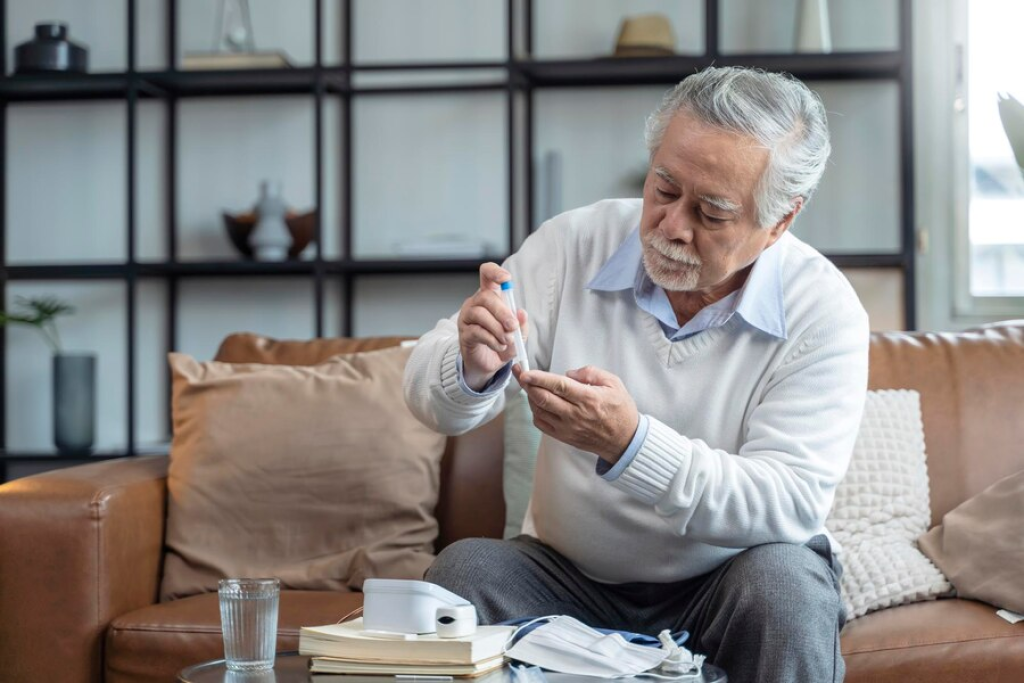
- Blood Sugar Levels: Monitoring fasting glucose or using tools like a glucometer can help you identify early signs of high blood sugar or pre-diabetes.
- Cholesterol Levels: High cholesterol can lead to insulin resistance and other diabetes-related complications. Maintaining healthy cholesterol levels supports overall metabolic health.
- Body Mass Index (BMI): Tracking BMI helps ensure your weight stays within a healthy range, reducing the strain on your body and lowering diabetes risk.
Routine monitoring empowers you to make timely adjustments to your diet, exercise routine, or medications under the guidance of your healthcare provider.
Screening and Early Intervention
Annual checkups are a vital step in how to avoid diabetes in old age. During these visits, your doctor can conduct screenings to detect risk factors early, such as:
- Blood Tests for Pre-Diabetes: Tests like HbA1c or oral glucose tolerance tests can identify elevated blood sugar levels before they progress to diabetes.
- Blood Pressure Checks: High blood pressure is a common co-condition with diabetes, and keeping it in check can reduce overall health risks.
- Weight and Waist Measurements: Tracking these can help identify unhealthy trends that might contribute to diabetes.
If pre-diabetes is detected, early intervention strategies, including lifestyle changes and medication when necessary, can significantly reduce your risk of developing full-blown diabetes.
Regular monitoring and health checkups not only provide peace of mind but also keep you informed about your health, enabling you to take charge of your well-being. This proactive approach is a cornerstone of how to avoid diabetes in old age and ensures you stay on track for a healthier future.
Conclusion: Embrace a Diabetes-Free Future in Old Age
Learning how to avoid diabetes in old age is about embracing a proactive and healthy lifestyle. By focusing on a balanced diet rich in fiber, healthy fats, and lean proteins, incorporating regular physical activity, and maintaining a healthy weight, you can significantly reduce your diabetes risk. Regular health checkups and early screenings for pre-diabetes ensure that any potential issues are addressed promptly, while mindful lifestyle habits, like managing stress, improving sleep, and avoiding smoking and excessive alcohol, further strengthen your defenses.
Remember, it’s never too late to make positive changes. Small, consistent steps lead to big health benefits. Whether you’re a senior taking control of your health or a caregiver supporting a loved one, these strategies empower you to enjoy a vibrant and diabetes-free future.
Take charge of your health today, and make every moment of your golden years more fulfilling, active, and joyful. Your efforts will lead to a healthier, happier tomorrow.
Frequently Asked Questions (FAQs)
Q1: Why are older adults at a higher risk for diabetes?
As people age, their bodies undergo changes that can increase diabetes risk. These include a natural decline in insulin sensitivity, slower metabolism, and the likelihood of weight gain. Additionally, other factors such as reduced physical activity, poor dietary choices, and the presence of conditions like hypertension or high cholesterol also contribute to the risk. Understanding these risks is key to learning how to avoid diabetes in old age.
Q2: Can diabetes be prevented even if I have a family history of it?
Yes, diabetes can often be prevented or delayed with proactive measures, even if you have a genetic predisposition. By maintaining a healthy weight, following a balanced diet, exercising regularly, and monitoring your health, you can significantly reduce your risk. Early screenings and lifestyle changes are especially crucial if diabetes runs in your family.
Q3: What types of foods should seniors eat to avoid diabetes in old age?
Seniors should focus on nutrient-dense, fiber-rich foods such as whole grains, leafy greens, legumes, and berries. Healthy fats from sources like avocados, nuts, and fatty fish can also help. Avoid processed foods and sugary snacks, as these can spike blood sugar levels. Portion control and hydration are equally important for managing glucose levels.
Q4: How much exercise is recommended for older adults to prevent diabetes?
The American Diabetes Association recommends at least 150 minutes of moderate-intensity exercise per week for older adults to avoid diabetes in old age. Activities like walking, swimming, yoga, or light strength training are excellent options. If 30 minutes per session feels overwhelming, break it into shorter sessions throughout the day.
Q5: What are the early signs of pre-diabetes in seniors?
Pre-diabetes often has no noticeable symptoms. However, some signs to watch for include increased thirst, frequent urination, fatigue, and unexplained weight changes. Regular health checkups and blood tests, like fasting glucose or HbA1c, are crucial for detecting pre-diabetes early.
Q6: How does stress management help in preventing diabetes?
Chronic stress raises cortisol levels, which can increase blood sugar and insulin resistance. Managing stress through meditation, deep breathing, physical activity, and maintaining a regular sleep schedule helps regulate these hormones, reducing the risk of diabetes.
Q7: Is it safe for seniors to lose weight, and how should they approach it?
Yes, weight loss is safe for seniors when done gradually and under medical supervision. Focus on a balanced diet, portion control, and regular exercise. Avoid crash diets or extreme calorie restrictions, as these can lead to nutrient deficiencies. Even modest weight loss can improve insulin sensitivity and lower diabetes risk.
Q8: How often should seniors get screened for diabetes?
Seniors should have annual screenings for diabetes during their routine health checkups. If pre-diabetes is detected, more frequent monitoring may be required. These screenings typically include fasting glucose, HbA1c, and sometimes an oral glucose tolerance test.
Q9: Does quitting smoking really lower diabetes risk?
Yes, quitting smoking significantly reduces the risk of diabetes. Smoking increases inflammation and insulin resistance, which can lead to higher blood sugar levels. Quitting not only helps prevent diabetes but also improves cardiovascular health and overall well-being.
Q10: Can alcohol consumption increase the risk of diabetes in old age?
Excessive alcohol consumption can raise blood sugar and lead to weight gain, both of which increase diabetes risk. Seniors should limit alcohol intake to one drink per day for women and two for men, opting for low-sugar options like dry wine or light beer.
Q11: Can diabetes prevention strategies also improve overall aging health?
Absolutely! Many strategies for preventing diabetes, such as eating a healthy diet, exercising, managing stress, and avoiding harmful substances, also promote better cardiovascular health, bone strength, and mental well-being. These habits enhance quality of life and support healthy aging.