Introduction
Diabetes is a growing global epidemic, affecting millions of people every year. While its impact can be severe, the good news is that it’s possible to stop diabetes early with the right knowledge and proactive steps. By recognizing the warning signs and understanding your risk factors, you can take control of your health and prevent the onset of this life-changing condition.
Early intervention is key. Many people are unaware that conditions like prediabetes—where blood sugar levels are higher than normal but not yet in the diabetes range—offer a crucial window for prevention. Acting during this phase can help reverse the trajectory toward type 2 diabetes, leading to better health and long-term benefits.
In this guide, you’ll learn practical, science-backed strategies to stop diabetes early. From optimizing your diet and increasing physical activity to managing stress and scheduling regular health checkups, we’ll cover everything you need to know to take charge of your health. Let’s explore the simple yet powerful steps you can take today to reduce your risk and lead a healthier life.
What Does It Mean to Stop Diabetes Early?
Understanding Prediabetes

Prediabetes is a warning sign that your body is heading toward type 2 diabetes. It’s a condition in which blood sugar levels are higher than normal but not high enough to be classified as diabetes. Essentially, prediabetes serves as a red flag, indicating that your body is struggling with insulin resistance or reduced insulin production.
The good news is that prediabetes is reversible. With timely intervention, it’s possible to restore normal blood sugar levels and reduce the risk of developing diabetes. However, if left unaddressed, prediabetes often progresses to type 2 diabetes—a chronic condition that can lead to serious complications like heart disease, nerve damage, and kidney problems.
Recognizing prediabetes is the first step toward prevention. Common risk factors include being overweight, leading a sedentary lifestyle, or having a family history of diabetes. Symptoms are often subtle, making regular health checkups essential. By identifying prediabetes early, you can take decisive steps to stop diabetes early and regain control of your health.
Why Early Intervention Is Key
When it comes to diabetes prevention, early intervention is a game-changer. Lifestyle changes such as adopting a healthier diet, increasing physical activity, and managing stress can dramatically improve blood sugar control and overall health. These adjustments not only help reverse prediabetes but also lower the risk of developing other chronic conditions.
The benefits of acting early are profound. For instance, incorporating regular exercise into your routine boosts insulin sensitivity, making it easier for your body to regulate blood sugar. A balanced diet rich in whole grains, vegetables, and lean proteins helps stabilize glucose levels while reducing inflammation. Together, these changes improve energy levels, weight management, and overall well-being.
Moreover, early intervention reduces the likelihood of long-term complications such as cardiovascular disease or nerve damage. It enhances your quality of life by promoting sustainable, healthy habits. By addressing risk factors head-on, you take a proactive approach to stop diabetes early and set the foundation for a healthier future.
Early action isn’t just about avoiding a diagnosis—it’s about reclaiming your health and empowering yourself to live a longer, more fulfilling life.
Recognizing Risk Factors and Warning Signs
Key Risk Factors for Diabetes
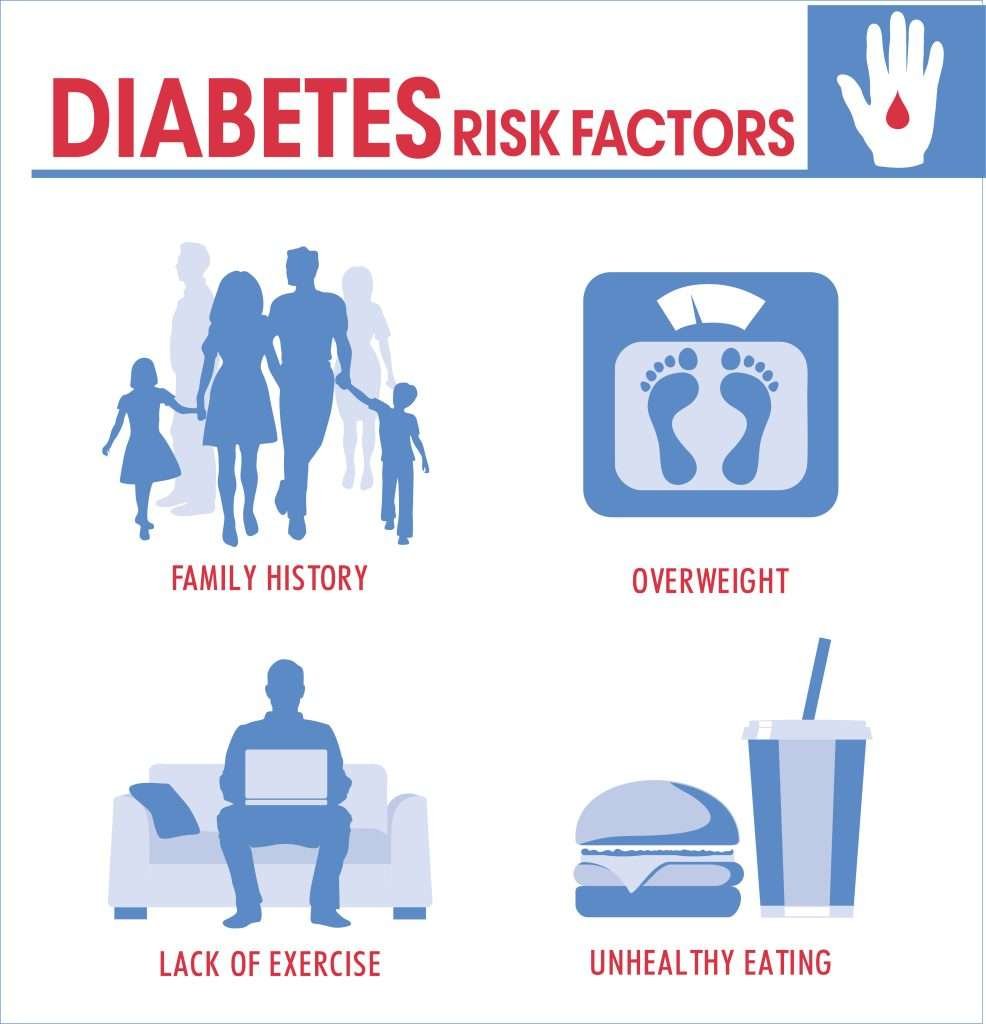
Understanding the risk factors for diabetes is crucial for prevention. Certain factors, such as family history, obesity, and a sedentary lifestyle, significantly increase your likelihood of developing the condition. If you have a parent or sibling with type 2 diabetes, your risk is notably higher due to both genetic and lifestyle influences.
Obesity, especially excess fat around the abdomen, is another major contributor. This type of fat promotes insulin resistance, making it harder for your body to manage blood sugar levels effectively. Coupled with a lack of physical activity, it creates the perfect storm for diabetes development. A poor diet, particularly one high in added sugars and refined carbohydrates, further compounds this risk by causing blood sugar spikes and weight gain.
Age also plays a role, with the risk of type 2 diabetes increasing after the age of 45. However, younger adults aren’t immune—especially those with unhealthy habits or a family history of the disease. Women who experienced gestational diabetes during pregnancy face a higher risk of type 2 diabetes later in life.
Ethnicity is another factor to consider. People of African, Hispanic, Native American, and Asian descent are statistically more likely to develop type 2 diabetes. Recognizing these demographic-specific risks can help you take targeted steps to stop diabetes early.
Early Warning Signs to Watch For
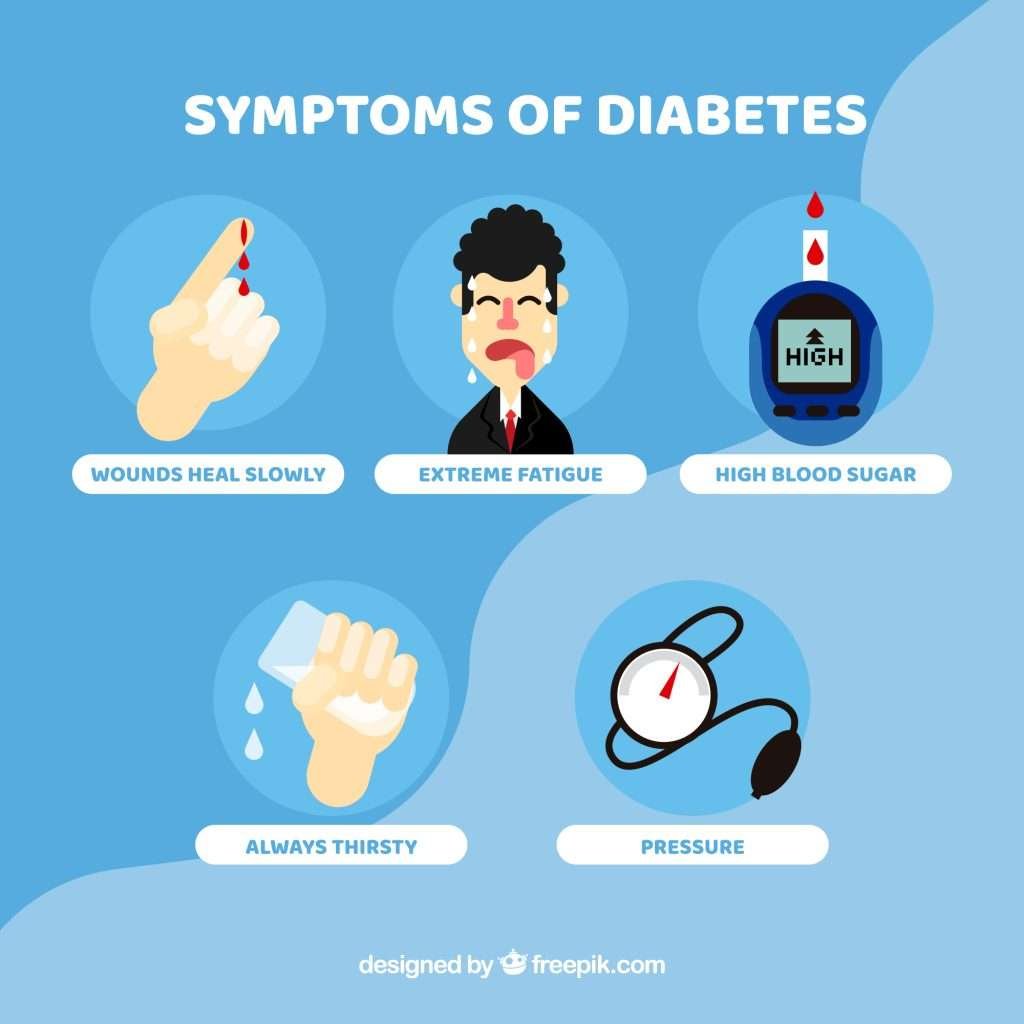
Diabetes often develops silently, but there are warning signs that should not be ignored. Increased thirst and frequent urination are among the earliest indicators. These symptoms occur as your body tries to eliminate excess glucose through urine.
Unexplained weight loss, despite normal or increased appetite, is another red flag. This happens because the body starts breaking down fat and muscle for energy when it can’t use glucose effectively. Persistent fatigue, even after adequate rest, may also signal that your body is struggling to process sugar properly.
If you notice any of these symptoms, it’s essential to consult a healthcare provider promptly. Early detection can lead to timely interventions, giving you the opportunity to stop diabetes early before it progresses to a more serious stage. By staying informed and proactive, you can safeguard your health and prevent long-term complications.
Proven Strategies to Stop Diabetes Early
Optimize Your Diet

A healthy diet is one of the most effective tools to stop diabetes early. Focus on incorporating nutrient-dense, low-glycemic foods that help stabilize blood sugar levels. Low-glycemic foods, such as whole grains, legumes, leafy greens, and non-starchy vegetables, release glucose gradually into the bloodstream, preventing spikes.
Include lean proteins like fish, chicken, eggs, and plant-based options such as tofu and lentils. Healthy fats from sources like avocados, nuts, seeds, and olive oil are also essential for maintaining balanced energy levels and reducing inflammation. Incorporate fiber-rich fruits like berries and apples, which provide sweetness without causing blood sugar surges.
Avoid added sugars and processed foods, as these can lead to rapid glucose spikes and contribute to insulin resistance. Replace sugary beverages with water, herbal tea, or unsweetened options. Opt for whole, minimally processed foods whenever possible. These foods can help you to prevent diabetes naturally.
Sample Meal Plan:
- Breakfast: Greek yogurt with fresh berries, chia seeds, and a sprinkle of nuts.
- Lunch: Grilled chicken salad with mixed greens, avocado, cherry tomatoes, and olive oil dressing.
- Snack: A handful of almonds or carrot sticks with hummus.
- Dinner: Baked salmon with quinoa and steamed broccoli.
- Dessert: A small piece of dark chocolate (70% cacao or higher).
These dietary changes not only help regulate blood sugar but also support weight management and overall health, making it easier to stop diabetes early.
Increase Physical Activity

Regular exercise plays a critical role in enhancing insulin sensitivity and improving blood sugar regulation. Physical activity helps muscles absorb glucose from the bloodstream more effectively, reducing the burden on insulin.
Aim for at least 150 minutes of moderate exercise per week. Walking is an excellent starting point for beginners—it’s low-impact, accessible, and easy to incorporate into daily routines. Strength training, such as using resistance bands or lifting weights, builds muscle, which increases your body’s capacity to utilize glucose.
Yoga and other mind-body exercises, like Pilates, can also help. These activities improve flexibility, balance, and stress management while promoting overall health. For those with busy schedules, even short bursts of activity, like a 10-minute brisk walk after meals, can significantly impact blood sugar levels.
Finding an activity you enjoy is key to sustaining an active lifestyle. Whether it’s dancing, cycling, or swimming, regular movement can help you stop diabetes early while improving energy and mood.
Manage Stress and Sleep
Chronic stress and poor sleep are often overlooked but play significant roles in diabetes risk. Stress triggers the release of cortisol, a hormone that can increase blood sugar levels. Over time, this can contribute to insulin resistance. Additionally, poor sleep disrupts hormonal balance, impacting hunger, metabolism, and glucose regulation.
To manage stress, incorporate relaxation techniques into your daily routine. Deep breathing exercises, meditation, or even a few minutes of mindfulness can help reduce cortisol levels. Physical activities like yoga or tai chi not only improve fitness but also promote relaxation.
Improving sleep hygiene is equally important. Aim for 7–9 hours of quality sleep each night. Create a sleep-conducive environment by keeping your bedroom cool, dark, and quiet. Establish a bedtime routine, such as reading or taking a warm bath, to signal your body that it’s time to wind down. Avoid screens and caffeine before bed, as they can disrupt your natural sleep cycle.
By managing stress and prioritizing sleep, you can lower your risk of diabetes and enhance your overall well-being, helping you stop diabetes early.
Regular Health Checkups

Routine health checkups are vital for monitoring your risk factors and staying ahead of potential problems. Regular blood glucose tests, including fasting blood sugar and HbA1c levels, provide a snapshot of how well your body is managing blood sugar over time.
Annual physicals allow your healthcare provider to assess other critical markers, such as cholesterol, blood pressure, and body weight. These indicators often correlate with diabetes risk and provide opportunities for early intervention.
Preventive care, such as screenings for prediabetes, can identify issues before they develop into more serious conditions. Discuss any symptoms or concerns with your doctor, even if they seem minor. Proactive monitoring and guidance from healthcare professionals are key strategies to stop diabetes early and maintain optimal health.
By combining regular checkups with a proactive lifestyle, you can ensure that you’re doing everything possible to stop diabetes early and enjoy a healthier future.
Real-Life Success Stories and Motivation
The journey to stop diabetes early is not only possible but also empowering, as seen through the stories of people who turned their health around. These real-life examples highlight the transformative power of lifestyle changes.
Maria’s Story
Maria, a 45-year-old mother of two, was diagnosed with prediabetes during a routine checkup. Determined to avoid diabetes, she made small but consistent changes to her lifestyle. She swapped sugary snacks for fruits, added daily walks to her schedule, and joined a local yoga class to manage stress. Within six months, Maria’s blood sugar levels returned to the normal range, and she lost 15 pounds. Today, she feels more energetic and confident, knowing she’s taken control of her health.
John’s Story
John, a 38-year-old office worker, had a family history of diabetes and a sedentary lifestyle. After learning he was at risk, he committed to a healthier routine. He started strength training twice a week, incorporated more vegetables and whole grains into his meals, and set a goal of 10,000 steps a day. Over the course of a year, John not only avoided diabetes but also reduced his cholesterol levels and improved his overall fitness.
These stories show that small, sustainable changes can make a big difference. The benefits extend beyond preventing diabetes—they include increased energy, better sleep, and improved mental well-being.
Let these success stories inspire you. You have the power to stop diabetes early by taking proactive steps today. Whether it’s through diet, exercise, or stress management, the choices you make now can lead to a healthier, more fulfilling future. Take the first step, and your body will thank you for years to come.
Conclusion
Diabetes doesn’t have to be inevitable. By taking proactive steps to stop diabetes early, you can reduce your risk and improve your overall health. Early prevention is key—recognizing the warning signs, understanding your risk factors, and adopting healthy habits can make all the difference. Simple lifestyle changes, such as eating a balanced diet, staying active, managing stress, and getting regular checkups, are powerful tools in preventing diabetes.
The benefits of acting early go beyond avoiding a diagnosis. They include better energy levels, improved mental and physical health, and a longer, more fulfilling life. Whether you’re at risk due to family history, prediabetes, or lifestyle factors, the time to act is now.
Take the first step by assessing your risks. Speak with a healthcare professional to understand your health status and receive personalized guidance. A simple blood sugar test or annual physical can provide valuable insights into your health and help you map out a prevention plan.
You have the power to take control of your health. Start today. Commit to small, sustainable changes, and build a future free from diabetes. Your journey toward prevention begins now—take the first step, and don’t look back.
Frequently Asked Questions (FAQ)
1. What does it mean to stop diabetes early?
Stopping diabetes early means taking proactive measures to prevent the progression from prediabetes to type 2 diabetes. This involves recognizing risk factors, making healthy lifestyle changes, and addressing warning signs before the condition worsens. By focusing on diet, exercise, stress management, and regular health checkups, you can stop diabetes early and significantly reduce the likelihood of complications.
2. Who is at risk of developing diabetes?
Several factors increase the risk of diabetes, including:
- A family history of diabetes.
- Obesity or being overweight.
- A sedentary lifestyle with little physical activity.
- A diet high in processed foods and added sugars.
- Age (risk increases after 45, but younger individuals can also develop diabetes).
- Gestational diabetes during pregnancy.
- Ethnicity (e.g., African, Hispanic, Asian, and Native American populations are at higher risk).
If you have one or more of these risk factors, it’s essential to act now to stop diabetes early.
3. What are the early warning signs of diabetes?
Early warning signs include:
- Increased thirst and frequent urination.
- Unexplained weight loss.
- Persistent fatigue.
- Blurred vision.
- Slow-healing wounds or frequent infections.
If you notice these symptoms, consult a healthcare provider promptly. Early detection allows you to stop diabetes early and take control of your health.
4. How can I optimize my diet to prevent diabetes?
A healthy, balanced diet is essential for preventing diabetes. Focus on eating:
- Low-glycemic foods like whole grains, legumes, and non-starchy vegetables.
- Lean proteins such as fish, chicken, eggs, and plant-based options like tofu.
- Healthy fats from sources like avocados, nuts, and olive oil.
Avoid added sugars, sugary beverages, and processed foods. These dietary changes not only help stabilize blood sugar but also support weight management. By adopting these habits, you can stop diabetes early and promote overall well-being.
5. What role does exercise play in stopping diabetes early?
Regular exercise improves insulin sensitivity, allowing your body to process glucose more effectively. Activities like walking, strength training, yoga, and swimming can help you stay active and healthy. Aim for at least 150 minutes of moderate-intensity exercise per week. Incorporating physical activity into your routine is a proven way to stop diabetes early.
6. Can managing stress and sleep help in diabetes prevention?
Yes, managing stress and getting adequate sleep are crucial for preventing diabetes. Chronic stress raises cortisol levels, which can increase blood sugar and lead to insulin resistance. Poor sleep disrupts hormones that regulate hunger and metabolism, further contributing to diabetes risk. Practices like meditation, deep breathing, and establishing a consistent sleep routine can help reduce these risks and support your efforts to stop diabetes early.
7. Why are regular health checkups important for diabetes prevention?
Routine health checkups allow you to monitor key health indicators such as blood sugar, blood pressure, and cholesterol levels. Early detection of prediabetes or other risk factors can lead to timely intervention. Preventive screenings, like HbA1c tests, are essential for tracking your progress and ensuring you stay on the right path to stop diabetes early.
8. Can diabetes be reversed if caught early?
Yes, prediabetes and early-stage type 2 diabetes can often be reversed through lifestyle changes. By focusing on diet, exercise, stress management, and regular medical monitoring, many individuals have successfully stopped diabetes early and restored normal blood sugar levels.
9. What’s the first step to stopping diabetes early?
The first step is understanding your risk factors and getting a health evaluation. Speak with your healthcare provider about your family history, lifestyle, and any symptoms you may have. A simple blood test can identify prediabetes, giving you a clear starting point to stop diabetes early. From there, work on making sustainable lifestyle changes to improve your health.
10. Can small changes really make a difference in diabetes prevention?
Absolutely! Small, consistent changes in your diet, activity levels, and daily habits can have a significant impact. Swapping sugary snacks for healthier options, adding a daily walk to your routine, and prioritizing sleep and stress management are all powerful ways to stop diabetes early. These adjustments, while simple, add up over time to create lasting health benefits.
11. How long does it take to see results when working to stop diabetes early?
The timeline varies depending on your starting point and the consistency of your efforts. Many people see improvements in blood sugar levels and overall health within a few weeks to months of adopting healthier habits. Regular monitoring with your healthcare provider can help track your progress as you work to stop diabetes early.
12. What resources are available for diabetes prevention?
There are many resources available, including:
- Educational materials from organizations like the American Diabetes Association.
- Support groups for those at risk of diabetes.
- Online tools and apps for tracking diet, exercise, and blood sugar levels.
- Consultations with healthcare professionals, dietitians, or fitness experts.
These resources can provide guidance and motivation as you work to stop diabetes early.