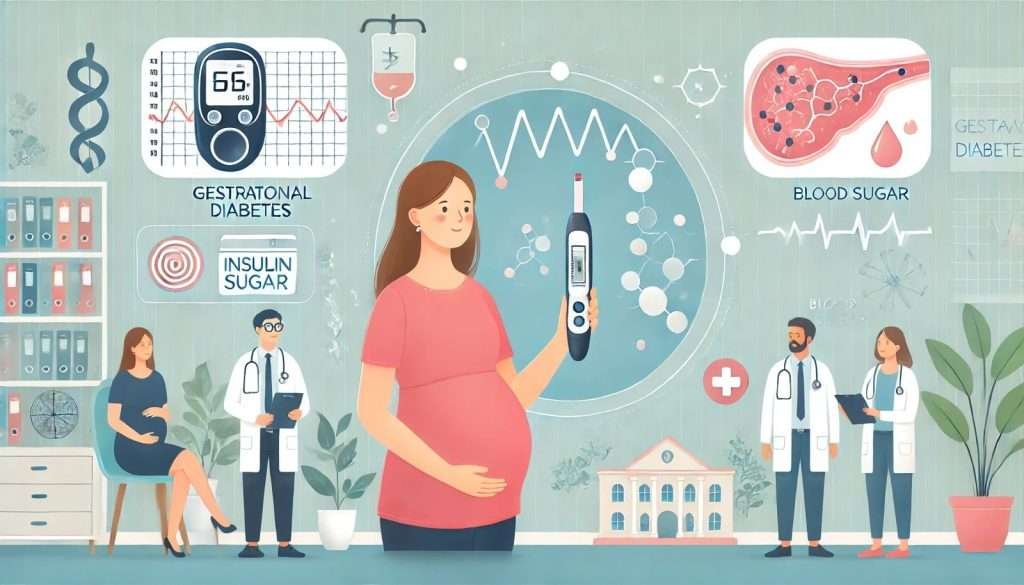
Gestational diabetes is a common concern during pregnancy, leading many to wonder: “Is gestational diabetes genetic?”The short answer is that genetics plays a significant role in determining your risk. If you have a family history of diabetes, especially Type 2 diabetes, your chances of developing gestational diabetes are higher. However, it’s important to note that genetics is just one part of the puzzle. Lifestyle, hormonal changes during pregnancy, and other factors also contribute to this condition.
In this article, we’ll dive into the genetic factors behind gestational diabetes, exploring how inherited traits and family history influence your risk. More importantly, we’ll discuss actionable solutions, from early screening to lifestyle changes, to help manage and prevent gestational diabetes—even if you’re genetically predisposed. Whether you’re currently pregnant or planning for the future, understanding these aspects will empower you to take control of your health and ensure a safe pregnancy for you and your baby.
What Is Gestational Diabetes?
Gestational diabetes occurs when the body becomes resistant to insulin during pregnancy. Insulin is a hormone that helps regulate blood sugar levels, and resistance can lead to elevated glucose levels, posing risks to the mother and baby.
How Common Is Gestational Diabetes?
GDM is relatively common, affecting approximately 2–10% of pregnancies worldwide. It typically develops during the second or third trimester and resolves after childbirth. However, it increases the risk of developing Type 2 diabetes later in life.
Understanding the Genetics of Gestational Diabetes
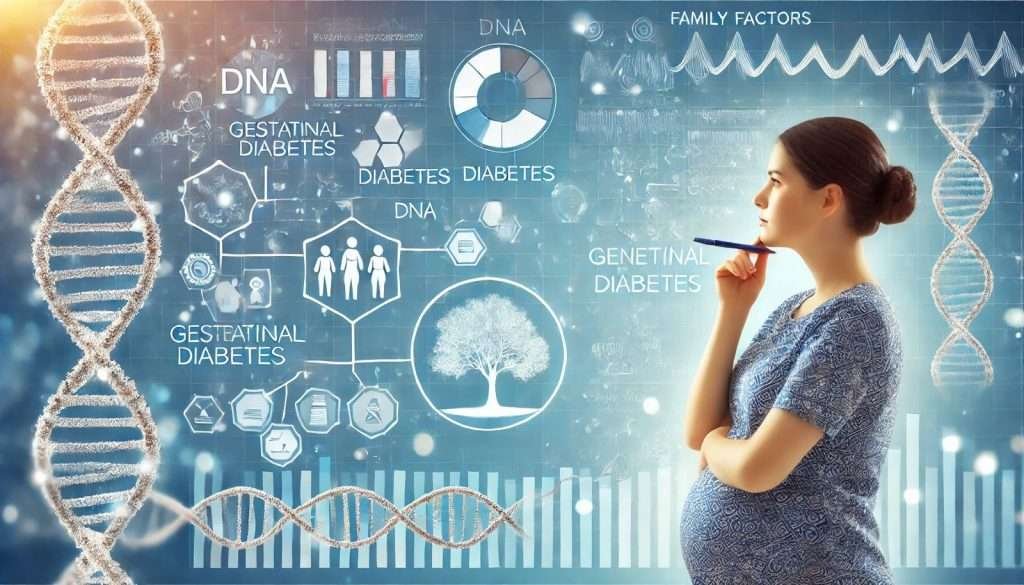
Is Gestational Diabetes Genetic?
Yes, genetics can play a role in the development of gestational diabetes. Research shows that women with a family history of diabetes, particularly Type 2 diabetes, are more likely to develop GDM. This is because certain genetic traits that affect insulin production and glucose metabolism may be passed down through generations.
Key Genes Linked to Gestational Diabetes
Several genes have been identified as potential contributors to gestational diabetes. These include:
- TCF7L2 (Transcription Factor 7-Like 2): Associated with insulin secretion and sensitivity, this gene is a known risk factor for both GDM and Type 2 diabetes.
- GCK (Glucokinase): Mutations in this gene affect how glucose is processed in the liver and pancreas, increasing the risk of abnormal blood sugar levels.
- IRS1 (Insulin Receptor Substrate 1): Variations in this gene may impair insulin signalling, contributing to gestational diabetes.
While these genetic markers indicate a predisposition, they do not guarantee the development of GDM. Other factors like environment and lifestyle can contribute to this condition.
Family History and Gestational Diabetes
You are at a higher risk of developing gestational diabetes if you have a family history of diabetes, particularly type 2 diabetes. This genetic predisposition can affect how your body processes insulin, making it harder to regulate blood sugar levels during pregnancy.
While genetics play a significant role, lifestyle factors such as diet, physical activity, and weight management also contribute to your overall risk. Regular screenings and a healthy lifestyle can help manage this risk and prevent complications related to gestational diabetes.
How Does Family History Influence Risk?
Women with a first-degree relative (parent or sibling) who has diabetes—especially Type 2 diabetes—are at a higher risk of developing GDM. This is because genetic traits that impact insulin resistance and glucose tolerance are often inherited.
For example:
- A woman whose mother had GDM is more likely to develop the condition herself.
- A family history of Type 2 diabetes increases the likelihood of insulin resistance during pregnancy.
The Role of Hormonal and Environmental Factors
You may develop gestational diabetes due to hormonal changes during pregnancy, where hormones like human placental lactogen increase insulin resistance. Environmental factors such as poor diet, lack of exercise, and obesity can further contribute to this condition.
How Hormonal Changes Contribute to GDM
During pregnancy, the placenta produces hormones like cortisol, estrogen, and human placental lactogen, which can make cells less responsive to insulin. In women with a genetic predisposition, these hormonal changes may exacerbate existing insulin resistance.
Non-Genetic Risk Factors
While genetics play a role, many non-genetic factors contribute to GDM, including:
- Age: Women aged 25 years are more prone to develop GDM.
- Body Weight: Those who are overweight or obese have an increased risk of developing it.
- Ethnicity: Talking about ethnicity, these groups: African Americans, South Asians, and Hispanics, are at higher risk.
- Lifestyle: Sedentary behavior and an unhealthy diet can increase the likelihood of developing GDM.
The interplay between these factors and genetics often determines a woman’s overall risk.
Can Gestational Diabetes Be Prevented If It’s Genetic?

While genetic factors increase the risk of gestational diabetes, it may still be prevented through lifestyle changes such as maintaining a healthy weight, eating a balanced diet, and staying active. Early monitoring and proper prenatal care can also help manage the risk, even if there is a family history of diabetes.
Early Screening and Risk Assessment
For women with a family history of diabetes, early screening is essential. Doctors typically recommend an oral glucose tolerance test (OGTT) during pregnancy to identify gestational diabetes early.
Lifestyle Modifications to Lower Risk
Even with a genetic predisposition, lifestyle changes can help reduce the likelihood of developing GDM. These include:
- Maintaining a Healthy Weight: Losing excess weight before pregnancy can lower risk.
- Eating a Balanced Diet: Focus on whole grains, lean proteins, and vegetables while limiting processed sugars.
- Staying Active: Regular exercise helps improve insulin sensitivity.
- Managing Stress: High stress levels can contribute to hormonal imbalances, so mindfulness practices like yoga or meditation are beneficial.
How Is Gestational Diabetes Managed During Pregnancy?
You can manage gestational diabetes by adopting a balanced diet, engaging in regular exercise, and monitoring your blood sugar levels. If necessary, your healthcare provider may prescribe insulin or other medications to help regulate your blood sugar effectively.
Medical Monitoring
Women diagnosed with GDM are closely monitored throughout their pregnancy. Key management strategies include:
- Frequent blood sugar testing to track glucose levels.
- Ultrasound monitoring to check the baby’s growth and development.
Dietary Adjustments
Your Food habit plays a critical role in controlling blood sugar levels. A diabetes-friendly meal plan includes:
- Small, frequent meals to prevent blood sugar spikes.
- Carbohydrates with a low glycemic index, such as oats and lentils.
- Plenty of fiber from fruits, vegetables, and whole grains.
Medication and Insulin Therapy
If lifestyle changes are not enough, doctors may prescribe medications or insulin to help manage blood sugar levels.
Risks Associated with Gestational Diabetes
You may face several risks with gestational diabetes, including a higher likelihood of developing high blood pressure, preeclampsia, or delivering a large baby. Additionally, gestational diabetes increases the risk of developing type 2 diabetes later in life for both mother and child.
For the Mother
- Increased Risk of Preeclampsia: A condition where mothers’ blood pressure rises, which can lead to death.
- Higher Likelihood of C-Section: Due to complications during delivery.
- Future Diabetes Risk: Women with GDM are up to 50% more likely to develop Type 2 diabetes within 10 years.
For the Baby
- Macrosomia (Large Baby): High blood sugar levels can lead to excessive fetal growth, increasing the risk of delivery complications.
- Low Blood Sugar After Birth: Babies born to mothers with GDM may experience hypoglycemia shortly after birth.
- Obesity and Diabetes Later in Life: Offspring are at greater risk of developing metabolic conditions.
The Importance of Postpartum Care
You should prioritize postpartum care to monitor and manage your blood sugar levels, as gestational diabetes increases the risk of developing type 2 diabetes later. Regular follow-up visits ensure your health is closely monitored and any potential complications are addressed early.
Post-Pregnancy Glucose Testing
After delivery, most women with GDM see their blood sugar levels return to normal. However, postpartum glucose testing is critical to monitor the potential development of Type 2 diabetes.
Long-Term Lifestyle Changes
To reduce the risk of future diabetes, women with a history of GDM should:
- Continue healthy eating habits and regular exercise.
- Maintain a healthy weight.
- Monitor blood sugar levels regularly.
FAQs
1. Can Gestational Diabetes Be Passed to My Baby?
Gestational diabetes itself is not passed to the baby, but the genetic predisposition for diabetes can be inherited. This increases the baby’s risk of developing diabetes later in life.
2. Can You Avoid Gestational Diabetes If It’s Genetic?
While you cannot change your genetic predisposition, adopting a healthy lifestyle before and during pregnancy can significantly lower your risk.
3. Will Gestational Diabetes Go Away After Pregnancy?
Yes, gestational diabetes typically resolves after childbirth. But, mothers have an increased chance of developing Type 2 diabetes later in life.
Conclusion
So, is gestational diabetes genetic? The answer lies in a combination of genetics, hormonal changes, and environmental factors. While a family history of diabetes and specific genetic traits can increase the risk, lifestyle modifications and medical monitoring can go a long way in managing and preventing GDM.
For women with a genetic predisposition, awareness is key. Early screening, a balanced diet, and regular physical activity can reduce the impact of genetic risk factors. By understanding the causes and risks, expecting mothers can take proactive steps to ensure a healthy pregnancy and long-term well-being.
Remember, gestational diabetes is a manageable condition, and with the right care and support, both mother and baby can thrive.