Introduction: Diabetes in cats
Feline diabetes, or diabetes mellitus, is a common yet manageable condition that affects cats of all breeds and ages. This metabolic disorder occurs when your cat’s body cannot effectively produce or use insulin, leading to elevated blood sugar levels. While a diabetes diagnosis may feel overwhelming, the good news is that with timely intervention and proper care, cats with diabetes can lead happy, healthy lives.
Early diagnosis is crucial when it comes to managing diabetes in cats effectively. Catching the condition early helps prevent complications and ensures your cat receives the treatment they need to maintain a good quality of life. Recognizing symptoms like increased thirst, frequent urination, and unexplained weight loss can be the first step toward identifying the issue and seeking veterinary assistance.
Treatment options for diabetes in cats are more advanced and accessible than ever before. From insulin therapy to dietary adjustments and at-home glucose monitoring, there are multiple ways to manage your cat’s condition. By working closely with your veterinarian and staying consistent with your care routine, you can help stabilize your cat’s blood sugar levels and reduce the risks associated with uncontrolled diabetes.
If your cat has been diagnosed with diabetes, don’t lose hope. This guide will walk you through everything you need to know about treating diabetes in cats, from understanding the symptoms to creating a personalized care plan. Remember, you’re not alone in this journey—together, you and your cat can navigate this condition with confidence. Hopefully by the end of this article you’ll know the answer to your question, how to treat diabetes in cats?
Understanding Diabetes in Cats
What is Feline Diabetes?
Feline diabetes, or diabetes mellitus, is a chronic condition in which a cat’s body struggles to regulate blood sugar (glucose) levels. This occurs when the pancreas doesn’t produce enough insulin or when the cat’s body cannot properly use the insulin it produces. Insulin is a hormone responsible for helping glucose move from the bloodstream into cells, where it serves as a source of energy.
There are two primary types of diabetes in cats:
- Type 1 Diabetes: This occurs when the pancreas produces little to no insulin.
- Type 2 Diabetes: Far more common in cats, this form happens when the body’s cells become resistant to insulin. Type 2 diabetes is often linked to obesity and poor diet.
Common Causes and Risk Factors
Several factors can increase a cat’s likelihood of developing diabetes, including:
- Obesity and Diet: Overweight cats, especially those fed high-carbohydrate diets, are at a significantly higher risk.
- Genetic Predisposition: Certain breeds, like Burmese cats, may have a higher genetic risk for developing diabetes.
- Age and Gender: Diabetes is more commonly diagnosed in middle-aged to older cats, with male cats being slightly more at risk.
Symptoms to watch out for

Recognizing the early signs of feline diabetes can make a big difference in treatment outcomes. Key symptoms include:
- Increased Thirst and Urination: You may notice your cat drinking water more frequently or producing larger amounts of urine.
- Weight Loss Despite Normal Eating Habits: Unexplained weight loss, even when your cat has a good appetite, is a red flag.
- Lethargy and Weakness: A diabetic cat may appear less active, tired, or unwilling to play.
Understanding these symptoms and risk factors is the first step toward identifying and addressing diabetes in your cat. If you notice any of these signs, consult your veterinarian promptly for testing and diagnosis. With the right care and attention, managing diabetes in cats is entirely achievable.
Diagnosis of Diabetes in Cats
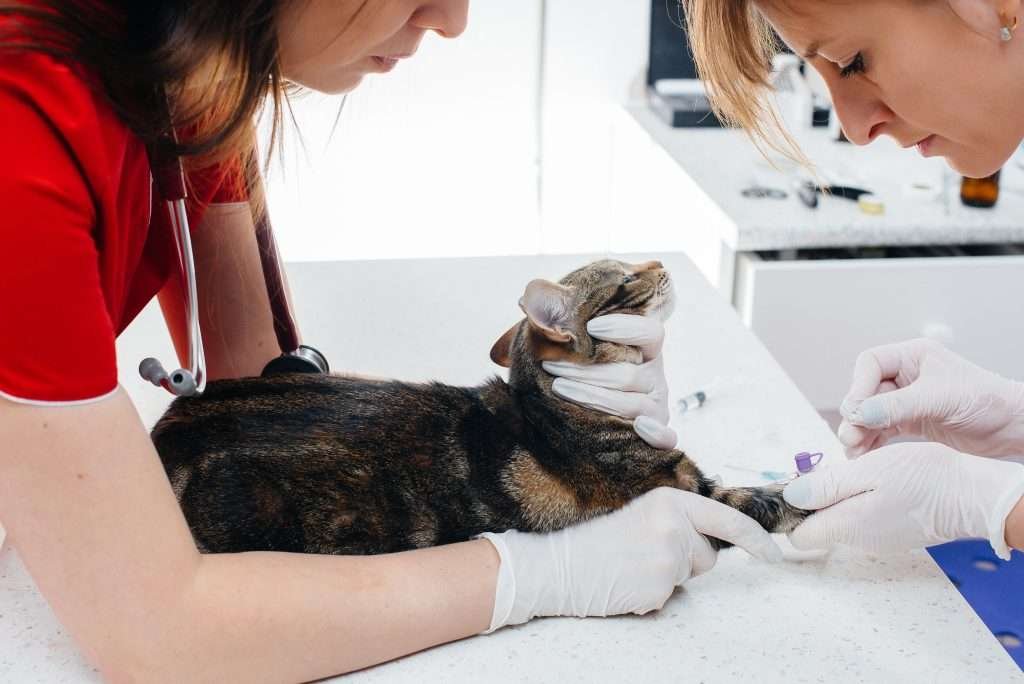
Diagnosing diabetes in cats requires a thorough evaluation by a veterinarian to confirm the condition and rule out other possible causes of your cat’s symptoms. Early and accurate diagnosis is essential for effective treatment and long-term management.
Steps for Proper Diagnosis
The first step in diagnosing diabetes in cats is a veterinary examination. During the visit, your veterinarian will:
- Review Your Cat’s Medical History: They’ll ask about your cat’s behavior, diet, and any noticeable symptoms, such as increased thirst or weight loss.
- Perform a Physical Exam: The vet will assess your cat’s overall condition, looking for signs of dehydration, poor coat quality, or weight changes that may indicate underlying issues like diabetes.
Tests and Tools
To confirm the diagnosis of feline diabetes, veterinarians rely on specific tests and tools:
- Blood Glucose Tests: High blood sugar levels are a hallmark of diabetes in cats. A simple blood test can reveal whether your cat’s glucose levels are elevated. However, stress-induced hyperglycemia is common in cats, so one abnormal result may not be conclusive.
- Urine Analysis: This test checks for glucose or ketones in your cat’s urine. The presence of these substances often indicates diabetes, as a healthy cat’s urine should not contain glucose.
- Fructosamine Testing: This advanced test measures the average blood sugar levels over the past 1-3 weeks, providing a more accurate picture of your cat’s glucose regulation. Fructosamine testing is particularly useful for confirming a diagnosis when stress might affect blood glucose levels during the visit.
Diagnosing diabetes in cats isn’t a one-size-fits-all process. Your vet may recommend additional tests, such as checking for infections or other conditions that could complicate the diagnosis. By identifying the problem early and precisely, you can start the right treatment plan to help your diabetic cat live a healthier life.
If you suspect your cat may have diabetes, don’t delay in seeking professional advice. Proper diagnosis is the first step in learning how to treat diabetes in cats effectively.
How to Treat Diabetes in Cats: Options
Treating diabetes in cats requires a combination of medical intervention, lifestyle adjustments, and close monitoring. A tailored approach to care helps manage blood sugar levels, reduce symptoms, and improve your cat’s quality of life. Let’s explore the primary treatment methods for feline diabetes.
Insulin Therapy
Insulin therapy is the cornerstone of treating diabetes in cats. Since many diabetic cats cannot regulate blood sugar on their own, insulin injections become essential.
- Types of Insulin for Cats:
Veterinarians typically prescribe long-acting insulin types, such as Glargine or PZI (Protamine Zinc Insulin), which are well-tolerated by cats. The choice of insulin depends on your cat’s specific needs and response to treatment. - Administration Tips:
- Insulin is administered via small, painless injections under the skin, usually once or twice a day.
- Your vet will teach you how to properly store insulin and measure the correct dose.
- Establish a routine for feeding and injections to stabilize blood sugar levels effectively.
- Use a calm, reassuring tone during injections to reduce stress for your cat.
Insulin therapy plays a pivotal role in how to treat diabetes in cats, as it directly helps regulate glucose levels and minimize symptoms.
Oral Medications (if applicable)
While less common, oral medications may be an option for certain diabetic cats. These drugs work by improving the body’s response to insulin or reducing glucose production in the liver.
- When Are Oral Medications Used?
Oral medications are typically reserved for cats who cannot tolerate insulin injections or in cases of early-stage diabetes. However, their effectiveness varies, and they are not suitable for all cats. Your veterinarian will determine whether oral drugs are a viable option.
Lifestyle Adjustments
Lifestyle changes are a critical aspect of managing diabetes in cats, complementing medical treatments.
- Maintaining a Healthy Weight:
Obesity is a significant risk factor for diabetes in cats. Weight loss can improve insulin sensitivity and overall health. Work with your vet to create a weight-loss plan that includes portion control and a low-carb, high-protein diet. - Encouraging Safe Physical Activity:
Gentle exercise helps regulate blood sugar levels and promotes a healthy weight. Encourage your cat to play using toys, interactive games, or activities they enjoy. Avoid overexerting your cat, especially if they seem lethargic or weak.
By combining insulin therapy, potential oral medications, and lifestyle adjustments, you can create a comprehensive care plan tailored to your diabetic cat’s needs. Consistency is key when learning how to treat diabetes in cats, as regular routines help stabilize blood sugar and improve your cat’s overall well-being.
Always consult your veterinarian to monitor your cat’s progress and adjust treatments as needed. With the right approach, managing diabetes in cats is entirely achievable.
Dietary Management for Diabetic Cats

Diet plays a crucial role in managing diabetes in cats, as proper nutrition helps regulate blood sugar levels and supports overall health. Transitioning to a low-carb, high-protein diet can make a significant difference in how to treat diabetes in cats effectively.
Low-Carb, High-Protein Diets
- Why These Diets Are Beneficial:
Cats are obligate carnivores, which means their bodies are designed to thrive on protein-rich diets. High-carb diets can cause spikes in blood sugar, making diabetes harder to manage. A low-carb, high-protein diet stabilizes glucose levels and promotes better insulin sensitivity. - Examples of Suitable Options:
- Commercial Diets: Look for veterinary-prescribed brands like Purina Pro Plan DM or Hill’s Prescription Diet m/d, which are formulated for diabetic cats.
- Homemade Diets: Consult your veterinarian or a pet nutritionist to create balanced, homemade meals using lean meats like chicken or turkey, supplemented with essential vitamins and minerals.
Foods to Avoid
- High-Carb Snacks and Treats: Avoid feeding your cat foods like bread, rice, or sugary treats, as they can cause dangerous blood sugar spikes.
- Processed Foods with Added Sugars: Always check ingredient labels to ensure there are no hidden carbohydrates or additives.
Feeding Schedule and Portion Control
- Importance of Regular Meal Timings: Cats with diabetes thrive on a consistent feeding schedule. Align meal times with insulin injections to maintain stable glucose levels throughout the day.
- Balancing Insulin Doses with Food Intake: Ensure your cat consumes the appropriate portion size based on their weight and activity level. Too much or too little food can disrupt blood sugar control.
With the right diet and feeding plan, managing diabetes in cats becomes much more achievable, helping your furry companion stay healthier and happier.
Caring for a Diabetic Cat at Home
Managing diabetes in cats requires creating a stable environment, monitoring glucose levels, and being prepared for emergencies. Proper at-home care is essential for maintaining your cat’s health and improving their quality of life.
Creating a Stable Routine
- Consistent Schedules: Keep feeding and insulin administration times consistent each day. This stability minimizes blood sugar fluctuations.
- Minimizing Stress: Cats are sensitive to changes in their environment. Maintain a calm and predictable household to reduce stress, which can impact blood sugar levels.
Monitoring Glucose Levels
- Using Glucometers: Invest in a pet-specific glucometer to monitor your cat’s blood sugar at home. Regular readings help identify patterns and ensure the treatment plan is working.
- Recognizing Patterns: Share glucose readings with your veterinarian to adjust insulin doses or dietary plans as needed.
Handling Emergencies
- Signs of Hypoglycemia: Symptoms like weakness, disorientation, or seizures indicate low blood sugar, which requires immediate attention.
- First-Aid Steps: Offer a small amount of a sugary substance like honey or corn syrup if your cat is conscious. Then, contact your veterinarian right away.
With consistent care, regular monitoring, and prompt action during emergencies, managing a diabetic cat at home can be smooth and rewarding. Remember, how you treat diabetes in cats at home greatly influences their overall well-being. Always stay in touch with your vet to fine-tune your cat’s care plan.
Long-Term Management and Prognosis
Managing diabetes in cats is an ongoing process that requires vigilance and a proactive approach. With consistent care, many diabetic cats can lead fulfilling lives, and some may even achieve remission.
Regular Vet Check-Ups
- Routine Bloodwork and Follow-Ups:
Regular veterinary visits are essential to monitor your cat’s blood glucose levels and overall health. Routine tests like fructosamine levels and complete bloodwork help assess how well the treatment plan is working. - Adjusting Treatment Plans:
Diabetes management isn’t static. Based on your cat’s progress, your vet may adjust insulin doses, recommend dietary changes, or explore other treatment options.
Complications to Watch For
- Diabetic Neuropathy: Cats may develop weakness or unsteadiness, especially in their hind legs, due to prolonged high blood sugar levels. Early intervention and tight glucose control can help prevent this.
- Cataracts and Infections: Diabetic cats are more prone to eye issues and infections, especially urinary tract infections. Regular monitoring and prompt treatment are vital.
- Preventive Measures: Consistent glucose control, proper grooming, and timely vet visits reduce the risk of complications.
Remission in Diabetic Cats
- Possibility of Remission: Some cats, especially those diagnosed early and managed with a proper diet and weight control, may experience remission. This means they no longer require insulin injections, though careful monitoring is still needed.
- Factors for Success: A low-carb diet, maintaining a healthy weight, and adhering to insulin therapy significantly improve the chances of remission.
With proper care, your diabetic cat can enjoy a good quality of life and potentially reach a state of remission.
Conclusion

Feline diabetes is a manageable condition when caught early and treated with consistency. By understanding the symptoms, working closely with your veterinarian, and maintaining a routine of insulin therapy, diet, and glucose monitoring, you can help your cat thrive.
Stay proactive, trust your care plan, and remember that with dedication and love, diabetic cats can lead long, happy lives. Your efforts make all the difference in their journey to health.
FAQ: How to Treat Diabetes in Cats
1. What causes diabetes in cats?
Diabetes in cats is often caused by a combination of factors, including obesity, poor diet, and genetic predisposition. Middle-aged to older cats, especially males, are more prone to developing the condition. Obesity and diets high in carbohydrates increase the risk significantly, as they reduce the body’s ability to regulate insulin effectively.
2. What are the early signs of diabetes in cats?
Early signs of feline diabetes include increased thirst and urination, unexplained weight loss despite a good appetite, lethargy, and weakness. You may also notice changes in your cat’s coat, such as a dull or unkempt appearance. If these symptoms occur, consult a veterinarian promptly for testing.
3. How is diabetes in cats diagnosed?
A veterinarian diagnoses diabetes through a combination of:
- Blood Tests: High blood glucose levels are a primary indicator.
- Urine Analysis: The presence of glucose or ketones in urine suggests diabetes.
- Fructosamine Test: This test provides a longer-term picture of blood sugar levels, reducing the chance of misdiagnosis caused by stress-related spikes.
4. Can diabetes in cats be treated without insulin?
Insulin is the most effective treatment for diabetes in cats. While some cases of early-stage diabetes may respond to dietary changes alone, most cats require insulin injections to control their blood sugar levels. Oral medications are occasionally used but are less effective than insulin. Always follow your veterinarian’s recommendations.
5. What kind of diet is best for diabetic cats?
Diabetic cats benefit from a low-carb, high-protein diet. These diets stabilize blood sugar levels and improve insulin sensitivity. Veterinary-prescribed diets like Hill’s Prescription Diet m/d or Purina Pro Plan DM are good options. If you prefer homemade food, consult your vet to ensure it meets your cat’s nutritional needs.
6. How do I give my cat insulin injections?
Insulin injections are simple and virtually painless for cats. Here’s how:
- Use a syringe provided by your veterinarian and measure the correct dose.
- Gently lift the skin at the back of your cat’s neck to form a “tent.”
- Insert the needle at a shallow angle and administer the insulin.
Your vet can demonstrate the process and provide tips to make it easier for you and your cat.
7. Can diabetic cats go into remission?
Yes, some diabetic cats can go into remission, meaning they no longer require insulin therapy. Remission is more likely in cases diagnosed early and managed with a low-carb diet, consistent insulin therapy, and weight control. Regular monitoring is still necessary, as diabetes can recur.
8. What complications should I watch for in my diabetic cat?
Common complications include:
- Diabetic Neuropathy: Weakness in the hind legs due to prolonged high blood sugar.
- Hypoglycemia: Dangerously low blood sugar levels caused by excessive insulin or missed meals.
- Infections: Diabetic cats are prone to urinary tract infections and other bacterial infections.
Early detection and intervention are critical to managing these complications effectively.
9. How do I monitor my cat’s blood sugar at home?
Monitoring blood glucose at home involves using a pet-specific glucometer. You’ll collect a small blood sample from your cat’s ear or paw pad, and the device will measure glucose levels. Keeping a log of readings helps your vet adjust the treatment plan as needed.
10. Is diabetes in cats fatal?
With proper management, diabetes is not a death sentence for cats. Many diabetic cats live long, healthy lives when their condition is well-controlled. Early intervention, consistent treatment, and regular veterinary care are key to ensuring your cat’s well-being.
11. How expensive is it to treat diabetes in cats?
The cost of managing diabetes in cats varies but typically includes insulin, syringes, special diets, and regular vet visits. On average, monthly expenses range from $50 to $150, though costs can fluctuate based on your cat’s needs and the type of insulin prescribed.