
Introduction
Gestational diabetes (GD) is a condition that affects some women during pregnancy, leading to higher-than-normal blood sugar levels. It typically occurs in the second or third trimester and results from hormonal changes that interfere with insulin function. While gestational diabetes usually resolves after childbirth, it can increase the risk of complications for both the mother and baby.
Understanding how to prevent gestational diabetes is essential for ensuring a healthy pregnancy and reducing the likelihood of long-term health issues like type 2 diabetes. Prevention not only safeguards the baby’s growth and development but also minimizes the chances of complications during delivery.
In this guide, we’ll explore actionable strategies to help you stay healthy throughout pregnancy. From maintaining a balanced diet and regular exercise to managing stress and working closely with healthcare providers, you’ll find practical tips to support your journey. Prevention starts with knowledge and proactive steps, so let’s dive into the essentials for a safe and healthy pregnancy.
Understanding Gestational Diabetes
Definition and Causes
Gestational diabetes is a type of diabetes that develops during pregnancy. It happens when the body cannot produce enough insulin to regulate blood sugar levels, primarily due to pregnancy hormones. Insulin resistance increases as the pregnancy progresses, making some women more vulnerable to GD.
Symptoms and Complications
Many women with gestational diabetes do not experience noticeable symptoms, which is why regular screenings are critical. For some, signs may include extreme thirst, frequent urination, and fatigue. If left unmanaged, GD can lead to complications such as:
- Larger-than-average babies, increasing the likelihood of cesarean delivery.
- Preterm birth or respiratory problems in newborns.
- Higher risk of developing type 2 diabetes for both mother and child later in life.
Risk Factors
Understanding risk factors is a key part of learning how to prevent gestational diabetes. You may be at higher risk if you:
- Are over the age of 25.
- Are overweight or have a body mass index (BMI) over 30.
- Have a family history of diabetes.
- Have had gestational diabetes in a previous pregnancy.
- Are of certain ethnic backgrounds, such as Hispanic, African American, or Asian.
- Have conditions like polycystic ovary syndrome (PCOS).
Recognizing these risks can empower you to make lifestyle adjustments that significantly reduce your chances of developing GD. Prevention is not just about avoiding complications—it’s about fostering a healthy environment for you and your baby.
Maintaining a Healthy Weight

Maintaining a healthy weight is a critical step in understanding how to prevent gestational diabetes. Excess weight can increase insulin resistance, making it harder for the body to regulate blood sugar levels during pregnancy. By focusing on achieving and maintaining a healthy weight, you can significantly reduce the risk of developing gestational diabetes and its associated complications.
Pre-Pregnancy Weight Goals
Planning for pregnancy is an excellent time to assess your weight and overall health. Reaching a healthy weight before conception sets the stage for a smoother pregnancy and lowers the risk of gestational diabetes.
- Work with your healthcare provider to determine a healthy weight range for your body type.
- Focus on gradual weight loss through a combination of balanced nutrition and regular exercise if needed.
- Avoid crash diets or extreme measures, as they can disrupt hormonal balance and fertility.
During Pregnancy
Weight gain is a natural part of pregnancy, but it’s essential to manage it carefully. Safe weight management strategies include:
- Following a balanced diet: Prioritize whole foods rich in nutrients and low in added sugars.
- Staying active: Incorporate pregnancy-safe exercises like walking or prenatal yoga to keep your body strong and support healthy weight gain.
- Monitoring progress: Regular prenatal checkups can help you track weight gain and ensure it aligns with your healthcare provider’s recommendations.
By adopting these strategies, you can stay on track with your goal of how to prevent gestational diabetes, ensuring a healthier pregnancy for both you and your baby.
Eating a Balanced Diet
A balanced diet plays a central role in understanding how to prevent gestational diabetes. Choosing the right foods can help stabilize blood sugar levels, provide essential nutrients, and promote overall health during pregnancy.
Low-Glycemic Foods
Low-glycemic foods are digested slowly, preventing rapid spikes in blood sugar. Incorporate these options into your meals:
- Whole grains: Quinoa, oats, and brown rice.
- Legumes: Lentils, chickpeas, and black beans.
- Non-starchy vegetables: Broccoli, spinach, and bell peppers.
Meal Planning Tips
Creating a meal plan that prioritizes nutrient-rich foods can make it easier to stick to healthy eating habits. Here are some ideas:
- Breakfast: Greek yogurt with berries and a sprinkle of chia seeds.
- Lunch: Grilled chicken salad with mixed greens, avocado, and olive oil dressing.
- Snacks: Raw almonds or carrot sticks with hummus.
- Dinner: Baked salmon with roasted vegetables and quinoa.
Foods to Avoid
To keep blood sugar levels stable, avoid sugary, processed, and high-carbohydrate foods such as:
- Sodas, candy, and pastries.
- White bread, pasta, and rice.
- Fried and fast foods.
By focusing on whole, unprocessed foods and avoiding those that cause blood sugar fluctuations, you’ll be well-equipped to follow the guidelines on how to prevent gestational diabetes. A balanced diet not only supports your health but also provides the nutrients needed for your baby’s development.
Regular Physical Activity

Staying physically active during pregnancy is one of the most effective ways to understand how to prevent gestational diabetes. Exercise helps regulate blood sugar levels, improve insulin sensitivity, and maintain overall health for both you and your baby. The right activities can make pregnancy more comfortable while reducing the risk of complications.
Safe Exercises for Pregnancy
Choosing safe and enjoyable exercises is key to incorporating physical activity into your routine. Some options to consider include:
- Walking: A gentle, low-impact way to stay active and improve circulation.
- Swimming: Provides a full-body workout while reducing stress on joints.
- Prenatal yoga: Enhances flexibility, reduces stress, and improves muscle strength.
- Stationary cycling: Offers a safe cardio option with minimal risk of falls.
Always consult your healthcare provider before starting any new exercise program, especially during pregnancy. Their guidance ensures you’re choosing activities that align with your fitness level and pregnancy needs.
Frequency and Duration
To achieve the benefits of exercise and learn how to prevent gestational diabetes, aim for:
- Frequency: At least 3–5 days per week.
- Duration: 20–30 minutes per session, depending on your energy levels and fitness capacity.
You don’t need to complete long, intense workouts to see results. Shorter, consistent sessions are often more effective and manageable.
Exercise Benefits
Regular physical activity offers numerous benefits for preventing gestational diabetes and promoting a healthy pregnancy, such as:
- Better blood sugar control: Exercise helps your body use insulin more effectively, stabilizing glucose levels.
- Weight management: Staying active supports healthy weight gain during pregnancy.
- Improved mood: Physical activity releases endorphins, reducing stress and promoting emotional well-being.
- Enhanced stamina: Building strength and endurance can make labor and delivery easier.
Making exercise a regular part of your pregnancy routine is a powerful step in learning how to prevent gestational diabetes. Even small efforts, like taking a walk after meals or joining a prenatal yoga class, can make a big difference. By staying active, you’re not just reducing your risk of gestational diabetes—you’re also fostering a healthier pregnancy and preparing your body for childbirth.
Prenatal Care and Monitoring
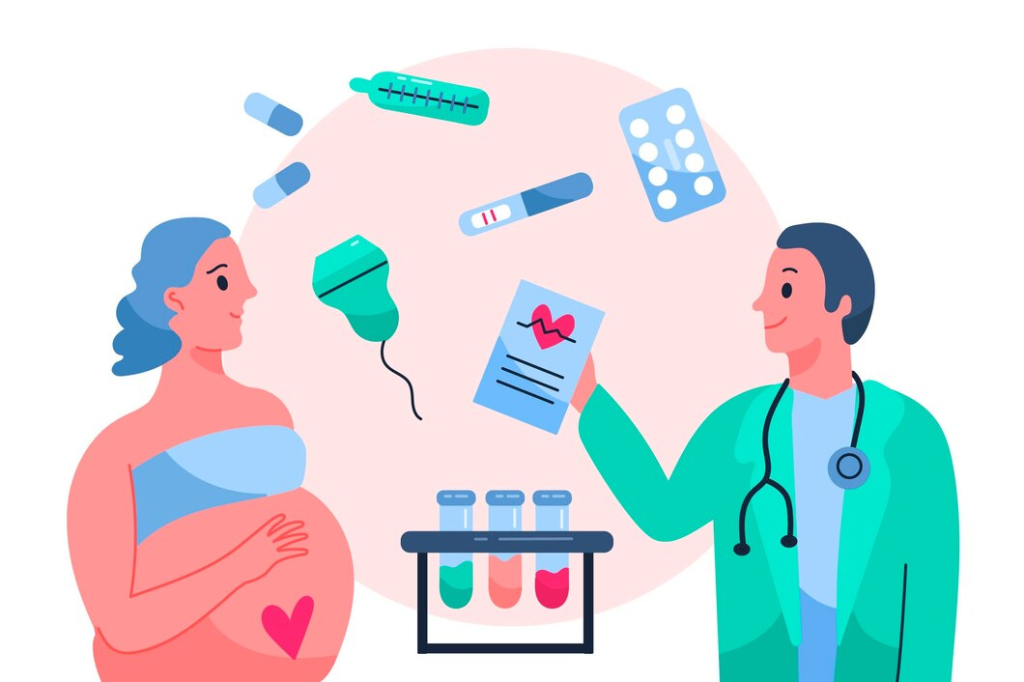
Prenatal care and regular monitoring are vital steps in learning how to prevent gestational diabetes. By attending routine checkups and working closely with your healthcare team, you can identify potential risks early and take proactive measures to ensure a healthy pregnancy.
Regular Checkups
Routine prenatal visits are the cornerstone of a healthy pregnancy. These appointments allow your healthcare provider to:
- Monitor your weight, blood pressure, and overall health.
- Perform tests to check for gestational diabetes and other conditions.
- Provide guidance tailored to your unique needs and pregnancy stage.
Regular checkups also offer an opportunity to discuss any concerns, such as symptoms of gestational diabetes or challenges in maintaining a healthy lifestyle. This consistent oversight ensures you’re on the right track toward preventing complications.
Monitoring Blood Sugar
Understanding how blood sugar levels are monitored is an essential part of mastering how to prevent gestational diabetes. Key tests include:
- Glucose Screening Test: A routine test performed between 24–28 weeks to assess your body’s response to sugar.
- Glucose Tolerance Test (GTT): If the screening indicates high blood sugar, a more detailed GTT will determine whether gestational diabetes is present.
- Home Monitoring: For those at higher risk, your doctor may recommend using a glucometer to track blood sugar levels daily.
Regular monitoring helps detect early changes in glucose levels, enabling timely interventions to keep them under control.
Team Effort
Preventing gestational diabetes is not something you have to do alone. Building a strong partnership with your healthcare team ensures you have the support and resources needed. This team might include:
- Obstetricians: Providing regular prenatal care and addressing any complications.
- Nutritionists: Crafting a personalized meal plan to maintain stable blood sugar.
- Physical therapists: Advising on safe exercises tailored to your pregnancy.
Collaboration fosters a comprehensive approach to pregnancy care, making it easier to implement strategies for how to prevent gestational diabetes. With the right support, you can confidently navigate your pregnancy while minimizing risks.
By prioritizing prenatal care and consistent monitoring, you’re taking an active role in protecting your health and your baby’s well-being. Early detection and personalized care pave the way for a healthier, happier pregnancy.
Managing Stress and Sleep

Managing stress and getting quality sleep are essential components in learning how to prevent gestational diabetes. Both factors influence blood sugar levels and overall health, making them critical for a healthy pregnancy.
Stress and Blood Sugar
Stress triggers the release of hormones like cortisol, which can raise blood sugar levels. Prolonged stress may worsen insulin resistance, increasing the risk of gestational diabetes. Recognizing and addressing stress early can make a significant difference in maintaining stable glucose levels.
Relaxation Techniques
Incorporating relaxation techniques into your daily routine is an effective way to lower stress and support your goal of how to prevent gestational diabetes:
- Mindfulness meditation: Focus on the present moment to reduce anxiety.
- Prenatal yoga: Combines gentle stretches and breathing exercises to calm the mind and body.
- Deep breathing: Practice slow, controlled breaths to lower heart rate and stress levels.
These techniques are safe during pregnancy and can also help prepare your mind and body for childbirth.
Sleep Tips
Adequate sleep is crucial for hormonal balance and blood sugar regulation. Poor sleep quality or insufficient rest can increase insulin resistance and elevate the risk of gestational diabetes. Improve your sleep with these strategies:
- Set a consistent schedule: Go to bed and wake up at the same time each day.
- Create a calming bedtime routine: Avoid screens, and consider reading or taking a warm bath before sleep.
- Use supportive pillows: Pregnancy pillows can help alleviate discomfort and support better sleep posture.
By reducing stress and prioritizing sleep, you’re taking meaningful steps in understanding how to prevent gestational diabetes and ensuring a healthier pregnancy.
Conclusion and Key Takeaways
Preventing gestational diabetes requires a proactive approach, but the benefits for both mother and baby are well worth the effort. This guide has covered essential strategies for how to prevent gestational diabetes, including:
- Maintaining a healthy weight before and during pregnancy.
- Eating a balanced, low-glycemic diet.
- Staying physically active with pregnancy-safe exercises.
- Prioritizing prenatal care and regular monitoring.
- Managing stress and getting quality sleep.
Adopting these habits early in your pregnancy journey sets a strong foundation for a healthy outcome. Remember, small, consistent changes can make a big difference in reducing your risk.
Finally, always consult your healthcare provider for personalized advice. They can tailor recommendations to your unique needs, ensuring you have the support and resources to navigate your pregnancy confidently. Together, you can achieve your goal of how to prevent gestational diabetes and enjoy a safe, joyful pregnancy.
Frequently Asked Questions (FAQ) About How to Prevent Gestational Diabetes
1. What is gestational diabetes, and why does it occur?
Gestational diabetes is a type of diabetes that develops during pregnancy due to hormonal changes that make it harder for the body to regulate blood sugar levels. As pregnancy progresses, the placenta produces hormones that can increase insulin resistance. If the body cannot produce enough insulin to compensate, blood sugar levels rise, leading to gestational diabetes.
2. Who is at risk of developing gestational diabetes?
Risk factors for gestational diabetes include:
- Being overweight or obese before pregnancy.
- Having a family history of diabetes.
- Being over 25 years old.
- Having had gestational diabetes in a previous pregnancy.
- Belonging to certain ethnic groups, such as Hispanic, African American, Asian, or Native American.
Understanding your risk factors can help you take proactive steps in learning how to prevent gestational diabetes.
3. Can I prevent gestational diabetes entirely?
While it’s not always possible to prevent gestational diabetes due to factors like genetics or age, adopting a healthy lifestyle can significantly reduce your risk. Maintaining a healthy weight, eating a balanced diet, exercising regularly, and attending prenatal checkups are all effective strategies to lower your chances of developing gestational diabetes.
4. What foods should I eat to help prevent gestational diabetes?
Focus on a balanced diet rich in low-glycemic, nutrient-dense foods that keep blood sugar levels stable. Examples include:
- Whole grains like quinoa, brown rice, and oats.
- Non-starchy vegetables such as broccoli, spinach, and carrots.
- Lean proteins like chicken, fish, tofu, and legumes.
- Healthy fats from sources like avocados, nuts, and seeds.
Avoid sugary, processed foods and refined carbohydrates, as these can cause blood sugar spikes.
5. Is exercise safe during pregnancy, and how much should I do?
Yes, exercise is safe for most pregnant individuals and is a key part of understanding how to prevent gestational diabetes. Aim for at least 150 minutes of moderate-intensity activity per week, spread over several days. Safe options include walking, swimming, and prenatal yoga. Always consult your healthcare provider before starting or modifying an exercise routine during pregnancy.
6. How is gestational diabetes diagnosed?
Gestational diabetes is typically diagnosed through glucose screening tests performed between 24–28 weeks of pregnancy. If initial results indicate elevated blood sugar levels, your doctor may recommend a glucose tolerance test for confirmation. Regular prenatal visits and monitoring are essential for early detection.
7. Can stress affect my risk of developing gestational diabetes?
Yes, stress can impact blood sugar levels by triggering the release of hormones like cortisol, which can increase insulin resistance. Managing stress through techniques such as mindfulness, deep breathing, and prenatal yoga can help reduce this risk.
8. What are the potential complications of untreated gestational diabetes?
If left unmanaged, gestational diabetes can lead to complications such as:
- Larger-than-average babies, increasing the need for cesarean delivery.
- Preterm birth or respiratory issues in newborns.
- Higher risk of developing type 2 diabetes for both the mother and child later in life.
Preventing gestational diabetes helps minimize these risks and supports a healthier pregnancy outcome.
9. Do I need to monitor my blood sugar at home during pregnancy?
If you are at higher risk or diagnosed with gestational diabetes, your doctor may recommend using a glucometer to track your blood sugar levels. Regular monitoring helps ensure your levels remain stable and provides critical information for managing your pregnancy effectively.
10. What should I do if I’m diagnosed with gestational diabetes?
If diagnosed, work closely with your healthcare team to manage the condition. This may involve following a special meal plan, increasing physical activity, and, in some cases, using insulin or medication. Early intervention and consistent monitoring are vital for a healthy pregnancy and delivery.
This FAQ section addresses common concerns and provides actionable insights into how to prevent gestational diabetes, empowering readers to take charge of their health during pregnancy.