Introduction: How to Prevent Diabetes Complications
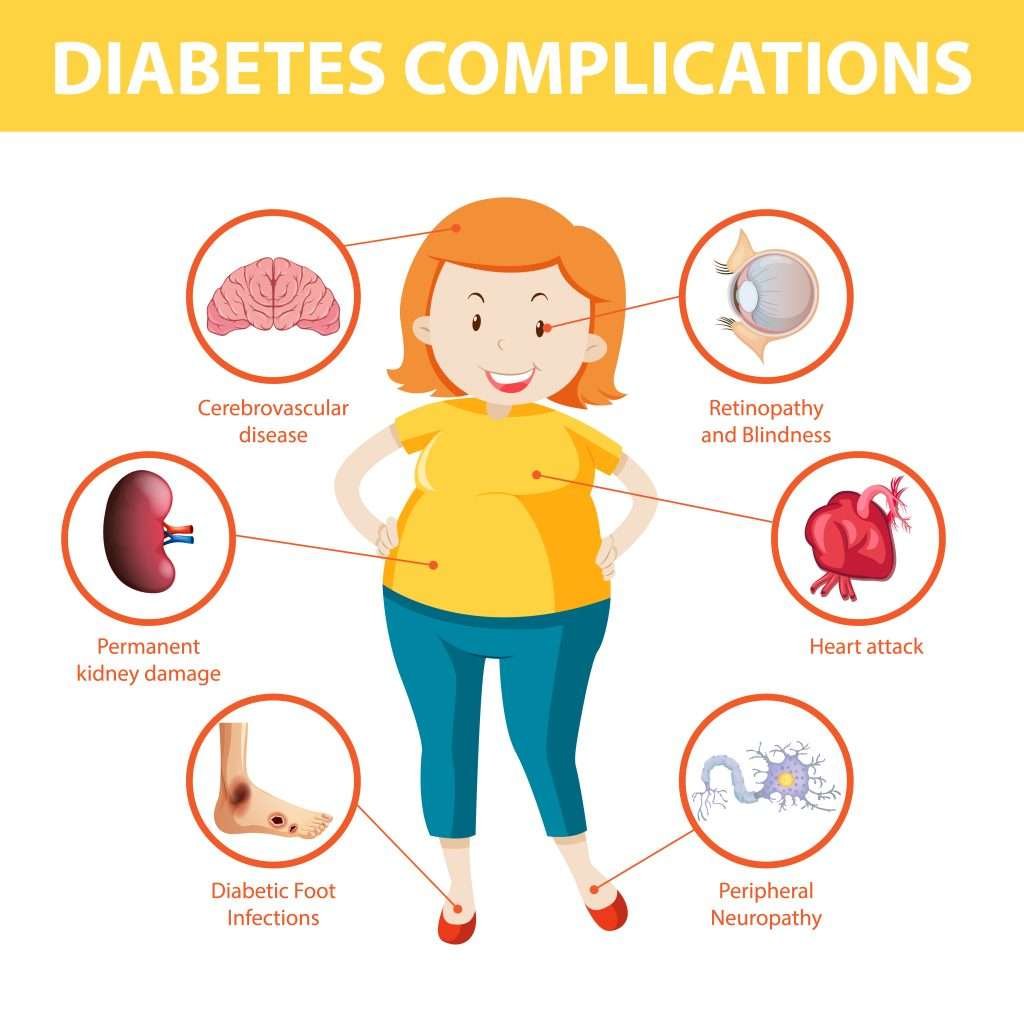
Living with diabetes can be challenging, but managing it effectively is crucial to maintaining a healthy and fulfilling life. Diabetes, whether type 1 or type 2, impacts how your body regulates blood sugar, and when poorly managed, it can lead to serious health complications. Common diabetes complications include neuropathy (nerve damage), retinopathy (eye problems that can lead to vision loss), and cardiovascular issues such as heart disease and stroke. These complications can significantly affect your quality of life and may even become life-threatening if not addressed.
Understanding how to prevent diabetes complications starts with taking proactive steps to manage your condition. By keeping blood sugar levels within target ranges, adopting a healthy lifestyle, and staying vigilant about regular checkups, you can minimize the risks. Prevention is not just about avoiding future problems; it’s about empowering yourself to live a healthier life today.
The good news is that many diabetes complications are preventable with the right strategies. Through consistent blood sugar monitoring, healthy eating, regular exercise, and managing stress, you can significantly reduce the risks. In this guide, we’ll explore actionable tips and expert advice on how to prevent diabetes complications and stay on the path to better health.
Understanding Diabetes Complications
To effectively address how to prevent diabetes complications, it’s important to first understand the two primary types: acute and chronic. Acute complications occur suddenly and require immediate attention. Examples include hypoglycemia (low blood sugar), which can cause dizziness, confusion, or even loss of consciousness, and diabetic ketoacidosis (DKA), a potentially life-threatening condition caused by high blood sugar and insufficient insulin. These emergencies highlight the need for constant vigilance in managing blood sugar levels.
Chronic complications, on the other hand, develop over time due to consistently high blood sugar. These include kidney disease (diabetic nephropathy), nerve damage (neuropathy), and vision problems such as diabetic retinopathy. Cardiovascular diseases, like heart attack and stroke, are also more common in people with diabetes. The long-term effects of diabetes can significantly reduce your quality of life if preventive measures aren’t taken.
Poorly managed diabetes is the root cause of these complications. When blood sugar levels remain high, it damages blood vessels and nerves throughout the body. This damage is often irreversible and can escalate without proper care. However, with a focus on diabetes complications prevention, you can protect your health by maintaining blood sugar within target ranges, adopting a balanced lifestyle, and addressing risk factors like high blood pressure and cholesterol.
Preventing the long-term effects of diabetes requires more than just medication. It’s a combination of informed choices, regular monitoring, and proactive healthcare. By understanding these complications and their causes, you can take the first step toward a healthier, more empowered life with diabetes.
Managing Blood Sugar Effectively

Effective blood sugar management is at the heart of learning how to prevent diabetes complications. Keeping glucose levels within target ranges is essential for reducing the risk of both acute and chronic complications. When blood sugar fluctuates too high or too low, it can damage vital organs, nerves, and blood vessels, leading to long-term health issues. Consistent monitoring helps you stay in control and identify patterns that could impact your health.
One of the most reliable ways to monitor blood sugar is through regular testing. Tools like glucometers and Continuous Glucose Monitoring (CGM) systems provide real-time insights into your glucose levels. CGM devices, in particular, are game-changers for people with diabetes. They offer continuous data, alerting you to fluctuations before they become dangerous. Using a CGM can make managing blood sugar levels more precise and reduce the risk of complications.
To stabilize your blood sugar, focus on these actionable tips:
- Monitor Regularly: Check your blood sugar at least as often as recommended by your healthcare provider. This is critical for identifying trends.
- Eat Balanced Meals: Prioritize whole grains, lean proteins, healthy fats, and plenty of fiber to prevent blood sugar spikes.
- Be Consistent with Exercise: Physical activity helps lower blood sugar and improve insulin sensitivity. Aim for at least 30 minutes of moderate exercise most days.
- Stay Hydrated: Drinking water aids in maintaining stable glucose levels.
- Take Medications as Prescribed: Follow your doctor’s instructions for insulin or oral medications to avoid dangerous highs or lows.
By focusing on managing blood sugar levels, you’re also working toward reducing the risk of complications associated with diabetes. The better controlled your blood sugar is, the lower your chances of developing issues like neuropathy or retinopathy.
When it comes to how to prevent diabetes complications, managing blood sugar is the foundation of your success. With consistent monitoring, the right tools, and small but impactful lifestyle changes, you can safeguard your health and maintain a better quality of life.
Adopting a Healthy Lifestyle
Living a healthy lifestyle is one of the most effective strategies for how to prevent diabetes complications. By focusing on balanced nutrition and regular exercise, you can improve blood sugar control, boost overall health, and significantly reduce the risk of long-term complications like neuropathy, cardiovascular disease, and kidney damage.
Dietary Tips for Diabetes Management
Your diet plays a central role in maintaining stable blood sugar levels. To support a healthy lifestyle for diabetes, prioritize foods that balance macronutrients and provide essential nutrients:
- Incorporate Fiber and Protein:
- Add high-fiber foods like whole grains, vegetables, and legumes to your meals to slow digestion and prevent blood sugar spikes.
- Include lean protein sources like chicken, fish, tofu, and beans to keep you full longer and stabilize glucose levels.
- Choose Healthy Fats:
- Opt for unsaturated fats found in nuts, seeds, avocados, and olive oil, which promote heart health.
- Avoid Problematic Foods:
- Limit sugary drinks, refined carbohydrates, and processed snacks, which cause blood sugar to rise rapidly.
- Reduce intake of trans fats and high-sodium foods to lower your risk of heart disease.
Focusing on these dietary habits is key to preventing long-term effects of diabetes.
Exercise Guidelines for Diabetes
Physical activity is another cornerstone of a healthy lifestyle for diabetes. Regular exercise not only helps lower blood sugar but also improves insulin sensitivity, reduces stress, and strengthens the heart.
- Aerobic Exercises:
- Activities like brisk walking, swimming, and cycling are excellent for improving cardiovascular health. Aim for at least 150 minutes of moderate aerobic exercise per week.
- Strength Training:
- Incorporate resistance exercises like weightlifting, yoga, or bodyweight exercises two to three times a week. These help build muscle, which uses glucose more efficiently.
- Daily Movement:
- Include light physical activities, like taking the stairs or stretching during breaks, to keep your blood sugar stable throughout the day.
A Holistic Approach to Prevention
Adopting these habits not only contributes to better blood sugar management but also supports how to prevent diabetes complications. The combined effect of healthy eating and regular exercise reduces your risk of chronic complications like kidney disease, nerve damage, and vision problems.
Start small—swap sugary drinks for water, incorporate a 10-minute daily walk, or try a new vegetable with each meal. These minor changes can make a big difference in preventing long-term effects of diabetes.
By embracing a healthy lifestyle for diabetes, you’re taking a proactive approach to managing your condition and improving your overall well-being. With consistency and commitment, you’ll be better equipped to avoid complications and live a vibrant, healthier life.
Controlling Blood Pressure and Cholesterol
Managing blood pressure and cholesterol is critical when considering how to prevent diabetes complications. Diabetes often increases the risk of cardiovascular diseases, making high blood pressure and cholesterol major contributors to complications like heart attack, stroke, and kidney damage. Together, these conditions create a “triple threat” that can severely impact your health.
To reduce these risks, it’s essential to regularly monitor your blood pressure and cholesterol levels. High blood pressure places extra strain on your heart and blood vessels, while excess cholesterol can lead to blockages in arteries. These issues are particularly dangerous for people with diabetes, whose blood vessels may already be compromised by high glucose levels.
Tips for Maintaining Healthy Levels:
- Adopt a Heart-Healthy Diet:
- Include foods rich in omega-3 fatty acids (e.g., salmon, walnuts), high-fiber foods, and fresh vegetables.
- Reduce intake of sodium, saturated fats, and processed foods.
- Stay Physically Active:
- Regular aerobic exercise can help lower blood pressure and improve cholesterol levels.
- Take Medications as Prescribed:
- If prescribed, ensure consistent use of medications for hypertension or high cholesterol.
By prioritizing controlling blood pressure in diabetes, you can significantly lower the risk of complications while protecting your heart and overall health.
The Role of Routine Checkups

Regular checkups are essential when learning how to prevent diabetes complications. They help detect early signs of issues like neuropathy, retinopathy, and kidney damage—allowing for timely intervention before problems worsen.
Why Checkups Matter:
Diabetes complications often progress silently. Routine visits to healthcare providers enable early detection and monitoring of potential risks. For example:
- Eye Exams: Detect diabetic retinopathy and other vision problems early.
- Foot Exams: Identify nerve damage, ulcers, or infections before they lead to severe outcomes.
Recommended Checkup Schedule:
- Quarterly or Semi-Annual Visits: Regular appointments with your doctor to evaluate blood sugar, blood pressure, and cholesterol.
- Annual Comprehensive Exams: Include detailed eye and foot examinations, as well as kidney function tests.
By following these recommendations, you can play an active role in preventing long-term effects of diabetes. Routine care allows you and your healthcare team to adjust your treatment plan as needed, ensuring you stay on track.
Making checkups a priority is one of the most effective ways to manage diabetes and avoid complications. Consistent healthcare monitoring empowers you to stay ahead of potential issues and live a healthier, more fulfilling life.
Foot and Eye Care for Diabetes Patients

Proper foot and eye care are crucial components of how to prevent diabetes complications. High blood sugar levels can damage blood vessels and nerves, increasing the risk of foot problems and vision loss. By taking proactive steps, you can protect your feet and eyes from serious complications like ulcers, infections, and diabetic retinopathy.
Foot Care Tips for Diabetes Patients
Foot complications are common among people with diabetes due to reduced circulation and nerve damage (neuropathy). These issues can lead to sores, ulcers, and infections that, if untreated, may require serious interventions.
- Inspect Your Feet Daily:
- Check for blisters, cuts, redness, or swelling. Use a mirror if needed to view the soles of your feet.
- Keep Feet Clean and Moisturized:
- Wash your feet daily with lukewarm water, dry them thoroughly (especially between toes), and apply moisturizer to prevent cracking.
- Wear Proper Footwear:
- Choose shoes that fit well, offer support, and protect against injury. Avoid walking barefoot to reduce the risk of cuts or infections.
- Trim Nails Carefully:
- Cut nails straight across to avoid ingrown toenails, which can lead to infections.
Routine foot care is vital for avoiding diabetic complications naturally and preventing serious outcomes.
Eye Care Tips to Prevent Vision Loss
Diabetes is a leading cause of vision problems, including diabetic retinopathy, cataracts, and glaucoma. These conditions result from damage to blood vessels in the eyes due to prolonged high blood sugar.
- Schedule Regular Eye Exams:
- Visit an eye specialist at least once a year for a comprehensive dilated eye exam to detect early signs of retinopathy.
- Control Blood Sugar, Blood Pressure, and Cholesterol:
- Managing these levels reduces strain on your eyes and prevents blood vessel damage.
- Protect Your Eyes:
- Wear sunglasses to shield your eyes from UV rays, and avoid smoking, which worsens eye health.
- Report Changes Immediately:
- Blurry vision, spots, or difficulty seeing colors could signal a problem. Seek medical advice promptly.
By incorporating these practices into your daily routine, you can effectively address how to prevent diabetes complications related to your feet and eyes. Prevention is easier than treatment, and taking small steps now can save you from significant health challenges later. Through consistent care and regular monitoring, you can safeguard your vision and mobility for years to come.
Stress Management and Mental Health

Stress is a hidden factor that can make managing diabetes more difficult and is a key area to address when considering how to prevent diabetes complications. When you’re stressed, your body releases hormones like cortisol and adrenaline, which can cause blood sugar levels to rise. Chronic stress can lead to poor blood sugar control, increasing the risk of complications such as nerve damage, kidney disease, and cardiovascular issues.
Managing stress effectively is vital for maintaining stable glucose levels and overall well-being. Here are some proven techniques to help:
- Practice Mindfulness:
- Techniques like meditation and deep breathing exercises can lower stress and improve focus on managing diabetes. Apps or guided sessions are great starting points.
- Engage in Yoga or Gentle Exercise:
- Yoga combines physical activity with relaxation, which not only reduces stress but also improves blood sugar levels. Gentle exercises like stretching or walking can have a similar effect.
- Seek Counseling or Support Groups:
- Talking to a counselor or joining a diabetes support group can help you navigate emotional challenges. Sharing experiences with others who understand can be incredibly empowering.
By focusing on reducing stress in diabetes, you not only enhance blood sugar control but also improve your mental health and overall quality of life. Addressing both physical and emotional factors ensures a more comprehensive approach to managing diabetes.
Conclusion and Takeaway
Preventing complications starts with a proactive and holistic approach to diabetes management. Throughout this guide, we’ve explored essential strategies for how to prevent diabetes complications:
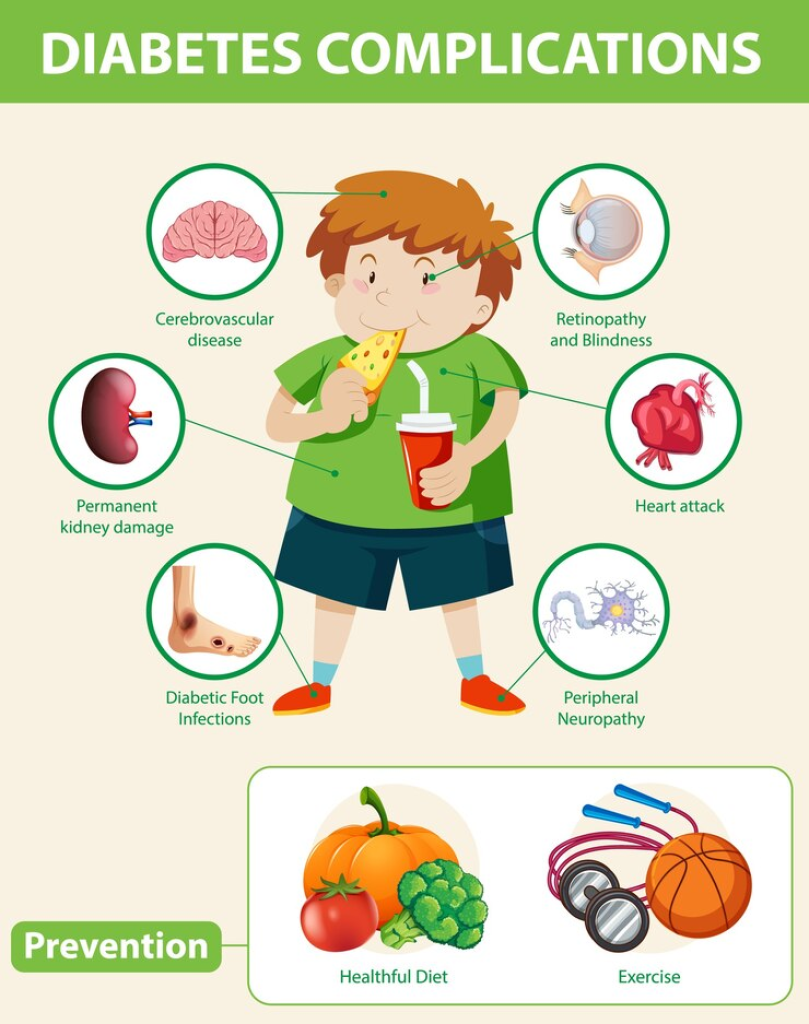
- Consistently monitor and manage blood sugar levels.
- Adopt a healthy lifestyle with balanced nutrition and regular exercise.
- Control blood pressure and cholesterol to protect your heart and blood vessels.
- Prioritize foot and eye care to avoid ulcers and vision loss.
- Manage stress effectively to support stable glucose levels and emotional well-being.
- Stay vigilant with routine checkups to detect and address potential complications early.
Taking these actionable steps can significantly reduce the risk of complications and help you maintain a healthy, fulfilling life. While managing diabetes may feel overwhelming at times, small, consistent changes can lead to big results.
By adopting a holistic approach to diabetes care, you empower yourself to stay in control, safeguard your health, and enjoy a better quality of life. Remember, prevention is the key to long-term success. Start implementing these strategies today to stay ahead of potential challenges!
AQ: How to Prevent Diabetes Complications
1. What are the most common diabetes complications?
The most common complications include neuropathy (nerve damage), retinopathy (eye damage that can lead to vision loss), kidney disease, cardiovascular issues, and foot problems like ulcers and infections. Proactive management can help prevent these complications.
2. How can I monitor my blood sugar effectively?
Regular blood sugar monitoring is essential. Use a glucometer or Continuous Glucose Monitoring (CGM) device to track your levels throughout the day. Consult your healthcare provider to determine your target glucose range and create a monitoring schedule that works for you.
3. What should I eat to prevent diabetes complications?
Focus on a balanced diet rich in whole grains, lean proteins, healthy fats, and fiber. Avoid sugary drinks, refined carbs, and processed foods. Incorporating healthy eating habits supports blood sugar stability and reduces the risk of long-term complications.
4. How does stress affect diabetes management?
Stress triggers hormones like cortisol, which can raise blood sugar levels and make diabetes harder to control. Managing stress through mindfulness, yoga, or counseling can improve both your mental health and glucose levels.
5. Why are regular checkups important for people with diabetes?
Routine checkups help detect complications early, such as diabetic retinopathy or foot problems, before they become severe. Annual eye and foot exams, along with regular lab tests, are critical for long-term health.
6. What types of exercise are best for diabetes?
Moderate aerobic exercises like walking, swimming, or cycling, combined with strength training, are ideal. Aim for 150 minutes of exercise per week to improve blood sugar control and overall health.
7. Can complications be reversed?
While some complications, like minor neuropathy, can improve with better blood sugar control, most are preventable but not entirely reversible. Preventive measures are the best approach.
By addressing these FAQs, you can better understand how to prevent diabetes complications and take steps to protect your health.