Imagine stepping into your home, feeling safe and comfortable. But did you know that beneath the surface, there could be an invisible threat quietly affecting your health? Radon, a colorless, odorless gas naturally emitted from the ground, has long been linked to lung cancer. But could it also be connected to something more unexpected, like diabetes? Can Radon cause diabetes?
Currently, there is no direct scientific evidence linking radon exposure to the development of diabetes. Radon is primarily associated with an increased risk of lung cancer due to its radioactive properties. While radon can harm respiratory health when inhaled over time, its effects on blood sugar regulation or the onset of diabetes have not been established. However, ongoing research in environmental health may explore potential indirect connections in the future.
Let’s dive into this fascinating question and uncover the science behind it. Could this hidden danger really be influencing your blood sugar levels, or is it just another myth? Keep reading to find out.
What is Radon and How Does It Affect Health?
Radon is a colorless, odorless gas that is produced when radioactive materials in soil, rock, and water decay. It seeps into homes, schools, and other buildings through cracks in foundations or gaps around windows and doors. Long-term exposure to high levels of radon can damage lung tissue and increase the risk of lung cancer. The U.S. Environmental Protection Agency (EPA) has classified radon as a Group A carcinogen, which means it is a known cause of cancer in humans.
Radon exposure primarily affects the respiratory system, as it is inhaled into the lungs. The gas releases radioactive particles when it decays, and these particles can damage the DNA in lung cells, leading to cancer. Radon is considered the second leading cause of lung cancer in the U.S., after smoking.
However, despite substantial research on radon’s impact on lung health, the potential for radon exposure to contribute to conditions like diabetes or kidney disease is less understood. While radiation exposure from radon is linked to lung cancer, scientists have not conclusively demonstrated a direct connection to metabolic diseases such as diabetes.
Can Radon Cause Diabetes ?
Radiation exposure, whether from radon, medical treatments radon, or environmental sources, has long been studied for its effects on health. There are various forms of radiation, and some studies have shown that certain types, such as ionising radiation, could affect the body in ways that might influence disease development, including diabetes.
Ionizing radiation, the type emitted by radon, has been linked to several health problems, including cancer and cardiovascular diseases. There is some emerging evidence that radiation could also impact metabolic health by influencing insulin sensitivity, glucose metabolism, and inflammation. However, the research in this area is still in its early stages, and no definitive evidence links radiation exposure from radon directly to diabetes.
The Potential Connection Between Radon and Diabetes
Though there is no established direct link between radon exposure and diabetes, it’s worth exploring how environmental toxins like radon could potentially influence overall health. The mechanisms through which radon might contribute to diabetes are largely speculative, but some potential factors could include:
- Inflammation
Radiation exposure can cause inflammation in various tissues. Chronic inflammation is a known risk factor for metabolic disorders, including type 2 diabetes. If radon exposure leads to persistent low-grade inflammation, this could indirectly increase the risk of developing diabetes, though more research is needed to understand this connection. - Oxidative Stress
Ionizing radiation can lead to the formation of reactive oxygen species (ROS), which are highly reactive molecules that can damage cells and tissues. Oxidative stress is another factor linked to insulin resistance and the development of type 2 diabetes. While studies have shown that oxidative stress plays a role in the development of diabetes, it is still unclear whether radon exposure specifically contributes to this process. - Damage to the Pancreas
The pancreas plays a key role in regulating blood sugar levels by producing insulin. Although there is no direct evidence linking radon to pancreatic damage, prolonged exposure to environmental toxins like radon could potentially disrupt pancreatic function over time, increasing the risk of developing diabetes. This connection remains speculative, and further studies would be necessary to explore this hypothesis.
Can Radon Cause Diabetes?
Kidney disease is another serious health concern that has been explored in the context of environmental toxins. The kidneys are responsible for filtering waste from the blood, and long-term exposure to certain toxins can impair kidney function. However, there is little research on the specific effects of radon exposure on kidney health.
While radiation exposure is known to increase the risk of cancer and cardiovascular diseases, the relationship between radon and kidney disease remains largely unexplored. Some studies have shown that radiation can damage kidney cells, but no conclusive evidence links radon exposure directly to kidney disease. That said, radon exposure could potentially contribute to overall health deterioration over time, indirectly affecting kidney function through mechanisms such as inflammation or oxidative stress.
How Can Radon Affect Your Health?
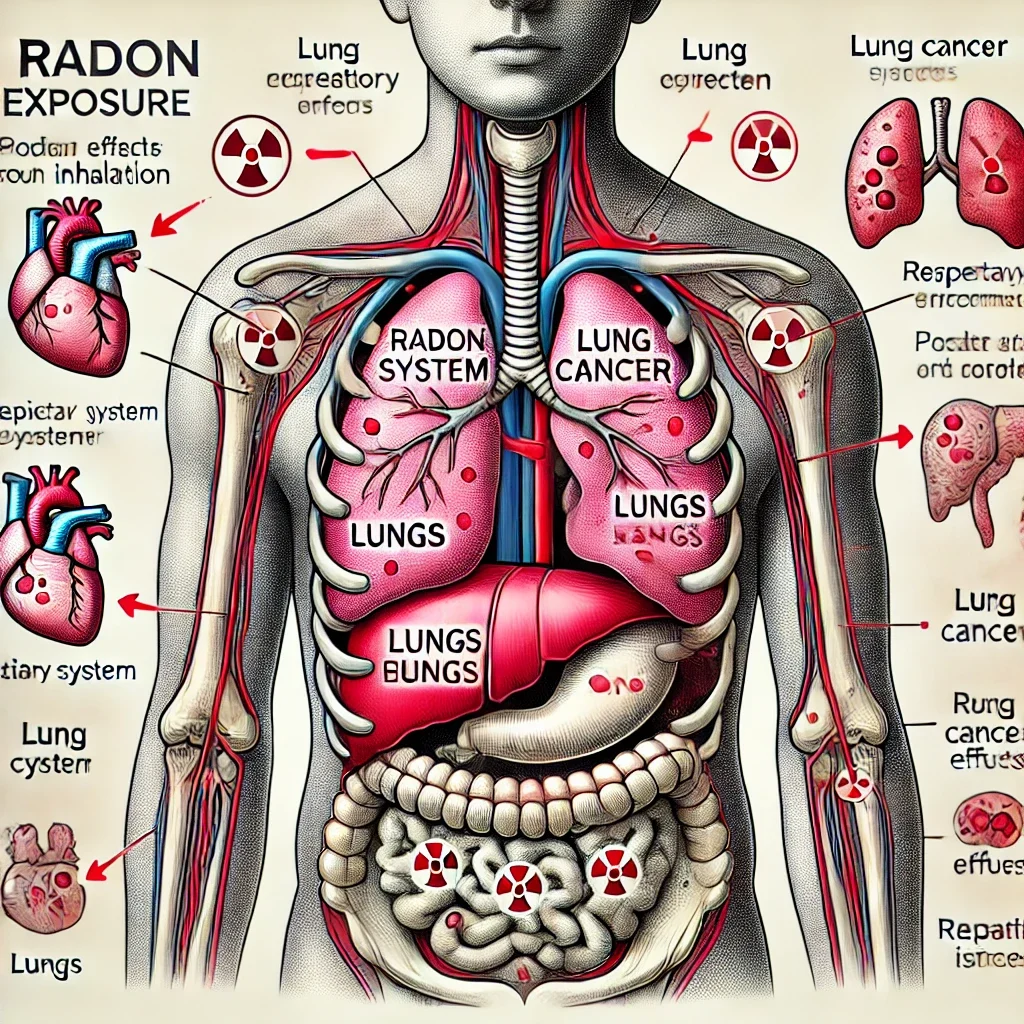
Long-term exposure to high levels of radon can result in serious health issues, particularly lung cancer. According to the EPA, radon is responsible for around 21,000 lung cancer deaths annually in the United States. The primary way radon affects health is through its radioactive particles, which can damage lung tissue when inhaled.
Radon exposure has also been associated with increased risks of other cancers, such as leukemia and lymphoma. Although there is no concrete evidence linking radon directly to diabetes or kidney disease, the overall effect of prolonged radiation exposure on various bodily systems is a growing area of research.
Radon Exposure and Diabetes: What the Research Says
While radon exposure is widely recognised as a risk factor for lung cancer, there is limited research on its potential to contribute to diabetes. Most studies on radiation and diabetes have focused on medical radiation (e.g., radiation therapy for cancer) rather than environmental sources like radon. However, the findings suggest that radiation exposure might influence metabolic processes, including glucose metabolism and insulin sensitivity, in ways that could indirectly increase the risk of developing diabetes.
For example, studies on survivors of atomic bomb explosions and other large-scale radiation exposures have shown that radiation can affect glucose tolerance and insulin production. These studies primarily focus on high-dose radiation exposure, which is different from the low-level exposure associated with radon. Nevertheless, the possibility remains that long-term exposure to low levels of radon could have a cumulative effect on metabolic health.
Preventing Diabetes While Exposed to Radon
- Maintain a Healthy Diet: Focus on a balanced diet rich in whole grains, fruits, vegetables, and lean proteins to help manage blood sugar levels.
- Stay Active: Regular physical activity, like walking, can improve insulin sensitivity and reduce the risk of diabetes.
- Monitor Your Health: Regular check-ups and blood sugar monitoring can help catch any early signs of diabetes.
- Minimize Radon Exposure: Test your home for radon levels and take steps to reduce exposure, such as improving ventilation or sealing cracks in the foundation.
- Maintain a Healthy Weight: Achieving and maintaining a healthy weight can significantly reduce the risk of developing type 2 diabetes.
By combining these strategies, you can reduce your risk of both diabetes and the health impacts of radon exposure.
FAQ: Radon, Diabetes, and Kidney Disease
1. Can radiation cause diabetes?
While radiation exposure can impact metabolic health, particularly through mechanisms like inflammation and oxidative stress, there is no clear evidence linking radiation exposure to diabetes. More research is needed to understand these potential effects fully.
2. Can radon cause kidney disease?
There is no direct evidence to suggest that radon exposure causes kidney disease. Radon is primarily linked to lung cancer, but prolonged exposure to environmental toxins could have broader effects on overall health.
3. How does radon affect lung health?
Radon exposure is the second leading cause of lung cancer in the U.S., after smoking. It releases radioactive particles that can damage lung tissue and increase the risk of lung cancer.
4. Is radon exposure dangerous?
Yes, radon exposure is dangerous, particularly in poorly ventilated indoor environments. The longer you are exposed to high levels of radon, the greater your risk of developing lung cancer. Testing your home for radon is crucial for health safety.
5. Can I reduce radon exposure in my home?
Yes, radon exposure can be reduced by sealing cracks in the foundation, improving ventilation, and installing a radon mitigation system. Testing your home for radon and taking steps to reduce exposure can significantly lower your health risks.
Final Thoughts: Is Radon a Risk for Diabetes?
In summary, there is no established evidence that radon exposure directly causes diabetes. However, radiation exposure from radon could potentially contribute to health issues that influence metabolic processes, such as inflammation and oxidative stress. The most significant health risk associated with radon remains lung cancer, and it is crucial to monitor and reduce radon levels in your home for overall health protection. While more research is needed to determine the full impact of radon on metabolic health, focusing on known diabetes risk factors—such as genetics, lifestyle, and diet—remains essential in preventing and managing the condition.