Can Diabetes Be Controlled Without Insulin?
Managing diabetes without insulin is a topic that’s gaining a lot of attention—and for good reason. Many individuals, especially those with type 2 diabetes, wonder if they can avoid insulin injections and still maintain healthy blood sugar levels. The good news? In some cases, it’s entirely possible!
Diabetes management without insulin is about making informed choices. While insulin is essential for those with type 1 diabetes and some advanced cases of type 2 diabetes, others may find that alternative strategies, like lifestyle changes and medications, are enough to keep their condition under control.
In this article, we’ll explore the different ways to control diabetes without insulin. From adopting a balanced diet and exercising regularly to exploring oral medications and natural remedies, there are several proven methods that might help. Of course, every person’s situation is unique, and working closely with a healthcare provider is crucial to creating a plan that works best for you.
Let’s dive deeper into how diabetes works, why insulin isn’t always necessary, and the steps you can take to manage diabetes naturally and effectively. By the end, you’ll have a clearer understanding of whether it’s possible to control diabetes without insulin—and how to get started!
Understanding Insulin and Its Role in Diabetes
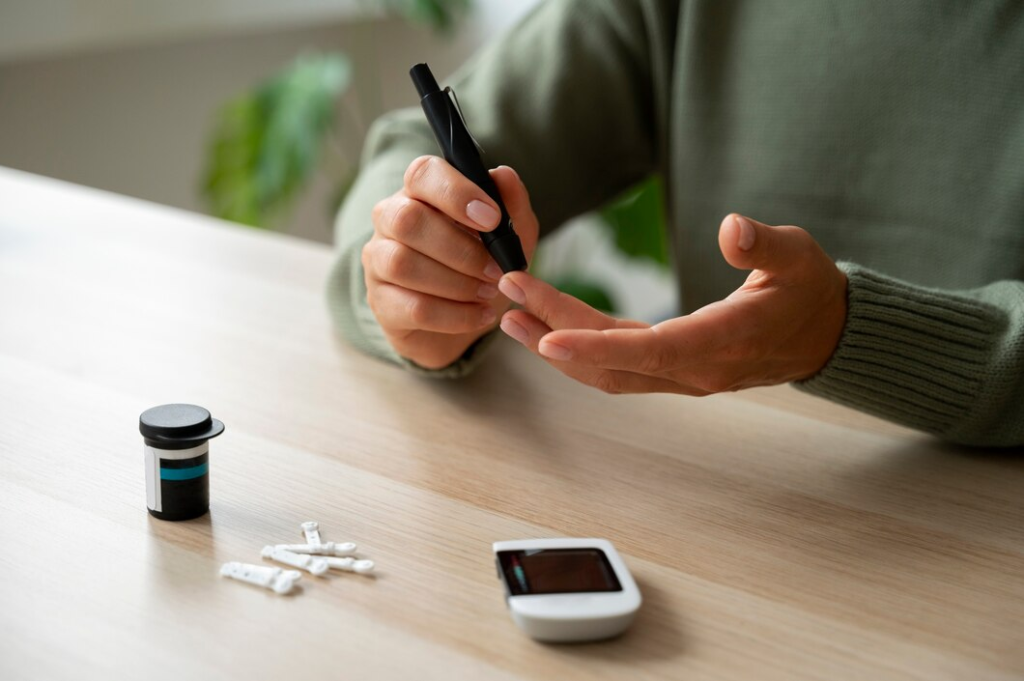
Insulin plays a vital role in keeping our bodies functioning smoothly. Produced by the pancreas, insulin is a hormone that helps regulate blood sugar levels. After you eat, your body breaks down carbohydrates into glucose, which enters your bloodstream. Insulin acts like a key, allowing glucose to move from your blood into your cells, where it’s used for energy. Without enough insulin, blood sugar levels can rise dangerously high, leading to complications.
In type 1 diabetes, the body stops producing insulin altogether. This makes insulin therapy a non-negotiable part of treatment. People with type 1 diabetes rely on insulin injections or pumps to regulate their blood sugar.
However, in type 2 diabetes, the situation is different. The body still produces insulin, but it may not use it effectively (a condition called insulin resistance) or may not produce enough to meet the body’s needs. For many with type 2 diabetes, insulin therapy isn’t always necessary, especially in the early stages.
In these cases, diabetes management without insulin is possible through other approaches. Lifestyle changes, such as eating a balanced diet, exercising regularly, and maintaining a healthy weight, can improve insulin sensitivity and help control blood sugar. Oral medications, like metformin, and newer non-insulin treatments can also play a key role.
By understanding how insulin works and why it’s needed, you can better navigate the options for managing diabetes. While insulin is essential for some, others can explore alternatives to insulin for diabetes control. This is particulary so if they’re proactive about managing their health early on.
When Insulin May Not Be Required
Can diabetes be controlled without insulin? For many individuals with type 2 diabetes, the answer can be yes, especially under certain conditions. While insulin is critical for some, others may avoid it through proper management techniques.
Conditions for Avoiding Insulin
In the early stages of type 2 diabetes, the body often still produces insulin, though it may not use it efficiently. During this phase, lifestyle changes like a healthy diet, regular exercise, and maintaining a healthy weight can help improve insulin sensitivity and keep blood sugar levels stable.
For some, oral medications such as metformin or non-insulin injectables like GLP-1 receptor agonists can be effective alternatives. These treatments support the body’s ability to regulate glucose without the need for insulin injections. By adopting these approaches and working closely with healthcare providers, many individuals can successfully avoid insulin therapy while achieving good blood sugar control.
Key Differences Between Type 1 and Type 2 Diabetes
To fully understand whether diabetes can be controlled without insulin, it’s essential to differentiate between type 1 and type 2 diabetes.
In type 1 diabetes, the immune system attacks the pancreas, halting insulin production entirely. For this reason, insulin therapy is a non-negotiable, life-saving treatment. Without it, individuals with type 1 diabetes cannot survive.
In contrast, type 2 diabetes offers more flexibility. The pancreas still produces some insulin, and lifestyle modifications or medications may suffice to keep blood sugar in check. This makes it possible for many with type 2 diabetes to avoid insulin injections altogether, particularly when the condition is caught and addressed early.
In summary, while insulin is essential for type 1 diabetes, alternatives exist for type 2 diabetes, raising the possibility of controlling the condition without insulin in many cases.
Lifestyle Changes for Diabetes Management

When considering the question, can diabetes be controlled without insulin, lifestyle changes often provide a compelling answer. A well-rounded approach to diet, exercise, stress management, and sleep can significantly improve blood sugar control, particularly for individuals with type 2 diabetes.
Dietary Adjustments
One of the most effective ways to manage diabetes without insulin is through mindful eating. Low-carb and low-glycemic diets are especially beneficial. These diets focus on reducing foods that cause rapid spikes in blood sugar, such as sugary snacks and refined carbs, while emphasizing vegetables, lean proteins, and healthy fats.
For example, replacing white rice with quinoa or swapping soda for water infused with lemon can help stabilize blood sugar levels. Portion control is equally important. Overeating—even healthy foods—can lead to weight gain and worsen insulin resistance. Using smaller plates, eating slowly, and tracking meals can make portion control more manageable.
Exercise Benefits
Regular physical activity is another key to answering the question, can diabetes be controlled without insulin. Exercise improves the body’s ability to use insulin more effectively, even if it’s in limited supply.
Both aerobic exercises (like walking, swimming, or cycling) and resistance training (like weightlifting or bodyweight exercises) are valuable. Aerobic exercise helps lower blood sugar immediately, while resistance training builds muscle, which helps the body utilize glucose more efficiently over time. Aim for at least 150 minutes of moderate exercise weekly, along with two days of strength training for optimal results.
Stress Management and Sleep
Stress can have a profound impact on blood sugar levels. When you’re stressed, your body releases hormones like cortisol, which can cause blood sugar to rise. Relaxation techniques, such as yoga, deep breathing, and mindfulness meditation, can help lower stress and support better blood sugar control.
Sleep is equally critical. Poor sleep disrupts insulin sensitivity and makes blood sugar harder to manage. Prioritize 7-8 hours of quality sleep per night by maintaining a consistent bedtime, avoiding screens before bed, and creating a calming nighttime routine.
The Power of Lifestyle Changes
For many, the answer to can diabetes be controlled without insulin lies in these manageable lifestyle adjustments. By adopting a nutrient-rich diet, committing to regular exercise, and addressing stress and sleep quality, individuals with type 2 diabetes can often reduce or even eliminate their dependence on insulin.
Remember, the journey to managing diabetes without insulin is personal and requires ongoing commitment. Partnering with healthcare providers ensures you stay on the right track while making these impactful changes.
Medications as Alternatives to Insulin

When exploring the question can diabetes be controlled without insulin, medications often provide a powerful alternative for individuals with type 2 diabetes. Several oral and injectable options can effectively manage blood sugar levels without relying on insulin therapy.
Oral Diabetes Medications
Metformin is one of the most commonly prescribed medications for type 2 diabetes. It works by reducing the amount of glucose the liver releases into the bloodstream and improving the body’s sensitivity to insulin. Metformin is often the first line of defense when managing diabetes without insulin due to its efficacy and minimal side effects.
Sulfonylureas, such as glipizide or glyburide, are another class of oral medications. These drugs stimulate the pancreas to release more insulin. While effective, they come with precautions, as they can cause low blood sugar (hypoglycemia) if not used properly. Sulfonylureas are generally prescribed when other treatments fail to provide adequate blood sugar control.
Non-Insulin Injectable Medications
For those asking can diabetes be controlled without insulin, non-insulin injectable medications can be a game-changer.
GLP-1 receptor agonists like semaglutide or liraglutide mimic a hormone that helps regulate blood sugar levels after eating. These medications slow digestion, reduce appetite, and promote weight loss, which is especially beneficial for individuals with type 2 diabetes. In addition to improving blood sugar control, GLP-1 receptor agonists support cardiovascular health, making them a versatile treatment option.
SGLT2 inhibitors, such as empagliflozin or canagliflozin, help the kidneys remove excess glucose through urine. These medications not only lower blood sugar levels but also reduce the risk of heart and kidney complications associated with diabetes.
The Role of Medication in Diabetes Management
When combined with lifestyle changes, medications like these can often answer the question, can diabetes be controlled without insulin. While not everyone can avoid insulin therapy, oral and non-insulin injectables provide effective alternatives for many individuals with type 2 diabetes.
Consult your healthcare provider to determine the best combination of lifestyle changes and medications for your needs. With the right plan in place, managing diabetes without insulin is often achievable.
The Role of Natural Remedies and Supplements

The question, can diabetes be controlled without insulin, often leads people to explore natural remedies and supplements. While these options can complement diabetes management, they should always be used cautiously and under medical supervision.
Popular Supplements
Certain natural supplements have gained attention for their potential role in blood sugar control. Cinnamon, for instance, may improve insulin sensitivity and lower fasting blood sugar levels in some individuals. Berberine, a compound found in several plants, has shown promise in regulating glucose metabolism and reducing insulin resistance. Other options like fenugreek and bitter melon are also popular, though more research is needed to confirm their effectiveness.
These supplements can provide additional support when combined with a healthy lifestyle and other treatments, but they are not a replacement for evidence-based medical care.
Risks and Precautions
While supplements may seem harmless, they can interact with medications or cause side effects. For example, berberine might interfere with certain prescription drugs, and overusing cinnamon can lead to liver issues due to its coumarin content.
To ensure safety, always consult a healthcare provider before starting any natural remedy. This step is essential to determine whether a supplement is appropriate for your specific health needs.
Creating a Personalized Diabetes Care Plan
When asking can diabetes be controlled without insulin, the answer often depends on having a well-tailored care plan. Personalization is key, as diabetes management varies greatly from person to person.
Importance of Collaboration with Healthcare Providers
Your healthcare provider is your best ally in creating a plan that fits your unique needs. They can assess your condition, recommend lifestyle changes, prescribe appropriate medications, and monitor your progress. Open communication ensures that your care plan evolves as your needs change.
Regular Blood Sugar Monitoring
Monitoring blood sugar levels is a cornerstone of diabetes management. Tools like glucometers and continuous glucose monitors (CGMs) provide real-time data to help you understand how your body responds to food, exercise, and medications.
Keeping a log of your blood sugar readings allows you and your healthcare provider to identify patterns and adjust your care plan accordingly. This proactive approach can improve your ability to manage diabetes effectively, potentially reducing or eliminating the need for insulin therapy.
By incorporating natural remedies wisely and collaborating closely with healthcare professionals, many people find that diabetes can be controlled without insulin, leading to better overall health and quality of life.
Real-Life Stories or Case Studies
When asking, can diabetes be controlled without insulin, real-life stories provide inspiring answers. Here are two examples of individuals who achieved success through lifestyle changes and alternative treatments.
Success Stories
John, a 55-year-old diagnosed with early-stage type 2 diabetes, avoided insulin by adopting a low-carb diet and walking daily. Within six months, his blood sugar levels stabilized, and his doctor reduced his oral medication dosage.
Maria, a 45-year-old teacher, managed her diabetes through regular yoga and stress management techniques. Coupled with a balanced diet, her efforts kept her A1C levels in check without the need for insulin injections.
Lessons Learned
These stories show that proactive lifestyle adjustments and consistent monitoring can make a significant difference. Key takeaways include the importance of discipline, collaboration with healthcare providers, and a willingness to embrace sustainable habits.
These examples prove that for many, the answer to can diabetes be controlled without insulin is yes—with commitment and the right support system.
Conclusion: Is It Possible to Live Without Insulin?
To sum up, can diabetes be controlled without insulin? For many individuals with type 2 diabetes, the answer is a resounding yes. Through a combination of dietary adjustments, regular physical activity, stress management, and non-insulin medications, it’s possible to achieve effective blood sugar control without relying on insulin therapy.
However, every individual is different. Some may eventually require insulin depending on the progression of their condition. That’s why it’s crucial to work closely with healthcare providers to develop a personalized diabetes management plan tailored to your specific needs.
If you’re exploring ways to control your diabetes without insulin, start by consulting your doctor. They can guide you through your options, monitor your progress, and ensure your approach is both safe and effective. With the right plan in place, you can take control of your health and improve your quality of life.
FAQ: Controlling Diabetes Without Insulin
1. Can diabetes be controlled without insulin?
Yes, for many individuals with type 2 diabetes, it is possible to control diabetes without insulin. This can often be achieved through lifestyle changes, such as eating a balanced diet, exercising regularly, managing stress, and taking oral or non-insulin injectable medications. However, this depends on the severity and progression of the condition, so consulting a healthcare provider is essential.
2. What are the best natural ways to manage diabetes without insulin?
Natural methods for managing diabetes include:
- Following a low-carb or low-glycemic diet to avoid blood sugar spikes.
- Exercising regularly to improve insulin sensitivity.
- Practicing stress management techniques like meditation or yoga to reduce blood sugar fluctuations.
- Getting quality sleep to support overall metabolic health.
3. What medications can replace insulin for type 2 diabetes?
Several medications can help manage type 2 diabetes without insulin, including:
- Metformin: Improves insulin sensitivity and reduces glucose production in the liver.
- GLP-1 receptor agonists: Helps regulate blood sugar and supports weight loss.
- SGLT2 inhibitors: Promotes glucose excretion through urine.
4. Can supplements like cinnamon or berberine replace insulin?
While some supplements, like cinnamon and berberine, may help with blood sugar control, they should not replace prescribed medications or insulin. Always consult your healthcare provider before trying any supplement to ensure it is safe and effective for your condition.
5. Is insulin ever unnecessary for people with diabetes?
For individuals with type 1 diabetes, insulin is always necessary. However, those with type 2 diabetes, especially in the early stages, may manage their condition without insulin through alternative methods and lifestyle adjustments. Regular monitoring and professional guidance are crucial to determine what’s best for you.
This FAQ aims to address common questions about whether diabetes can be controlled without insulin and provide practical, evidence-based answers.