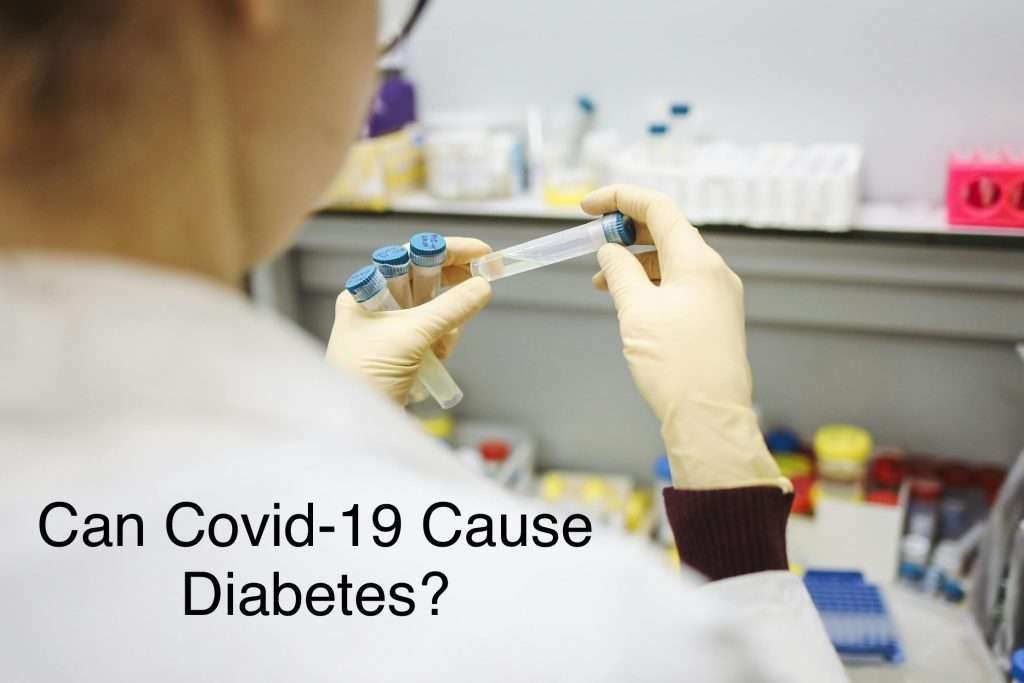
Can COVID-19 cause diabetes? Many people are searching for answers to this critical question. With new cases of diabetes emerging after COVID-19 infections, it’s important to understand if there’s a genuine link or if it’s just a coincidence.
Yes, COVID-19 can lead to diabetes in some individuals. Research shows the virus may damage insulin-producing cells in the pancreas, trigger widespread inflammation, or increase stress levels, all of which can contribute to diabetes development.
Don’t worry—you’re not alone. Let’s explore this together with a focus on your concerns and well-being.
Understanding Diabetes
If you live with diabetes, you know how much it revolves around managing your body’s ability to regulate blood sugar. Diabetes comes in two main forms: type 1 diabetes (T1D), which is autoimmune, and type 2 diabetes (T2D), which is often related to lifestyle factors like weight and activity. Both types are challenging, and COVID-19 has added a new layer of complexity.
COVID-19 and Its Systemic Effects

Severe Acute Respiratory Syndrome Coronavirus 2 (SARS-CoV-2), the virus responsible for COVID-19, primarily targets the respiratory system but can cause widespread systemic effects. The virus binds to angiotensin-converting enzyme 2 (ACE2) receptors, which are present in various tissues, including the pancreas, liver, and adipose tissue—key organs involved in glucose metabolism.
The Link Between COVID-19 and Diabetes
Evidence From Clinical Studies
Research has uncovered a bidirectional relationship between COVID-19 and diabetes:
- New-Onset Diabetes: Observational studies and case reports have documented the emergence of diabetes in patients without a prior history of the condition following COVID-19 infection.
- Worsening of Preexisting Diabetes: Patients with preexisting diabetes often experience more severe COVID-19 outcomes, and some report worsening glycemic control during or after infection.
Proposed Mechanisms
- Direct Viral Damage: SARS-CoV-2 may directly infect pancreatic beta cells via ACE2 receptors, impairing insulin production.
- Inflammatory Response: COVID-19 triggers a massive inflammatory response, often referred to as a “cytokine storm,” which can disrupt glucose metabolism.
- Medications and Stress: Steroids and other treatments for severe COVID-19 can cause hyperglycemia, while physical stress from severe illness may unmask latent diabetes.
- Autoimmune Activation: In some cases, the infection may trigger autoimmune processes leading to T1D, especially in genetically predisposed individuals.
Epidemiological Evidence
Several large-scale studies have sought to quantify the risk of diabetes following COVID-19:
- A study published in The Lancet Diabetes & Endocrinology found that individuals recovering from COVID-19 had a higher incidence of diabetes compared to non-infected controls.
- Data from the U.S. Department of Veterans Affairs revealed a significant increase in the risk of new diabetes diagnoses among COVID-19 survivors, even those with mild infections.
However, distinguishing whether COVID-19 directly causes diabetes or simply accelerates its onset in predisposed individuals remains challenging.
Challenges in Understanding the Link
Heterogeneity of Studies
Differences in study designs, populations, and diagnostic criteria for diabetes complicate the interpretation of findings. But to confirm it — Long-term, prospective studies are needed to clarify the relationship.
Confounding Factors
Obesity, a major risk factor for T2D, is also associated with severe COVID-19. Additionally, the stress and lifestyle changes induced by the pandemic may contribute to diabetes risk independently of infection.
Can COVID-19 Cause Diabetes?
You might have heard reports of people developing diabetes after having COVID-19. Research suggests this isn’t just a coincidence. COVID-19 could be triggering diabetes in some people, especially those who may already be predisposed. You’re probably wondering how this happens. COVID-19 uses ACE2 receptors to enter your body’s cells, and these receptors are present in your pancreas, which produces insulin. Damage to this system might explain why diabetes can appear or worsen after infection.
COVID and Diabetes Type 1 :Can COVID-19 Cause Diabetes Type 1?
If you or your loved one has type 1 diabetes (T1D), the potential impact of COVID-19 on this condition can feel overwhelming. Type 1 diabetes is an autoimmune disorder where your immune system mistakenly attacks insulin-producing beta cells in the pancreas. COVID-19, caused by the SARS-CoV-2 virus, has raised concerns about how it might influence T1D—whether by worsening preexisting cases or potentially triggering new ones.
Research suggests that COVID-19 may be linked to new cases of type 1 diabetes. For those already at risk or genetically predisposed, COVID-19 might act as a trigger, potentially accelerating autoimmune attacks on pancreatic cells. The virus interacts with ACE2 receptors found in the pancreas, which could lead to direct damage or an overactive immune response, resulting in type 1 diabetes.
While this phenomenon is rare, studies have documented cases of individuals—especially children—developing type 1 diabetes shortly after recovering from COVID-19. If your child has had COVID-19, you should watch for symptoms of type 1 diabetes, such as excessive thirst, frequent urination, fatigue, and unexplained weight loss.
Managing Preexisting Type 1 Diabetes and COVID-19
Living with T1D already requires constant attention, and COVID-19 can add additional challenges. If you have type 1 diabetes, you may be more vulnerable to severe COVID-19 complications, particularly if your blood sugar levels are not well-controlled. The virus can lead to:
- Increased Blood Sugar Levels: Infections and inflammation can make blood sugar harder to manage.
- Risk of Diabetic Ketoacidosis (DKA): COVID-19 may increase the risk of DKA, a serious complication when the body breaks down fat too quickly due to insufficient insulin.
To protect yourself, ensure your blood sugar is as well-managed as possible, stay hydrated, and monitor for signs of DKA, such as nausea, vomiting, and confusion.
Vaccination and Prevention
Vaccination is one of your best defenses against severe COVID-19. Studies show that vaccinated individuals with type 1 diabetes are less likely to experience severe symptoms or complications. Additionally, taking precautions such as wearing masks, practicing good hygiene, and avoiding high-risk environments can reduce your risk of infection.
When to Seek Medical Help
If you have type 1 diabetes and develop COVID-19, it’s crucial to monitor your symptoms closely.You need medical attention if you experience the following symptoms :
- Persistent high blood sugar levels that don’t respond to your usual treatments.
- Signs of DKA, including nausea, rapid breathing, or confusion.
- Severe COVID-19 symptoms includes difficulty in breathing or chest pain.
Moving Forward
COVID-19 has introduced new challenges, but by staying informed, monitoring your health, and working closely with your healthcare provider, you can manage type 1 diabetes effectively, even during this pandemic. Always remember—you are not alone, and support is available to help you navigate these uncertain times.
COVID and Diabetes Type 2 : Can COVID-19 Cause Diabetes Type 2?
If you have type 2 diabetes (T2D), you might feel especially vulnerable during the COVID-19 pandemic—and with good reason. Type 2 diabetes is a chronic condition where your body struggles to use insulin effectively, often leading to high blood sugar levels.
COVID-19, caused by the SARS-CoV-2 virus, poses unique challenges for those with T2D, both during the infection and in its aftermath. Let’s explore how COVID-19 and diabetes type 2 are connected and what you can do to protect your health.
Making long answer short — COVID-19 can potentially lead to new-onset type 2 diabetes or worsen preexisting cases. You might wonder how this happens. COVID-19 can affect your body’s ability to regulate blood sugar through multiple mechanisms, including:
- Inflammation: The virus causes widespread inflammation, which can disrupt glucose metabolism and lead to insulin resistance.
- Pancreatic Damage: COVID-19 may directly damage pancreatic cells, reducing insulin production.
- Steroid Use: Steroids, often used to treat severe COVID-19, can cause temporary or permanent spikes in blood sugar.
Some individuals with COVID-19 have developed type 2 diabetes even if they were not previously diagnosed. For those already living with T2D, the virus can make blood sugar harder to control, leading to complications.
Managing Preexisting Type 2 Diabetes During COVID-19
If you’re managing T2D, you know how important it is to keep your blood sugar levels stable. COVID-19, however, can disrupt this balance. Here’s how it might affect you:
- Elevated Blood Sugar: Illness and stress can cause your blood sugar to rise, even if it was well-controlled before.
- Complications from COVID-19: People with T2D are at higher risk of severe COVID-19 outcomes, including hospitalization and organ damage.
You should monitor your blood sugar more frequently if you have COVID-19 and work with your healthcare provider to adjust your medication if needed.
Is Post-COVID Diabetes Type 2 Permanent?
One question you may have is whether post-COVID diabetes is permanent. The answer depends on the individual. For some, blood sugar levels may return to normal as their body recovers from the infection. For others, especially those with risk factors like obesity or a family history of diabetes, the condition may persist. If you’ve been diagnosed with diabetes after COVID-19, regular follow-ups with your doctor are crucial to determine whether the condition is temporary or long-term.
Protecting Yourself
Here’s how you can minimize your risk and stay healthy:
- Get Vaccinated: Vaccination reduces the severity of COVID-19 and its potential complications, including its effects on blood sugar.
- Monitor Blood Sugar Levels: Keep a close eye on your blood sugar, especially if you’re recovering from COVID-19.
- Stay Active: Regular exercise can help improve insulin sensitivity and overall blood sugar control.
- Follow a Healthy Diet: Eating a balanced diet can support better blood sugar regulation.
When to Seek Medical Attention
If you have T2D and develop COVID-19, you should monitor your symptoms carefully. Go to the hospital if you experience:
- Severe symptoms such as difficulty breathing or chest pain.
- Blood sugar levels consistently above 250 mg/dL that do not respond to treatment.
- Signs of hyperosmolar hyperglycemic state (HHS), a serious complication that may include confusion, dehydration, or fainting.
Moving Forward
COVID-19 and diabetes type 2 present unique challenges, but you can take steps to stay in control. By managing your blood sugar, staying vaccinated, and monitoring your health closely, you can reduce your risks and improve your outcomes. Remember, you’re not alone in this journey—your healthcare team is here to support you. Together, you can navigate this difficult time with resilience and hope.
Can COVID-19 Cause Diabetes in Children?
If you’re a parent, the idea of your child developing diabetes after COVID-19 is frightening. Studies show an increase in cases of both type 1 and type 2 diabetes in children post-COVID. Researchers believe this might be due to the virus triggering immune responses or damaging the pancreas. If your child has had COVID-19, watch for symptoms like increased thirst, frequent urination, or unexpected weight loss, and talk to their doctor if you’re concerned.
How COVID-19 Impacts Diabetes Management?
Dealing with diabetes during or after COVID-19 can feel like a double burden. The virus can cause inflammation and stress in your body, making blood sugar unpredictable. If you’ve noticed changes in how your usual treatments work, don’t hesitate to reach out to your healthcare provider.
FAQs
1. Can COVID cause diabetes type 1 or type 2?
Yes, COVID-19 has been linked to new cases of both type 1 and type 2 diabetes, potentially due to its impact on the pancreas and immune system.
2. Is post-COVID diabetes permanent?
In some cases, post-COVID diabetes is temporary, but for others, it may become a chronic condition. Your doctor can assess your situation.
3. Can COVID cause diabetes in children?
Yes, studies suggest COVID-19 may increase the risk of diabetes in children, both type 1 and type 2, potentially due to immune system or pancreatic damage.
4. When should a diabetic with COVID go to the hospital?
Seek medical help if you have severe symptoms like difficulty breathing, chest pain, or persistent high blood sugar that doesn’t respond to your usual treatments.
5. How can I prevent post-COVID complications related to diabetes?
Stay vaccinated, monitor your blood sugar levels, and consult your healthcare provider if you notice changes in your condition after COVID-19.
By understanding how COVID-19 and diabetes interact, you can take steps to protect your health and seek help when needed. You’re not alone in this journey—help is always available.
6.Is Post-COVID Diabetes Permanent?
The answer isn’t straightforward ,for some, diabetes diagnosed after COVID-19 is temporary and resolves as the body recovers. However, others may find it to be a lasting condition. Your doctor can help determine what’s happening in your case and guide you through the next steps.
Conclusion
Emerging evidence suggests COVID-19 may contribute to new-onset diabetes in some individuals. Potential mechanisms include direct viral damage to pancreatic beta cells, inflammation-induced insulin resistance, and the effects of stress or steroid treatments during severe illness. While the connection is not yet fully understood, studies indicate a possible link, especially in those with predisposing factors.
Long-term monitoring and research are essential to determine the prevalence and causality of post-COVID diabetes. Individuals recovering from COVID-19 should be vigilant about blood sugar levels and seek medical advice if needed, emphasizing the importance of vaccination and early intervention to mitigate risks.