Stress has become a constant part of modern life, and its impact goes far beyond mental health. One of the biggest hidden effects of chronic stress is hormonal imbalance — especially involving cortisol and testosterone. Cortisol, often called the “stress hormone,” rises when the body faces ongoing pressure, poor sleep, or emotional strain. Over time, elevated cortisol can interfere with normal hormone signaling and may suppress healthy testosterone production. This is why many people are now searching for natural ways to restore balance. One of the most discussed solutions is ashwagandha cortisol testosterone support, a topic gaining attention in both scientific research and wellness communities.
Ashwagandha, a well-known adaptogenic herb, is believed to help regulate stress responses and lower cortisol levels. The big question, however, is whether reducing cortisol with ashwagandha can actually lead to meaningful improvements in testosterone. Understanding this connection requires exploring how stress hormones interact with the body’s endocrine system and influence long-term hormonal health.
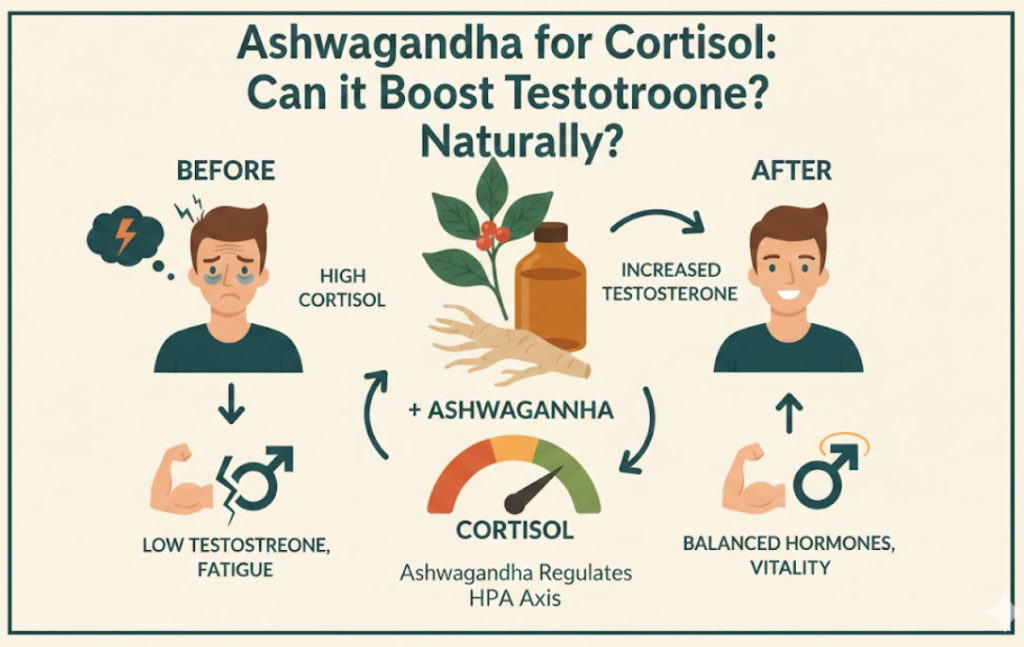
What Is Cortisol? Understanding the Body’s Stress Hormone
Think of cortisol as your body’s built-in alarm system. It is the primary stress hormone produced by your adrenal glands. Why do we even have it? In short, it keeps us alive. When you face a threat, cortisol surges to manage your metabolism and energy. It shuts down non-essential functions to help you fight or flee.
Does this sound helpful? In small doses, it is! However, chronic stress creates a major problem. Your body doesn’t know the difference between a tiger and a work deadline. If your alarm system never turns off, your health pays the price. High levels affect your blood sugar, immune response, and weight gain. Most importantly, it creates a hostile environment for other vital hormones.
How Cortisol Impacts Testosterone Levels
Have you ever wondered why your libido vanishes during a high-stress week? The cortisol and testosterone relationship is a biological see-saw. When one goes up, the other almost always goes down. This isn’t just a coincidence; it’s hardwired into your biology.
Your body uses the same raw materials to create many different hormones. When you are stressed, your system prioritizes cortisol production over everything else. Scientists often call this “pregnenolone steal.” Furthermore, high cortisol suppresses Luteinizing Hormone (LH). Since LH tells your testes to produce testosterone, the whole factory slows down.
Are you working out hard but losing muscle? High cortisol is catabolic, meaning it breaks down muscle tissue. This creates a double-whammy effect. You lose the very hormone that builds you up while the stress hormone tears you down. Understanding how stress affects testosterone is the first step toward fixing the leak.
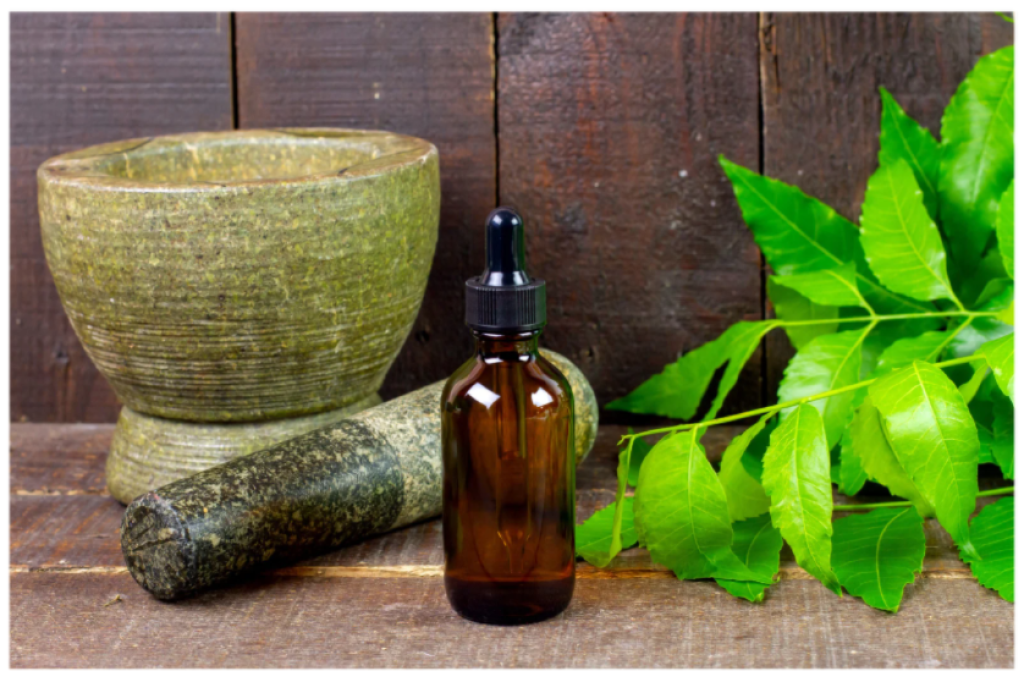
What Is Ashwagandha? The Ancient Adaptogen Explained
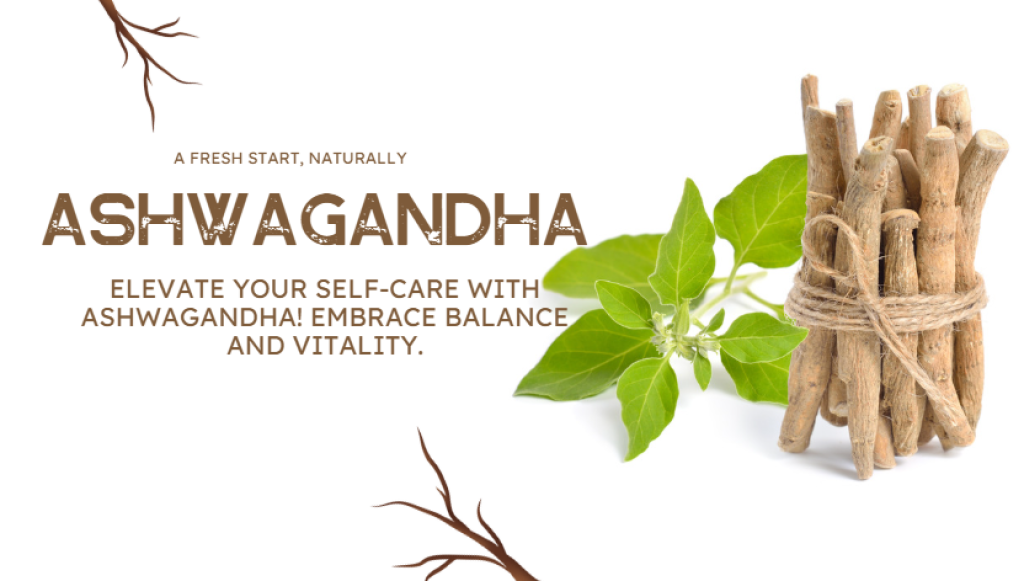
Have you ever heard of a plant that “smells like a horse”? That is the literal translation of Ashwagandha in Sanskrit. It refers to the root’s unique scent and the strength it supposedly provides. This powerful shrub is a cornerstone of Ayurveda, the ancient Indian system of medicine.
What makes it so special? It belongs to a rare class of plants called adaptogens. These herbs help your body “adapt” to various stressors. Whether you face physical fatigue or mental burnout, they help bring you back to center.
The secret lies in its active compounds, called withanolides. These natural chemicals interact with your nervous system. Today, this herb is trending globally for more than just tradition. People use it for ashwagandha testosterone benefits, athletic recovery, and deep sleep. Does a 3,000-year-old remedy hold the key to modern hormonal health?
How Ashwagandha Reduces Cortisol
So, how does a simple root actually calm your brain? The science is quite fascinating. Does ashwagandha lower cortisol by just making you feel sleepy? Not exactly. It actually talks to your HPA axis.
The Hypothalamic-Pituitary-Adrenal (HPA) axis is your internal thermostat for stress. When you get stressed, this axis sends a signal to pump out cortisol. Ashwagandha acts like a volume knob, turning that signal down.
Clinical studies show impressive results. In many trials, participants taking standardized extracts saw cortisol levels drop by 20% to 30%. By reducing sympathetic nervous activity (your “fight or flight” mode), it allows your body to rest. This shift is vital. When your body finally stops sensing a constant threat, it can finally focus on other tasks. Tasks like, for example, making more testosterone.
Can Lower Cortisol Actually Boost Testosterone?
This is the big question every man wants answered. Does a drop in stress lead to a rise in T? The short answer is a resounding yes, but with a catch.
Let’s look at the chain reaction. Ashwagandha stress hormone effects start by clearing the “cortisol fog.” Once cortisol levels stabilize, the hormonal competition ends. Your body can redirect its resources back to the endocrine system.
Is this the same as taking synthetic hormones? Absolutely not. Ashwagandha doesn’t act like a steroid. It won’t give you “super-human” levels if you are already healthy and relaxed.
Instead, it works best for the “modern man.” If you are chronically stressed, your testosterone is likely suppressed. By removing that suppression, your levels can return to their natural, peak potential. It’s about restoring your body’s baseline, not bypassing it. Are you ready to see what your body can do when it isn’t constantly fighting itself?
Scientific Studies: What Research Really Shows
Is there real science behind these claims? Many people worry supplements are just expensive placebo pills. Fortunately, scientific studies on ashwagandha testosterone are quite robust.
One famous study followed 64 chronically stressed adults. After 60 days of taking high-concentration ashwagandha, their cortisol levels dropped by nearly 28%. That is a massive shift! Another study focused specifically on men in weight training. Those taking the herb saw significantly greater increases in muscle strength and size. Their testosterone levels also rose significantly compared to the placebo group.
What about male fertility? Research shows that for men struggling with low sperm quality, ashwagandha can be a game-changer. It improved sperm count and motility while balancing reproductive hormones. Most trials used dosages between 300mg and 600mg of standardized extract. Usually, these results take about 8 to 12 weeks to peak. Does this mean it works for everyone? Let’s find out.
Who Benefits Most from Ashwagandha for Testosterone?
Not every man will see a massive “T-boost” from this herb. Why is that? Because ashwagandha is an adaptogen, not a stimulator.
The biggest winners are chronically stressed individuals. If your job is high-pressure and your sleep is poor, your cortisol is likely high. In this case, ashwagandha cortisol testosterone benefits will be most visible.
Are you an overtrained athlete? If you push your body too hard without enough recovery, your hormones will crash. Ashwagandha helps your nervous system recover faster. Men with borderline low testosterone also see great improvements.
However, if you are a healthy 22-year-old with zero stress and perfect sleep, you might not feel much. Your hormones are likely already at their peak. It helps fix what is broken; it doesn’t “supercharge” what is already perfect.
Additional Health Benefits That Support Hormones
Hormones don’t exist in a vacuum. Everything in your body is connected. Ashwagandha testosterone benefits often come as a side effect of overall better health.
For instance, consider your sleep. Better sleep is the ultimate natural testosterone booster. Ashwagandha is famous for improving sleep quality and reducing the time it takes to drift off. When you sleep deeply, your body produces the most testosterone.
It also helps with anxiety reduction and blood sugar regulation. High blood sugar can lead to insulin resistance, which is a known testosterone killer. By keeping your glucose steady and your mind calm, you create the perfect internal environment. Isn’t it better to treat the whole body rather than just one symptom?
Best Dosage for Cortisol and Testosterone Support
Are you staring at a shelf full of different bottles, feeling confused? You aren’t alone. Not all ashwagandha is created equal. To get the best ashwagandha testosterone benefits, you need to look at the “standardized extract” rather than just raw root powder.
Most clinical studies use a few specific, high-quality extracts. For example, KSM-66 is a popular choice, typically dosed at 600mg per day. Another potent version is Shoden, which is much more concentrated; a dose of just 120mg to 240mg can be highly effective. If you are using a standard extract with 5% withanolides, 300mg to 600mg is the “sweet spot.”
When should you take it? If your goal is to lower morning cortisol, taking it with breakfast is a smart move. However, if stress keeps you awake at night, an evening dose might be better. Some men choose to split the dose: half in the morning for hormonal support and half at night for recovery. Does your current supplement meet these standards?
How Long Does It Take to Work?
We live in a world of instant gratification, but biology takes time. You wouldn’t expect six-pack abs after one sit-up, right? The same logic applies to your hormones.
The timeline for how long does ashwagandha take to reduce stress hormones usually follows a predictable path:
- Week 1–2: Most men notice a “subtle shift.” You might feel slightly less “on edge” or notice your sleep quality starting to improve.
- Week 4–8: This is where the magic happens. Research shows significant drops in cortisol and measurable rises in testosterone typically peak during this window.
- Week 12 and Beyond: For long-term hormonal health and fertility, consistency is king.
Keep in mind, it works “deep” in your system to rebalance your HPA axis. If you take it sporadically, you likely won’t see the results you’re after. Are you willing to give it 60 days to truly change your baseline?
Safety, Side Effects, and Who Should Avoid It
Is this “miracle root” safe for everyone? Generally, yes, but it isn’t for everyone. Most people tolerate it very well, but some might experience mild stomach upset or drowsiness.
There are specific groups who should stay cautious:
- Thyroid Conditions: Since ashwagandha can increase thyroid hormone production, those with hyperthyroidism should be careful.
- Autoimmune Diseases: It can stimulate the immune system, which might aggravate conditions like lupus or rheumatoid arthritis.
- Medication Interactions: If you take sedatives, blood sugar meds, or blood pressure pills, talk to your doctor first. It can enhance the effects of these drugs, causing your levels to drop too low.
Always remember: more is not always better. Stick to the studied doses to avoid “numbing” your emotions—a rare side effect some users report with extreme dosages. Are you checking with a professional before starting a new regime?
Natural Ways to Lower Cortisol Alongside Ashwagandha
Can a pill fix a broken lifestyle? Not entirely. While ashwagandha cortisol testosterone benefits are real, they work best with a solid foundation. If you want to see your testosterone soar, you must manage your environment.
Start with your sleep. Try to get seven to nine hours of quality rest every night. Avoid screens before bed to keep your melatonin high and cortisol low. Are you overtraining in the gym? While lifting weights is great, excessive cardio or zero rest days will spike your stress hormones.
Nutrition also plays a massive role. Focus on magnesium-rich foods like spinach and pumpkin seeds. Magnesium is nature’s original chill pill. Finally, try a daily five-minute breathing exercise. These small habits create a “force multiplier” effect. When you combine them with ashwagandha, your body stops fighting itself and starts thriving.
Supplements That Help Cortisol Reduction & Testosterone Support
While ashwagandha remains the most researched natural option for lowering stress hormones, some commercially available supplements focus on stress regulation, male hormone balance, and nervous system recovery, which are the core pathways linking cortisol and testosterone. Research shows that reducing chronic stress can lower cortisol by roughly 15–30%, and this hormonal shift may help improve testosterone levels in certain populations.
Below is a quick comparison of relevant supplements that fit this specific biological goal.
| Supplement | Primary Focus | How It Relates to Cortisol & Testosterone | Best For |
| Aizen Power Testosterone Booster | Testosterone production | Supports endocrine function and male hormone output | Low T symptoms linked to stress |
| EndoPeak Testosterone Booster | Hormonal optimization | Designed to support testosterone signaling pathways | Age-related testosterone decline |
| Alpha Surge Male Vitality | Energy & libido support | Addresses fatigue and stress-related performance drops | Stress-induced sexual health issues |
| Emperor’s Vigor Tonic | Adaptogenic hormone balance | Often includes herbs that help regulate stress hormones | Hormone balance + stamina |
| Primal Blast Male Vitality | Male performance support | Targets vitality decline often linked to chronic stress | Energy + libido support |
| Nitric Boost | Circulation support | Improves blood flow supporting testosterone function indirectly | Energy and performance |
Ashwagandha vs Other Adaptogens for Stress Hormones
Is ashwagandha the only option for natural ways to reduce cortisol? Not at all. Many men wonder how it compares to other popular herbs.
Rhodiola Rosea is a fantastic alternative, especially for mental fatigue. It helps you stay sharp during a long workday. However, it is more “stimulating” than ashwagandha. Holy Basil is another great choice for metabolic stress, but it lacks the strong clinical data regarding testosterone.
For most men, ashwagandha remains the king of hormonal balance. It offers the most direct link to lowering cortisol while supporting reproductive health. If you feel “tired but wired,” ashwagandha is usually the winner. If you just need a brain boost, Rhodiola might be your best bet. Which one sounds like the right fit for your daily routine?
Myths and Misconceptions
Let’s clear the air on some common lies. First, does ashwagandha increase testosterone instantly? No. It is not a “pre-workout” pill. You won’t feel a surge of power thirty minutes after taking it.
Second, it does not work like Testosterone Replacement Therapy (TRT). TRT adds synthetic hormones to your blood. Ashwagandha simply helps your body produce its own hormones more efficiently.
Finally, “more is not better.” Taking triple the dose won’t triple your gains. In fact, extreme doses can cause emotional blunting, making you feel “flat” or indifferent. Stick to the studied amounts for the best experience. Are you falling for the “more is better” trap, or are you playing the long game?
Frequently Asked Questions
Does ashwagandha increase testosterone in women? It helps balance hormones but won’t cause masculine traits. It mainly improves stress and libido in women.
Can it lower cortisol permanently? No. It manages your response to stress while you take it. You must fix your lifestyle for permanent changes.
Is it safe long term? Most studies show it is safe for up to three months. Many experts suggest “cycling” it—taking a week off every month.
Best time to take it? Take it with a meal. Morning is best for all-day stress; evening is best for sleep.
Can I take it with caffeine? Yes, but be careful. Caffeine raises cortisol, which might fight against the herb’s benefits.
Summary: Does It Really Work?
So, what is the final verdict? Ashwagandha stress hormone effects are backed by years of clinical research and centuries of tradition. If your testosterone is low because of a high-stress life, this herb is a powerful ally.
It works indirectly by fixing the “cortisol leak” in your system. By calming your HPA axis, it allows your natural testosterone production to flourish. It isn’t a magic wand, but it is one of the most effective natural tools available today. Are you ready to lower your stress and reclaim your vitality?
📚 References
- Ashwagandha: Usefulness and Safety — National Center for Complementary and Integrative Health (NCCIH) health information on adaptogens like ashwagandha and its effects on stress and testosterone. NCCIH Ashwagandha Overview
- A Randomized, Double‑Blind, Placebo‑Controlled Study on Ashwagandha — Clinical research examining hormonal effects of ashwagandha supplementation in adult males, including testosterone outcomes. PubMed Study on Ashwagandha and Hormones
- Investigation into the Stress‑Relieving Actions of Ashwagandha — Randomized, placebo‑controlled trial showing ashwagandha’s impact on cortisol and testosterone levels. PubMed Study on Ashwagandha Stress Effects
- Effects of Withania somnifera on Hormonal Response — Systematic review summarizing multiple studies on ashwagandha’s influence on cortisol modulation and testosterone changes. Springer Systematic Review on Ashwagandha
- Herbal Effects on Testosterone Concentrations in Men — Meta‑analysis covering various herbs including ashwagandha and their effects on testosterone. PubMed Systematic Review of Herbs and Testosterone