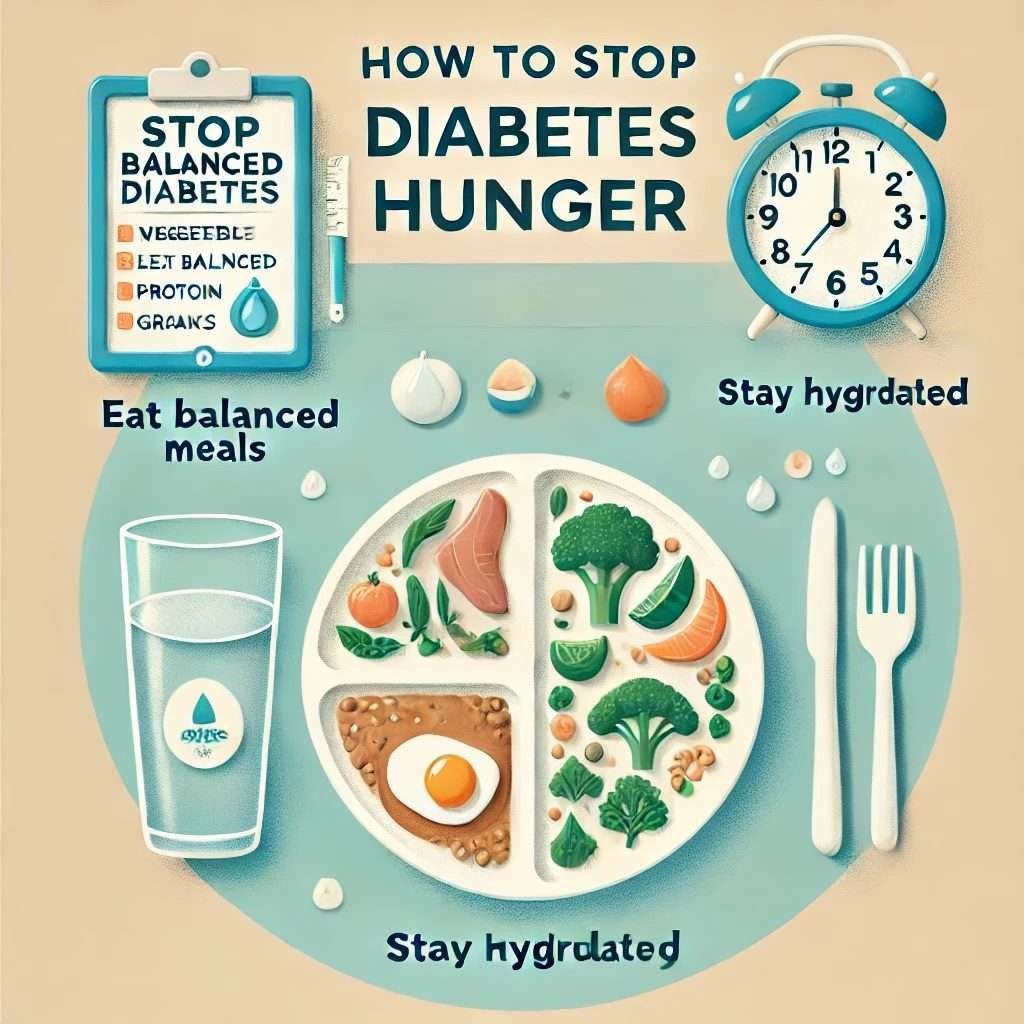
Have you ever wondered why you feel hungry all the time, even after eating, while managing diabetes? Then , you may be wanted to know about how to stop diabetes hunger ? If so, you’re not alone, and it’s important to know that you’re not imagining things.
Feeling constantly hungry, or experiencing “diabetes hunger,” is a common issue for people living with both Type 1 and Type 2 diabetes. It’s frustrating, exhausting, and can make managing blood sugar seem impossible. But here’s the good news: by understanding why it happens and making a few targeted changes, you can regain control over your hunger and feel more satisfied throughout the day.
In this guide, we’ll explore how to stop diabetes hunger, what foods diabetics crave, the importance of between-meal snacks, and practical strategies to control cravings. By the end, you’ll have the tools and knowledge to manage your appetite and improve your overall well-being.
Why Are Diabetics Always Hungry?

Is It Normal for Diabetics to Be Hungry All the Time? Also you should find out whether it causes you any chest pain when you feel hungry or not.Usually If you have diabetes, constant hunger can be caused by several factors related to how your body handles glucose.Here’s why it happens:
1. Insulin Resistance (Type 2 Diabetes) or Insulin Deficiency (Type 1 Diabetes):
- In type 2 diabetes, cells become resistant to insulin, meaning glucose cannot effectively enter the cells to provide energy.
- In type 1 diabetes, the body doesn’t produce enough insulin.
In both cases, cells are starved of energy despite high blood sugar levels, signaling the brain that the body needs more food.
2. High Blood Sugar (Hyperglycemia):
- When blood sugar levels spikes, glucose doesn’t enter into the cells instead remain in the bloodstream. This can trigger hunger as the body perceives an energy shortage.
3. Frequent Urination (Polyuria):
- Excess glucose in the blood leads to increased urination as the kidneys try to eliminate the excess sugar. This can cause dehydration, and the body may mistake thirst for hunger, increasing the urge to eat.
4. Hormonal Imbalances:
- Diabetes can disrupt the regulation of hunger hormones like ghrelin(which stimulates hunger) and leptin(which signals fullness), leading to increased appetite.
5. Rapid Blood Sugar Fluctuations:
- In some cases, blood sugar levels can drop rapidly (reactive hypoglycaemia ), prompting a strong hunger response to compensate for the sudden perceived lack of glucose.
What Foods Do You Crave When You Have Diabetes?
If you have diabetes, you might notice cravings for certain foods, often due to fluctuating blood sugar levels or hormonal imbalances. Here’s a look at the types of foods you may find yourself craving and why:
1. Sugary Foods
- You may crave sweets like candy, pastries, or chocolate when your blood sugar drops rapidly. Your body signals you to consume quick sources of energy to raise glucose levels.
2. Refined Carbohydrates
- Foods like white bread, pasta, and chips might appeal to you because they are rapidly digested into glucose, providing a temporary energy boost.
3. Salty Snacks
- If you’re frequently urinating due to high blood sugar, you may experience a loss of electrolytes, leading your body to crave salty foods like pretzels or salted nuts.
4. High-Fat Foods
- You might be drawn to high-fat foods like fried items or cheese when your body is seeking a longer-lasting energy source. Fat slows digestion and can make you feel fuller.
5. Caffeine or Sugary Beverages
- You may crave energy drinks, sodas, or coffee loaded with sugar when you’re fatigued, as these beverages can give a quick, albeit short-lived, energy burst.
Why You Experience These Cravings
- Blood sugar imbalances can trigger your body to seek quick sources of glucose.
- Hormonal shifts in insulin, ghrelin (hunger hormone), and leptin (fullness hormone) can confuse your hunger signals.
- Dehydration and electrolyte imbalances might push you to crave saltier or sweet foods.
Managing Cravings
- Focus on high-fiber, whole foods that help stabilize your blood sugar.
- Keep healthy snacks like nuts, vegetables, or low-glycemic fruits handy.
- Stay hydrated to reduce the urge for salty or sugary foods.
How To Stop Diabetes Hunger?
To manage hunger in diabetes, it’s crucial to maintain stable blood sugar levels through a balanced diet.Along with this you should do some regular exercise, and consistent medication.
1. Choose Healthier Carbohydrates
One of the most important steps in managing diabetes hunger is selecting the right types of carbohydrates. Instead of refined carbs that cause blood sugar spikes, focus on:
- Whole Grains:You can have brown rice, whole wheat ,bread quinoa, and oats in your meal.
- Non-Starchy Vegetables:There are some good non starchy food items like broccoli, spinach and bell peppers.
- Legumes: Lentils, beans, and chickpeas
By choosing healthier carbs, you can maintain steady blood sugar levels and reduce hunger.
2. Eat Fewer Refined Carbs
Refined carbohydrates, such as white bread, sugary cereals, and baked goods, break down quickly into sugar, causing rapid spikes and crashes in blood sugar. Reducing these foods in your diet can help you stop diabetes hunger and avoid intense cravings.
3. Incorporate Fresh Fruit
Fresh fruit is an excellent option for satisfying sweet cravings without causing major blood sugar spikes. You should choose fruits with a low glycemic index, such as:
- Berries (blueberries, strawberries)
- Apples
- Oranges
- Pears
Eating whole fruit, rather than fruit juice, provides fiber that helps slow the absorption of sugar into the bloodstream.
4. Between-Meal Snacks
Eating small, healthy snacks between meals can help keep your blood sugar stable and prevent extreme hunger. Some great options include:
- A handful of nuts or seeds
- Greek yogurt (unsweetened)
- Veggie sticks with hummus
- A boiled egg
These snacks provide a balance of protein, healthy fats, and fiber to keep you satisfied.
5. Focus on Protein and Healthy Fats
Protein and healthy fats are crucial for keeping you full. Make sure every meal includes:
- Lean Proteins:Again if you want to take proteins then you can have chickens ,turkey, fish, and tofu or eggs.
- Healthy Fats: If I talk about the fats ,theses are some healthy options – Avocados, olive oil, nuts, and seeds.
These nutrients digest slowly, helping you stay full longer and reducing the likelihood of cravings.
FAQs: How to Stop Diabetes Hunger
1. Why Am I Suddenly Hungry All the Time?
Sudden hunger can be a sign that your blood sugar levels are fluctuating. It may also be due to insulin resistance or the effects of diabetes medication. Ensure you’re eating balanced meals and monitoring blood sugar levels closely.
2. Can Metformin Make You Hungry?
Yes, some people report feeling hungrier when taking metformin, especially those with PCOS. Metformin can influence how your body processes insulin, leading to changes in appetite. Speak with your healthcare provider if this becomes a concern.
3. What Are Diabetes Hunger Symptoms?
Diabetes hunger often feels like an intense, insatiable need to eat, even after consuming a full meal. It may be accompanied by:
- Fatigue
- Irritability
- Cravings for sugary or starchy foods
- Dizziness (if related to low blood sugar)
4. How Can I Stop Being Hungry with Prediabetes?
If you have prediabetes, controlling hunger involves balancing your blood sugar levels. Focus on eating whole foods, reducing refined carbs, and incorporating more fiber, protein, and healthy fats into your diet.
5. Is It Normal to Be Hungry All the Time with Diabetes?
Yes, it’s normal, but it’s also manageable. Constant hunger is a sign that your blood sugar levels may not be well-regulated. By following the tips outlined in this guide, you can take steps to stop diabetes hunger and feel more in control.
Conclusion
Managing diabetes hunger can feel like a constant battle, but it doesn’t have to be. By understanding the causes of your hunger, making smart food choices, and adopting healthy lifestyle habits, you can stop diabetes hunger and regain control over your appetite. Remember, it’s about balance, consistency, and mindful eating.
Whether it’s choosing healthier carbohydrates, eating more fresh fruit, or including between-meal snacks, each small change adds up. You’ve got the tools to manage your hunger effectively—and improve your overall health along the way. Stay patient, stay committed, and trust that you’re making progress. You’ve got this!