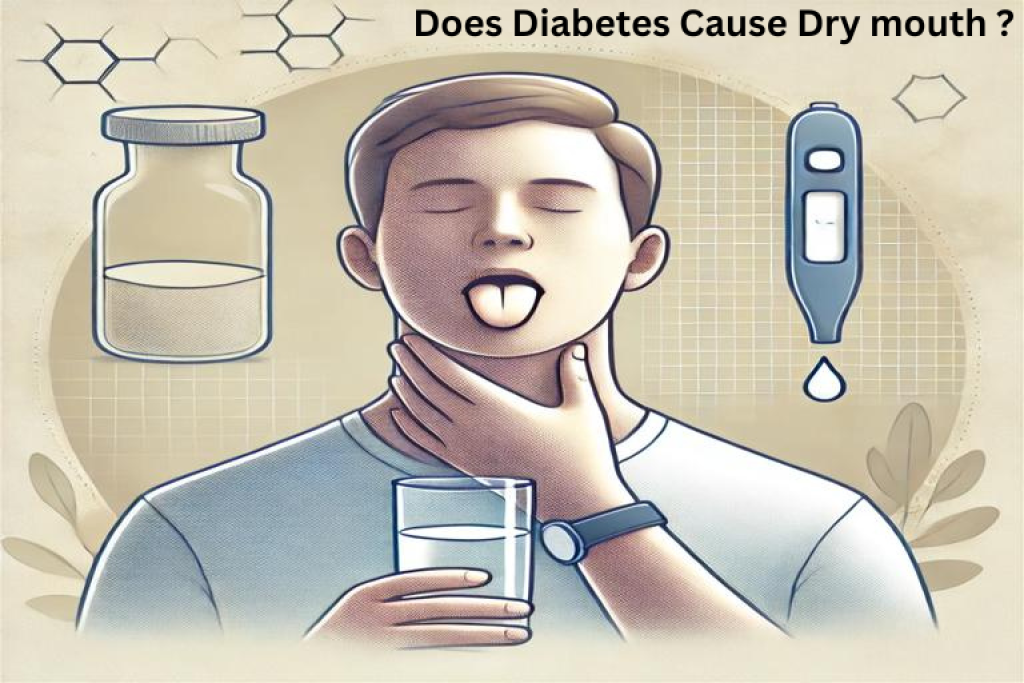
Does diabetes cause dry mouth? The harsh truth is ,”YES”.If you’re living with diabetes, you may have experienced that uncomfortable dry, sticky feeling in your mouth. But why does this happen?
It’s all about how diabetes affects your body’s ability to manage hydration and saliva production. When blood sugar levels rise or medications kick in, dehydration becomes a common culprit, leaving your mouth feeling parched. While dry mouth might seem like a small inconvenience, it can lead to bigger problems like tooth decay, gum disease, and infections if ignored.
Don’t worry—there’s plenty you can do to tackle this issue! Let’s dive into why diabetes causes dry mouth and how you can keep your smile healthy and comfortable.
Does diabetes cause dry mouth?
Dry mouth, or Xerostomia, is a condition characterised by the sensation of a dry or sticky feeling in the mouth due to a lack of adequate saliva. Saliva plays an essential role in maintaining oral health.
It helps with digestion, protects the teeth from decay, prevents bad breath, and keeps the tissues of the mouth moist and healthy. When saliva production is reduced, the mouth becomes dry, which can lead to discomfort, difficulty speaking and swallowing, an increased risk of tooth decay, gum disease, and even infections like oral thrush.
Diabetes can directly and indirectly contribute to dry mouth. The condition leads to changes in the body’s ability to regulate blood sugar, which can impact various systems, including the salivary glands. For people with poorly controlled diabetes, dry mouth can become a persistent problem.
Causes of Dry Mouth in Diabetes
There are several reasons why people with diabetes may experience dry mouth, including the following:
- High Blood Sugar Levels (Hyperglycemia)
- One of the most direct links between diabetes and dry mouth is high blood sugar. When blood sugar levels are elevated, the body tries to eliminate the excess glucose through urination. This frequent urination leads to dehydration, which, in turn, can reduce the amount of saliva produced in the mouth. Chronic hyperglycemia can also cause changes to the salivary glands, further impairing their ability to produce saliva.
- Dehydration
- Dehydration is a common problem for people with uncontrolled diabetes. Suppose your blood sugar levels spikes, the kidneys will need to work harder to remove the excess glucose from the blood. This increased urination leads to fluid loss and dehydration, which can decrease the amount of saliva in the mouth. A lack of sufficient hydration can lead to dry mouth as well as other symptoms like dry skin, fatigue, and dizziness.
- Medications
- Many medications commonly used to manage diabetes, such as diuretics (which are used to lower blood pressure or reduce swelling), antihistamines, antidepressants, and pain relievers, can have a side effect of reducing saliva production. These medications can worsen dry mouth and make it more difficult for individuals with diabetes to stay hydrated.
- Nerve Damage (Neuropathy)
- People with diabetes, especially those with long-standing or poorly controlled diabetes, may experience diabetic neuropathy, which is nerve damage. This condition can affect the nerves that control the salivary glands. When these nerves are damaged, the salivary glands may not function properly, leading to reduced saliva production and dry mouth.
- Mouth Breathing
- Individuals with diabetes are also more likely to suffer from other conditions like sleep apnea, which can cause mouth breathing during sleep. Breathing through the mouth, rather than the nose, leads to increased evaporation of saliva and results in a dry mouth, especially during the night.
- Infections
- High blood sugar levels provide a breeding ground for bacteria, fungi, and other pathogens. Fungal infections like oral thrush are more common in people with diabetes, and this can contribute to the sensation of dry mouth. Infections in the mouth can also exacerbate the discomfort caused by dry mouth and lead to additional oral health problems.
Symptoms of Dry Mouth in Diabetes
The symptoms of dry mouth can vary in severity, but some common signs that someone with diabetes might experience include:
- A dry, sticky feeling in the mouth
- Difficulty swallowing or speaking
- A sore or dry throat
- Cracked or dry lips
- A dry tongue or mouth that feels “parched”
- Bad breath (halitosis)
- A sensation of a thick coating on the tongue
- Difficulty wearing dentures or other dental appliances
- Increased tooth decay, cavities, and gum disease
- Difficulty tasting food properly
If dry mouth persists or worsens, it is essential to consult with a healthcare provider, as it can lead to more serious oral health problems over time.
Risks of Dry Mouth for People with Diabetes
For individuals with diabetes, dry mouth presents several risks, particularly related to oral health. Some of these risks include:
- Tooth Decay
- Saliva helps neutralize acids produced by bacteria in the mouth, protecting teeth from decay. When saliva levels are low, the teeth become more vulnerable to cavities and other forms of tooth decay. In people with diabetes, the risk of tooth decay can be higher due to the increased presence of glucose in the mouth, which feeds harmful bacteria.
- Gum Disease (Periodontal Disease)
- Dry mouth can increase the risk of gum disease because saliva is essential for maintaining healthy gums. Without sufficient saliva, the gums may become inflamed, red, swollen, and prone to infection. People with diabetes are already at a higher risk of gum disease due to the impact of elevated blood sugar levels on the immune system.
- Oral Infections
- A dry mouth creates an environment in which bacteria and fungi can thrive, increasing the likelihood of developing infections like oral thrush (a fungal infection in the mouth). Diabetics are more prone to infections due to their compromised immune systems, and a lack of saliva further exacerbates this risk.
- Difficulty Eating and Drinking
- Dry mouth can make it difficult to chew, swallow, or even taste food. This can lead to a reduced intake of essential nutrients, which can affect overall health and the management of diabetes.
- Bad Breath (Halitosis)
- The reduced saliva flow associated with dry mouth can contribute to persistent bad breath, which can be uncomfortable and socially distressing for individuals with diabetes.
- Mouth Sores and Cracked Lips
- The lack of moisture in the mouth can lead to cracked lips, mouth sores, or even ulcers, which can be painful and difficult to heal, especially for those with diabetes.
Managing Dry Mouth in Diabetes
Fortunately, there are several strategies that can help manage and alleviate dry mouth in individuals with diabetes. These strategies can range from lifestyle changes to medical treatments and dental care.
1. Maintaining Good Blood Sugar Control

- The best way to manage dry mouth related to diabetes is by maintaining optimal blood sugar levels. Regular monitoring of blood glucose, adhering to prescribed medications, and making healthy dietary choices can help reduce the incidence of high blood sugar levels, which in turn helps reduce the risk of dehydration and dry mouth.
2. Staying Hydrated

- One of the simplest and most effective ways to manage dry mouth is to drink plenty of water throughout the day. Staying hydrated helps combat dehydration and ensures that saliva production remains normal. Drinking water regularly also helps rinse away food particles and bacteria that may accumulate in the mouth.
3. Saliva Substitutes and Mouth Rinses
- Over-the-counter saliva substitutes, in the form of sprays, gels, or lozenges, can provide temporary relief for dry mouth. These products mimic the lubricating properties of natural saliva and can help keep the mouth moist. Special mouth rinses designed for people with dry mouth may also be useful for maintaining oral health.
4. Chewing Sugar-Free Gum
- Simply ,you can chew sugar-free gum or suck sugar-free candies to stimulate saliva production. Some gums contain xylitol, a sugar substitute that can help reduce the growth of bacteria in the mouth while promoting saliva flow.
5. Avoiding Dehydrating Substances
- Certain substances like caffeine, alcohol, and tobacco can further contribute to dehydration and worsen dry mouth. People with diabetes should limit their consumption of these substances and avoid using tobacco products to help prevent dry mouth.
6. Oral Hygiene Practices

- You should always maintain good oral hygiene to combat dry mouth. Brushing the teeth at least twice a day with fluoride toothpaste, flossing daily, and using an antibacterial mouthwash can help reduce the risk of cavities, gum disease, and oral infections.
7. Using a Humidifier
- Using a humidifier, particularly at night, can help add moisture to the air, reducing the dryness in the mouth and throat caused by breathing through the mouth.
8. Regular Dental Checkups
- People with diabetes should visit their dentist regularly for checkups and cleanings. A dentist can monitor for signs of dry mouth and its potential complications, such as cavities or gum disease. Professional dental care is crucial for maintaining oral health in people with diabetes.
9. Medication Adjustment
- If dry mouth is caused by medications, a healthcare provider may adjust the dosage or switch to alternative medications that have fewer side effects. You should never make changes to your medication regimen without consulting your Endocrinologist .
Conclusion
Dry mouth is a common but often overlooked issue for individuals with diabetes. It can be caused by high blood sugar levels, dehydration, medications, and other factors related to the disease. Dry mouth not only causes discomfort but also increases the risk of tooth decay, gum disease, and infections.
Managing diabetes effectively through blood sugar control, staying hydrated, practicing good oral hygiene, and using saliva substitutes can significantly help alleviate the symptoms of dry mouth. With the right approach, people with diabetes can prevent or manage dry mouth and maintain good oral hygiene.
FAQs
1. Does diabetes cause dry mouth?
Yes, diabetes can cause dry mouth due to high blood sugar levels, dehydration, and medication side effects, leading to reduced saliva production.
2. How does high blood sugar lead to dry mouth?
High blood sugar levels cause frequent urination, leading to dehydration, which decreases saliva production and results in dry mouth.
3. What are the symptoms of dry mouth in diabetics?
Symptoms include a dry, sticky feeling in the mouth, difficulty swallowing, bad breath, cracked lips, and increased tooth decay.
4. How can I prevent dry mouth caused by diabetes?
Manage your blood sugar levels, stay hydrated, avoid dehydrating substances like alcohol, and maintain good oral hygiene to prevent dry mouth.
5. Can dry mouth from diabetes be treated?
Yes, dry mouth can be treated with saliva substitutes, frequent hydration, sugar-free gum, and good dental care. Consult your healthcare provider for personalised treatment options.